Redcurrant
Also called Red currant · Cultivated currantRibes rubrum · Grossulariaceae family
Bright little clusters whose tang works as well beside savory food as it does in dessert.
Find it near DetroitGet to know it
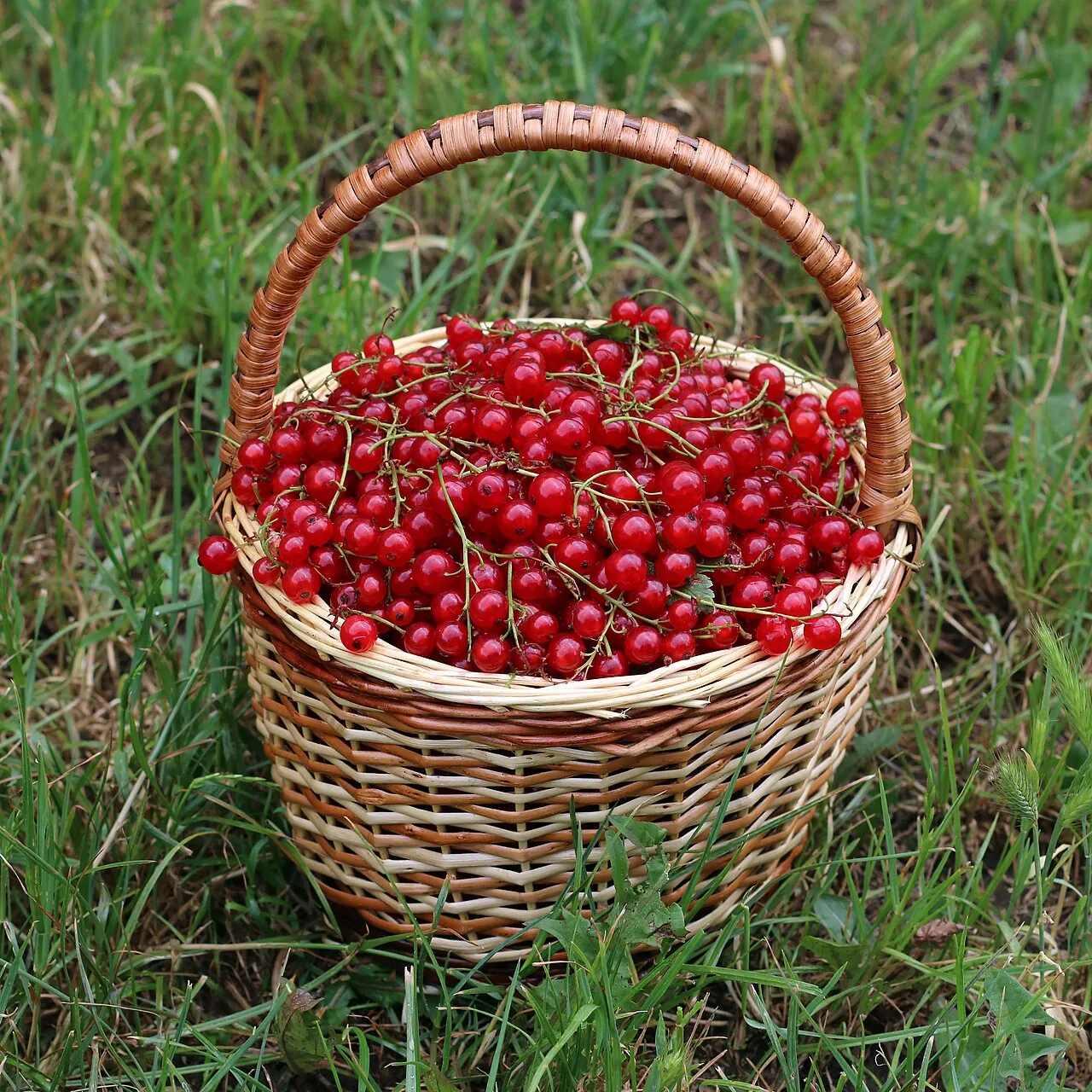
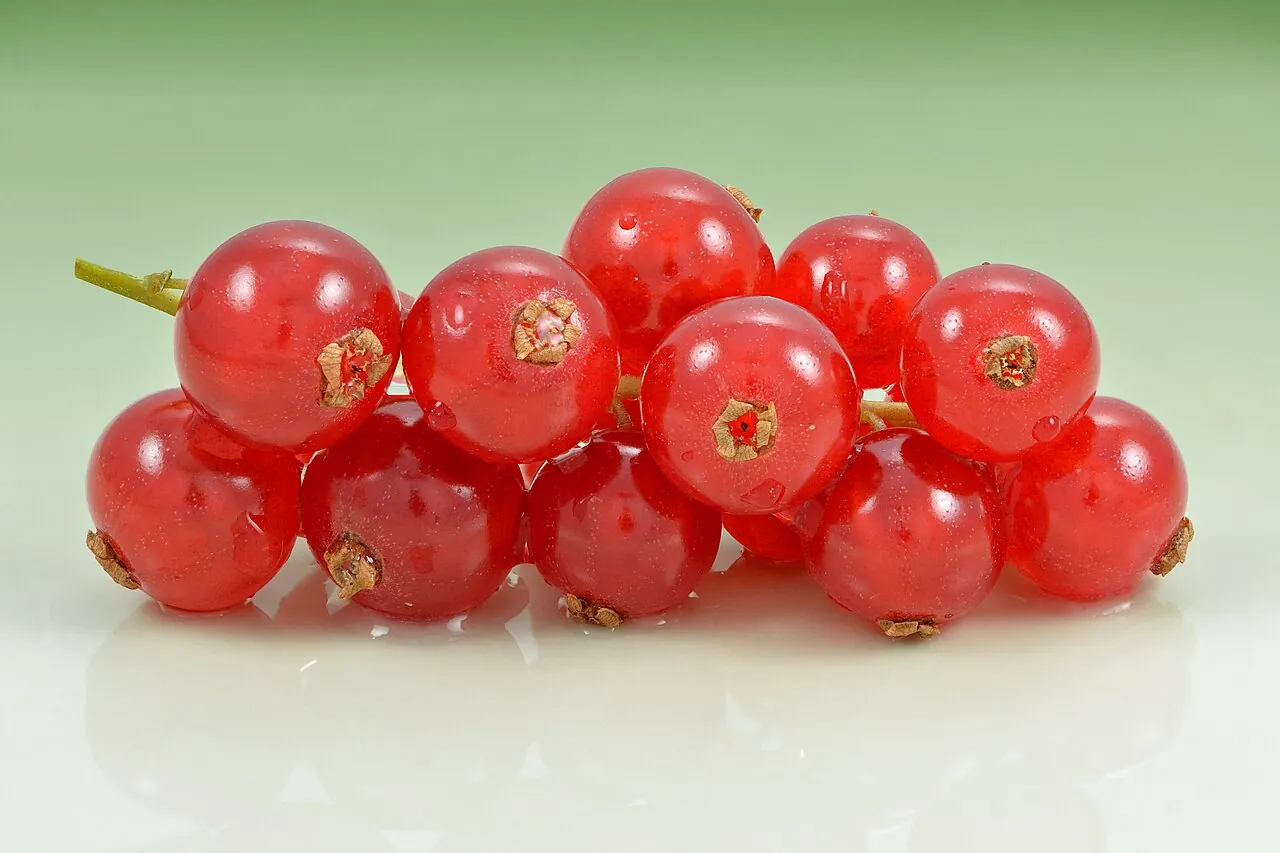
Redcurrants hang in strings of translucent red berries, each about the size of a pea. They are tangy and semi-sweet, and they make the bright jelly served beside roast lamb.
What it is
A redcurrant is a small berry related to the gooseberry, about 0.8–1.2 cm (⅜–½ in) across. Light passes through its red skin. Berries hang together in clusters, with 8–30 fruits in a cluster.
Named varieties offer different bites. Rovada has large, aromatic berries on long clusters. Red Lake has dark-red fruit with a mild, gently tart taste. The fruit’s natural pectin, the substance that helps a jelly set, makes redcurrants particularly useful in the preserving pan.
Where it comes from
Redcurrants come from western Europe, and they have long been grown in the United States too. In the 1600s, growers in Belgium and northern France developed varieties with larger berries. Red Lake, introduced by the University of Minnesota in 1933, became popular across the United States and Europe.
How it's eaten where it grows
The Linzer torte, named after the Austrian city of Linz, is filled with redcurrant jam. Ground hazelnuts or almonds, cinnamon and a little clove flavour the buttery pastry, and thin strips of dough form a lattice over the jam.
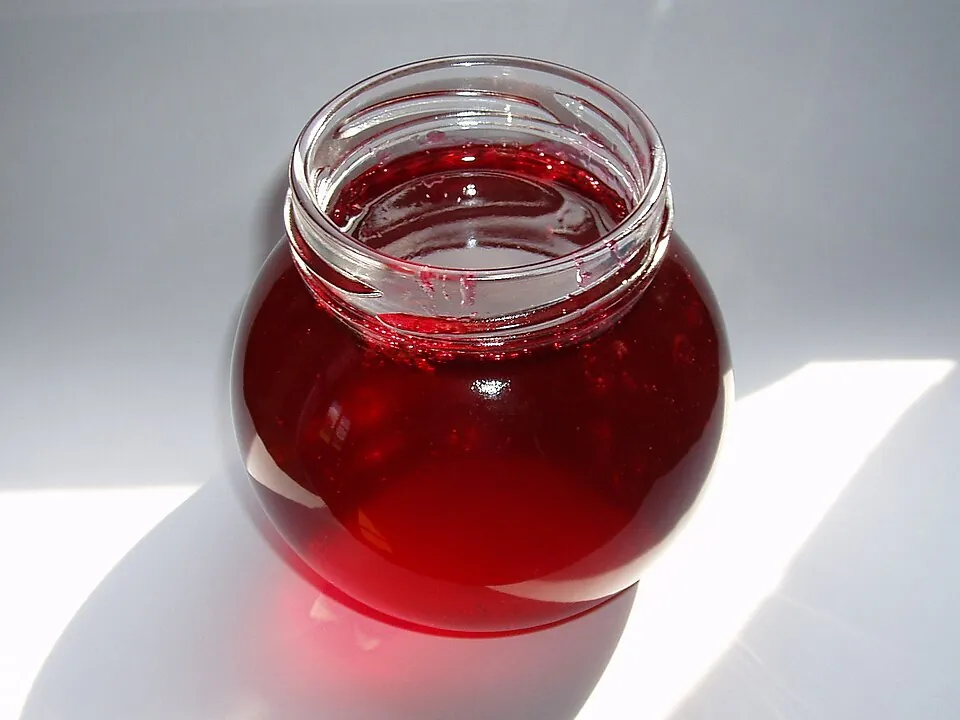
In Britain, redcurrant jelly accompanies roast lamb. Cooks simmer the berries, strain the juice through cloth, then boil it with sugar until it sets. The finished jelly keeps the fruit’s acidity without its skins and seeds.
How it's grown
Unlike their gooseberry relatives, redcurrant bushes have smooth canes with no thorns. They do best with morning sun and afternoon shade: heat above 29°C (85°F) can damage the plants, and intense sun can scorch the leaves. A young bush usually gives a light crop in its second year and a full one in its third.
Pickers cut whole clusters, called strigs, rather than pulling off individual berries. The stems come off in the kitchen.
When and where you'll find it
In Britain, early and late varieties usually stretch the harvest from July into August. Pick-your-own farms are one route to the fresh fruit: at Forde Abbey Fruit Farm, near Chard on the Somerset–Dorset border, the usual redcurrant harvest is July. In Minnesota, it usually falls in July and August.
The berries also freeze in whole clusters. A frozen sprig can go straight into a glass of iced tea or lemonade.
Sources · 9
- Austrian National Tourist Officeaustria.info
- BBC Food — Pam Corbinbbc.co.uk
- Colorado State University Extensionextension.colostate.edu
- fordeabbey.co.uk
- mnhardy.umn.edu
- Royal Horticultural Societyrhs.org.uk
- University of Minnesota Extensionextension.umn.edu
- Utah State University Extensionextension.usu.edu
- Wikipediaen.wikipedia.org
Get it near Detroit
What it tastes like
As tart as a grapefruit, crisper than a blueberry≈
More about the taste
Redcurrants are juicy, tangy and semi-sweet, with enough natural pectin to make them especially useful for jelly.
Varieties differ: Rovada is aromatic, with large berries in long clusters; Honeyqueen is tender and juicy, with a long harvest period.
Choose, ripen, store, eat
1ChooseRich color
Look for
- Rich color
- Firm
- Juicy clusters
Choose richly colored, firm, juicy clusters. If picking, cut the whole strig and remove its stems in the kitchen.
2RipenFor fresh eating, wait for full color and ripe flavor on the bush
For fresh eating, wait for full color and ripe flavor on the bush. Fruit for jam may be picked earlier for its higher pectin content; that is a different goal.
3StoreFridge, fruit
- FridgeFruitCovered container or closed bag
Cool the fruit promptly and refrigerate in a covered container or closed bag to reduce drying.
4EatFruit · not stems
Eat
FruitNot eaten
StemsStrip off the stems for fresh eating. For jelly or sauce, the recipes strain the cooked fruit to separate juice from seeds, skins and stalks.
More tips
Worth knowing
- A richly colored redcurrant grown for processing isn't always the best one to eat plain.
Detroit, Michigan
When it’s good hereUsual monthsJust arrivedAt their bestLast chanceAll yearWhere it is in its usual monthsToday, Oct 22Grown hereIn season in your stateShips fromIn season where it grows
6 growing areas, 3 countriesUsual monthsOur estimated monthsToday, Oct 22

- Araucanía
- Kent
- Lot-et-Garonne
- Maule
- United Kingdom
- You
0 of 3 areas · October
Growing areas by country
- Chile2
- France2
- United Kingdom2
Red Lake, introduced in 1933, is a productive variety with substantial clusters of red berries.
169 varieties
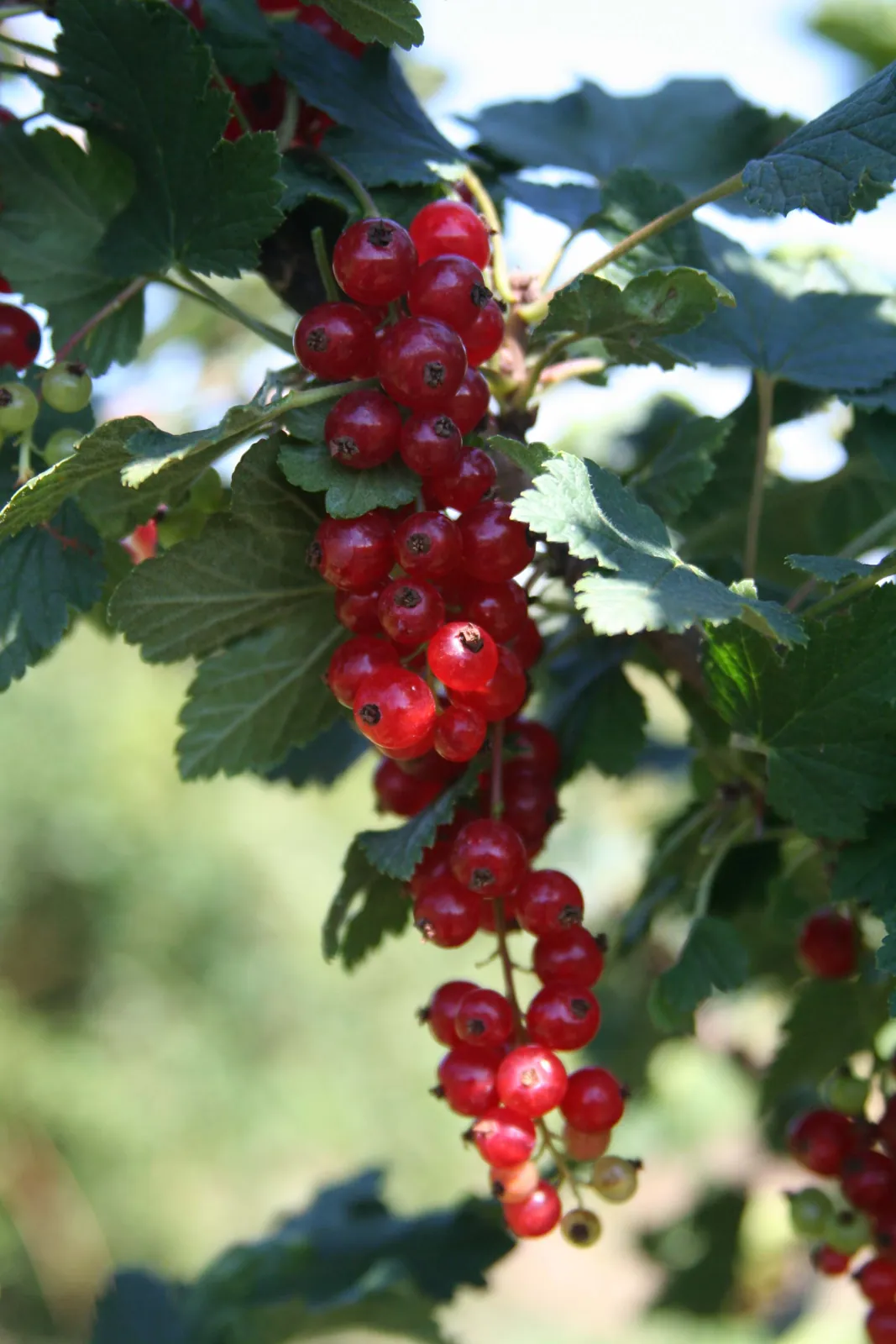 Rondom
- Feel
- firm FI-04
- Use
- Redcurrant
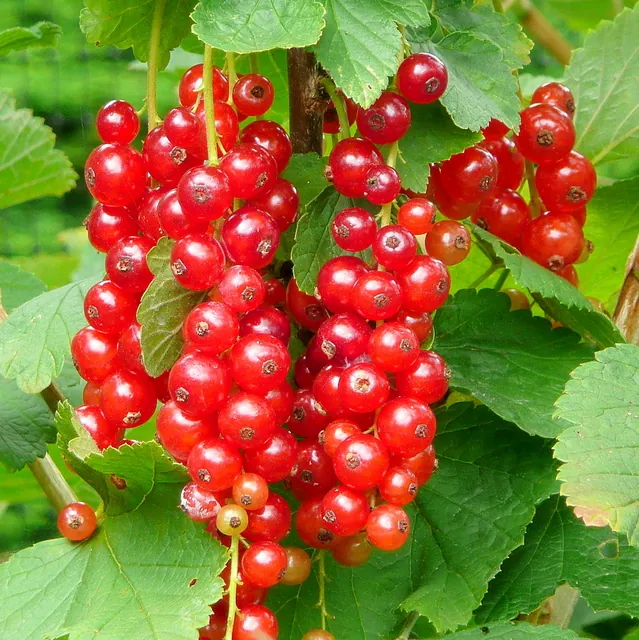 Jonkheer van Tets
- Flavour
- säuerlich, aromatisch Germany
- Use
- fresh FI-04
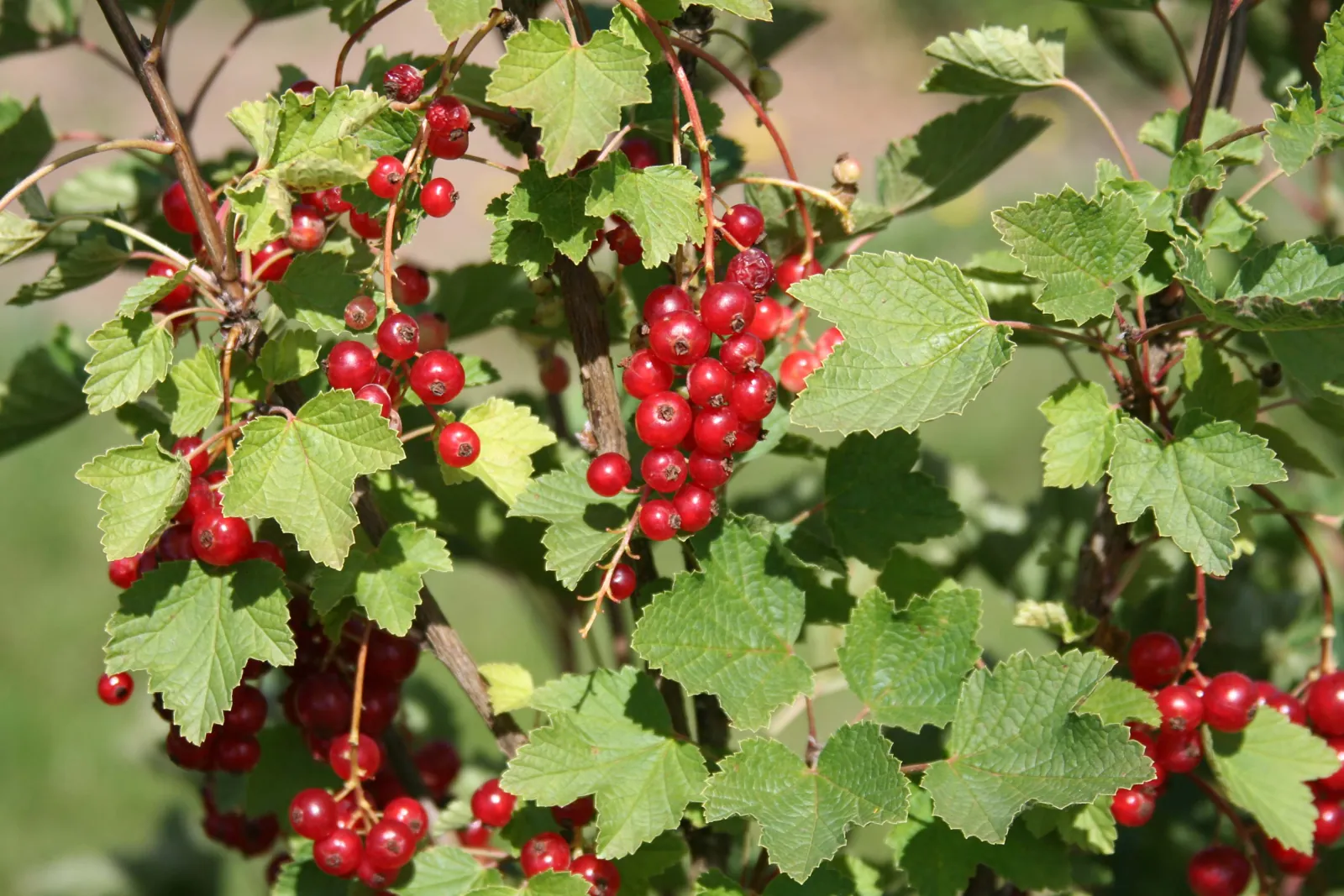 Rolan
- Flavour
- säuerlich, aromatisch Germany
- Use
- Redcurrant
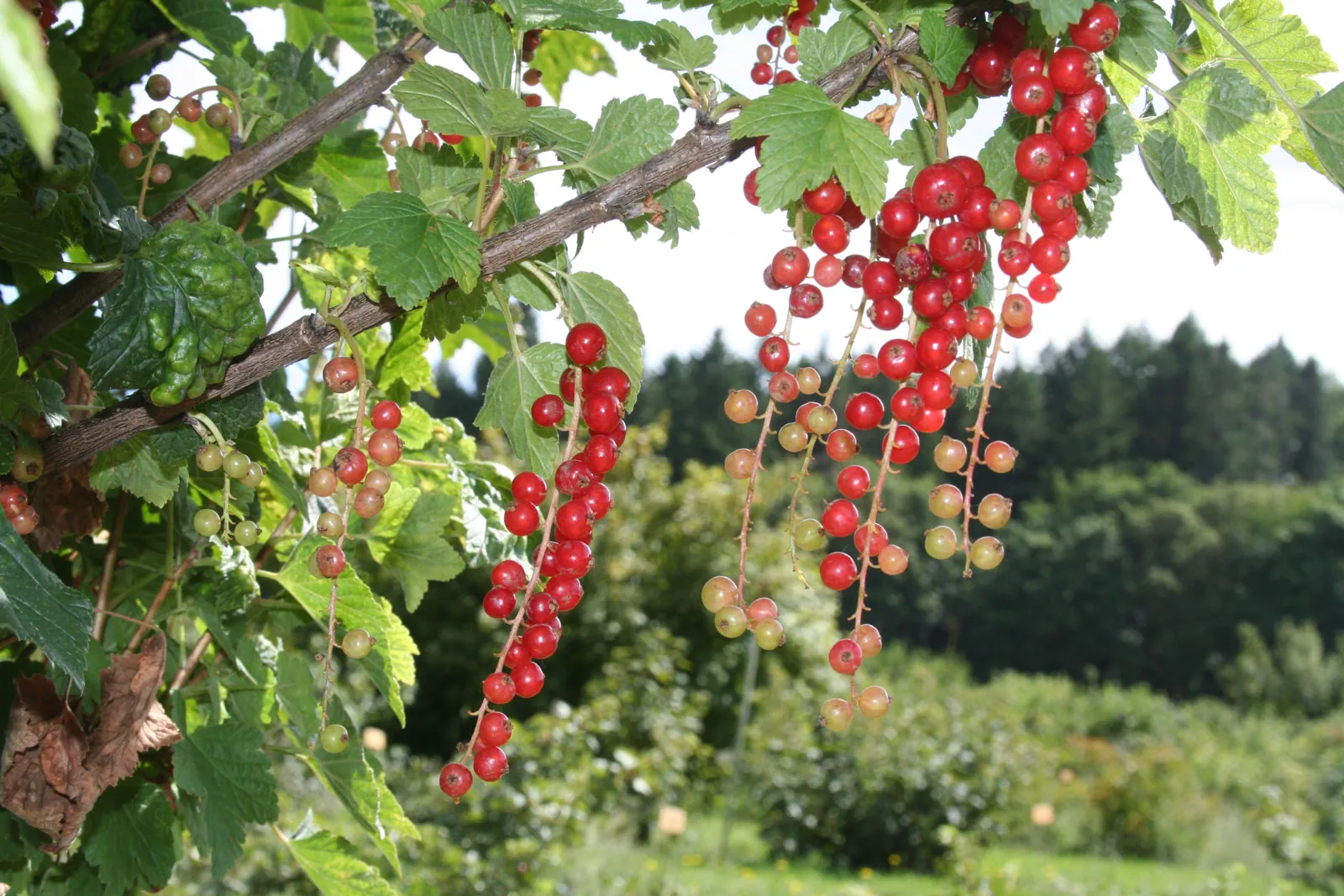 Rovada
- Flavour
- säuerlich, aromatisch Germany
- Use
- Redcurrant
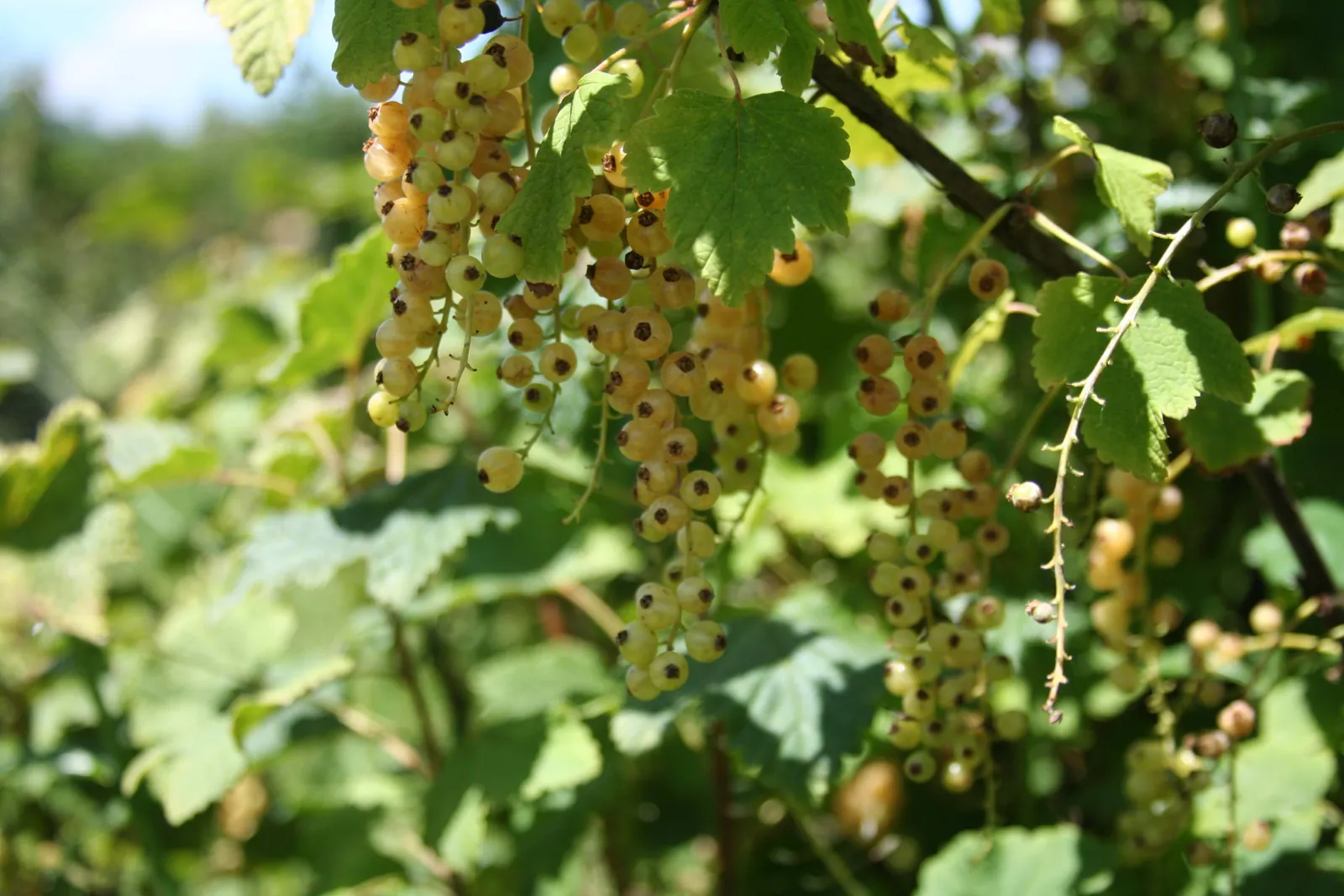 Blanka
- Flavour
- leicht säuerlich, aromatisch Germany
- Use
- Whitecurrant
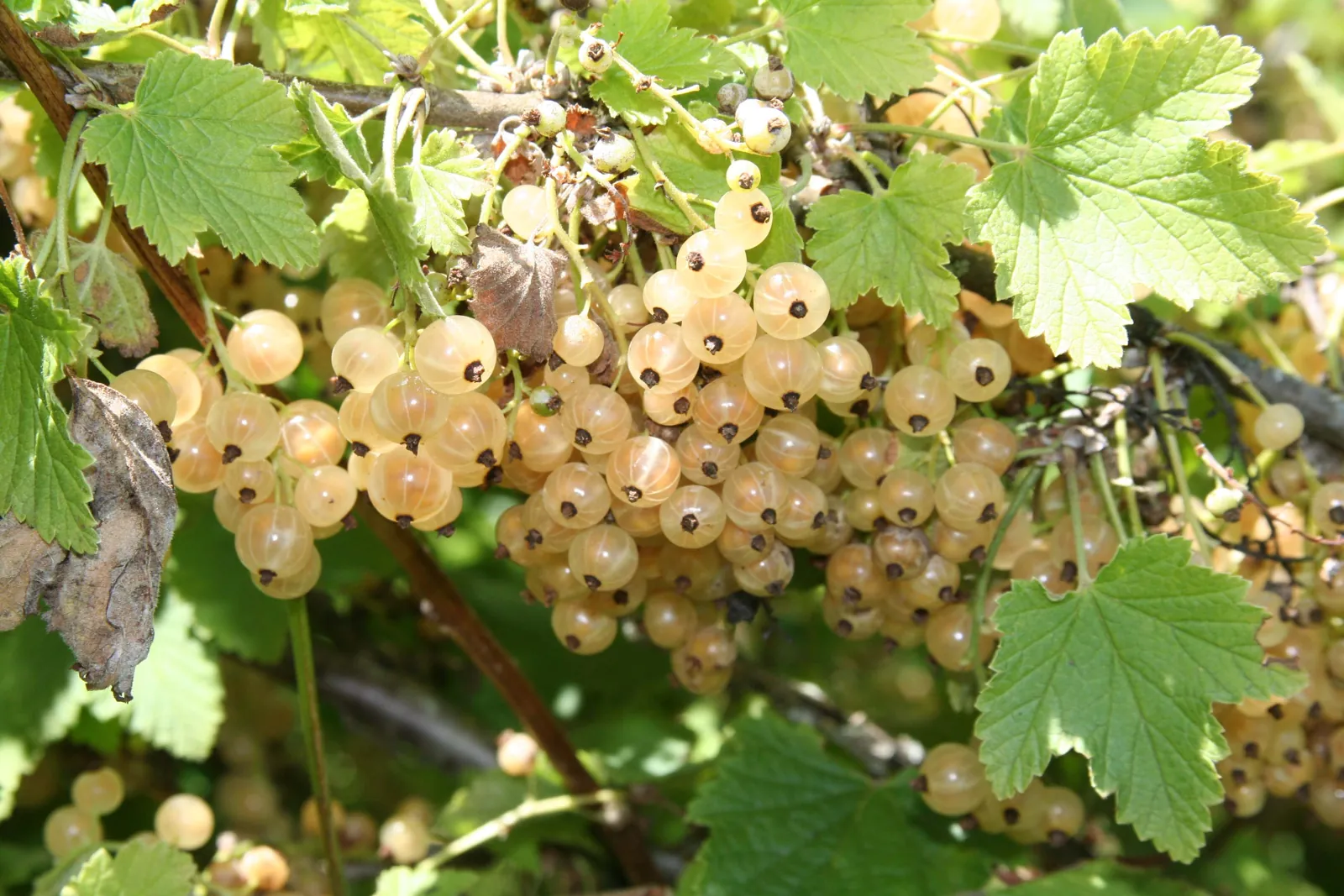 Primus
- Flavour
- leicht säuerlich Germany
- Use
- Whitecurrant
39 names in 13 languages
- เรดเคอร์แรนท์Thai
Cook it
Strange but trueHistoryScienceFood and drinkPeople
If you like Redcurrant
Tastes alike
Close relatives
Nutrition, sources
Nutrition
Currants, red and white, raw · per 100 g
- Carbohydrate
- 14 g
- Fiber
- 4.3 g
- Sugars
- 7.4 g
- Protein
- 1.4 g
- Fat
- 0.2 g
- Vitamin C
- 41 mg
- Potassium
- 275 mg
Photos · 3
Sources
Redcurrant · Fruitopia · checked Sep 21, 2026