Gooseberry
Also called Goosegog · European gooseberryRibes uva-crispa · Grossulariaceae family
Gooseberries are worth meeting at more than one stage: the berry chosen for a tart preserve need not be the one chosen for dessert.
Find it near DetroitGet to know it
Gooseberries are grape-sized berries with a slightly sharp flavour. Dessert varieties are sweet and tangy; culinary varieties go into pies, fools and jams. They grow on a prickly bush, with fruit that can stay green even when ripe.
What it is
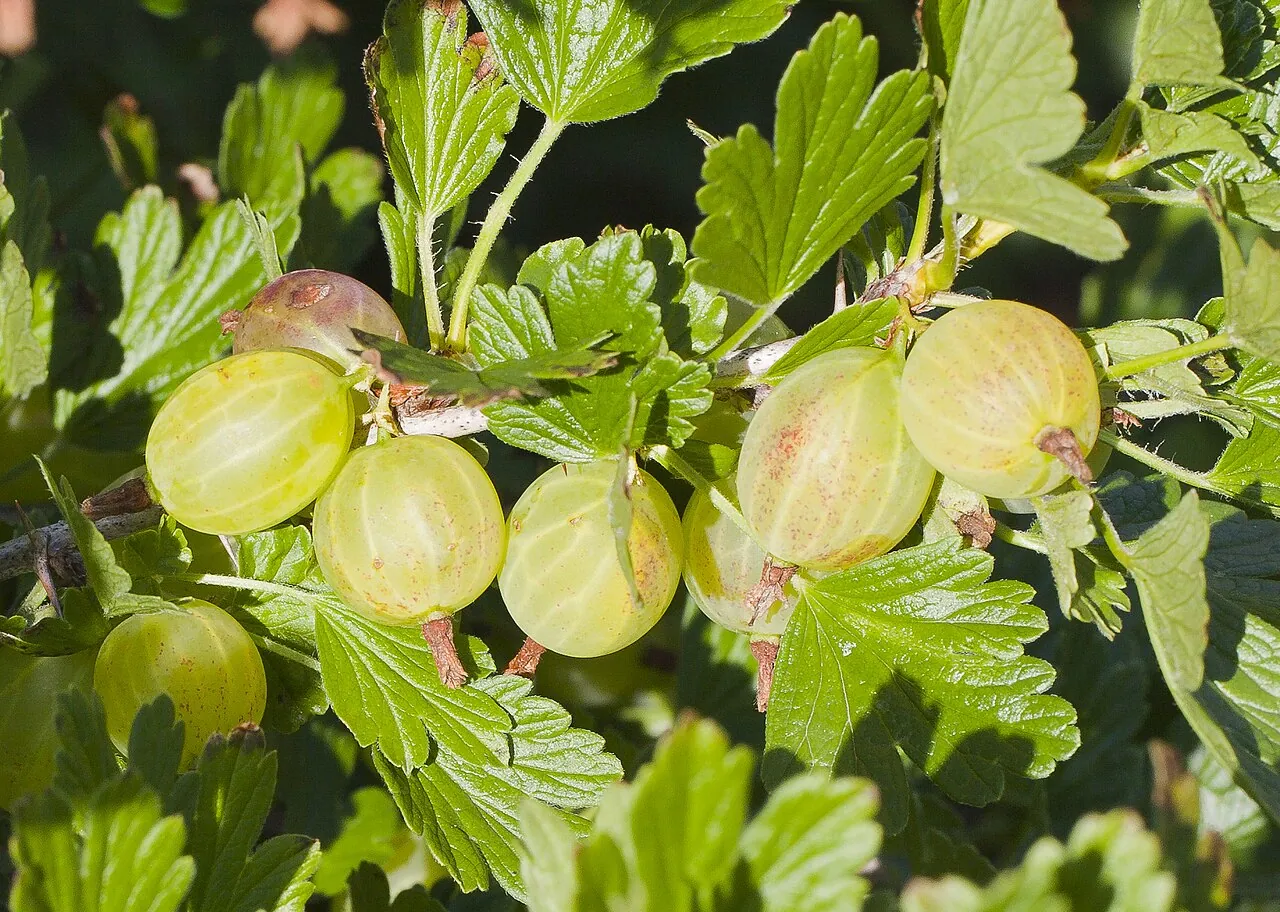
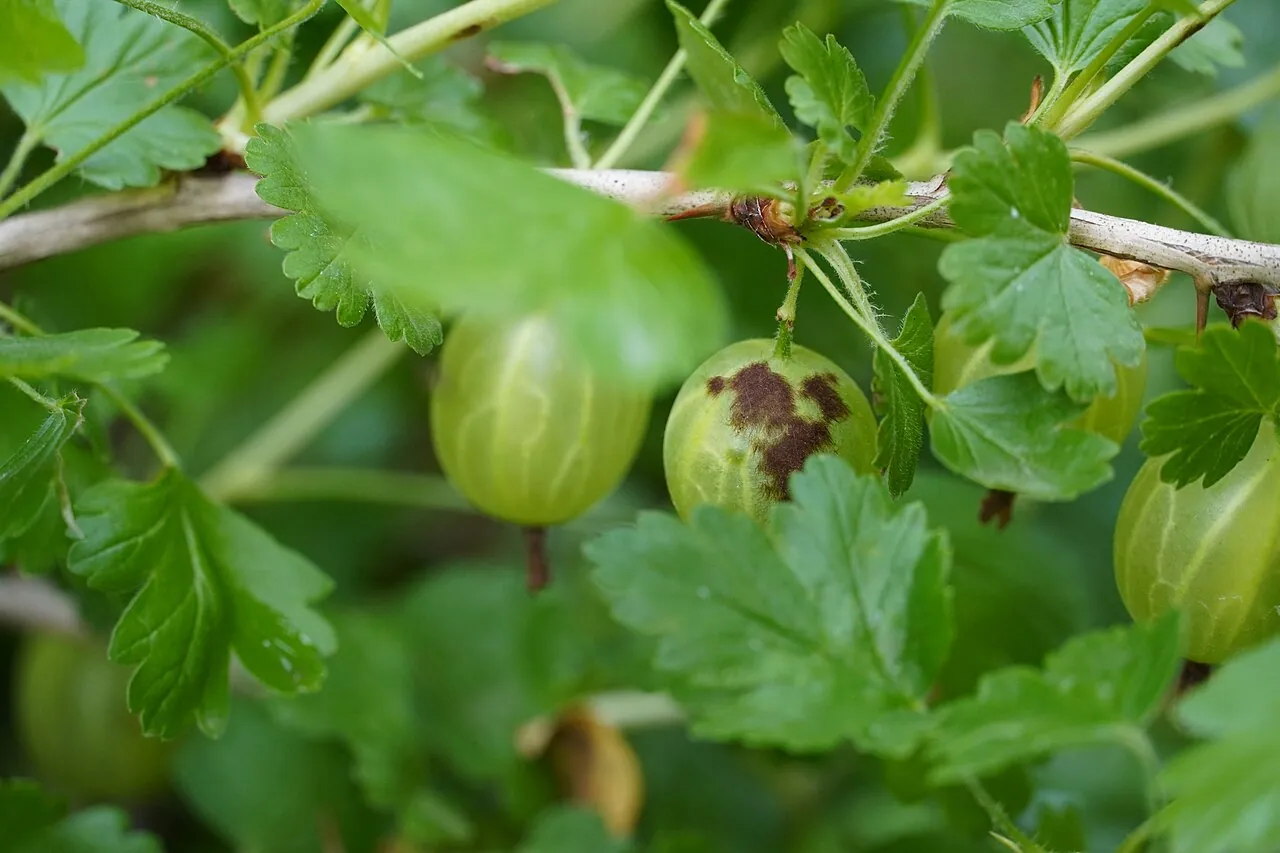
The European gooseberry is Ribes uva-crispa. Its oval berries have see-through skin and can be green, yellow, pink or red when ripe. They grow singly or in little groups on a woody, thorny bush.
A green gooseberry can be ripe: colour depends on the variety. The Indian gooseberry and the Cape gooseberry are different fruits, despite sharing the name.
Where it comes from
The European gooseberry comes from northern Eurasia, with a native range reaching the Caucasus and North Africa. They first appear in English records in the 1200s, in bills for plants imported from the continent; by the 1500s, gooseberries grew widely in British gardens.
North America has its own gooseberry, Ribes hirtellum. Most American garden varieties also carry some European ancestry, from a handful of crosses made in the 1800s.
How it's eaten where it grows
In Britain, gooseberry fool folds softened, sweetened berries into whipped cream, with shortbread alongside. An elderflower version cooks the berries in sugar and elderflower cordial, then mixes the cooled fruit with cream and yoghurt.
Their slightly sharp flavour also made them a traditional partner for fatty meat and oily fish. In France, their name translates as “mackerel currant”, because they were popularly eaten with mackerel.
How it's grown
A gooseberry bush reaches about 1–1.5 m (3–5 ft) tall and wide. It can set fruit without a second bush nearby, and starts bearing about one to three years after planting. Rich soil that drains freely and a little shade suit it. Thorny stems make the harvest a careful job.
When and where you'll find it
In Britain, cooking berries are usually picked green in June; ripe dessert berries usually follow from late June into early August. Greengrocers and farmers’ markets are places to meet the fresh fruit. Alaska’s harvest usually comes later, from mid-August to mid-September.
Beyond the fresh season, gooseberries travel canned or frozen. Whole berries can go into the freezer after rinsing, removing the stalk and blossom ends and drying, ready for a later pie or fool.
Sources · 10
- Agricultural Marketing Resource Centeragmrc.org
- Louise Robinson, Great British Chefsgreatbritishchefs.com
- Mary Berry, BBC Foodbbc.co.uk
- Pfalzmarkt grower cooperativepfalzmarkt.de
- Royal Horticultural Societyrhs.org.ukOther pages2
- Royal Horticultural Society; Mr Fothergill’srhs.org.uk
- University of Alaska Fairbanks Cooperative Extensionuaf.edu
- University of Massachusetts Amherst Extensionumass.edu
- University of Minnesota Extensionextension.umn.edu
- University of Oxford, Plants 400herbaria.plants.ox.ac.uk
Get it near Detroit
What it tastes like
Softer than a pear, as tart as a kiwifruit≈
More about the taste
Gooseberries have a sharp flavor and have traditionally been served with fatty meat or oily fish, not just in sweet desserts.
Ripe gooseberries can be red, white, green or yellow, all sharing a characteristic sharpness.
Choose, ripen, store, eat
1ChooseMature color
Look for
- Mature color
- Slight softening
- Separates easily from plant
Ignore
- Green skin
For fresh eating, look for the variety's mature color along with slight softening and easy separation from the plant — gooseberries get sweeter and less tart as they ripen. A green-skinned variety shouldn't be rejected just for staying green.
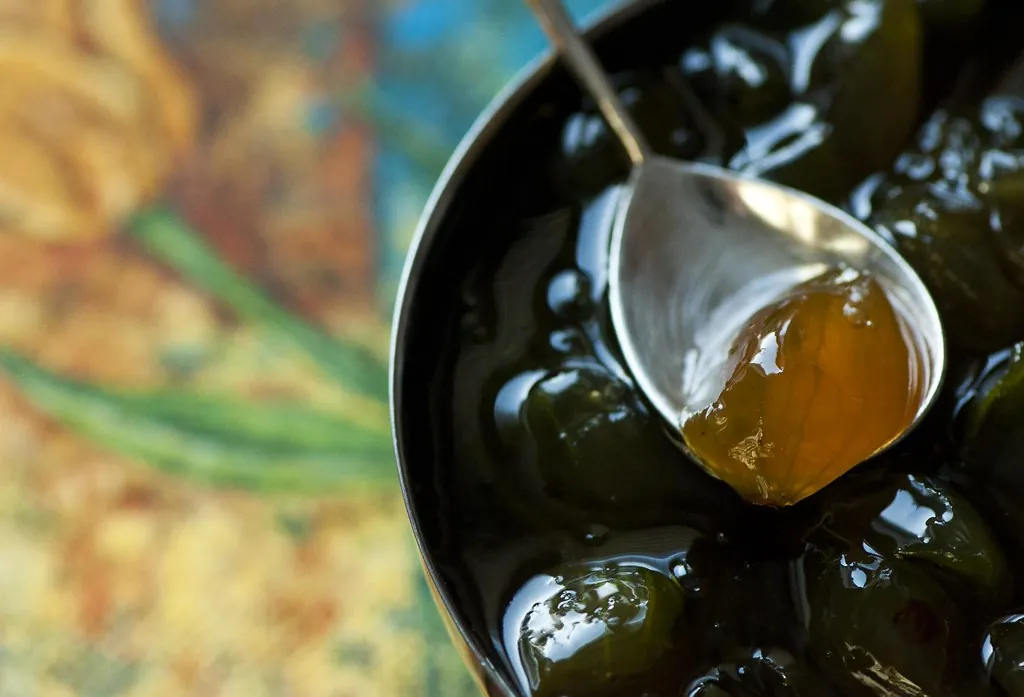
2RipenPick based on how you'll use it: less-than-fully-ripe fruit is better for jam, since pectin is higher, while fully ripe fruit suits fresh eating
Pick based on how you'll use it: less-than-fully-ripe fruit is better for jam, since pectin is higher, while fully ripe fruit suits fresh eating.
3StoreFridge, picked fruit
- FridgePicked fruitCovered containers or closed bags
Cool picked fruit promptly, then keep it refrigerated in covered containers or closed bags that limit drying out.
4EatWhole fruit · not stem, blossom ends
Eat
Whole fruitNot eaten
StemBlossom endsRinse berries and remove the stem and blossom ends. The whole fruit can be frozen, and used from puree to jelly.
More tips
Worth knowing
- A cut sample's brown seeds point to a mature gooseberry; flavour still varies within mature fruit.
- The best picking stage depends on the dish. Fruit meant for a tart stewed preparation doesn't need to meet the same standard as a fresh dessert berry.
Detroit, Michigan
When it’s good hereUsual monthsJust arrivedAt their bestLast chanceAll yearWhere it is in its usual monthsToday, Oct 22Grown hereIn season in your stateShips fromIn season where it grows
2 growing areas, 1 countryUsual monthsToday, Oct 22

- Kent
- United Kingdom
- You
0 of 1 areas · October
In the nineteenth century, gooseberry clubs held competitions for the heaviest fruit, a horticultural tradition distinct from breeding for flavor.
152 varieties
- No variety photo yetAchilles
- Use
- Gooseberry
- No variety photo yetAdmiral Beatty
- Use
- Gooseberry
- No variety photo yetAjax
- Use
- Gooseberry
- No variety photo yetAlma
- Use
- Gooseberry
- No variety photo yetBeauty
- Use
- Gooseberry
- No variety photo yetBedford Yellow
- Use
- Gooseberry
61 names in 15 languages
- కేశ ఉసిరిTelugu
Cook it
1 Gooseberry festivalUsual monthToday, Oct 22
Strange but trueHistoryScienceNatureWhere the name came fromCustoms and cultureA record
If you like Gooseberry
Tastes alike
Close relatives
Used the same way
Nutrition, sources
Nutrition
Gooseberries, raw · per 100 g
- Carbohydrate
- 10 g
- Fiber
- 4.3 g
- Protein
- 0.9 g
- Fat
- 0.6 g
- Vitamin C
- 28 mg
- Potassium
- 198 mg
Sources
Gooseberry · Fruitopia · checked Sep 22, 2026