Marula
Sclerocarya birrea · Anacardiaceae family
Go beyond the cream liqueur: discover the fruit's pulp, a community cookbook, and a savory marula preserve.
Find it near DetroitGet to know it
Marula is a yellow African fruit with sweet-sour juice and fibrous flesh wrapped around a hard stone. The pulp goes into drinks, including omagongo, northern Namibia’s fermented marula juice. Inside the stone is another food: kernels that taste like walnuts.
What it is
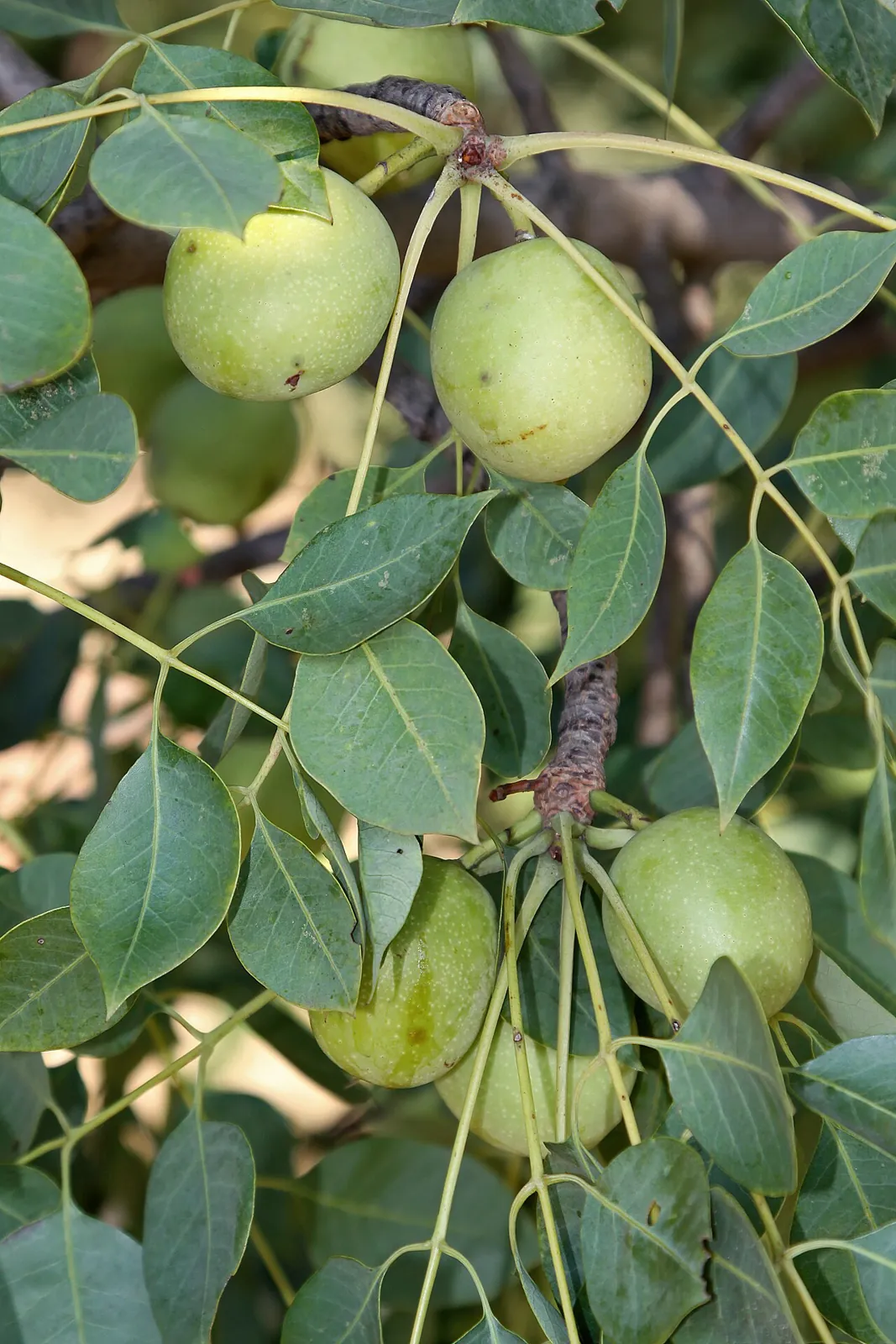
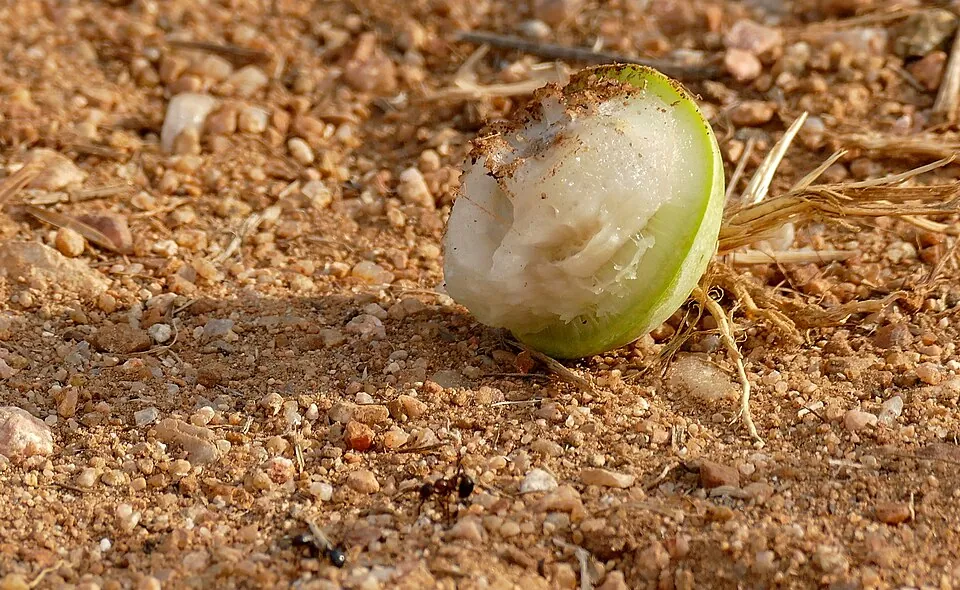
A marula measures about 3–3.5 cm (1.2–1.4 in) across. Its thick skin turns yellow as it ripens, and the juicy flesh clings to the stone. People discard the skin, eat the flesh or suck out the juice.
The stone holds seeds in separate compartments. Those kernels are eaten raw or roasted.
Where it comes from
Marula grows across much of sub-Saharan Africa, from Senegal and Ethiopia south to Namibia and South Africa, outside the humid forest zone. People often keep the trees when clearing land, leaving them standing in fields and around farms.
The tree has also travelled to India and Australia. In Israel it has been grown as an experimental fruit crop.
How it's eaten where it grows
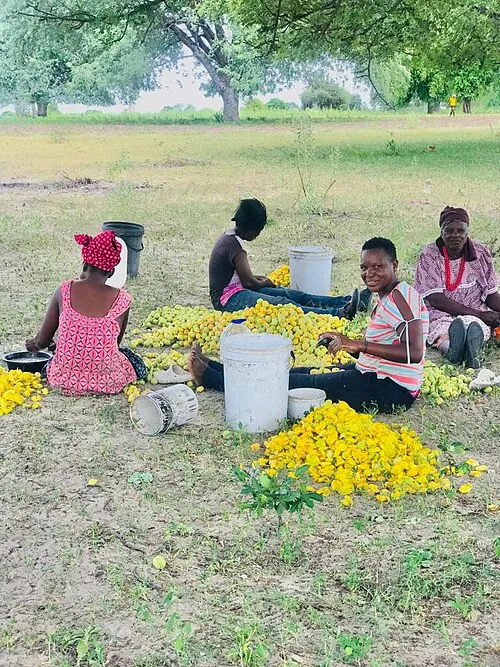
In northern Namibia, eight Aawambo communities come together for Oshituthi shomagongo, a marula festival usually held in March or April. Women squeeze out the juice and ferment it in clay pots for two to seven days to make omagongo. The celebration lasts two to three days.
The kernels have their own place at the table. In Owamboland, the cake left after pressing out their oil is called eedi. It goes into food or is eaten as a snack.
How it's grown
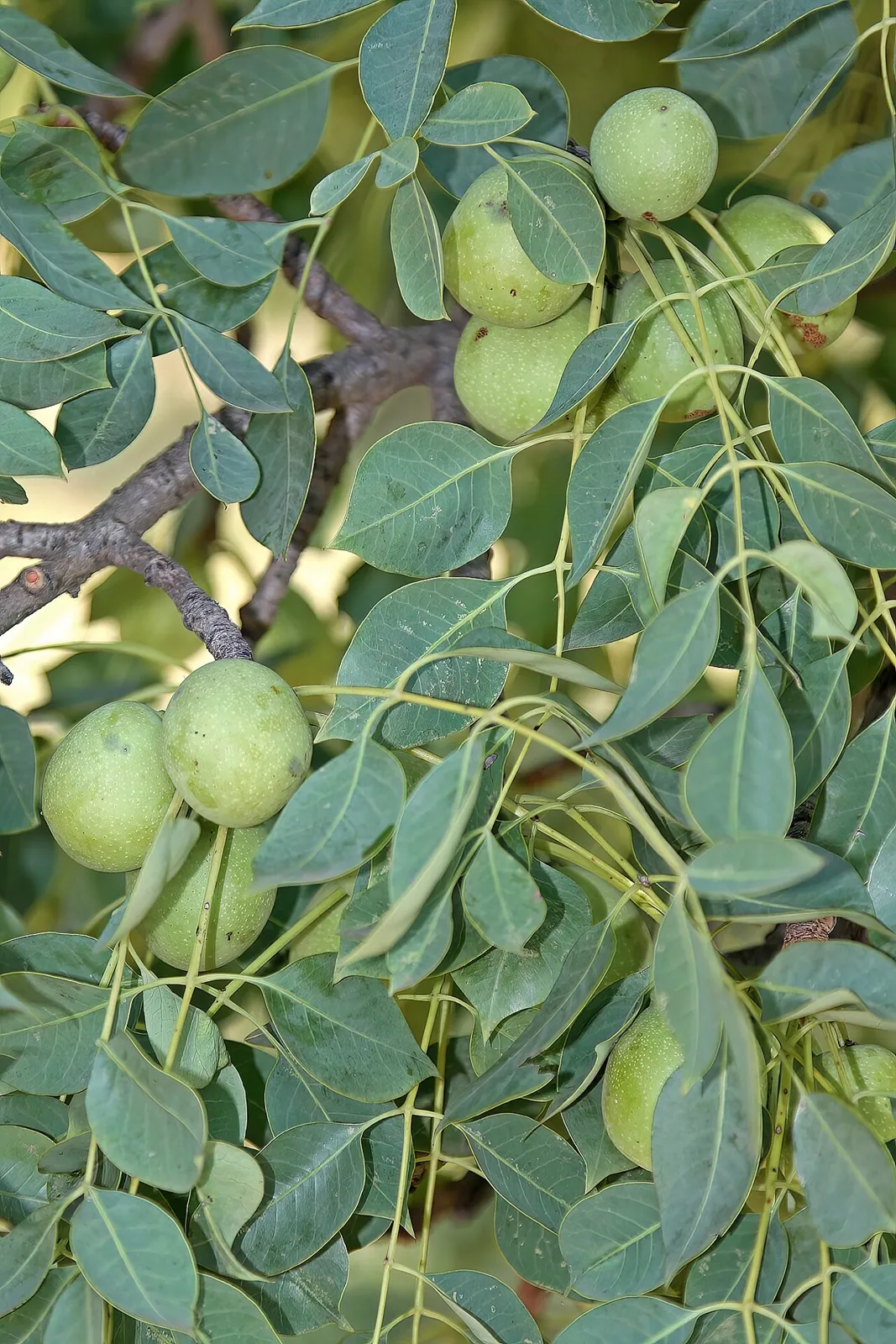
Marula trees usually reach 9–12 m (30–39 ft), with male and female flowers generally on separate trees. They grow in well-drained sandy or loamy ground. Harvesters traditionally gather the fallen fruit: it drops while green, then turns yellow on the ground, sometimes taking up to ten days to ripen.
When and where you'll find it
In Owamboland, northern Namibia, the fruit usually comes from late January into April or May. Southern Africa also makes marula into commercial products, led by a liqueur, along with beer, wine and pasteurised juice; marula jams and jellies have been marketed too. Maungo Craft’s online range includes Smoked Marula, Chilli & Ginger Jam, pairing the fruit with ginger, chillies and red pepper.
Get it near Detroit
What it tastes like
Crisper than a blueberry, as tart as a kiwifruit≈
More about the taste
Marula has scented, juicy pulp around a hard stone, beneath a leathery skin that turns yellow when ripe — the starting point for many drinks.
The flesh is juicy and fibrous, and clings to the stone.
Choose, ripen, store, eat
1ChooseYellow skin
Look for
- Yellow skin
Ignore
- Fallen fruit alone
Yellow skin is a ripeness cue. Fruit often falls while still green, then turns yellow as it ripens, so a fallen fruit isn't automatically ready to eat.
2RipenRipens after picking
Ripens after pickingMarula ripens after falling, sometimes taking up to ten days.
3StoreFresh marula is sensitive to cold and can be damaged below 9°C (48°F)
Fresh marula is sensitive to cold and can be damaged below 9°C (48°F); it keeps longer at 12–20°C (54–68°F) than in an ordinary refrigerator.
4EatFlesh, Juice · not skin, hard stone
Eat
FleshJuiceNot eaten
SkinHard stoneFor fresh eating, use the flesh and juice after removing the skin; leave out the hard stone. The kernels inside the stone are a separate food ingredient.
Detroit, Michigan
When it’s good hereUsual monthsJust arrivedAt their bestLast chanceAll yearWhere it is in its usual monthsToday, Oct 22Grown hereIn season in your stateShips fromIn season where it grows
1 growing area, 1 countryUsual monthsToday, Oct 22

- Limpopo
- You
Marula trees are often retained when surrounding vegetation is cleared, giving them a place in farm and parkland landscapes. Households ferment the fruit into an alcoholic drink, distinct from eating it raw or as juice.
22 names in 14 languages
- 象李Chinese
- قاسية النبات البيريةArabic
Cook it
1 Marula festivalUsual monthToday, Oct 22
Strange but trueHistoryA myth, and the truthScienceNatureCustoms and cultureFood and drinkA record
If you like Marula
Tastes alike
Same plant family
Sources
Photos · 4
Sources
Marula · Fruitopia · checked Sep 21, 2026