Blackcurrant
Also called Black currant · Cassis · European black currantRibes nigrum · Grossulariaceae family
Blackcurrant offers an aromatic intensity that is easy to miss when the only introduction is a sweetened drink.
Find it near DetroitGet to know it
Blackcurrants are small, dark berries with a tangy, earthy flavour that holds its own in a pudding or a drink. In Burgundy, the berries become crème de cassis, the blackcurrant liqueur mixed with white wine to make a Kir.
What it is
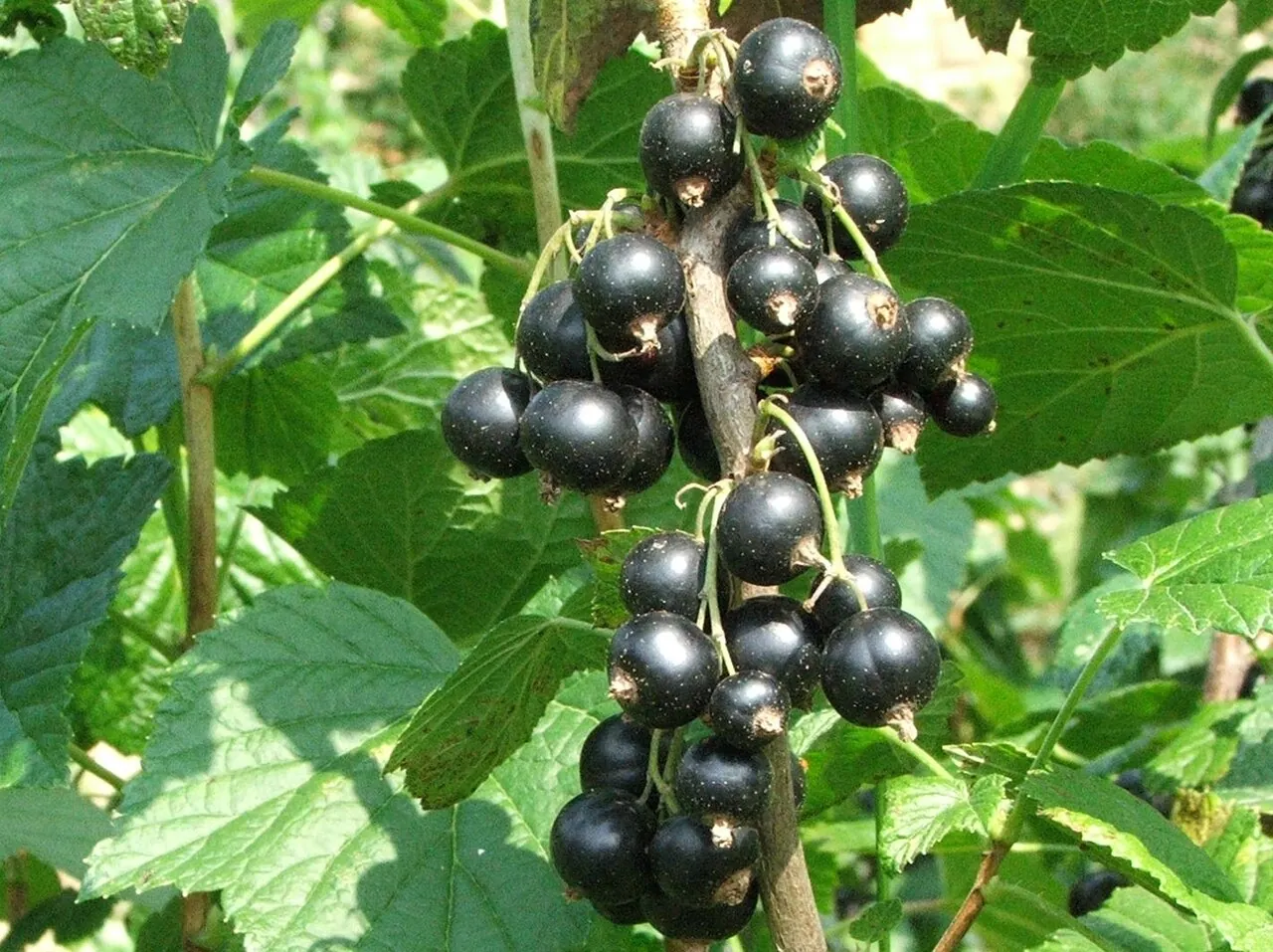
A ripe blackcurrant is a deep purple that looks almost black. The berries grow in clusters, each fruit about the size of a pea. The stems have no thorns, and the lobed leaves release a strong scent when crushed.
Variety changes the experience. Ben Chaska produces larger berries and ripens earlier than Ben Como. Both come from Scottish breeding and were tested in Minnesota.
Where it comes from
Blackcurrant, Ribes nigrum, is a shrub of the temperate zone, native from Europe across Central Asia to the Russian Far East. Europe remains the centre of commercial currant growing and breeding.
In eighteenth-century Burgundy, blackcurrant bushes grew at the ends of vineyard rows in the Côte de Beaune and Côte de Nuits. Fruit and wine still meet in the region’s drinks.
How it's eaten where it grows
In Burgundy, a Kir pairs crème de cassis with Aligoté white wine.
In Britain, blackcurrants join raspberries and strawberries in summer pudding. A bowl lined with white bread or brioche holds the fruit, and the bread soaks up its juice. The pudding spends the night in the fridge under a weight, then comes out of the bowl to be served with clotted cream.
How it's grown
Blackcurrants grow on bushes about 1.5 m (5 ft) tall and wide, happiest in cool summers and rich soil that drains well. British commercial growers start with cuttings and wait about three years for fruit.
On varieties such as Ben Connan, Ben Hope and Big Ben, the berries in a bunch ripen together. That lets a picker take the whole bunch instead of returning for individual berries.
When and where you'll find it
In Britain, blackcurrants are usually still being picked in August. At Ballykelly Farm in Wexford, Ireland, the fresh season usually runs from late July through August. The farm also packs frozen berries in 500 g punnets, freezing them individually within hours of picking.
Frozen whole berries are another way to meet the fruit in the US: specialist online fruit shops such as CurrantC list them alongside blackcurrant products.
Sources · 11
- Borough Market, recipe by Jenny Chandlerboroughmarket.org.uk
- Burgundy-Franche-Comté Tourismburgundy-tourism.com
- CurrantCcurrantc.com
- mnhardy.umn.edu
- Montana State Universityagresearch.montana.edu
- Mr Jeffares Blackcurrants, Ballykelly Farmmrjeffaresblackcurrants.ie
- Royal Botanic Gardens, Kewpowo.science.kew.org
- Royal Horticultural Societyrhs.org.uk
- The Blackcurrant Foundationblackcurrantfoundation.co.ukOther pages2
- University of Minnesota Extensionextension.umn.edu
- University of Minnesota, Urban Forestry Outreach and Researchtrees.umn.edu
Get it near Detroit
What it tastes like
Softer than a pear, as tart as a kiwifruit≈
More about the taste
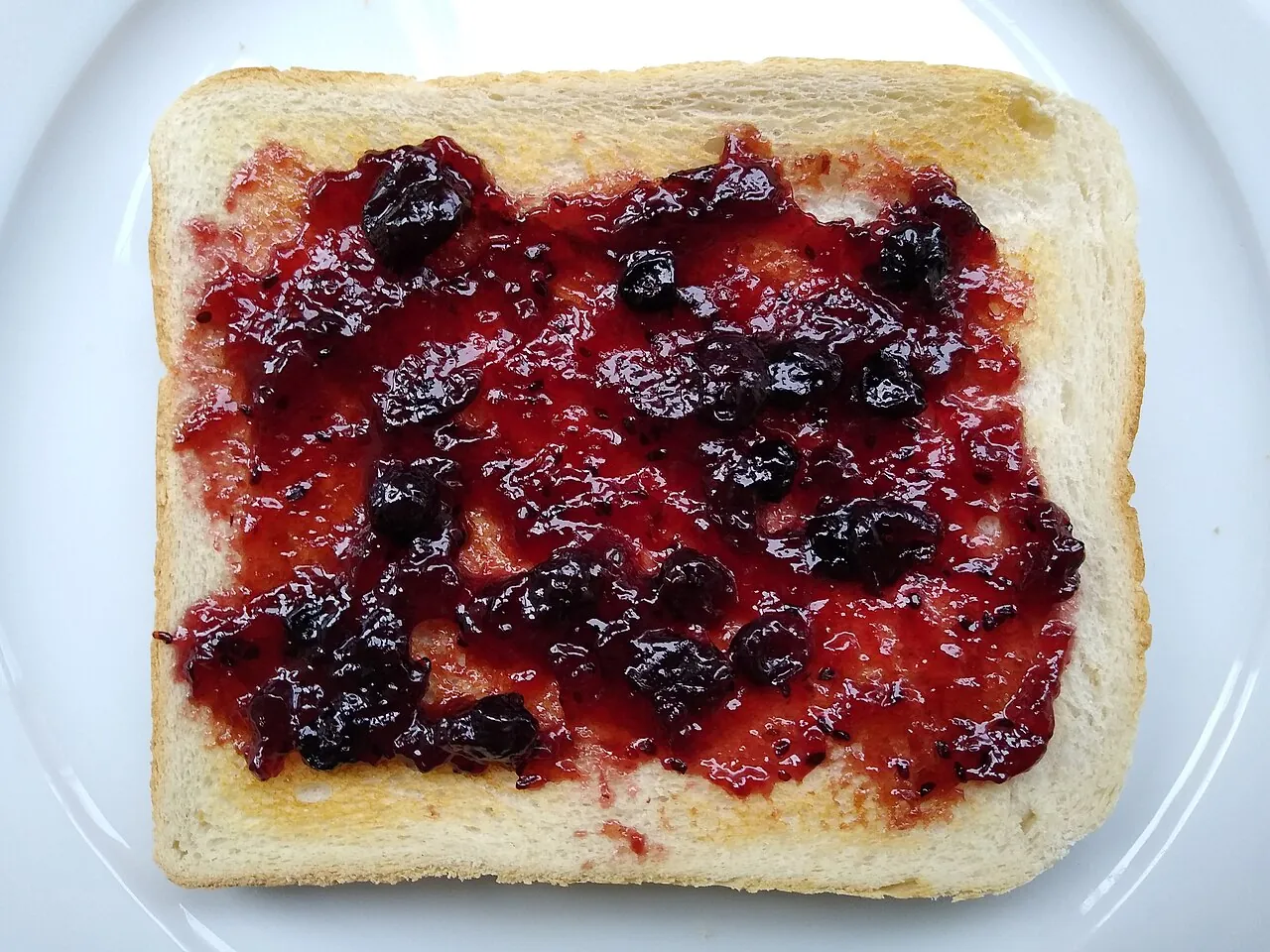
Blackcurrants have a strong, pine-like flavor, which is why they’re so often turned into jam, juice and syrup rather than eaten out of hand.
Blackcurrants have a strong, pine-like flavor, which is why they’re so often turned into jam, juice and syrup rather than eaten out of hand.
Choose, ripen, store, eat
1ChooseDeep purple-black
Look for
- Deep purple-black
- Firm
- Detaches easily
Look for deep purple-black color, and check flavor, firmness and how easily berries detach. For fresh eating, ask which variety is offered — some are bred for processing rather than raw eating.
2RipenFor jam, pick fruit slightly short of full ripeness, when natural pectin is higher
For jam, pick fruit slightly short of full ripeness, when natural pectin is higher. For fresh eating, wait for full ripe flavor and texture.
3StoreFridge, blackcurrants
- FridgeBlackcurrants
Refrigerate blackcurrants; plain cold storage keeps them well without special treatment.
4EatBerries
Eat
BerriesThe berries go into jams, syrups and wines.
More tips
Worth knowing
- The blackcurrant varieties best for processing aren't always the best for eating fresh; acidity matters.
- These varieties are worth trying in a local tasting.
Detroit, Michigan
When it’s good hereUsual monthsJust arrivedAt their bestLast chanceAll yearWhere it is in its usual monthsToday, Oct 22Grown hereIn season in your stateShips fromIn season where it grows
6 growing areas, 3 countriesUsual monthsToday, Oct 22

- Aomori
- Kent
- Lot-et-Garonne
- United Kingdom
- Vaucluse
- You
0 of 5 areas · October
Growing areas by country
- France3
- United Kingdom2
- Japan1
Ben Chaska and Ben Como are Scottish-bred blackcurrant varieties tested in Minnesota and released in 2013; the two differ in berry size and maturity timing.
128 varieties
- No variety photo yetNicola
- No variety photo yetTihope
- No variety photo yetBen Chaska
- Taste
- sweet
- No variety photo yetBen Como
- Taste
- sweet
- No variety photo yetBlackcomb
- No variety photo yetGofert
- Feel
- firm
50 names in 16 languages
- cassisroot
Cook it
Strange but trueHistoryWhere the name came fromFood and drink
If you like Blackcurrant
Tastes alike
Close relatives
Used the same way
Nutrition, sources
Nutrition
Currants, european black, raw · per 100 g
- Carbohydrate
- 15 g
- Protein
- 1.4 g
- Fat
- 0.4 g
- Vitamin C
- 181 mg
- Potassium
- 322 mg
Photos · 2
Sources
Blackcurrant · Fruitopia · checked Sep 22, 2026