Tomatillo
Also called Mexican husk tomato · Mexican groundcherryPhysalis philadelphica · Solanaceae family
A husked fruit whose best culinary stage often preserves tang rather than maximizing softness.
Find it near DetroitGet to know it
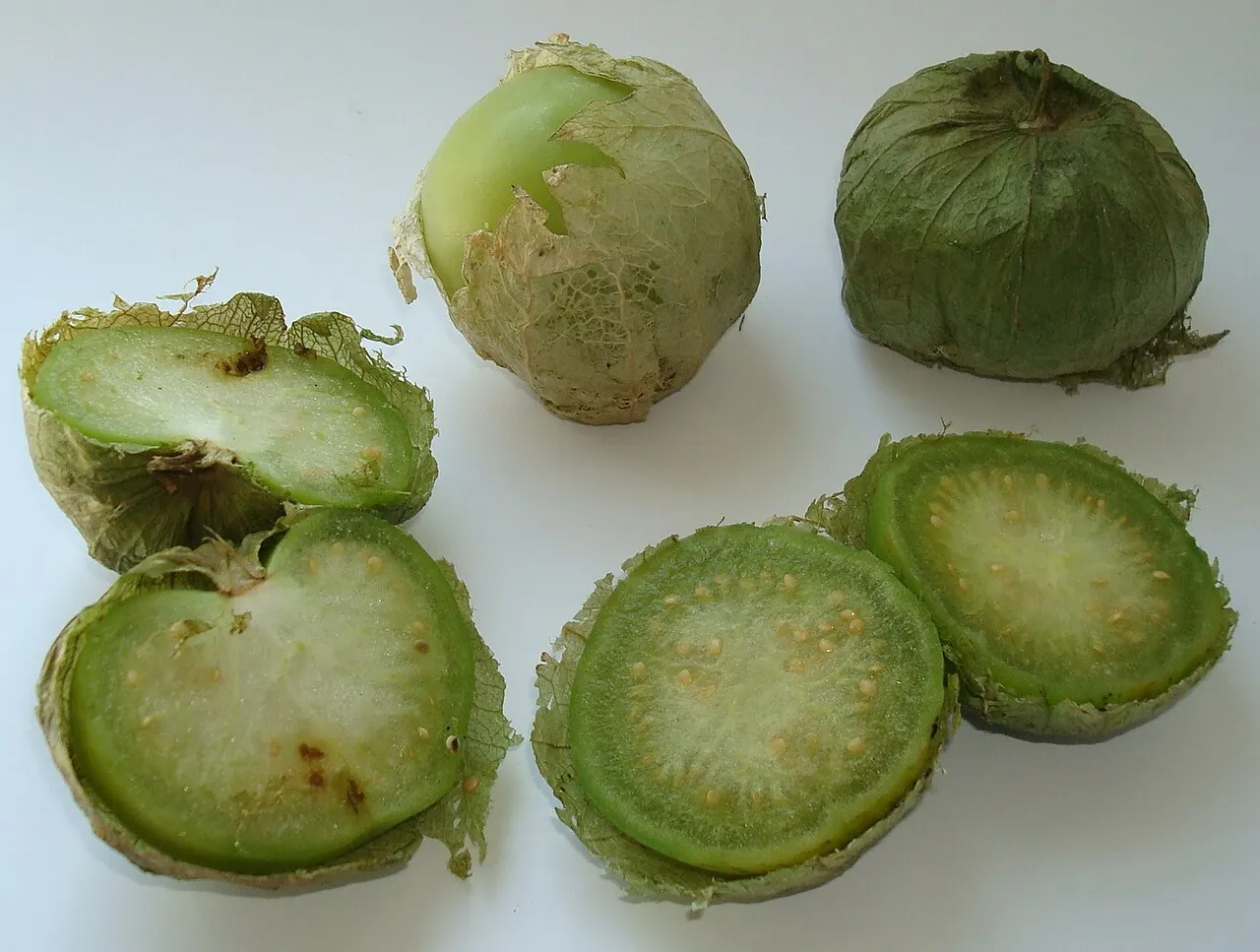
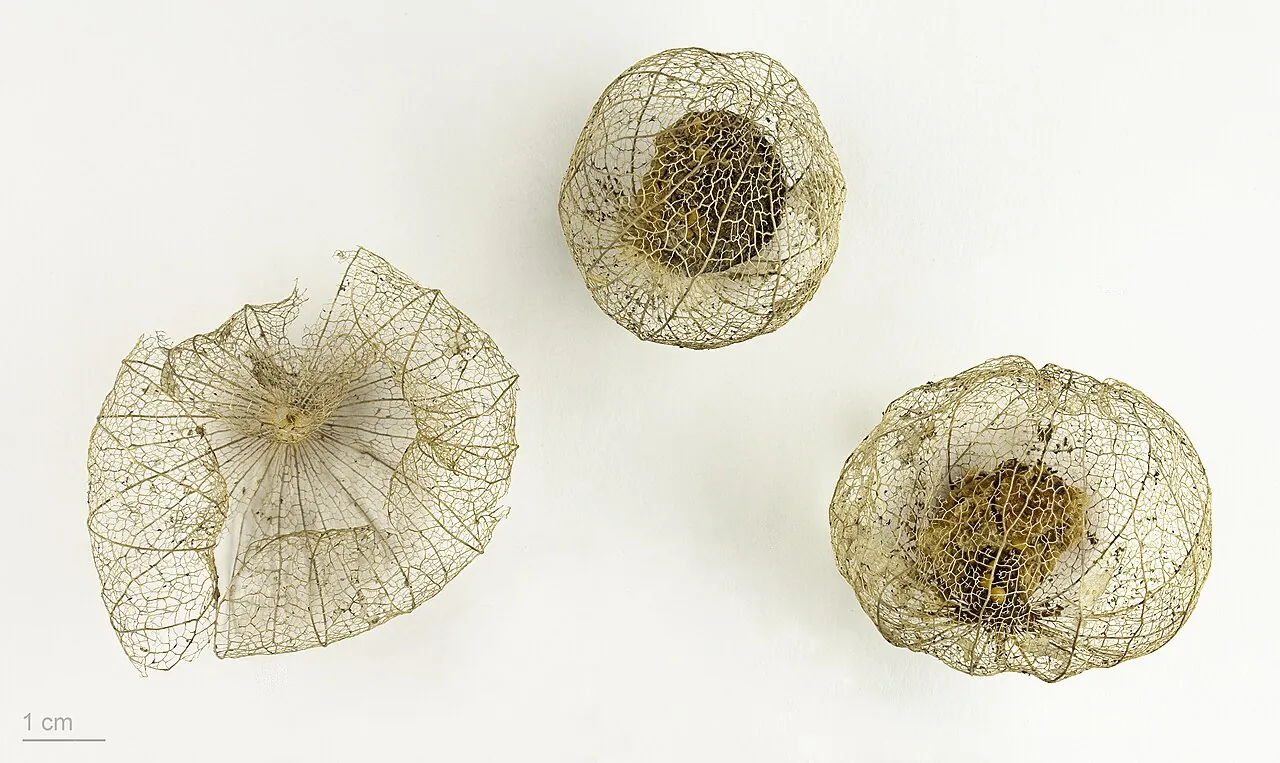
A tomatillo is a tart, citrus-tasting fruit wrapped in a papery husk. It is the green heart of Mexican salsa verde: sharp when raw, sweeter-tasting after roasting. Peel back the wrapper and the fruit underneath feels sticky.
What it is
Tomatillos are relatives of tomatoes in the nightshade family. The round fruit commonly measures 2.5–5 cm (1–2 in) across, with pale yellow flesh and many small seeds. Green is the familiar colour, but there are yellow, red and purple forms too.
For a sharp green salsa, the useful stage is firm fruit that fills its husk. As green varieties change colour and soften, their tang fades. Purple and Purple De Milpa have a sweeter balance, with some tartness still there.
Where it comes from
Tomatillos come from Mexico and Central America. They were a staple for the Aztec and Maya, and remain a familiar market fruit in Mexico and the highlands of Guatemala. Their travels also reached India: they arrived in the 1950s and were grown in Rajasthan, in the northwest.
How it's eaten where it grows
In Mexico, salsa verde puts the tomatillo’s acidity beside green chiles. For a roasted version, the fruit, garlic and chiles cook on a comal, a flat griddle, until browned. Blending them with the cooking juices, then adding chopped white onion and cilantro, makes a sauce with some texture.
Roasting gives the fruit a sweeter balance; flecks of charred skin stay in the salsa. Before cooking, the papery husks come off and a rinse removes the sticky coating underneath.
How it's grown
Tomatillos grow as a warm-season annual, started from seed indoors and transplanted outside after frost. They need sun and soil that drains well. Their sprawling stems suit a cage or trellis, and the plants keep producing until the first frost.
Growing several plants helps them set fruit. Pollen exchanged between two different varieties gives better results than relying on one plant alone.
When and where you'll find it
In the US Midwest, the harvest usually begins in late July and continues until autumn frosts. Some grocery stores carry fresh tomatillos in the produce section, usually the bright green kind; farmers’ markets can have other colours too. Whole canned tomatillos and jars of salsa verde are other ways the fruit reaches shops.
Sources · 6
- Morton, Fruits of Warm Climates (1987)hort.purdue.edu
- NC State Extension Gardener Plant Toolboxplants.ces.ncsu.edu
- Rick Baylessrickbayless.com
- South Dakota State University Extensionextension.sdstate.edu
- University of Illinois Extensionextension.illinois.edu
- University of Minnesota Extensionextension.umn.edu
Get it near Detroit
What it tastes like
Softer than a pear, as tart as a kiwifruit≈
More about the taste
Tomatillo is tart and citrus-like, with flavor varying by variety. Green types can lose their characteristic tang as they change color and soften, so softer isn't necessarily better.
Tomatillo is tart and citrus-like, with flavor varying by variety. Green types can lose their characteristic tang as they change color and soften, so softer isn't necessarily better.
Choose, ripen, store, eat
1ChooseFirm
Look for
- Firm
- Green, for a sharp salsa
On the label
- Physalis philadelphica
Yellow skin can mean a yellow variety, or a green one turning ripe: green types soften and lose their tang as they turn yellow or purple. For a sharp green salsa, choose firm green fruit.
2RipenRipens after picking
Ripens after pickingTomatillo continues to ripen after picking, though a very immature fruit still won't reach the same quality as one picked closer to maturity.
3StoreFridge, husks on
- FridgeHusks onPaper bag
Keep the husks on, allow ventilation, and store in a paper bag in the refrigerator for about one to two weeks.
4EatFruit · not husk, leaves, stems
Eat
FruitNot eaten
HuskLeavesStemsRemove the papery husk and eat the fruit; leaves and stems aren't eaten.
Detroit, Michigan
When it’s good hereUsual monthsJust arrivedAt their bestLast chanceAll yearWhere it is in its usual monthsToday, Oct 22Grown hereIn season in your stateShips fromIn season where it grows
1 growing area, 1 countryUsual monthsToday, Oct 22

- Ohio
- You
1 of 1 areas · October
Tomatillo is used in salsa, soups, stews and meat dishes, including Mexican salsa verde and moles.
21 names in 10 languages
- Miltomatesroot
- 黏果酸漿Chinese
Cook it
Strange but trueHistoryScienceWhere the name came fromFood and drink
If you like Tomatillo
Tastes alike
Close relatives
Same plant family
Sources
Sources
Tomatillo · Fruitopia · checked Oct 2, 2026
- extension.sdstate.edu
- fruteriamontero.mx
- inspiredtaste.net
- murrayhillfarm.com
- plants.ces.ncsu.edu
- rickbayless.com
What we don't know yet
Some variety names sold as tomatillo overlap with groundcherry marketing.