Cocona
Solanum sessiliflorum · Solanaceae family
A fruit whose firm outer flesh and tart jelly-like center offer different textures.
Find it near DetroitGet to know it
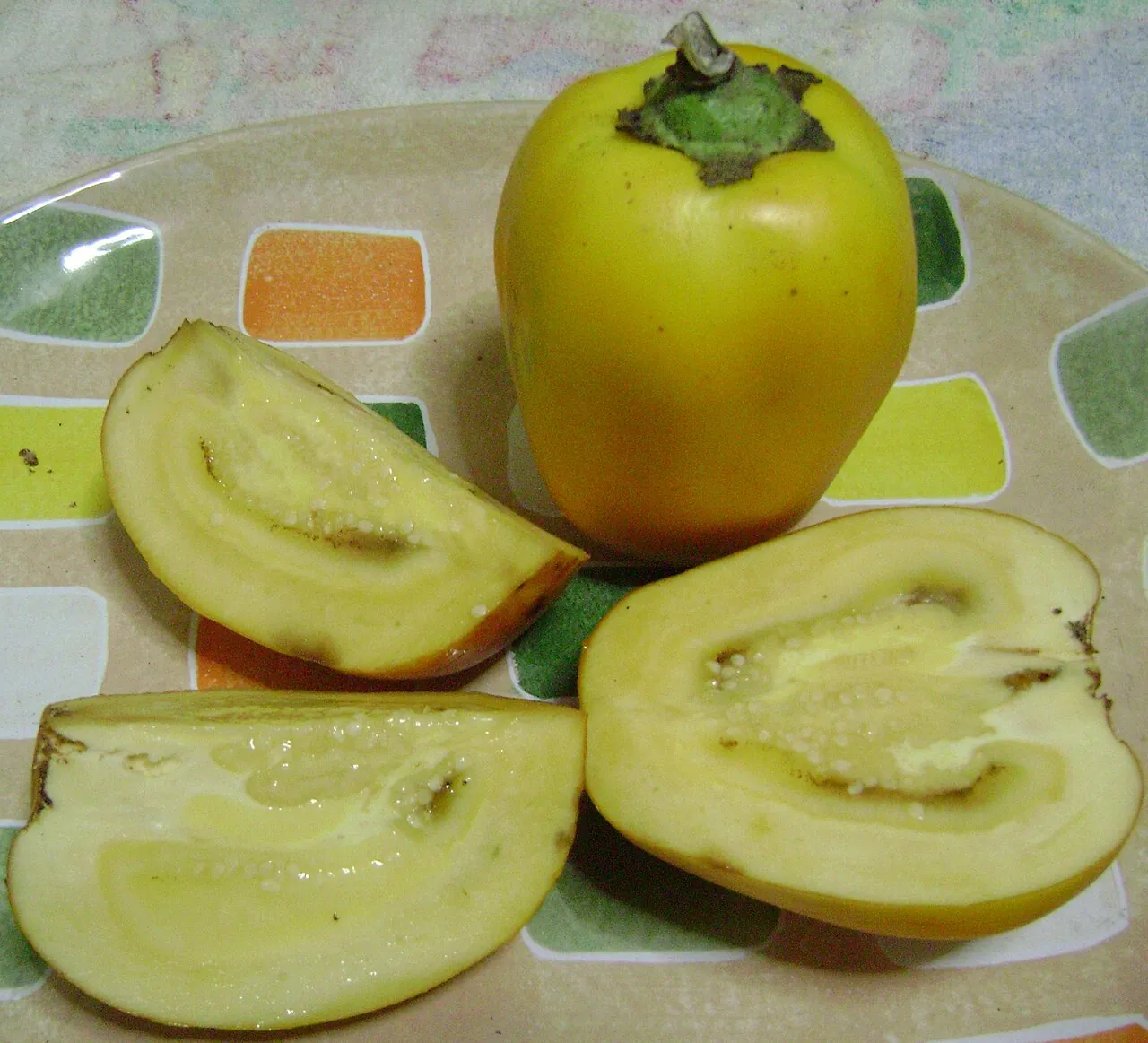
Cocona is a South American fruit with two textures in one bite: firm, cream-coloured flesh around a yellow, jelly-like centre. The outer flesh tastes mildly of tomato; the middle has the sharpness of lime. In the Peruvian Amazon, it goes into both cold drinks and a chilli sauce.
What it is
Cocona belongs to the nightshade family. The fruit can be round or elongated, measuring 2.5–10 cm (1–4 in) long. Its skin turns yellow, orange or red as it ripens, losing the slightly prickly fuzz that covers younger fruit.
The skin tastes bitter. Inside, a firm wall of pale flesh surrounds the softer, more acidic centre. Thin, flat seeds fill that central pulp, but you barely notice them when eating it.
Where it comes from
Cocona comes from tropical South America, with a native range covering Brazil, Colombia, Peru, Ecuador and Venezuela. It was a garden fruit by 1760, when a Spanish surveyor found it growing alongside maize and beans in an Indigenous garden near the Orinoco. Around Manaus in Brazil, its name is cubiu.
Today small farms grow it across the Peruvian Amazon, in Loreto, San Martín, Ucayali, Huánuco, Junín, Pasco, Ayacucho, Madre de Dios and Amazonas.
How it's eaten where it grows
In the Peruvian Amazon, ají de cocona mixes peeled, diced fruit with charapita chillies, onion, citrus juice and cilantro. The sharp, hot sauce accompanies tacacho con cecina, a dish of mashed roasted plantain and smoked meat, as well as patacones and juane.
Jugo de cocona takes the fruit in a sweeter direction. Halved coconas boil gently with cinnamon and cloves for about 45 minutes, then cool before blending. The juice is strained, sweetened with sugar and served cold.
How it's grown
Cocona grows on a branching shrub about 2 m (6½ ft) tall, in full sun and soil that drains well. A plant can set fruit with its own pollen, although bees also carry pollen between flowers.
In Tingo María, Peru, the first harvest usually starts five or six months after transplanting, followed by picking about every fifteen days. Workers cut fruit from the branches with pruning shears.
When and where you'll find it
In the Peruvian Amazon, cocona can be harvested all year, and staggered plantings keep fruit coming. Fresh cocona is sold in markets across the Latin American areas where it grows.
It also comes as packaged pulp for drinks and desserts. In Peru, one such pulp is made from coconas grown around Pozuzo and Oxapampa and sold in 250 g (8.8 oz) packs.
Sources · 6
- ADRA Perú, Supuko Mikuyrecetariosupukomikuy.adra.org.peOther pages2
- Instituto de Investigaciones de la Amazonía Peruana, Cultivo de coconarepositorio.iiap.gob.pe
- Morton, Fruits of Warm Climates (1987)hort.purdue.edu
- National Parks Board, Singaporenparks.gov.sg
- Productos Bulyproductosbuly.com
- Romina Avila, Recetas El Periódicorecetas.elperiodico.com
Get it near Detroit
What it tastes like
Softer than a pear, as tart as a kiwifruit≈
More about the taste
Cocona has firm cream-colored flesh with a mild tomato-like taste, surrounding a yellow, jelly-like center with lime-like acidity. The skin is bitter.
Cocona has firm cream-colored flesh with a mild tomato-like taste, surrounding a yellow, jelly-like center with lime-like acidity. The skin is bitter.
Choose, eat
1ChooseLoses prickly fuzz
Look for
- Loses prickly fuzz
Ignore
- Color alone
Ripe fruit loses its slight prickly fuzz; skin color varies widely between forms.
2EatPeeled ripe fruit · not peel
Eat
Peeled ripe fruitNot eaten
PeelPeeled ripe fruit is eaten fresh, added to salads or cooked in meat stews. It's also juiced, candied and pickled.
Detroit, Michigan
When it’s good hereUsual monthsJust arrivedAt their bestLast chanceAll yearWhere it is in its usual monthsToday, Oct 22Grown hereIn season in your stateShips fromIn season where it grows
7 names in 5 languages
- cubiuroot
- 可納果Chinese
Cook it
Strange but trueHistoryScienceNatureCustoms and culturePeople
If you like Cocona
Tastes alike
Close relatives
Same plant family
Used the same way
Sources
Photos · 2
DtarazonaPublic domain 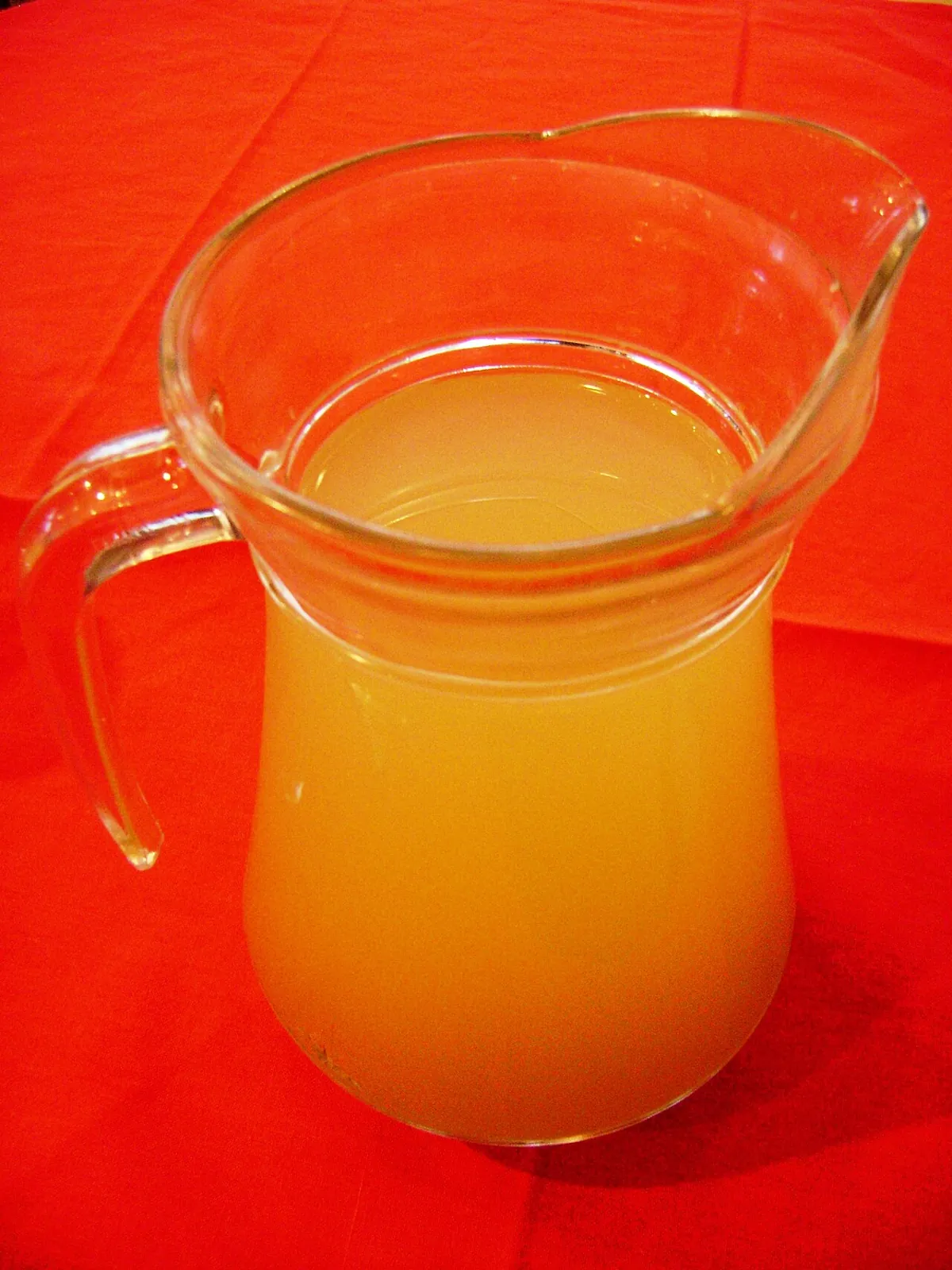
DtarazonaCC BY-SA 3.0
Sources
Cocona · Fruitopia · checked Oct 2, 2026