Cambuci
Campomanesia phaea · Myrtaceae family
A green fruit with a sweet aroma and enough acidity to transform a preserve.
Find it near DetroitGet to know it
Cambuci is a green, saucer-shaped fruit from Brazil’s Atlantic Forest, with creamy flesh and a sharpness like lemon. Its aroma leads into a sour bite: in São Paulo, that flavour goes into cachaça, cakes and fragrant jam.
What it is
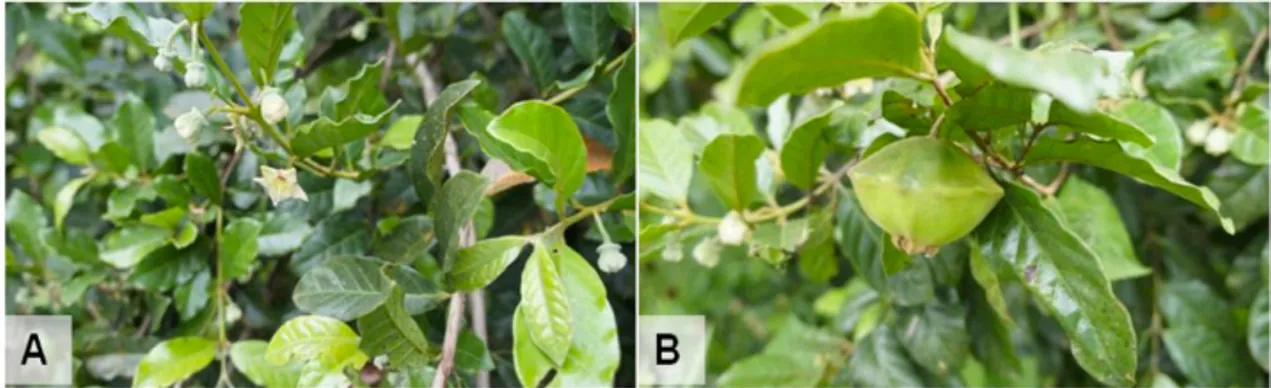
About 6 cm (2.4 in) across, a cambuci looks like a little flying saucer. Inside is juicy, creamy flesh with a few seeds. It has a little sweetness, but acidity leads the flavour.
The thin skin stays green as the fruit ripens, turning only a little lighter or more yellowish. You know a cambuci is ripe when it softens and starts falling from the branches.
Where it comes from
Cambuci, Campomanesia phaea, belongs to the myrtle family. It is native to the Atlantic Forest, with trees in Minas Gerais, Rio de Janeiro and São Paulo. Overexploitation once left it threatened with extinction; today it's grown mainly in São Paulo, Minas Gerais and the Serra do Mar.
Around São Paulo's Serra do Mar, the Rota do Cambuci works with family farmers to bring back growing and eating it. The route links food festivals and visits in places including São Paulo, Rio Grande da Serra and Santo André.
How it's eaten where it grows
Cambuci isn't an easy fruit to eat raw, so since colonial times it has flavoured cachaça. In São Paulo it also goes into juice, cakes, truffles and jam. Geleia de cambuci starts with frozen pulp warmed in a pan, then stirred with sugar until it thickens.
Along the Rota do Cambuci, cooks use it in anything from a simple vinaigrette to a cheesecake topped with the fragrant jam.
How it's grown
The tree reaches about 3–6 m (10–20 ft) and suits cool subtropical conditions. Its large white flowers usually appear from August to November and draw many birds. Cambuci is also planted as an ornamental tree in gardens and along streets.
When and where you'll find it
In São Paulo state, cambuci usually ripens from late summer into autumn. In Paranapiacaba, the harvest starts around April, when the village holds its cambuci festival, and the Caminhos do Cambuci fair fills the Antigo Mercado on weekends and holidays.
Frozen pulp is the other way to meet it: Agro Asmussen lists organic cambuci pulp in 1 kg packs. That's the form used for geleia de cambuci, melted straight into the saucepan.
Sources · 9
- Agro Asmussenagroasmussen.com.br
- Capital Mudas, reproducing Toda Frutacapitalmudas.com.br
- Instituto Auáinstitutoaua.org.br
- Instituto Auá, Cambuci Harvest Campaigninstitutoaua.org.br
- Prefeitura de Ibiúnaibiuna.sp.gov.br
- Prefeitura de Santo Andréweb.santoandre.sp.gov.br
- Prefeitura de São Pauloprefeitura.sp.gov.br
- Slow Food Brasilslowfoodbrasil.org.br
- University of São Paulo, ESALQ Casa do Produtor Ruralcasadoprodutorrural.com.br
Get it near Detroit
What it tastes like
Softer than a pear, sweeter than a grapefruit≈
More about the taste
Cambuci has a sweet smell alongside strong acidity. Fruit from different named types varies in acidity and sweetness.
Cambuci has a sweet smell alongside strong acidity. Fruit from different named types varies in acidity and sweetness.
Choose, eat
1ChooseSoftens and detaches from tree
Look for
- Softens and detaches from tree
Mature cambuci softens and detaches from the tree while still green-skinned.
2EatPulp
Eat
PulpFrozen cambuci pulp, gently melted before adding sugar, works when whole fruit isn’t available.
Detroit, Michigan
When it’s good hereUsual monthsJust arrivedAt their bestLast chanceAll yearWhere it is in its usual monthsToday, Oct 22Grown hereIn season in your stateShips fromIn season where it grows
1 growing area, 1 countryUsual monthsToday, Oct 22

- São Paulo
- You
Cambuci growers often sell artisan products through informal, trust-based networks and exchange growing knowledge with each other.
Cook it
Strange but trueHistoryWhere the name came from
If you like Cambuci
Tastes alike
Used the same way
Sources
Sources
Cambuci · Fruitopia · checked Oct 2, 2026