Manila tamarind
Also called MonkeypodPithecellobium dulce · Fabaceae family
Curled pods hold edible arils; the Manila name does not identify the tree's native home.
Find it near DetroitGet to know it
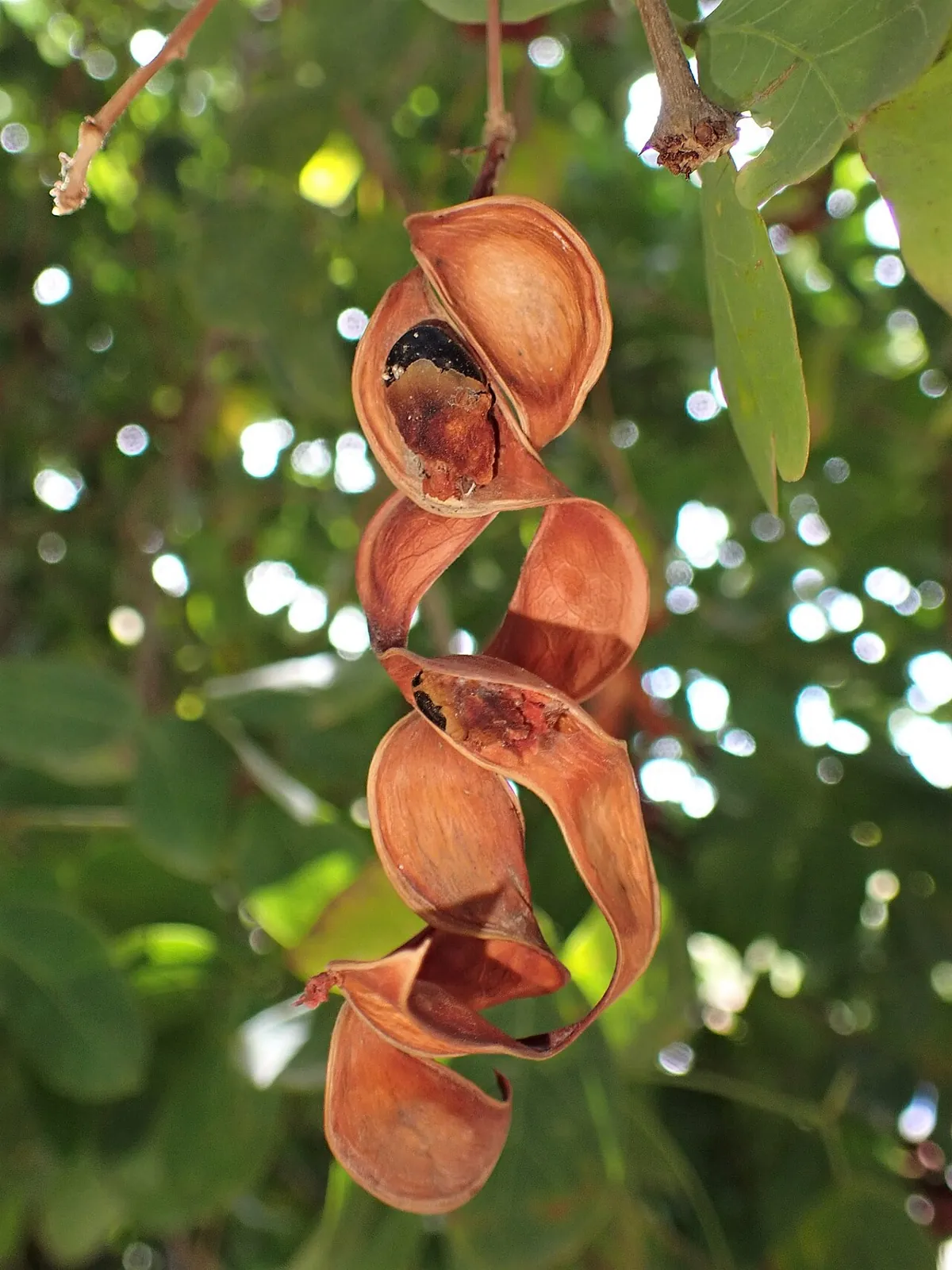
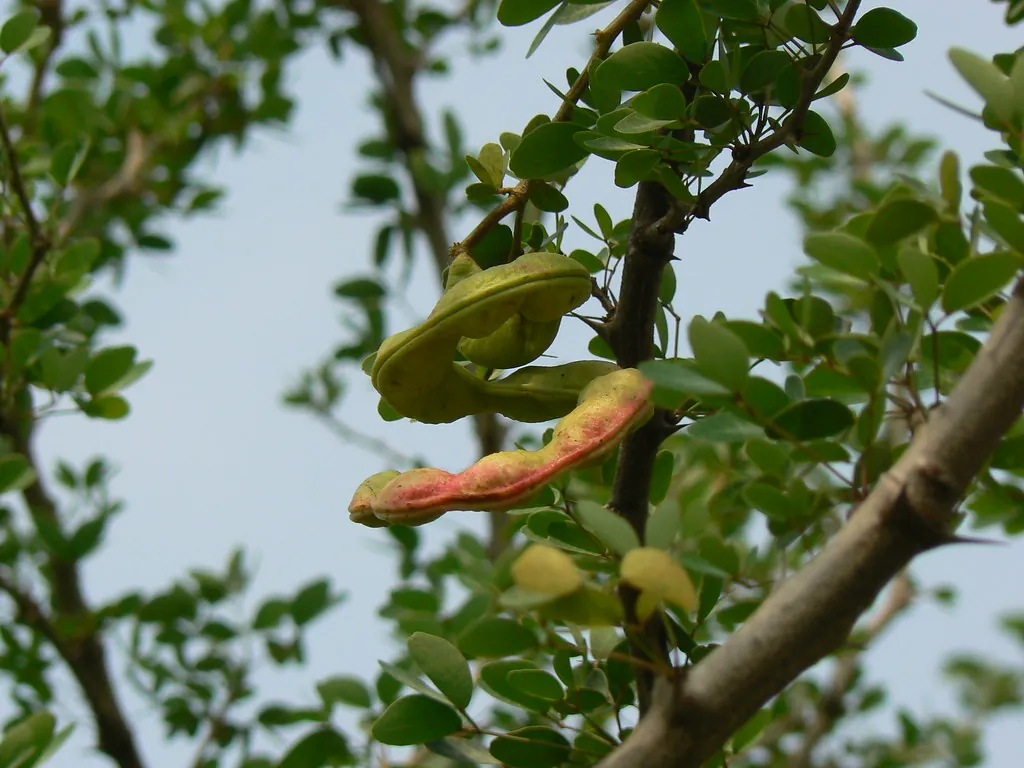
Manila tamarind comes in curling pods that open around glossy black seeds and pale, edible pulp. The pulp tastes sweet with a sour edge, and its cottony texture can leave a slight drying feeling in the mouth. In Mexico, the fruit is known as guamúchil.
What it is
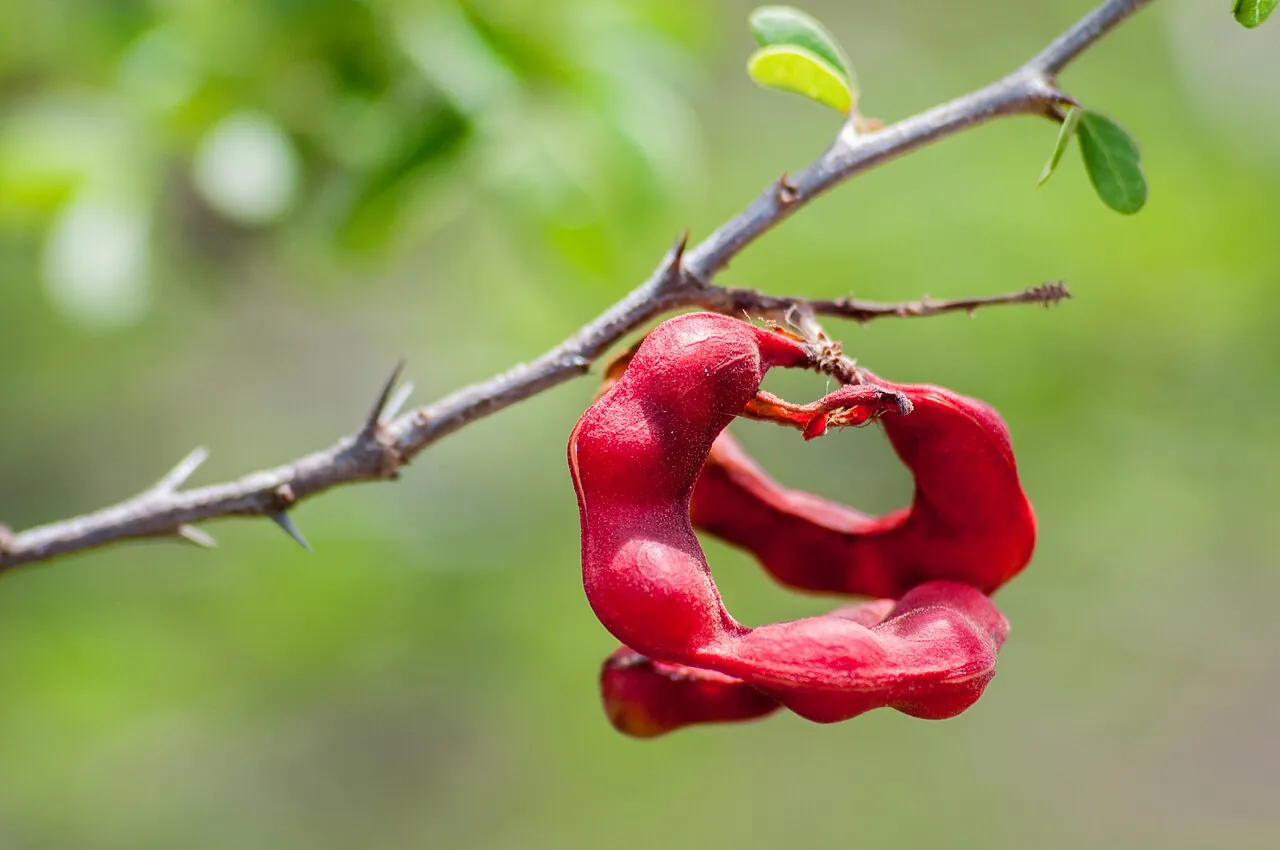
The narrow pods measure about 10–15 cm (4–6 in) long and curl as they ripen. Each holds five to ten shiny black seeds wrapped in sweet-sour pulp, usually white but sometimes red. To eat it, crack open the brittle shell, pull out the pulp and discard the seeds.
Where it comes from
Manila tamarind’s native home stretches from Mexico through Central America to Colombia and Venezuela. It now grows across the tropics, including India, Indonesia, Thailand and the Philippines.
By 1795 it was established on India’s Coromandel coast, where it received its botanical description as an introduced tree. Its Manila and Madras names belong to places it reached, rather than its American homeland.
How it's eaten where it grows
In India, the pods are a push-cart snack, peeled and eaten as you walk. They also have a place in Tamil cooking as kodukapuli kozhambu, a sour, spicy gravy. Shelled, seedless pieces simmer with onions, garlic, curry leaves and a ground spice paste; jaggery rounds out the sauce, which goes with rice.
Ordinary tamarind water goes into the sauce too, but the kodukapuli pieces are the fruit you bite into. In Mexico, Cuba and Thailand, the pulp also makes a sweet, tangy drink resembling lemonade.
How it's grown
The tree commonly reaches 10–15 m (33–49 ft), with pairs of spines at the base of its leaves. It grows from seeds or cuttings and tolerates drought, poor soil and salt, though frost damages it. Regular trimming turns its spreading growth into a dense thorny hedge that keeps livestock out.
When and where you'll find it
In the Philippines, mature fruit is usually abundant in January and February. In western Java, pods usually ripen from June to August, two to three months after flowering. Roadside stands in Mexico, Cuba and Thailand sell the pods for fresh eating.
In the US, Miami Fruit, a specialist online seller, lists the fresh pods as guamuchil, Manila tamarind and Madras thorn. The part you eat is the pulp inside each pod, with the black seeds removed.
Get it near Detroit
Sell fruit online? Add your business
What it tastes like
Softer than a pear, as sweet as a kiwifruit≈
More about the taste
The thick pulp is sweetish but also acidic, and is eaten raw or made into a drink.
The thick pulp is sweetish but also acidic, and is eaten raw or made into a drink.
Choose, eat
1ChoosePods curl
Look for
- Pods curl
- Reddish-brown pods
Ignore
- Pod color alone
As pods mature they curl and turn reddish-brown; the best aril texture and flavor show inside, not in the pod color.
2EatArils · not shells, seeds
Eat
ArilsNot eaten
ShellsSeedsFor kozhambu, shell the pods and remove the seeds to get the arils. Tamarind water is a separate ingredient in the dish — substituting ordinary tamarind for the arils changes it.
Detroit, Michigan
When it’s good here
Season not documented for Michigan.
1 growing area, 1 countryUsual monthsToday, Oct 23

- West Java
- You
0 of 1 areas · October
Pods are sold at roadside stands in Mexico, Cuba and Thailand. The tree also serves as a living fence, fodder crop and fuelwood — the fruit comes from a multipurpose tree rather than a dedicated orchard.
24 names in 16 languages
- 牛蹄豆Chinese
- Me nướcVietnamese
Cook it
Strange but trueHistoryWhere the name came from
If you like Manila tamarind
Tastes alike
Same plant family
Sources
Sources
Manila tamarind · Fruitopia · checked Sep 22, 2026
- apps.worldagroforestry.org /treedb/AFTPDFS/Pithecellobium_dulce.pdf
- flickr.com /photos/91314344@N00/581504044
- hort.purdue.edu /newcrop/duke_energy/Pithecellobium_dulce.html
- miamifruit.org /products/guamuchil-manila-tamarind-madras-thorn
- paticheri.com /2021/04/09/kodukapuli-kozhambu-bucket-rasam/
- sandyathome.com /konakka-sweet-pachadi-manila-tamarind-revival-recipe/