Safou
Dacryodes edulis · Burseraceae family
An oil-rich African fruit whose preparation centers on softening the pulp and protecting it from bruising.
Find it near DetroitGet to know it
Safou is a blue-purple African fruit with tangy flesh that turns soft and buttery when heated. In Cameroon, it cooks over glowing coals beside maize and plantains: a savoury snack with a large stone at its centre.
What it is
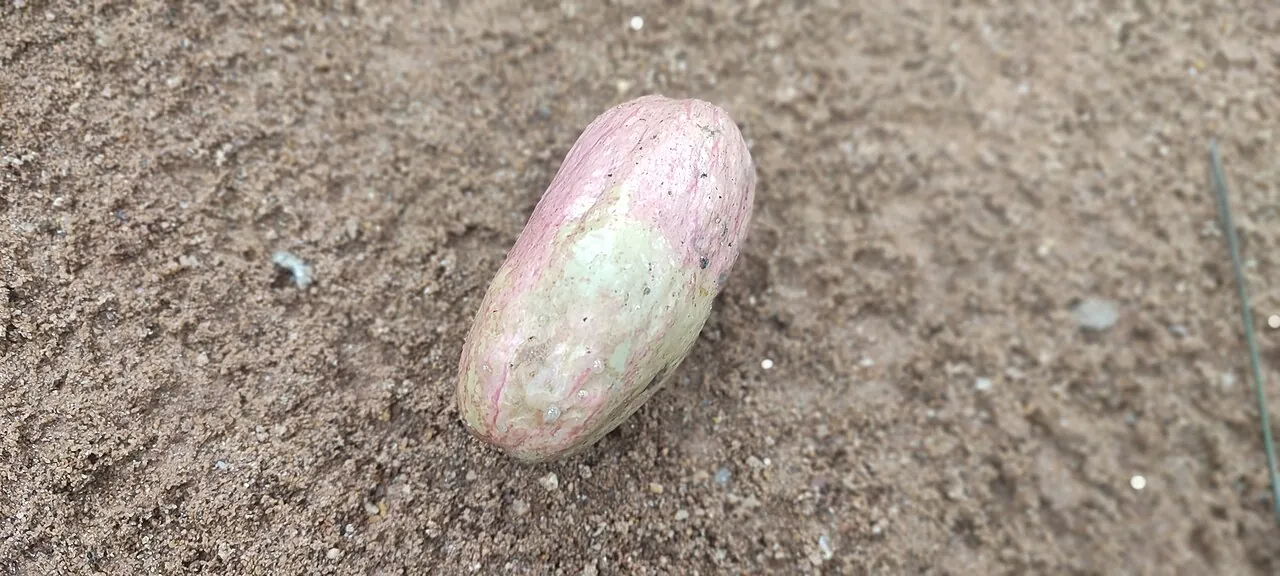
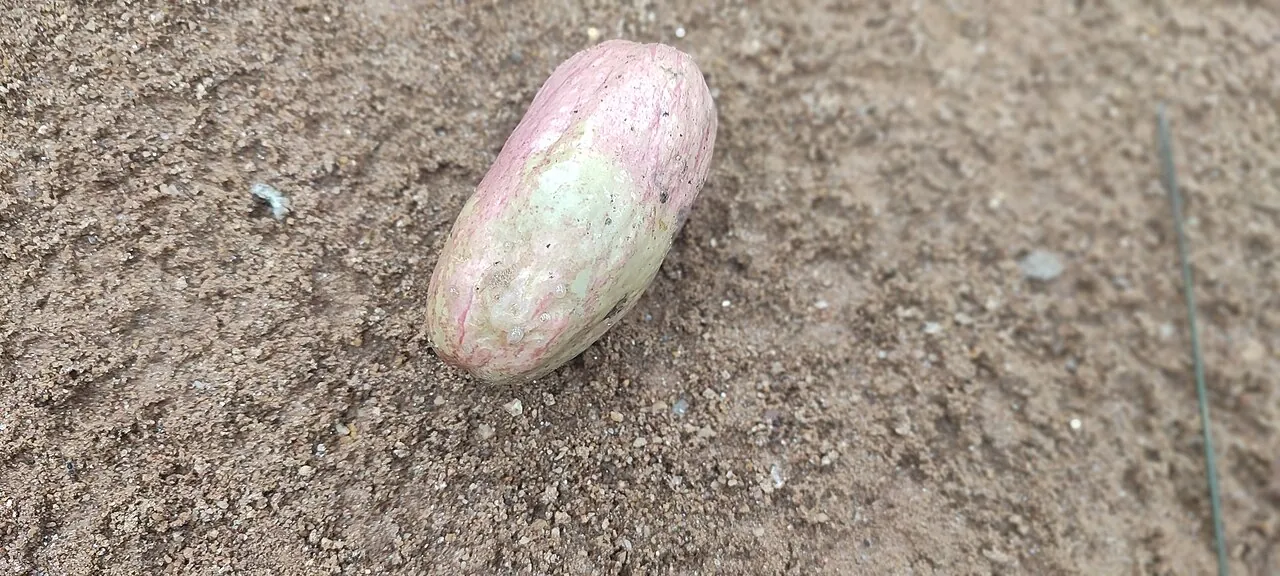
Safou is also called African pear or African plum, although it is unrelated to the plums of temperate orchards. The elongated fruit is usually 4–12 cm (1.6–4.7 in) long, with a single seed. Pink skin deepens to navy blue, purple or black as it ripens.
The flesh forms a thin layer around the stone and turns whitish or greenish when cooked. Its sharpness can be strong. Milder fruits have a gentle aftertaste reminiscent of artichoke or Jerusalem artichoke, and once cooked the flesh turns melting and buttery.
Where it comes from
Safou comes from the countries around the Gulf of Guinea. It grows along the Atlantic side of Africa from Sierra Leone to Angola, and inland as far as Uganda. In southeastern Nigeria and Cameroon, trees grow in home gardens and among other crops. Their crowns also shade coffee and cocoa plantations.
How it's eaten where it grows
In Cameroonian villages, safou warms gently in the ashes of the cooking fire until its skin splits and oil beads on the surface. It goes with boiled cassava. City street grills pair it with maize or plantains.
Sauce aux prunes fries the fruit with tomatoes, onions and chillies. Another preparation, caviar de safou, mixes the softened flesh with tomato, onion and celery. The stone comes out before the flesh joins the vegetables.
How it's grown
Safou is normally raised from seed taken fresh from the fruit, and a young tree takes about four to six years to start flowering. Most trees carry only male or only female flowers. About 80% of the insects that visit them are bees. Fruit takes about five months to mature after flowering.
Picked fruit is softened before eating, either by 2–3 minutes in boiling water or by heating over embers or a hot plate.
When and where you'll find it
In Cameroon, safou usually appears in markets from June through September, piled in heaps or trays. Fresh fruit spoils within a few days; dried safou extends the season. Outside Africa, African grocers and markets in big cities, such as Château Rouge in Paris, sell it, most often frozen.
Get it near Detroit
What it tastes like
As soft as a banana, sweeter than a grapefruit≈
More about the taste
Cooked safou can have melting, buttery flesh around its large stone, with acidity that varies from fruit to fruit. Writing from Cameroon, Aurore Rimlinger compares its gentler aftertaste to artichoke or Jerusalem artichoke.
The pulp is oil-rich, with fruit size, color, shape and composition varying considerably.
Choose, ripen, store, eat
1ChoosePink to bluish color change
Look for
- Pink to bluish color change
Harvest readiness shows as a color change, usually from pink to bluish. Bruised fruit softens unevenly and decays quickly, so handle it gently.
2RipenSafou can soften naturally, or the pulp can be softened with heat, as many cooks do
Safou can soften naturally, or the pulp can be softened with heat, as many cooks do.
3StoreVentilated packaging, such as net bags or slotted crates, helps prevent bruising and rot, the main causes of loss
Ventilated packaging, such as net bags or slotted crates, helps prevent bruising and rot, the main causes of loss.
4EatFlesh · not skin, stone
Eat
FleshNot eaten
SkinStoneFor a savory spread, the fruit is softened in hot water, then the skin and stone are removed, leaving just the flesh to combine with vegetables. Other preparations may handle the skin differently.
More tips
Worth knowing
- Safou is good cooked, with creamy, tart flesh; tomato sauce and braising show different sides of it.
Detroit, Michigan
When it’s good hereUsual monthsJust arrivedAt their bestLast chanceAll yearWhere it is in its usual monthsToday, Oct 22Grown hereIn season in your stateShips fromIn season where it grows
Cook it
Strange but trueScienceWhere the name came fromCustoms and cultureFood and drink
If you like Safou
Tastes alike
Sources
Photos · 2
Sources
Safou · Fruitopia · checked Sep 22, 2026