Cupuacu
Also called Cupu assu · Copoasu · CupuassuTheobroma grandiflorum · Malvaceae family
An aromatic, acidic Amazonian pulp that earns its place in a dessert — and can surprise you in a savory sauce.
Find it near DetroitGet to know it
Cupuaçu is an Amazonian relative of cacao with a hard brown shell and thick, pale pulp that tastes sharply tart and has a strong scent. In Brazil, that pulp becomes chilled mousse and creamy biscuit desserts; the seeds make a separate chocolate-like food called cupulate.
What it is
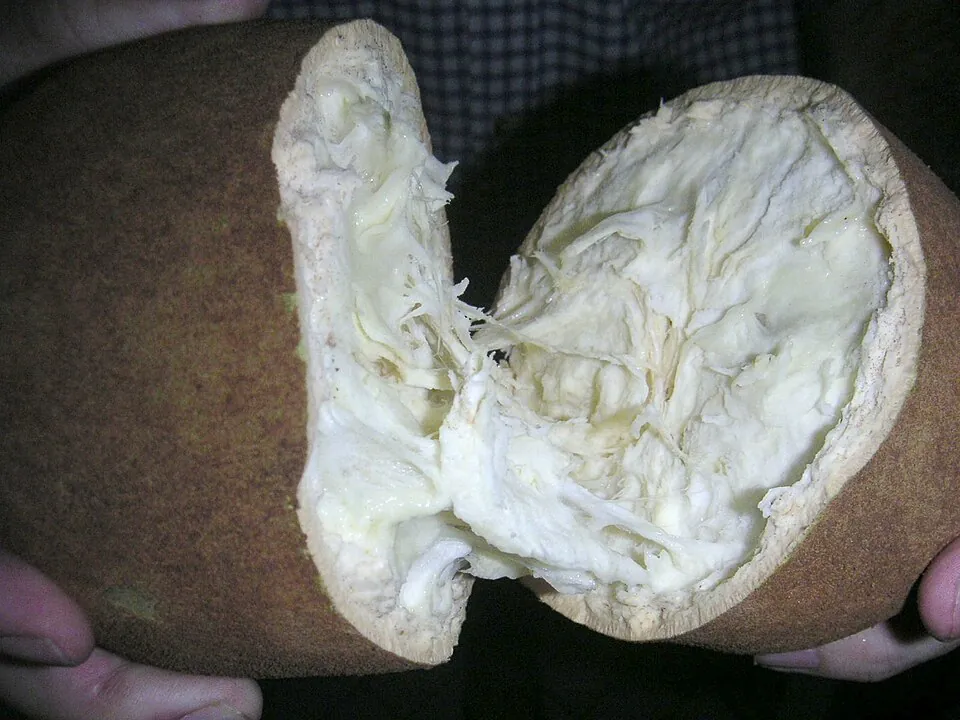
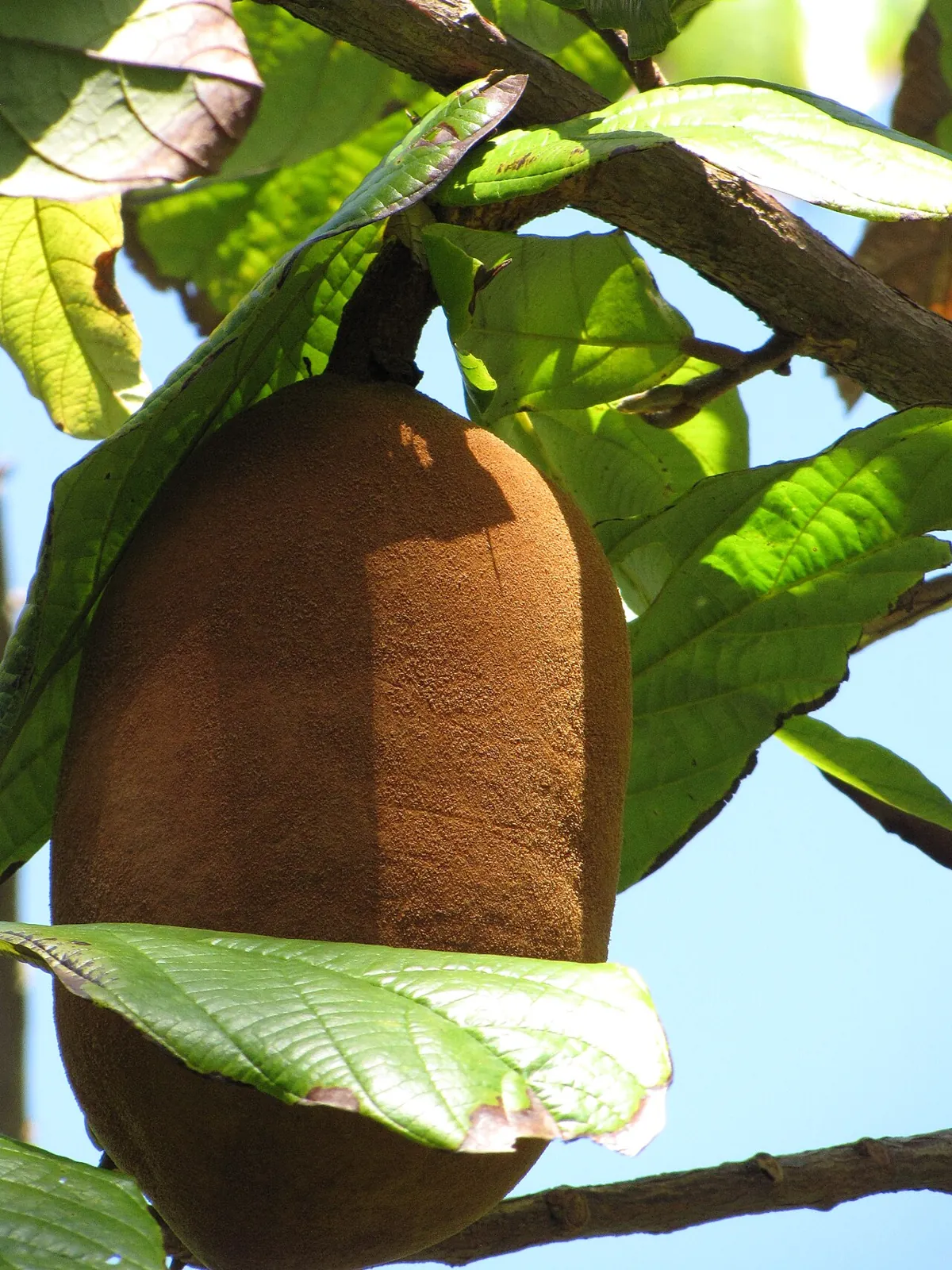
The oval fruit measures about 12–25 cm (5–10 in) long and weighs up to 1.5 kg (3.3 lb). Its woody shell wears a rusty-brown covering. Inside, abundant cream, white or yellowish pulp clings around 15 to 50 seeds, usually arranged in five rows. The pulp is thick and sticky, with a strong aroma and pronounced acidity. It is the part eaten fresh, made into drinks or turned into mousse.
Where it comes from
Cupuaçu is native to the Amazon. In Brazil it occurs in Pará and northern Maranhão, and Amazonas has a regular harvest. Its scientific name is Theobroma grandiflorum, and it belongs to the same family as cacao. It grows from sea level up to 1,000 m (3,300 ft) and thrives on river banks.
How it's eaten where it grows
In Brazil, mousse de cupuaçu blends the tart pulp with condensed milk and cream, then chills until firm. Pavê de cupuaçu puts a similar cream between layers of biscuits moistened with milk. Both turn the fruit’s sharpness into a cool, sweet dessert.
Cupuaçu also goes into savoury cooking. In pirarucu ao creme de cupuaçu, grilled fish gets a sauce of onion, fruit pulp and cream before a short spell in the oven. The sauce uses the same tart pulp as the sweets.
How it's grown
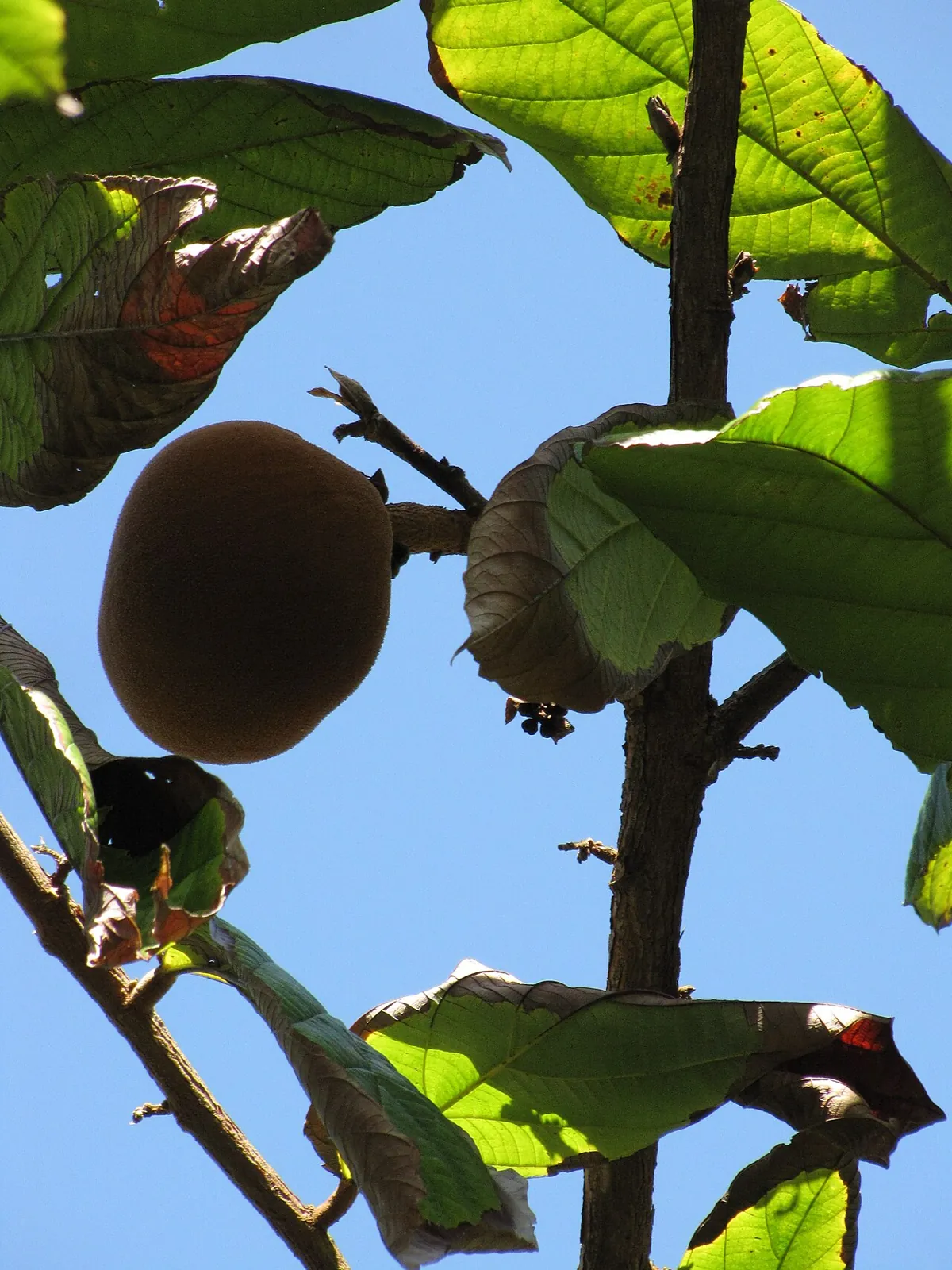
Cupuaçu is a tree of humid tropical conditions. Wild trees reach 15–20 m (50–65 ft); cultivated trees usually stay below about 8 m (26 ft). Young plants grow under shade in the nursery. The harvest begins with a fall: ripe fruit drops from the tree and is gathered from the ground.
When and where you'll find it
In Amazonas, Brazil, the crop usually runs from October through June, with its largest harvest in March. The fruit and its pulp are easiest to find in northern Brazil; elsewhere in the country, a Casa do Norte shop or an online shop may sell them.
Sources · 7
- Embrapa — Boas Práticas na Colheita e Pós-Colheita do Cupuaçu (2011)infoteca.cnptia.embrapa.br
- Embrapa — Cupuaçu harvest and postharvest (2019)infoteca.cnptia.embrapa.br
- Embrapa — Cupuaçu: produção de mudas (2008)infoteca.cnptia.embrapa.br
- FAO Ecocropecocrop.apps.fao.org
- Mahta — Larissa Ayumi Kikuchimahta.bio
- Receiteria — Jaqueline Souzareceiteria.com.br
- University of São Paulo, ESALQ — Plant Dictionaryesalq.usp.br
Get it near Detroit
What it tastes like
As soft as a banana, as tart as a kiwifruit≈
More about the taste
Cupuaçu pulp is strongly aromatic and acidic, with a flavor that pairs particularly well with chocolate.
Cupuaçu has pronounced acidity, a strong aroma and a distinctive flavor valued in drinks, frozen desserts, sweets and chocolate-covered treats.
Choose, ripen, store, eat
1ChooseNo cracks or injuries
Look for
- No cracks or injuries
- Strong, characteristic smell
For a whole fruit, avoid shells with visible damage — cracks and other injuries can affect the pulp even when the shell still looks sturdy.
2RipenDoesn’t ripen after picking
Doesn’t ripen after pickingA ripe cupuaçu has a strong, characteristic smell and falls naturally from the tree — an immature fruit won't ripen further once picked.
3StoreFreezer, purchased frozen pulp
- FreezerPurchased frozen pulpNot thawed and refrozen
Keep purchased frozen cupuaçu pulp frozen until use, and avoid thawing and refreezing it.
4EatPulp
Eat
PulpThe pulp, scooped from the shell and separated from the seeds, is the everyday cooking ingredient. The seeds are processed separately.
Detroit, Michigan
When it’s good hereUsual monthsJust arrivedAt their bestLast chanceAll yearWhere it is in its usual monthsToday, Oct 22Grown hereIn season in your stateShips fromIn season where it grows
1 growing area, 1 countryUsual monthsToday, Oct 22

- Pará
- You
0 of 1 areas · October
Cupuaçu is grown mostly by family farms and processed by small and medium regional businesses. Whole fruit serves nearby markets, while frozen pulp can travel farther without the bulky shell.
10 varieties
- No variety photo yetBRS Belém
- No variety photo yetBRS Coari
- No variety photo yetBRS Codajás
- No variety photo yetBRS Manacapuru
- No variety photo yetBRS CarecaAlso BRS 337
- No variety photo yetBRS CuringaAlso BRS 346
22 names in 12 languages
Cook it
1 Cupuacu festivalUsual monthToday, Oct 22
Strange but trueHistoryScienceCustoms and cultureFood and drink
If you like Cupuacu
Tastes alike
Close relatives
Same plant family
Sources
Sources
Cupuacu · Fruitopia · checked Sep 21, 2026