Baobab fruit
Also called Monkey bread · Common baobab · African baobabAdansonia digitata · Malvaceae family
A fruit whose ripe pulp is already dry: stir it into bouye, or discover the contrast with a peanut dressing.
Find it near DetroitGet to know it
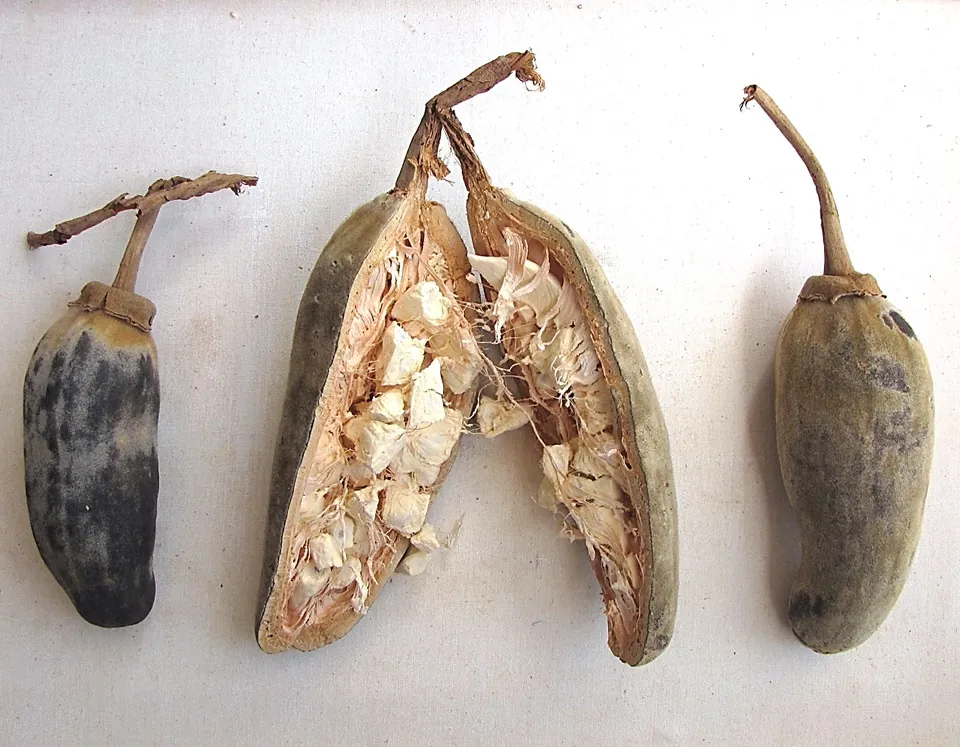
Baobab is a fruit you can drink without squeezing: its ripe pulp is already dry. Crack the furry shell and the pale, crumbly flesh inside brings a sharp, almost citrusy taste to drinks, porridge and sweets.
What it is
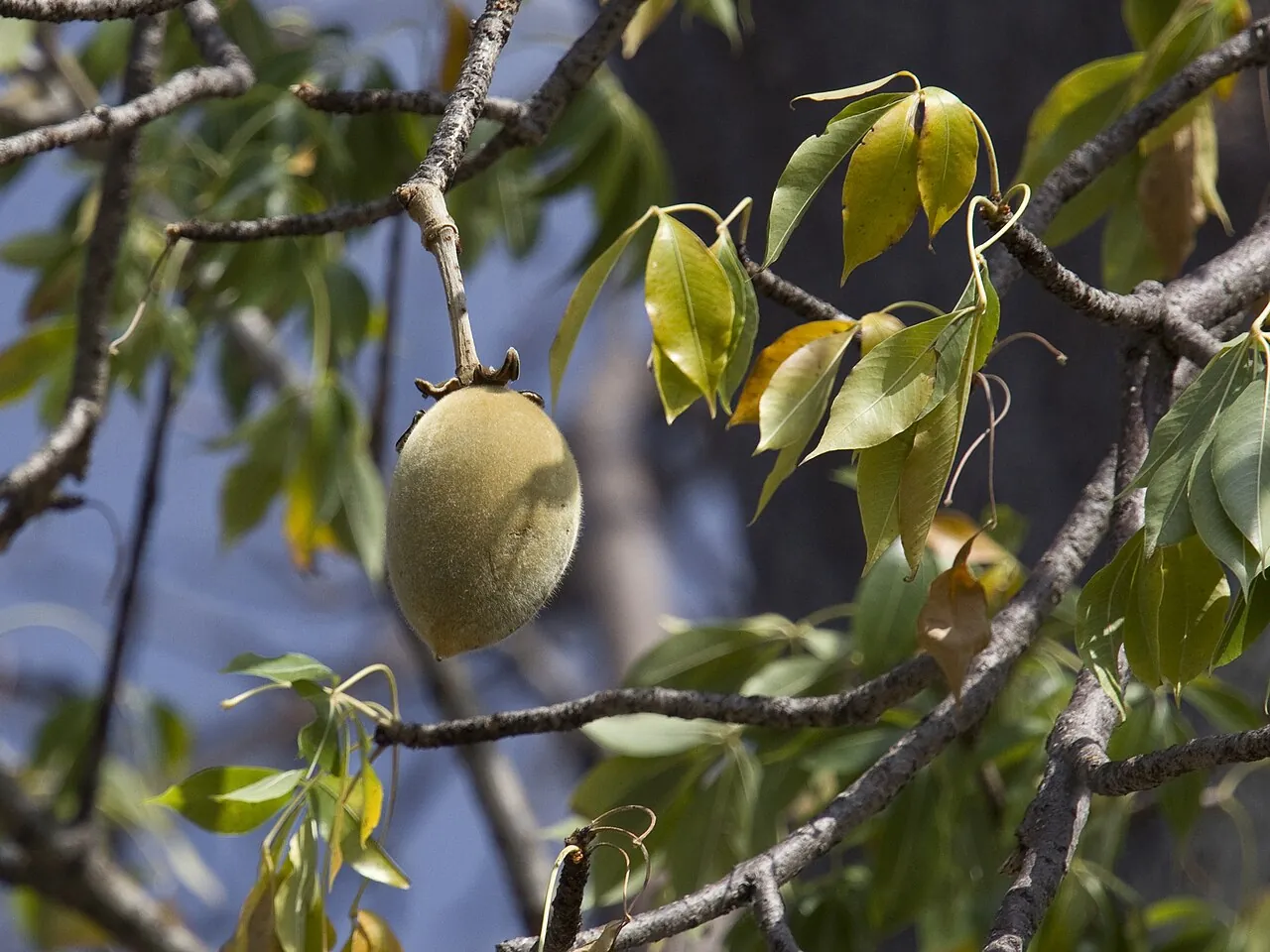
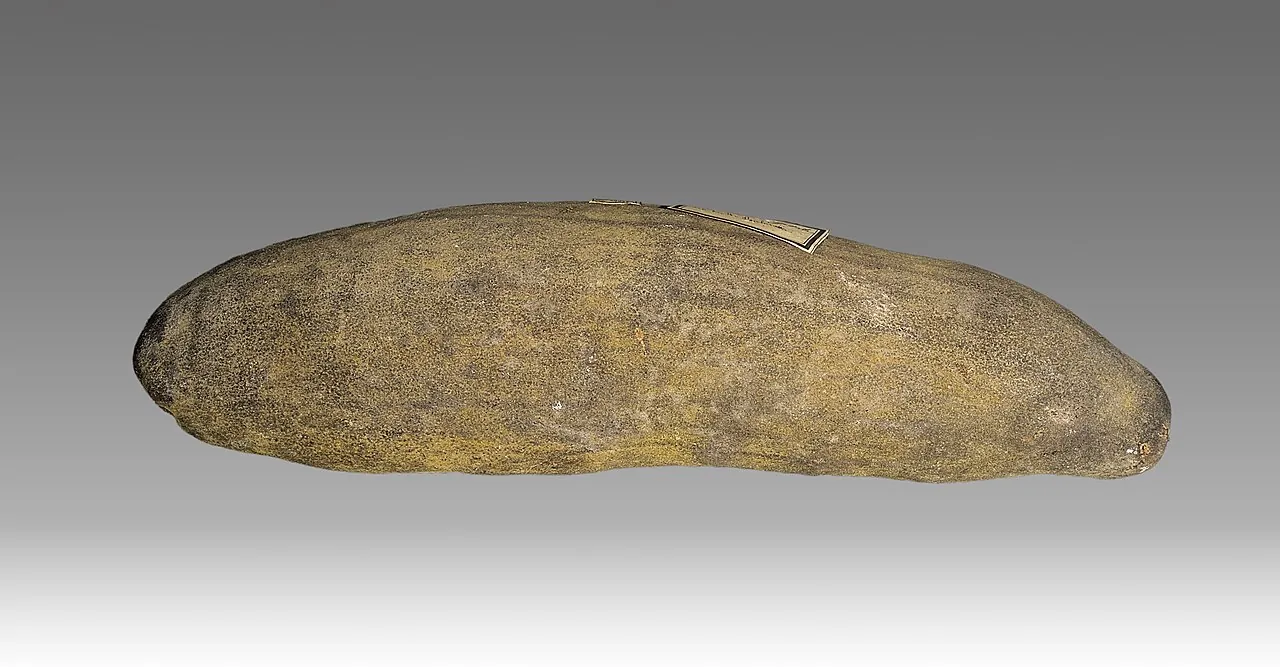
The egg-shaped fruit is 12 cm (4.7 in) long or more, with a hard shell covered in yellow-grey, velvety hairs. Inside, packets of pulp surround a cluster of seeds. The pulp is usually white, sometimes yellowish or pinkish, and becomes mealy when ripe. Its sharpness comes with a flavour reminiscent of gingerbread.
Where it comes from
The African baobab, Adansonia digitata, grows across a broad belt of Africa, including Senegal and Ghana in the west, Kenya and Tanzania in the east, and South Africa. People have also introduced it to India and Caribbean islands such as Barbados and Jamaica. Fruit for Aduna’s powder comes from northern Ghana and southern Burkina Faso.
How it's eaten where it grows
In Senegal, jus de bouye turns the dry pulp into a cool, creamy drink. One recipe mixes baobab powder with powdered milk, sugar, vanilla and water, lets it stand for an hour, then strains and chills it.
Baobab sweets sit on supermarket shelves in countries as far apart as Kenya and Mali, and children sell them to each other for pocket money. The pulp is boiled with sugar and brightened with food colouring to make the candies.
How it's grown
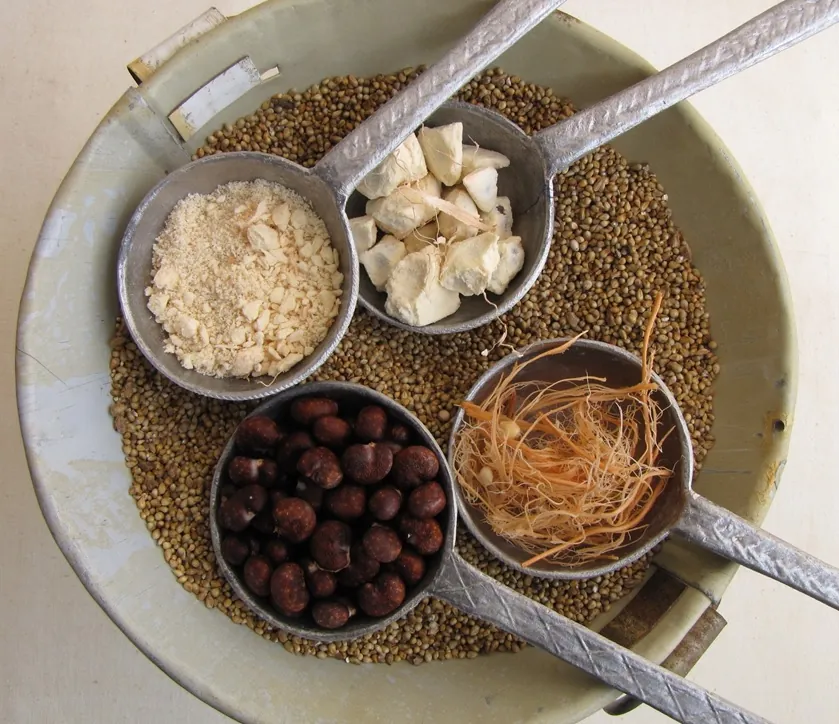
The tree belongs to African savanna woodland, where it lives through long dry periods. It needs protection from frost and waterlogged ground. Its white flowers hang down, and bats carry much of the pollen. For Aduna’s powder, the fruit is collected by hand; processors open the shells, remove the seeds, then crush and sieve the pulp. Some trees live for more than a thousand years.
When and where you'll find it
In southern Africa, fruit usually matures in April and May. Farther from the trees, baobab travels as dry pulp powder, found through African grocers, organic food shops and online specialists. Pure fruit powder stirs into water or juice, or adds a tart edge to yoghurt and porridge.
Get it near Detroit
What it tastes like
As tart as a grapefruit, as soft as a blueberry≈
More about the taste
Baobab's ripe pulp is dry and mealy rather than juicy, with a refreshing acidity and a gingerbread-like flavor note.
The pulp has noticeable acidity and a flavor often compared to gingerbread — an unusual contrast between a dry, mealy texture and a pulp that dissolves easily into a drink.
Choose, ripen, store, eat
1ChooseBaobab pulp powder as only ingredient
Look for
- Baobab pulp powder as only ingredient
Look for a product whose only ingredient is baobab fruit pulp powder (Adansonia digitata), rather than a mixed flavored drink.
2RipenDry pulp is normal for ripe baobab
Dry pulp is normal for ripe baobab; it doesn't need to soften or turn juicy before use.
3StoreFollow the storage instructions on the pack, since baobab is sold as a dry powder rather than fresh fruit
Follow the storage instructions on the pack, since baobab is sold as a dry powder rather than fresh fruit.
4EatDry fruit pulp · not hard outer shell, seeds
Eat
Dry fruit pulpNot eaten
Hard outer shellSeedsThe dry fruit pulp is the edible part, separate from the hard outer shell and the seeds inside.
Detroit, Michigan
When it’s good hereUsual monthsJust arrivedAt their bestLast chanceAll yearWhere it is in its usual monthsToday, Oct 22Grown hereIn season in your stateShips fromIn season where it grows
39 names in 21 languages
- mabuyuroot
- บาวบาบThai
Cook it
Strange but trueHistoryA myth, and the truthNatureWhere the name came fromCustoms and cultureA record
If you like Baobab fruit
Tastes alike
Same plant family
Used the same way
Sources
Photos · 4
Sources
Baobab fruit · Fruitopia · checked Oct 2, 2026