Kumquat
Also called Fortunella japonicaCitrus japonica · Rutaceae family
Kumquat invites a different citrus habit: the peel is part of the eating experience. Small whole fruits can move between fresh eating, savory preserves and sweets without being reduced to juice alone.
Find it near DetroitGet to know it
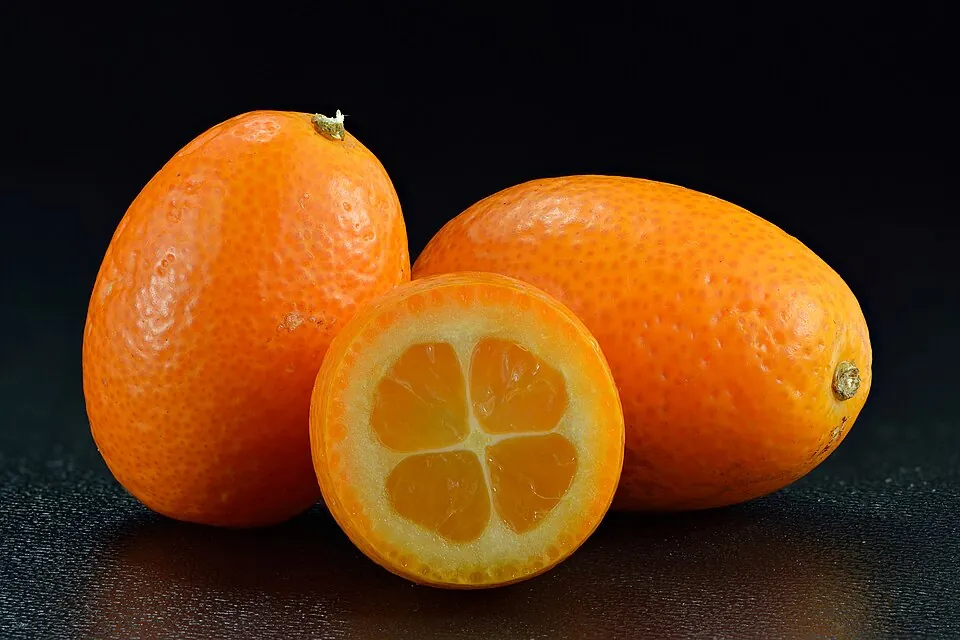
A kumquat is a small citrus fruit you eat skin and all. The peel is sweet and the flesh is tart, so a whole-fruit bite brings both together. Rounder Meiwa tastes sweeter than oval Nagami, thanks to its thicker sweet rind.
What it is
Nagami is oval, orange outside and light orange within, typically about 3.2 cm (1¼ in) long. Its flesh has a sharp, sour taste. Meiwa is almost round, with a thicker layer of sweet peel and only a few seeds.
The rind is part of the fruit’s flavor, so kumquats go straight into the mouth whole. Their seeds are bitter, much like orange seeds.
Where it comes from
Kumquats come from southern China and are grown especially in China, Japan and Taiwan. Robert Fortune brought them to London in 1846. In the United States, growing regions include California, Florida and Texas; in southern India, high elevations suit the crop.
How it's eaten where it grows
In Penang and Singapore, preserved kumquats are a familiar preparation. Singapore also displays kumquat trees at Chinese New Year as a symbol of wealth and prosperity.
On the Greek island of Corfu, whole kumquats simmer in syrup to make spoon sweets. The fruit also flavors mandolato, a nougat. Kumquat liqueur gets its flavor from fruit steeped in alcohol and is traditionally served after a meal.
How it's grown
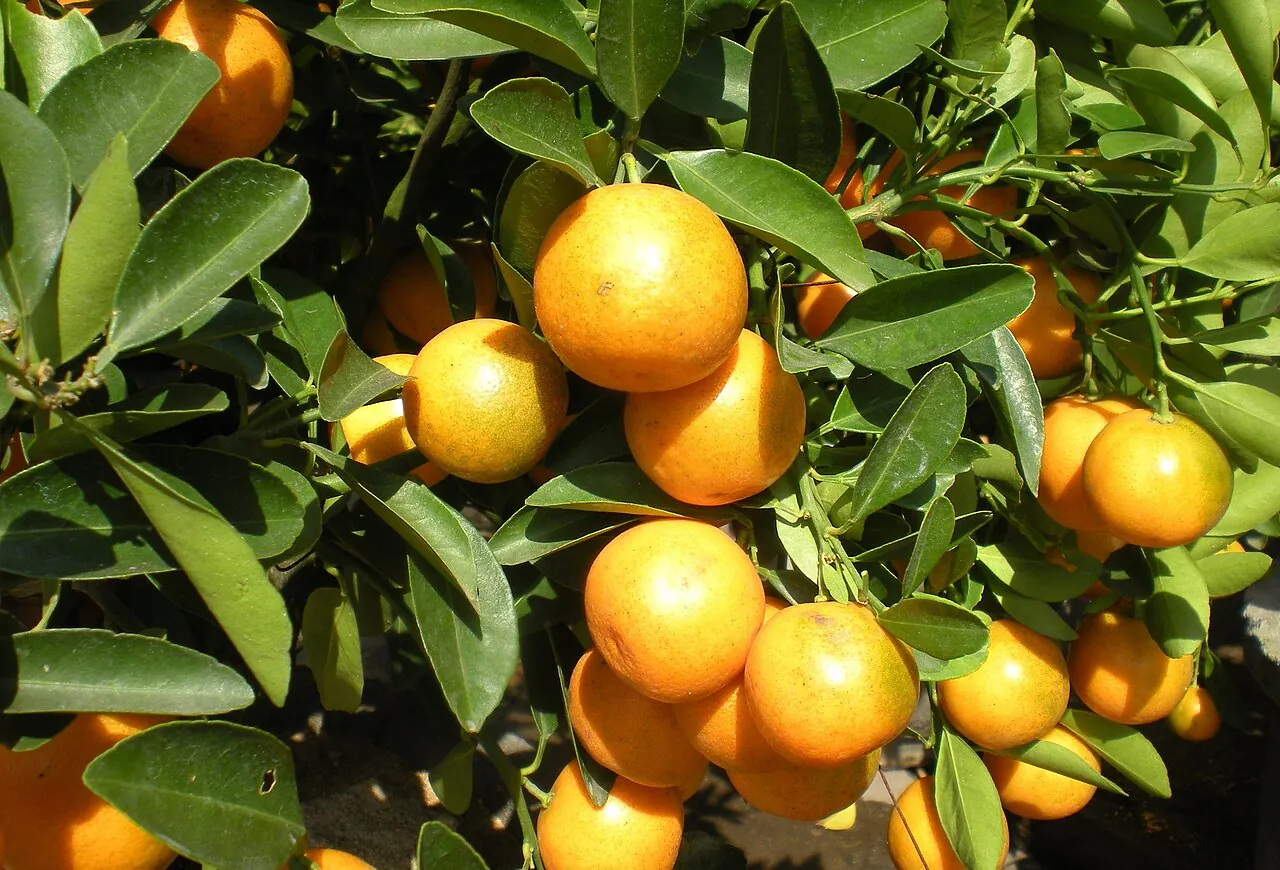
A kumquat grows as a compact tree, reaching up to 5 m (16 ft), with fragrant white flowers. Growers commonly graft it onto trifoliate orange: the kumquat’s top grows on another citrus plant’s roots. A single tree can bear a crop because its flowers can pollinate themselves.
When and where you'll find it
In Florida, kumquats usually mature from October through March. South Australia’s farmers’ market season runs the other way around the year, usually from April through October. There, they appear among the autumn, winter and early-spring fruit.
Fresh kumquats are eaten whole. Preserved fruit is another way to meet them in Penang and Singapore, while Corfu turns the harvest into bottled liqueur and whole-fruit sweets in syrup.
Sources · 9
- Adelaide Showground Farmers’ Marketadelaidefarmersmarket.com.au
- Greek National Tourism Organisationvisitgreece.gr
- Lazaris Distillery & Artisan Sweets, Corfulazarisartisan.com
- Morton, Fruits of Warm Climates (1987)hort.purdue.edu
- Plant Resources of South-East Asia, Fortunellaplantuse.plantnet.org
- Singapore National Parks Boardnparks.gov.sg
- University of California Agriculture and Natural Resourcesucanr.edu
- University of California, Riverside Citrus Variety Collectioncitrusvariety.ucr.eduOther pages2
- University of Florida IFAS Gardening Solutionsgardeningsolutions.ifas.ufl.edu
Get it near Detroit
What it tastes like
Softer than a pear, as tart as a kiwifruit≈
More about the taste
Kumquats combine a thin, sweet peel with tart flesh. Meiwa is sweeter and less seedy than the sourer Nagami.
Ripe kumquats are sweet and acidic, with shapes varying from round to oblong.
The peel is aromatic and fleshy, and it's edible, so it contributes to the whole-fruit experience along with the interior.
Choose, store, eat
1ChooseOrange
Look for
- Orange
Ignore
- Shape alone
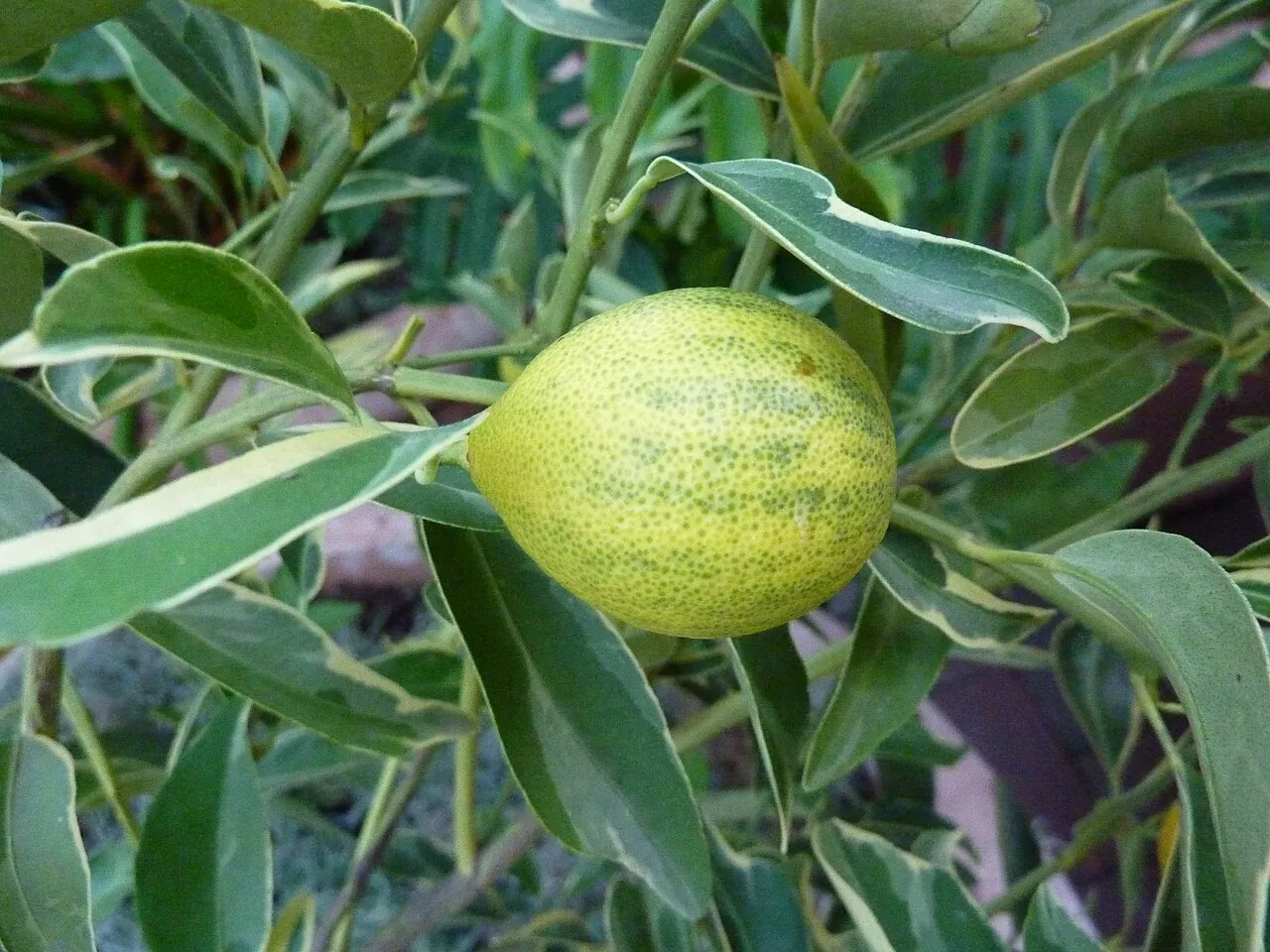
Ripe kumquats are orange. Fruit from an ornamental display plant may not have been grown for eating.
2StoreKumquats have a firm peel that holds up well to handling and transport
Kumquats have a firm peel that holds up well to handling and transport.
3EatWhole fruit, Thin skin
Eat
Whole fruitThin skinThe whole fruit, including its thin edible skin, is eaten fresh, candied, or made into marmalade, jelly, or chutney.
Detroit, Michigan
When it’s good hereUsual monthsJust arrivedAt their bestLast chanceAll yearWhere it is in its usual monthsToday, Oct 22Grown hereIn season in your stateShips fromIn season where it grows
9 growing areas, 5 countriesUsual monthsOur estimated monthsToday, Oct 22

- California
- Ehime
- Florida
- Georgia
- Hawaii
- Málaga
- South Australia
- Valparaíso
- You
1 of 2 areas · October
Growing areas by country
- United States5
- Australia1
- Chile1
- Spain1
- Japan1
Fruiting kumquat plants are displayed for Chinese New Year as a symbol of prosperity; Fukushu is a popular ornamental selection for this.
16 varieties
- No variety photo yetFuyuan Jingan
- Taste
- high
- Flavour
- non-pungent
- Bite
- crisp
- Flesh
- yellow
- No variety photo yet台農1號 (黃水晶)
- Flavour
- 風味甜而微酸,果肉無明顯異味 TW-CYQ
- Bite
- crisp TW-CYQ
- Shape
- oval TW-CYQ
- Use
- fresh TW-CYQ
- No variety photo yetCuimi
- Taste
- sweet
- Bite
- crisp
- Juice
- juicy
- No variety photo yetMiyazakiyumemaru
- Taste
- high Japan
- Tartness
- low Japan
- Use
- fresh Japan
- No variety photo yetPuchimaru
- Taste
- sweet
- Scent
- aromatic
- Flavour
- Sweet peel without bitterness. Japan
- Juice
- not very juicy
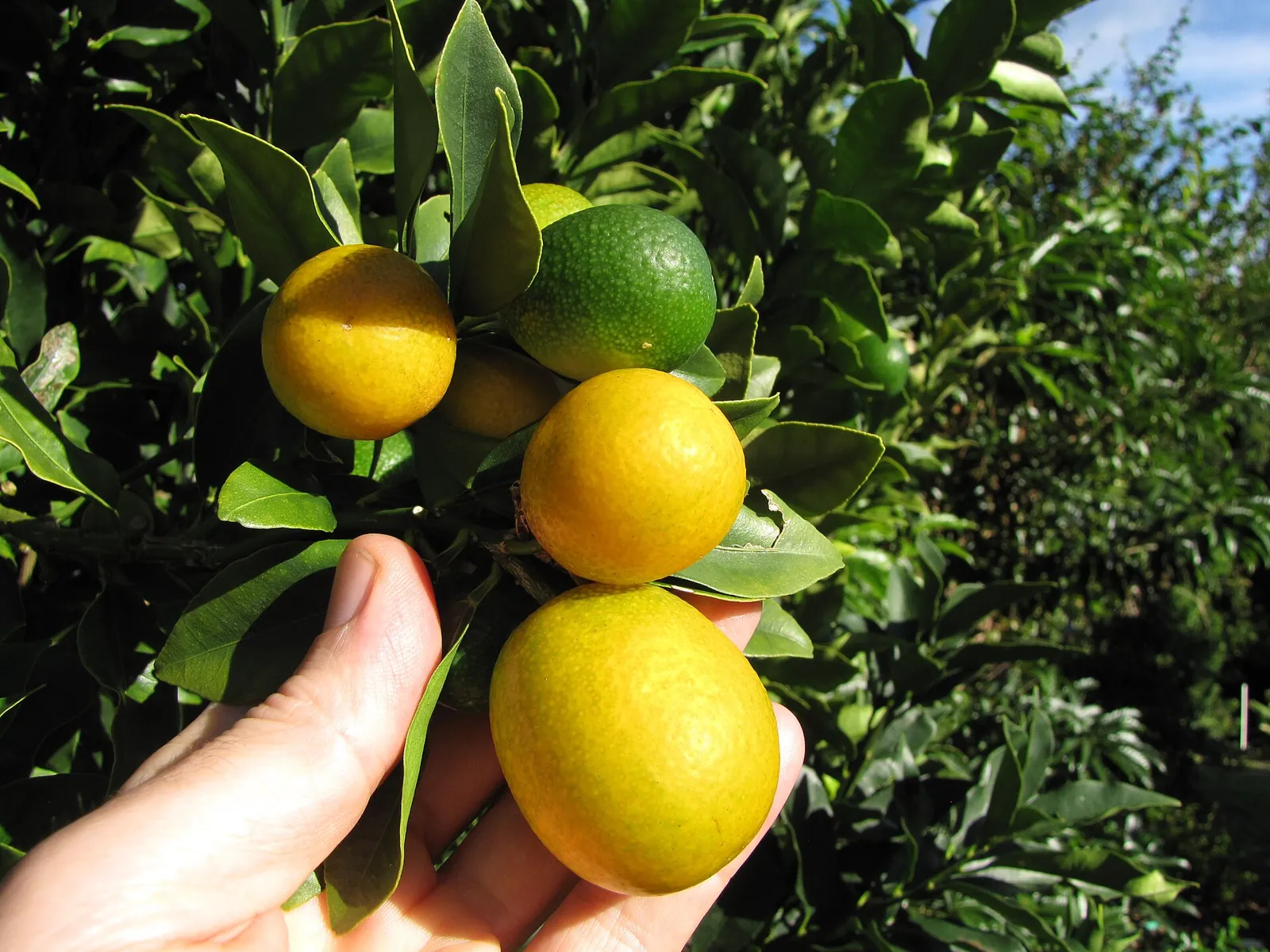 Meiwa
- Tartness
- high US-CA
- Feel
- soft
- Flesh
- orange US-CA
- Shape
- round US-CA
9 names in 6 languages
- marumi kumquatroot
Cook it
1 Kumquat festivalUsual monthToday, Oct 22
Strange but trueHistoryScienceNatureWhere the name came fromCustoms and culturePeopleA record
If you like Kumquat
Close relatives
Nutrition, sources
Nutrition
Kumquats, raw · per 100 g
- Carbohydrate
- 16 g
- Fiber
- 6.5 g
- Sugars
- 9.4 g
- Protein
- 1.9 g
- Fat
- 0.9 g
- Vitamin C
- 44 mg
- Potassium
- 186 mg
Sources
Kumquat · Fruitopia · checked Sep 22, 2026