Citron
Citrus medica · Rutaceae family
Citron rewards attention to the peel—and to what a name means in a particular setting.
Find it near DetroitGet to know it
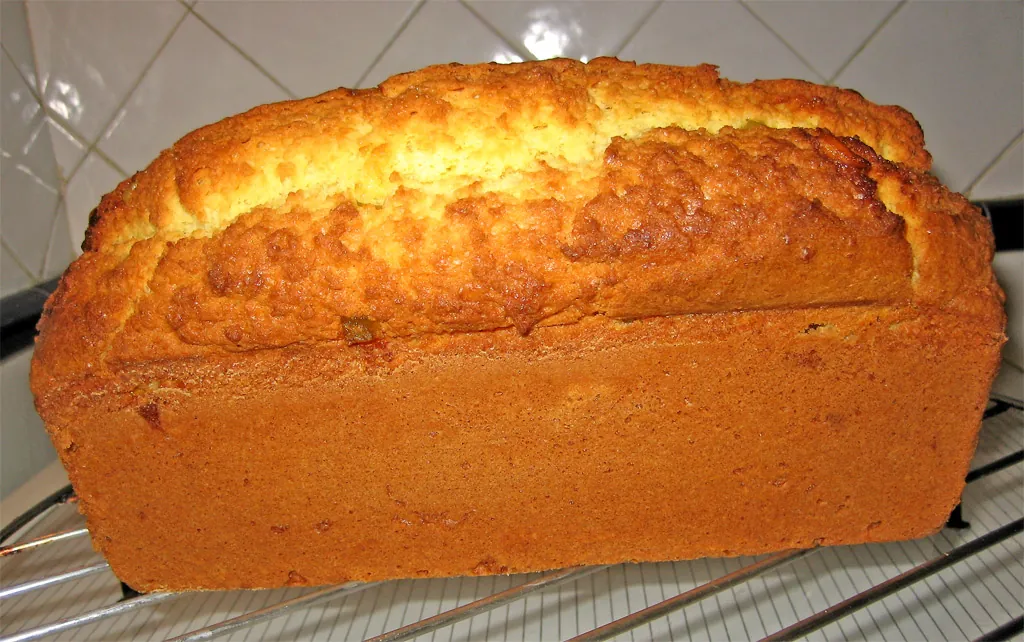
Citron is a citrus fruit grown for its fragrant, thick peel. Its flesh can be sour, sweet or almost absent: Buddha’s Hand splits into fingers filled with white pith. Candied, the peel brings citrus scent to cakes.
What it is
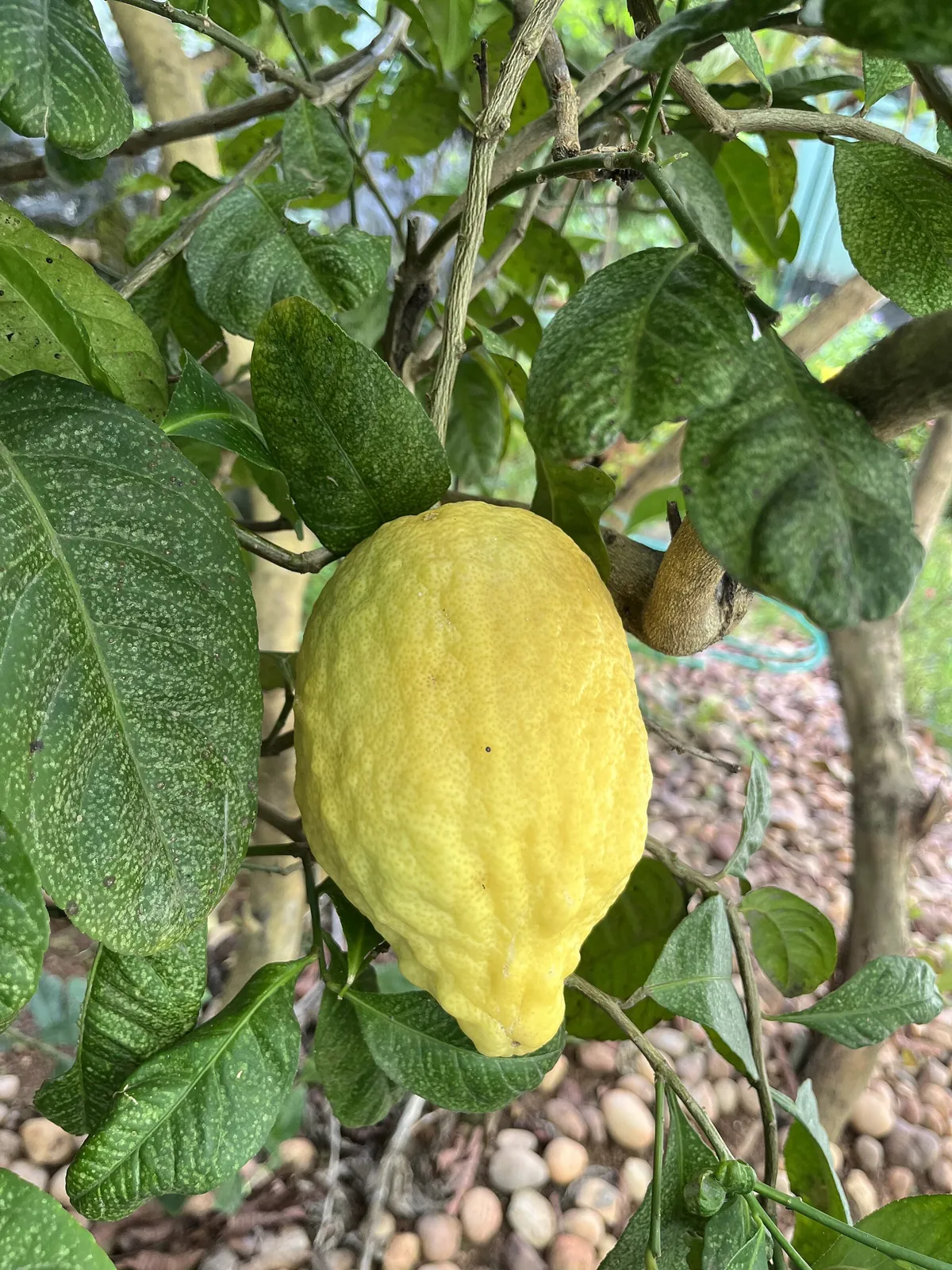
A citron can look like an oversized, knobbly lemon, usually yellow when ripe. Many measure about 9–23 cm (3½–9 in) long, and some reach 30 cm (12 in). Much of that bulk is peel.
The variety matters. Etrog has sour, pale-yellow flesh and little juice. Diamante is crisp and lemon-sour inside. Corsican has sweet rind with some bitterness, and flesh without the sharp acidity. Buddha’s Hand has fingers instead of the usual oval shape; inside the familiar seedless form is solid white pith.
Where it comes from
Citron probably comes from northern India. It now has distinct traditions across Asia and the Mediterranean: fingered citrons grow in India, China and Japan, while Diamante is a leading Italian variety.
Diamante reached the United States in 1898. In California, commercial Buddha’s Hand plantings grew from almost none in the early 1980s to at least 10 hectares (25 acres) by 2008.
How it's eaten where it grows
In Italy, candied citron goes into panforte, a fruitcake. Making the peel into sweets starts with simmering pieces in water until translucent, then cooking them in sugar syrup.
In India, the wild Chhangura citron becomes a pickle. Etrog has another role in Jewish ritual: the whole fruit is part of the Sukkot harvest festival in September or October.
How it's grown
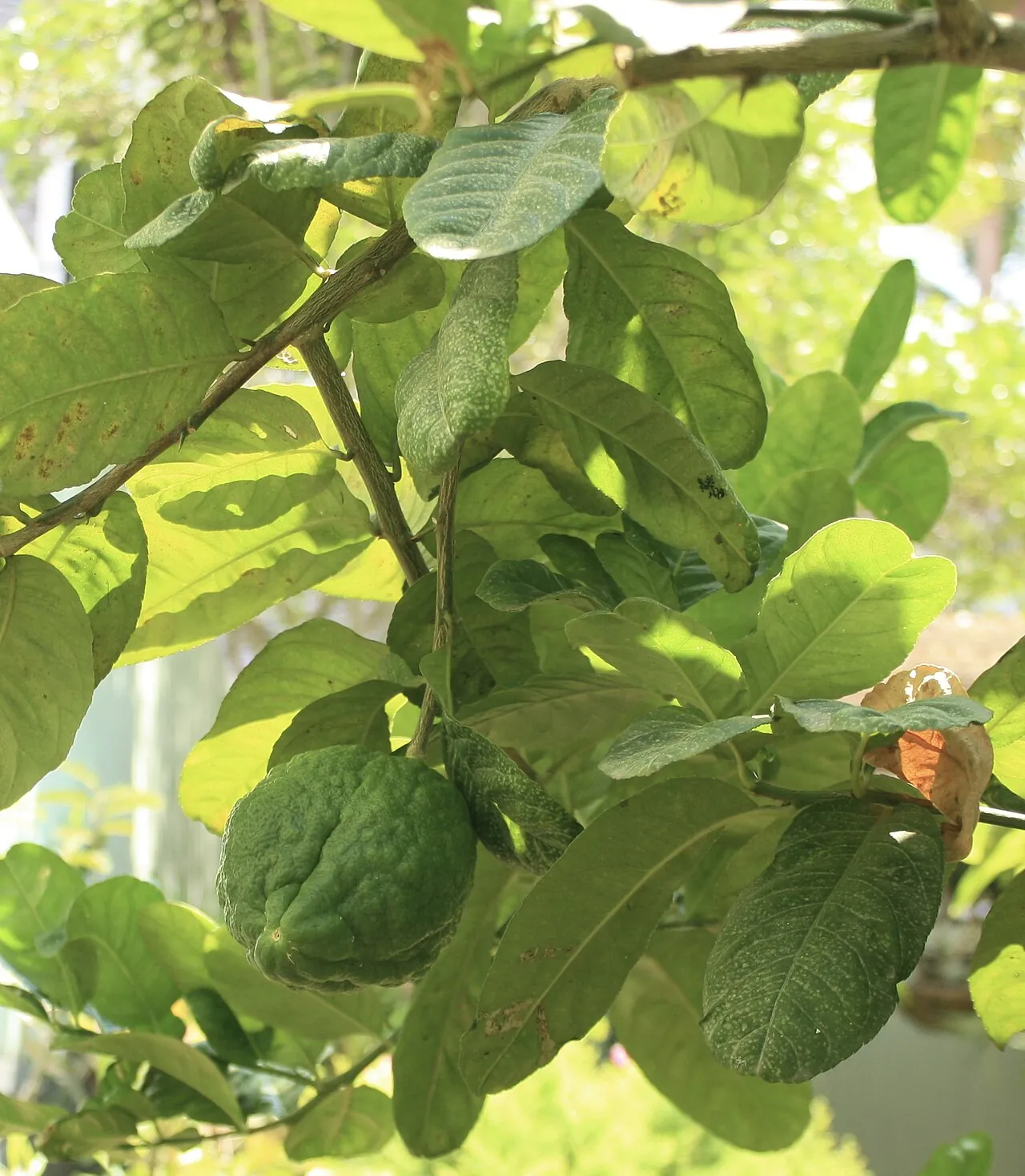
Citron grows on a slow-growing, thorny shrub or small tree, about 2.4–4.5 m (8–15 ft) tall. It begins bearing at around three years old. Etrog trees are sensitive to frost.
A citron’s skin is its value, so growers protect it. Italian growers keep the trees low, stake the branches and may trim off the thorns to avoid scarring the fruit. In Israel, Etrog growers tie each fruiting branch in place and trim away twigs that could touch the fruit.
When and where you'll find it
In Riverside, California, Etrog usually reaches culinary ripeness from November to January. Pearson Ranch’s Etrog season usually runs from late October through April.
Buddha’s Hand reaches Asian groceries, upscale supermarkets and farmers’ markets from California to the East Coast. Candied citron is the form used in baking; a fresh whole citron lets you make the peel yourself.
Get it near Detroit
What it tastes like
No sweeter than a grapefruit, softer than a pear≈
More about the taste
Citron has an aromatic, oil-rich rind and relatively little juice. Its appeal lies in the peel and scent, not in juiciness like a dessert orange.
Citron has an aromatic, oil-rich rind and relatively little juice. Its appeal lies in the peel and scent, not in juiciness like a dessert orange.
Choose, eat
1ChooseFor cooking, choose citron by intended use: fruit selected for the Sukkot ritual (etrog) is chosen for being unblemished and shapely, while citron for preserves and flavoring is a separate category
For cooking, choose citron by intended use: fruit selected for the Sukkot ritual (etrog) is chosen for being unblemished and shapely, while citron for preserves and flavoring is a separate category.
2EatThick skin
Eat
Thick skinThe thick skin is used for candied peel, flavoring and scent.
Detroit, Michigan
When it’s good hereUsual monthsJust arrivedAt their bestLast chanceAll yearWhere it is in its usual monthsToday, Oct 22Grown hereIn season in your stateShips fromIn season where it grows
2 growing areas, 1 countryUsual monthsToday, Oct 22

- California
- United States
- You
1 of 2 areas · October
For the Etrog variety, the ritual harvest for Jewish holiday use comes earlier than the fruit's culinary ripeness window.
22 varieties
 Diamante
- Tartness
- high US-CA
- Bite
- crisp
- Skin
- yellow
- Shape
- oval
- No variety photo yetYunnanese
- Taste
- low US-CA
- Scent
- Very fragrant. US-CA
- Juice
- juicy US-CA
- Flesh
- yellow US-CA
- No variety photo yetBadhri
- Tartness
- low US-CA
- Feel
- soft US-CA
- Juice
- juicy US-CA
- Flesh
- orange · yellow US-CA
- No variety photo yetBengal
- Taste
- low US-CA
- Juice
- juicy US-CA
- Flesh
- yellow US-CA
- Shape
- round US-CA
- No variety photo yetDabbe
- Taste
- low US-CA
- Feel
- soft US-CA
- Juice
- juicy US-CA
- Flesh
- yellow US-CA
- No variety photo yetDjerok
- Taste
- low US-CA
- Feel
- soft US-CA
- Flesh
- yellow US-CA
- Shape
- elongated US-CA
65 names in 22 languages
- etrogroot
- thanh yênVietnamese
- 枸櫞Chinese
Cook it
Strange but trueHistoryA myth, and the truthScienceNatureWhere the name came fromCustoms and cultureFood and drink
If you like Citron
Close relatives
Sources
Sources
Citron · Fruitopia · checked Sep 22, 2026