Bergamot
Citrus × bergamia · Rutaceae family
Bergamot's identity is bound up with aromatic peel, not dessert-orange sweetness.
Find it near DetroitGet to know it
Bergamot is the fragrant citrus behind Earl Grey tea. Its peel carries the perfume; inside is sharply sour flesh with a faint bitter finish. In Calabria, that scent also goes into jam, liqueur and candied fruit for holiday breads.
What it is
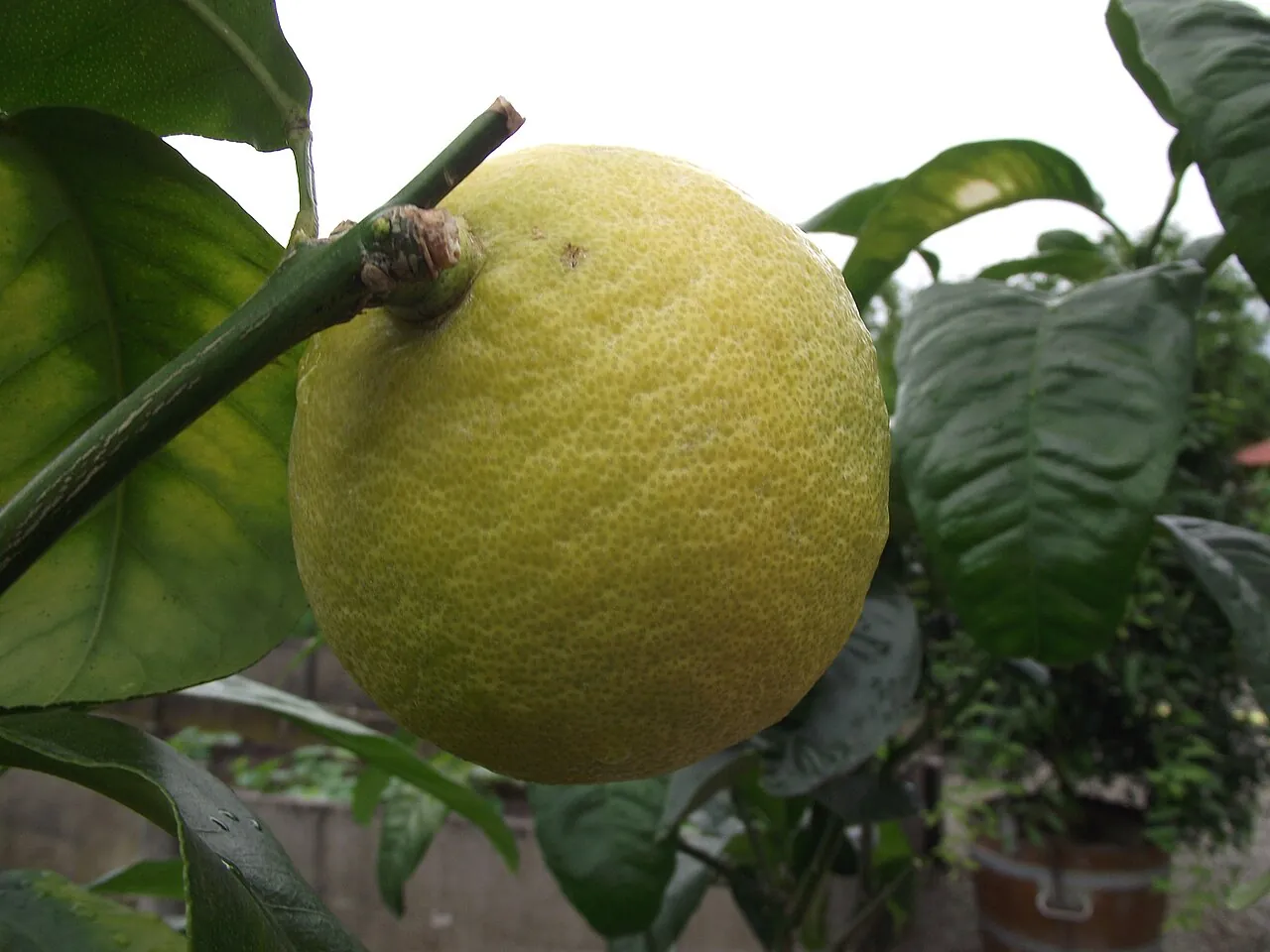
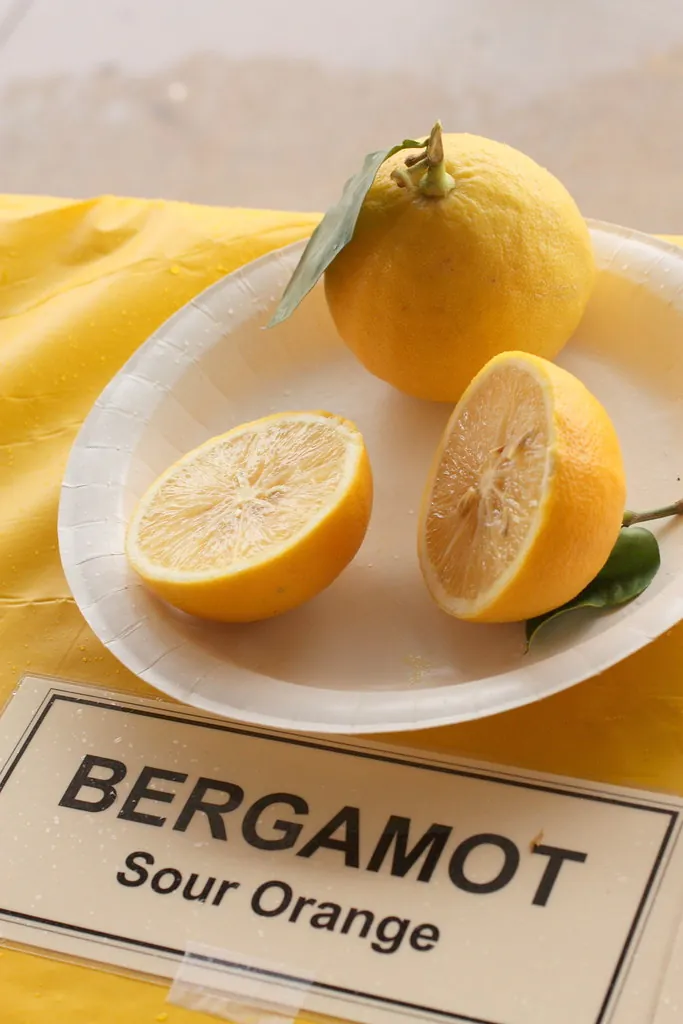
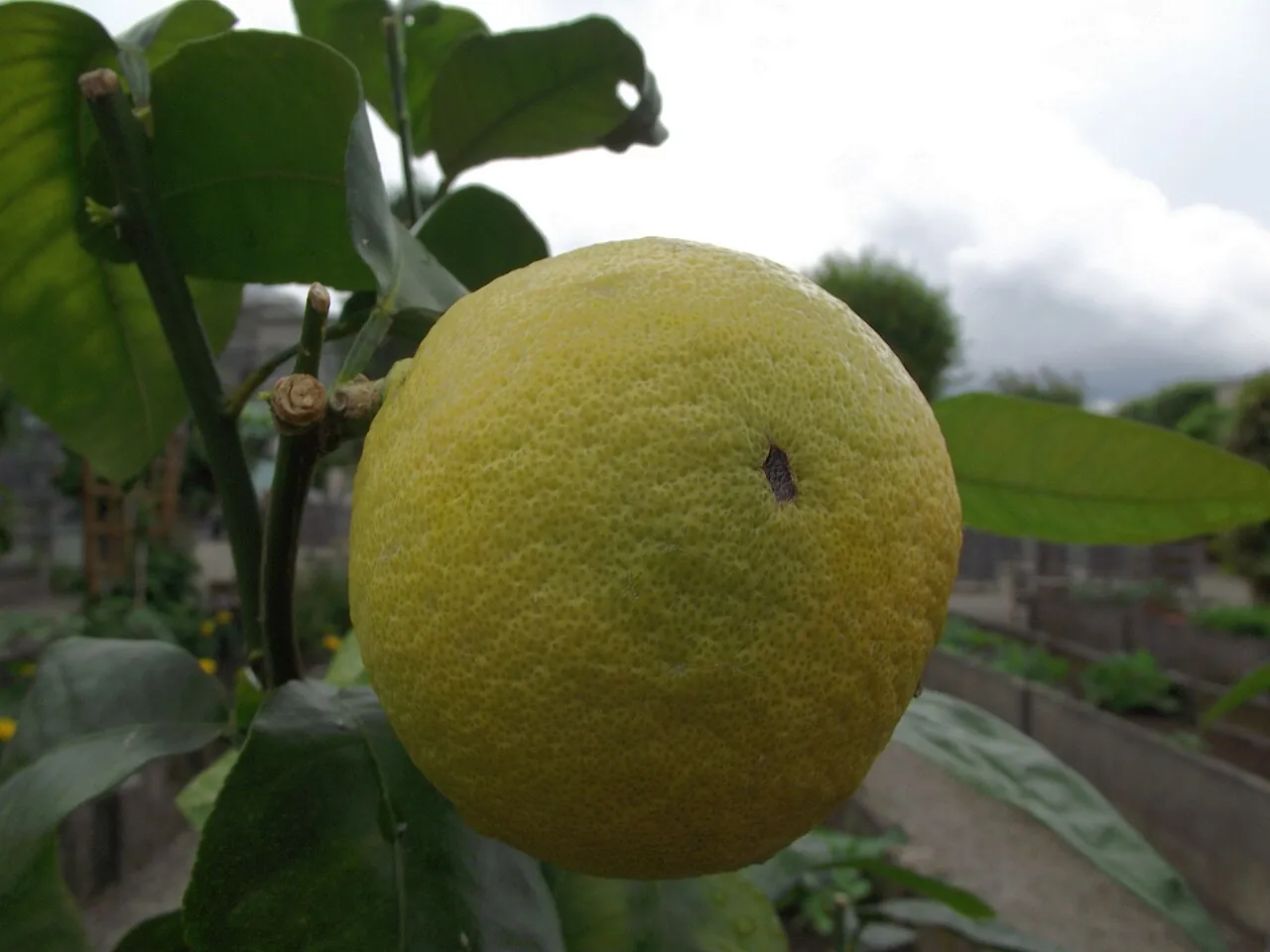
Bergamot is roughly orange-sized, with green or yellow skin. Some fruits are round, others flattened or pear-shaped. The rind clings to the flesh and can be smooth or moderately rough. Inside are numerous segments, a solid core and few seeds, sometimes none. The pale greenish-yellow flesh is fairly firm, sharply acidic and faintly bitter.
The garden herbs called bergamot belong to the mint family. They share a scent with this citrus, but they are different plants.
Where it comes from
Bergamot has been known around the Mediterranean for centuries, and its aromatic oil was prized by 1750. Today, about 90% of world production is concentrated around Reggio Calabria and Locride in southern Italy. Calabria’s oil-making tradition dates to the late eighteenth century, linking its citrus groves with the perfume trade.
How it's eaten where it grows
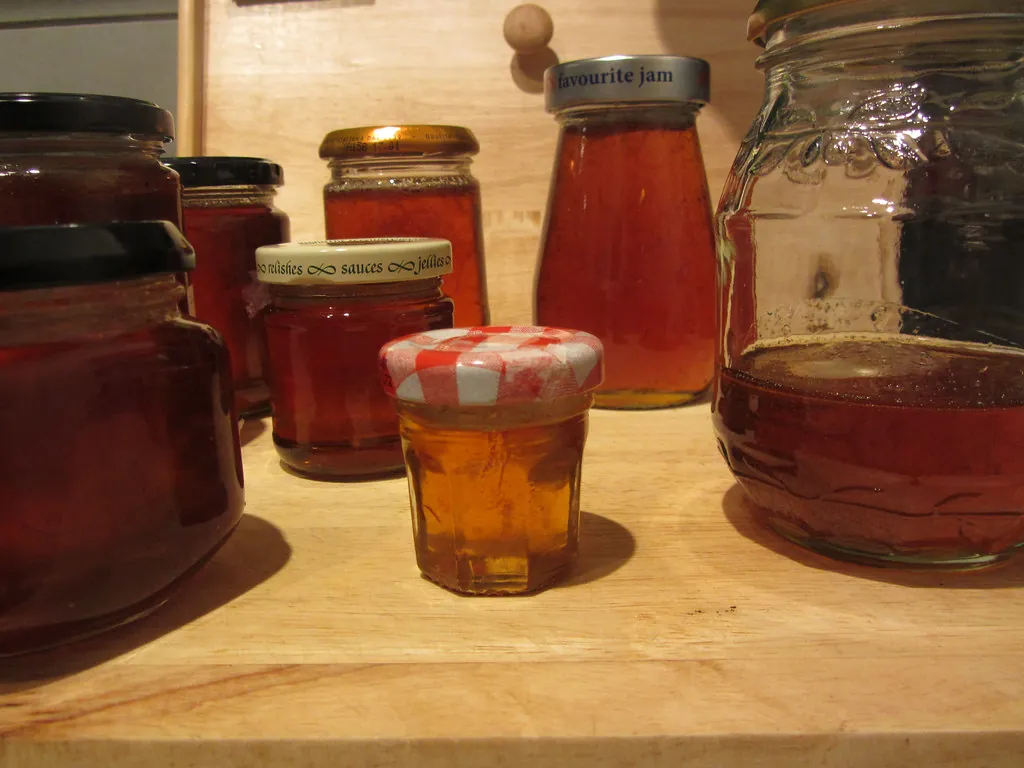
In Calabria, bergamino is a citrus liqueur made in the same way as limoncello. Bergamot also becomes breakfast jam, and candied pieces go into colomba, the sweet Easter bread, and Christmas panettone.
In Nancy, France, bergamot oil scents flat, square sweets. The fresh fruit also makes a curd: juice and zest cook with eggs, sugar and butter into a spread for toast or scones, or a filling for tarts and cakes.
How it's grown
The evergreen tree usually flowers in spring. Growers graft it onto related citrus, including bitter orange, to reproduce it. At harvest, workers clip each fruit from its branch with scissors, protecting the peel. Fruit destined for oil production is cold-pressed within hours of picking to capture its scent.
When and where you'll find it
Calabria’s fresh-fruit season usually runs from November to March, with some harvests beginning in October. Away from the groves, the flavour travels in Earl Grey tea, bergamot jam, the candied peel in Italian Easter and Christmas breads, and Nancy’s scented sweets.
Get it near Detroit
What it tastes like
As mild as a peach, no sweeter than a grapefruit≈
More about the taste
The flesh is sour, with high acidity and a faint bitter aftertaste; the rind carries a strongly aromatic oil, so a pleasant peel scent doesn't mean sweet pulp.
The flesh is sour, with high acidity and a faint bitter aftertaste; the rind carries a strongly aromatic oil, so a pleasant peel scent doesn't mean sweet pulp.
Choose, eat
1ChooseThe flesh is pale greenish-yellow, and the fruit shape varies from flattened or round to pear-like
The flesh is pale greenish-yellow, and the fruit shape varies from flattened or round to pear-like.
2EatZest, Juice
Eat
ZestJuiceBoth the zest and the juice are used, as in a bergamot curd; this is different from bottled cosmetic bergamot essential oil.
Detroit, Michigan
When it’s good hereUsual monthsJust arrivedAt their bestLast chanceAll yearWhere it is in its usual monthsToday, Oct 22Grown hereIn season in your stateShips fromIn season where it grows
1 growing area, 1 countryUsual monthsToday, Oct 22

- Reggio Calabria
- You
Bergamot oil's distinctive character has been recognized in the Mediterranean for centuries; southern Italy has been proposed as its seedling origin, though its exact parentage remains uncertain.
Cook it
1 Bergamot festivalUsual monthToday, Oct 22
Strange but trueHistoryA myth, and the truthScienceWhere the name came fromCustoms and cultureFood and drinkA record
If you like Bergamot
Close relatives
Sources
Sources
Bergamot · Fruitopia · checked Oct 2, 2026