Jatoba
Also called Stinking toe · StinkingtoeHymenaea courbaril · Fabaceae family
Jatobá reverses the expectation that fruit must be juicy. Inside a hard pod is a dry pulp that changes texture in the mouth.
Find it near DetroitGet to know it
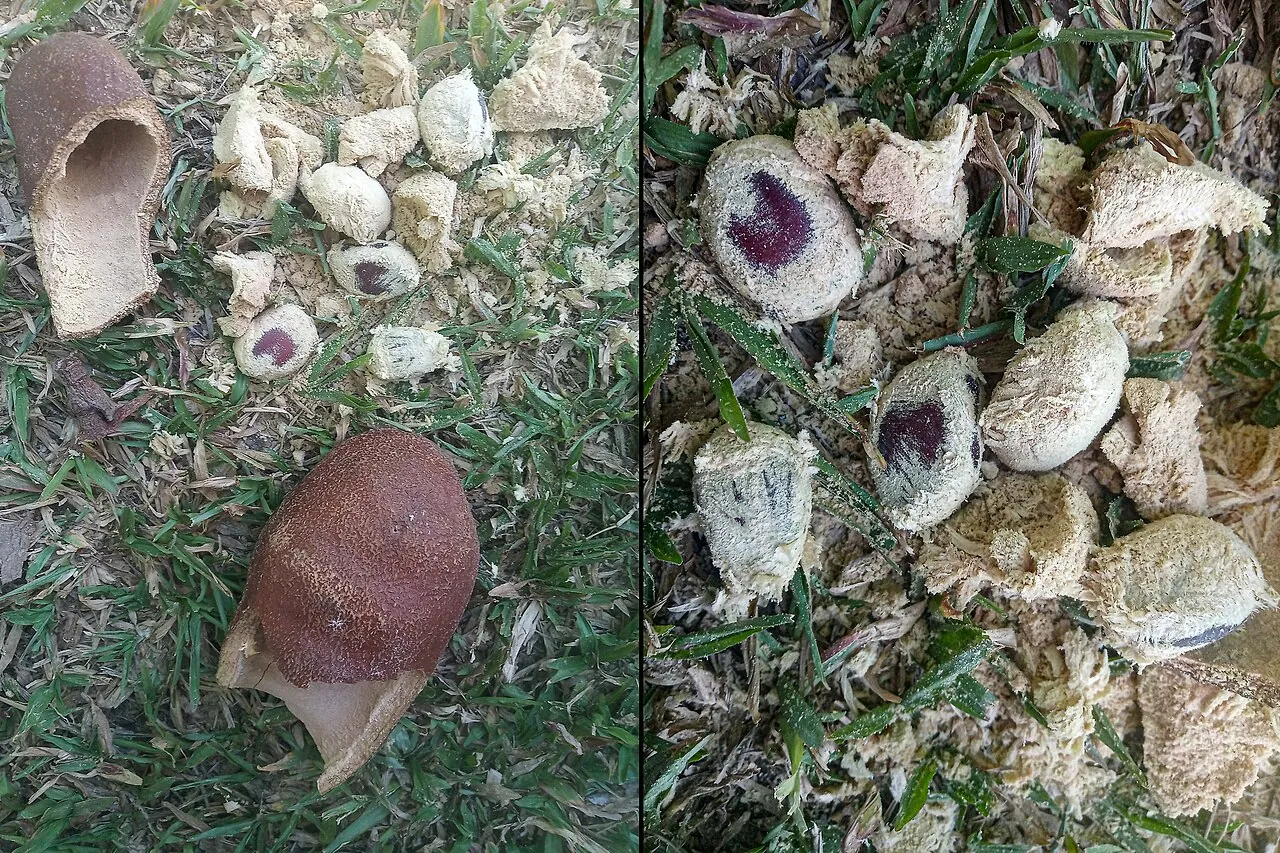
Crack a jatobá pod and you find dry, floury pulp around hard seeds. It tastes sweet, with a faint hint of banana, and turns to a paste in your mouth. In Brazil, the pulp is sieved into a flour for breads, cakes and porridge.
What it is
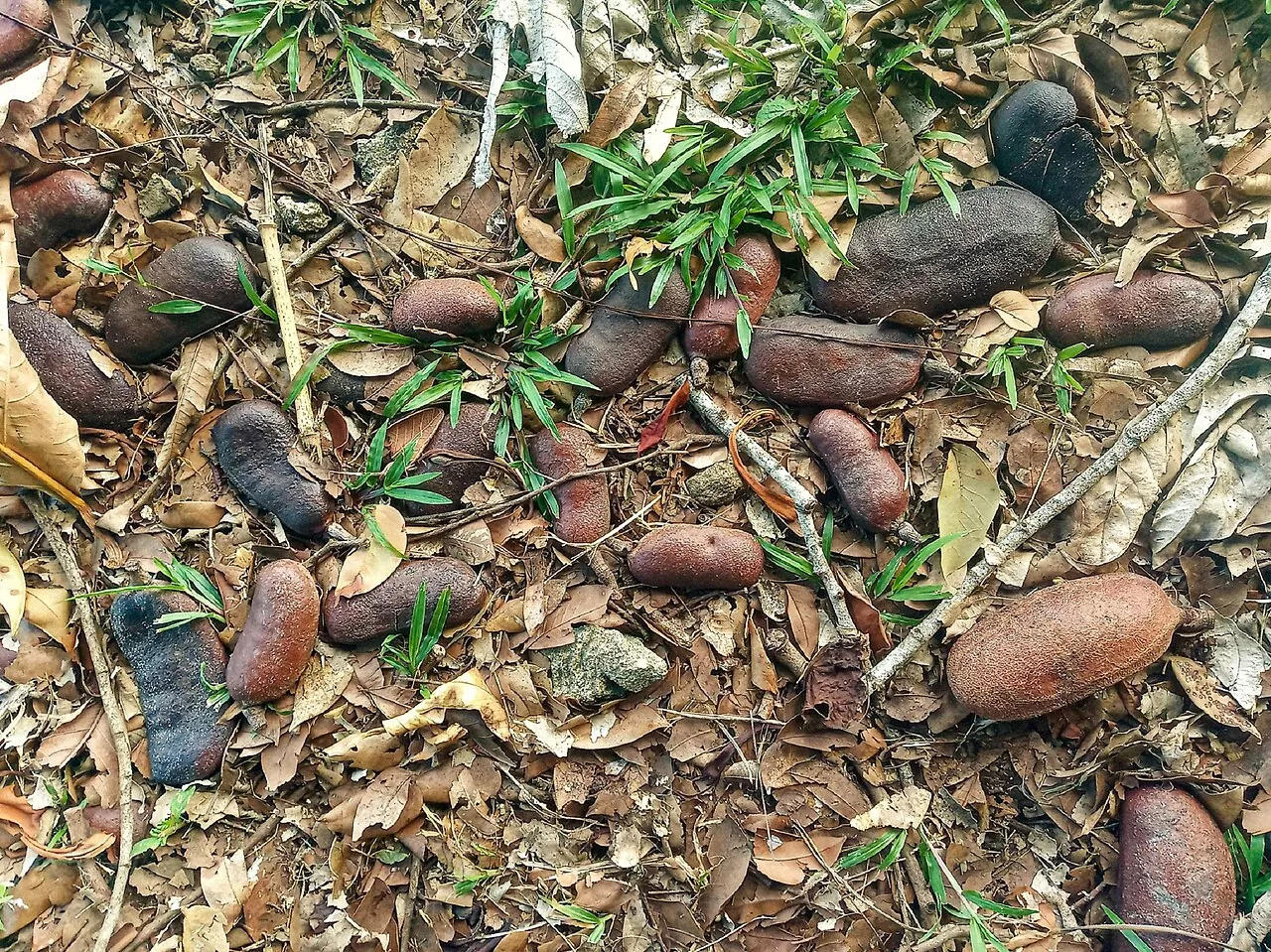
Jatobá is Hymenaea courbaril, a tropical tree in the bean family. Its oblong, woody pod turns dark brown and measures 8–15 cm (3–6 in) long. Inside, hard brown seeds sit in dry, cream to brownish pulp. That pulp is the part to eat.
Its other names include stinking toe and West Indian locust, and an opened pod gives off a strong smell. Rub the pulp through a sieve and it becomes a fine flour for cooking.
Where it comes from
Its native range takes in Mexico, Central America, the Caribbean and much of tropical South America. In Brazil it grows in the Amazon, Atlantic Forest, Cerrado, Caatinga and Pantanal. It lives in both wet and dry forests and can tolerate four months or more of drought.
The tree has also been introduced into the Philippines and the United States.
How it's eaten where it grows
In Brazil, jatobá flour goes into cakes, breads and porridge; the pulp also becomes jelly and liqueur. A broinha is a small bake somewhere between cake, bread and biscuit, made with maize and wheat flours; broinha de jatobá adds the fruit flour.
In the Eat Rio version, fennel seeds scent a dough enriched with butter, egg and milk. The little broinhas bake to a light, biscuit-like texture and are served with tea or coffee.
How it's grown
Jatobá is grown from seed and takes about eight to twelve years to bear fruit. Bats pollinate its flowers. It is planted in full sun, either among other tree species or in stands of its own. Deep, fertile, moist sandy soil with good drainage suits it best, and it grows in both wet and dry tropical forest.
When and where you'll find it
In Acre, western Brazil, jatobá is usually collected from May to September. In Pará, farther east, the usual window runs from August to November, sometimes into December. Whole fruits are sold at regional Brazilian markets and fairs, with the dry pulp inside the hard shell.
Get it near Detroit
What it tastes like
As sweet as a banana, as mild as a peach≈
More about the taste
Jatobá pulp is sweet, dry and powdery, turning paste-like in the mouth, with a distinctive smell and a faint banana-like note; some people dislike the floury texture.
The pulp is dry and powdery, becoming paste-like in the mouth, with a sweet flavor and a distinctive odor.
It's sometimes compared to banana, though some people dislike the floury texture.
Choose, eat
1ChooseHard, dark-brown woody pod
Look for
- Hard, dark-brown woody pod
Look for a hard, dark-brown woody pod; inside are seeds and dry pulp.
2EatPulp · not other pod material
Eat
PulpNot eaten
Other pod materialThe powdery pulp around the seeds is the edible part; other pod material is used as livestock feed, not human food.
Detroit, Michigan
When it’s good hereUsual monthsJust arrivedAt their bestLast chanceAll yearWhere it is in its usual monthsToday, Oct 22Grown hereIn season in your stateShips fromIn season where it grows
12 names in 6 languages
- Tòng chiVietnamese
- 孪叶豆Chinese
Cook it
1 Jatoba festivalUsual monthToday, Oct 22
Strange but trueHistoryScienceWhere the name came from
If you like Jatoba
Tastes alike
Same plant family
Sources
Sources
Jatoba · Fruitopia · checked Sep 22, 2026