Mesquite pod
Also called White algarrobo · Ibopé · IgopéProsopis alba · Fabaceae family
A legume fruit that becomes a sweet flour, rather than a conventional juicy dessert.
Find it near DetroitGet to know it
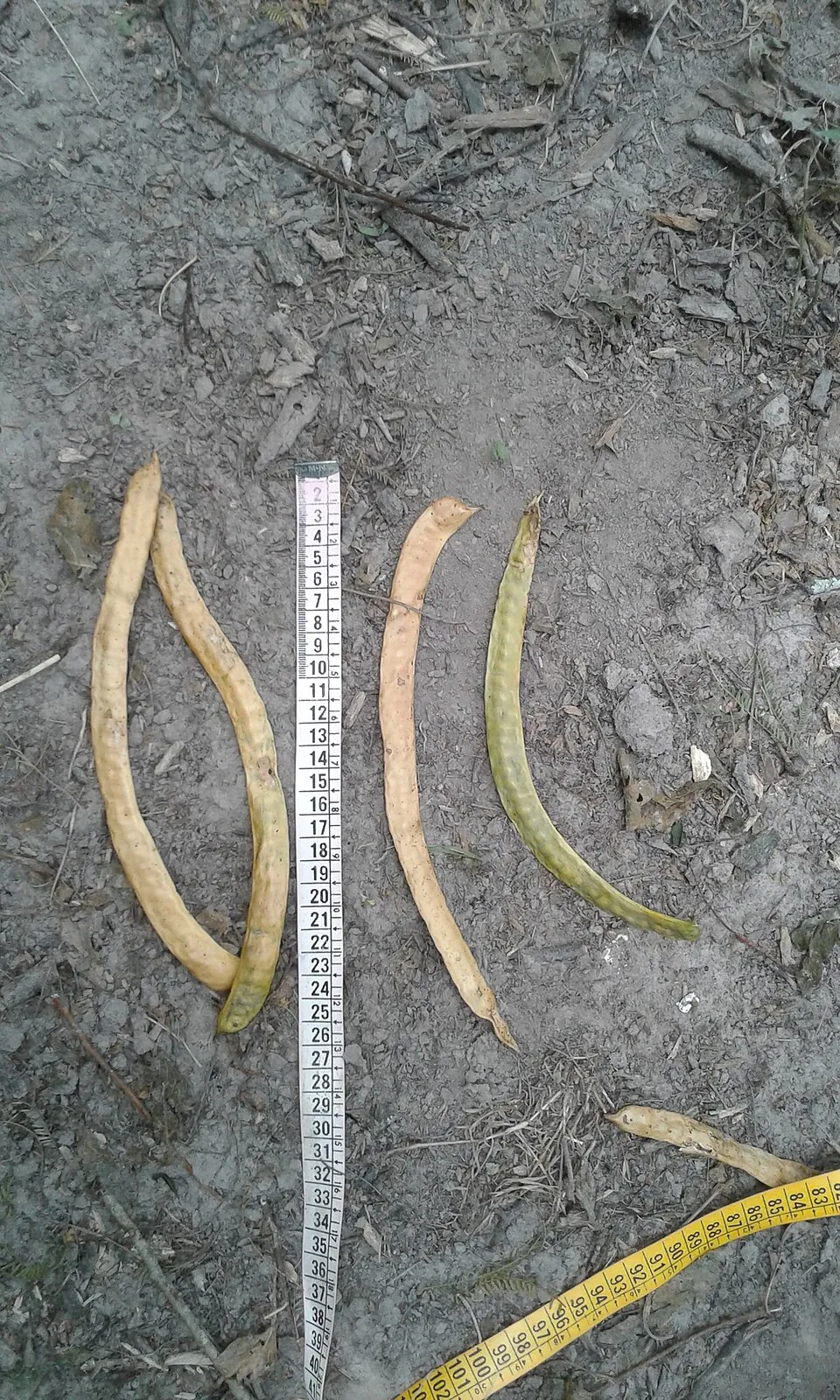
White algarrobo, Prosopis alba, is a South American tree with sweet pods that become flour. The long, pale-yellow pods can curl into a ring. In Argentina, they become dry, sweet patay bread, cool añapa drinks and dark arrope syrup.
What it is
The narrow pods are about 12–25 cm (5–10 in) long and 1.1–2 cm (0.4–0.8 in) wide. They stay closed when ripe, enclosing 12–30 seeds in separate compartments. The sweet pod can be eaten fresh or dried for milling.
White-algarrobo flour is pale yellow-white, with a distinctive sweet aroma. European carob, Ceratonia siliqua, shares the Spanish name algarroba but comes from a different tree.
Where it comes from
White algarrobo is native to South America, including Argentina, Bolivia, Chile and Paraguay. It has also been planted in India.
In northwestern Argentina, the algarrobeada is a collective summer pod harvest with roots before Spanish colonisation. Wichí and Toba people are among those with longstanding algarroba food traditions, alongside rural communities across the region.
How it's eaten where it grows
In Argentina, patay starts with ground pods mixed with water. The dough is shaped in moulds and dried; the result is a very dry, sweet bread. Añapa is a cool drink: ground pods are stirred with water, strained through cloth and served cold. Aloja uses pods and water too, but ferments into a sweetish alcoholic drink with a milky colour.
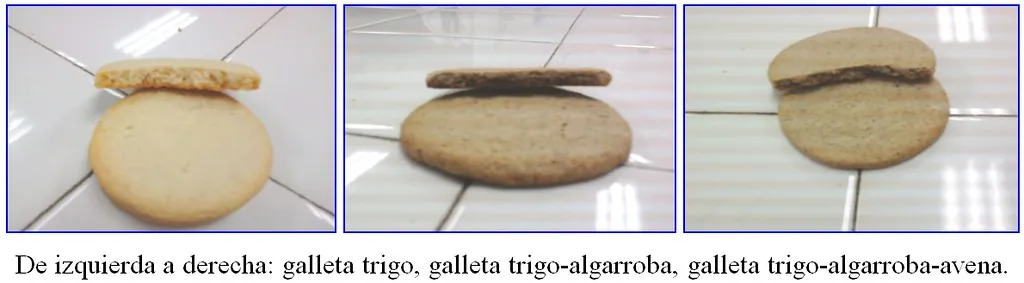
For arrope, the pods are boiled until soft, pounded and strained. The liquid is then boiled down into a thick, dark syrup. White-algarrobo flour also goes into sweets and baked goods, mixed in small amounts with other flours.
How it's grown
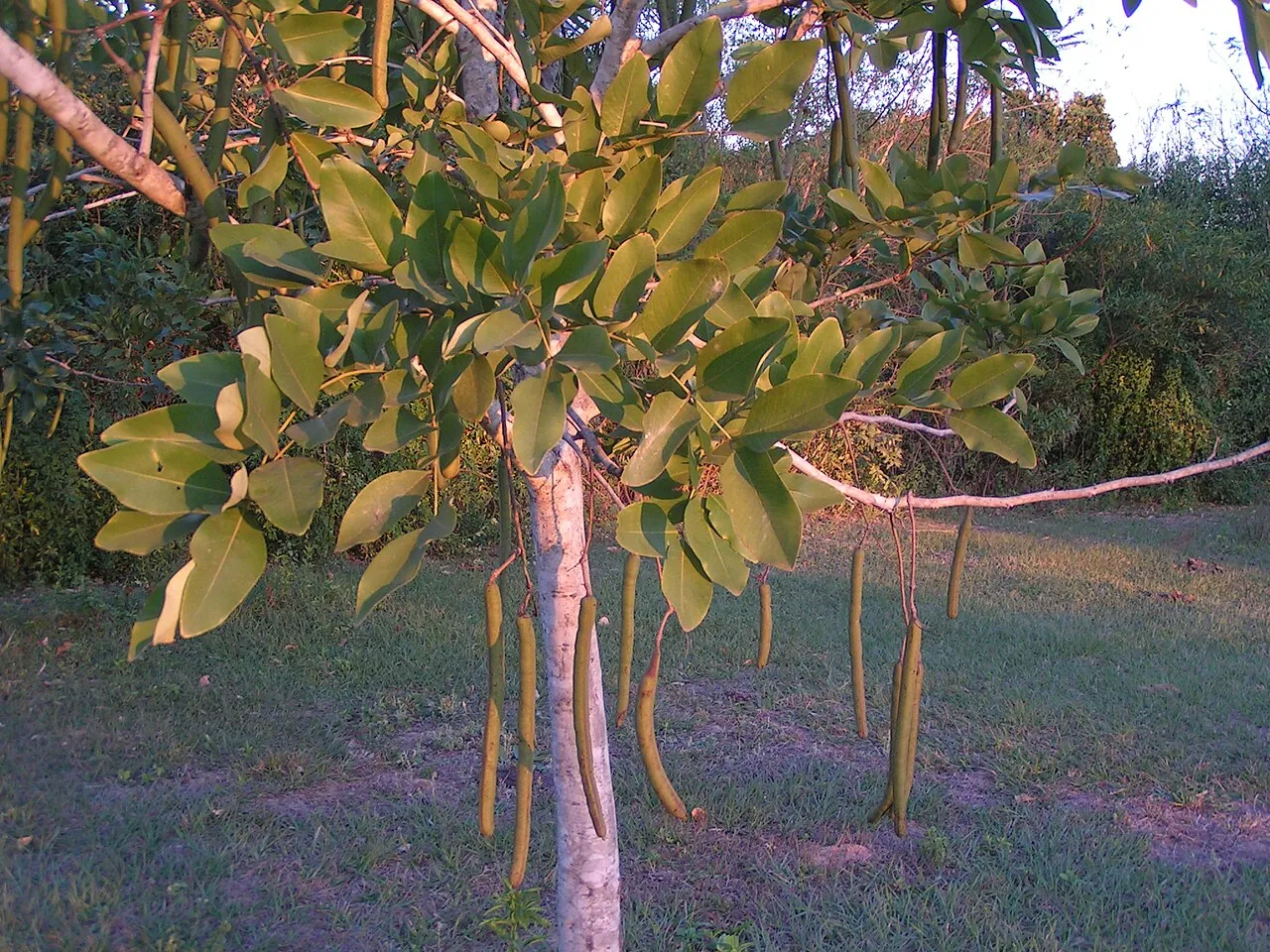
The tree reaches about 5–15 m (16–49 ft), with a rounded crown. It grows in dry and semi-dry country where roots can reach groundwater, including drainage channels. Its deep roots also help hold the soil. In Córdoba, Argentina, the small flowers usually appear from September to November.
When and where you'll find it
In Córdoba, pods usually ripen from November or December through February. In Colonia El Simbolar, Santiago del Estero, the harvest usually falls in December. After picking, pods are dried, ground and sifted into flour.
Flour is one way the fruit reaches buyers beyond the harvest itself. Oro del Estero, a producer in Santiago del Estero, makes and sells white-algarrobo pod flour.
Get it near Detroit
What it tastes like
As sweet as a banana, as mild as a peach≈
More about the taste
The pod is sweet, and dried pods are milled into flour.
The pod is sweet, and dried pods are milled into flour.
Choose, eat
1Choose
On the label
- Prosopis
In Argentina, algarroba flour can mean native Prosopis pod flour or European Ceratonia carob; the two are different plants sharing the name.
2EatPod flour
Eat
Pod flourThe pod is used as flour, in drinks made from that flour, and for extracting its sweet material into water; it's also fermented into beverages.
Detroit, Michigan
When it’s good hereUsual monthsJust arrivedAt their bestLast chanceAll yearWhere it is in its usual monthsToday, Oct 22Grown hereIn season in your stateShips fromIn season where it grows
Cook it
Strange but trueHistoryNatureCustoms and cultureFood and drink
If you like Mesquite pod
Tastes alike
Same plant family
Sources
Photos · 3
Sources
Mesquite pod · Fruitopia · checked Sep 22, 2026