Yellow mombin
Also called Hog plumSpondias mombin · Anacardiaceae family
A sour, juicy fruit that travels into drinks and preserves more easily than a single global flavor stereotype.
Find it near DetroitGet to know it
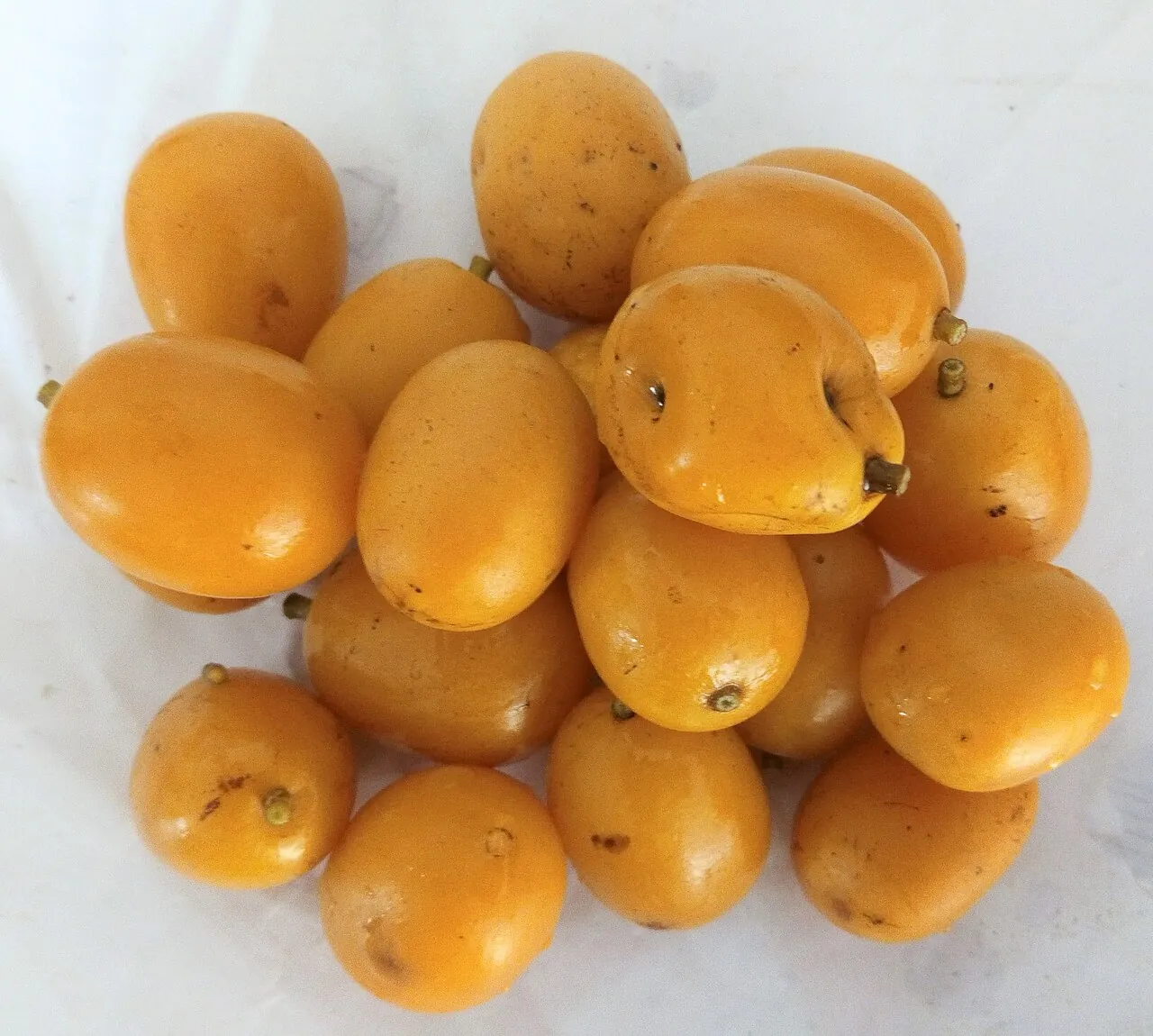
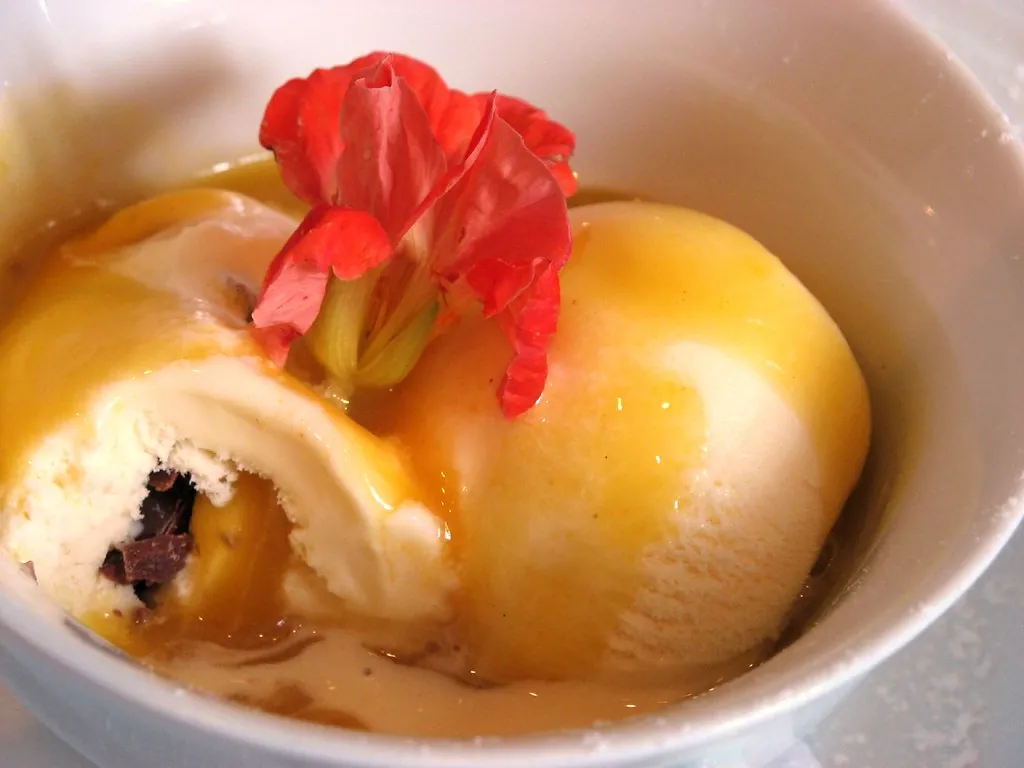
Yellow mombin is a small golden fruit with thin skin and very juicy, often sharply sour flesh clinging to a large, fibrous stone. In Brazil it is cajá, or taperebá in the Amazon. Its pulp becomes ice cream and a tart sauce for coconut tapioca pudding.
What it is
Yellow mombin is Spondias mombin, in the cashew family. The oval fruit is about 3–4 cm (1¼–1½ in) long, with thin, tough skin and juicy yellow or orange flesh only 3–6 mm thick around a large stone with a fibrous coat. The flesh is scant and clings to the stone.
Flavour varies a great deal from region to region: some fruit is sweet and pleasant, but it is often very sour, a little musky, sometimes with a hint of turpentine.
Where it comes from
Yellow mombin comes from the tropical Americas. It is native and common in moist lowland forests from southern Mexico to Peru and Brazil, and in many of the West Indies. It is widely grown and has gone wild in tropical Africa, and is grown on a small scale in India and Indonesia. Brazil’s cajá and the Amazonian taperebá are names for this same fruit.
How it's eaten where it grows
In Brazil, pudim de tapioca com calda de cajá pairs a chilled pudding of tapioca, milk, coconut and condensed milk with a tart fruit topping. The sauce cooks frozen cajá pulp with water and sugar, thickened with a little corn starch.
Taperebá also makes ice cream: pulp from a home garden on Marajó Island becomes sorvete de taperebá when blended with cream and sugar. In Mexico, green yellow mombins take a savoury turn, pickled in vinegar and eaten like olives with salt and chili.
How it's grown
Yellow mombin is a strictly tropical tree that grows quickly in full sun; in Brazil it can reach 25 m (80 ft). It is usually started from large cuttings, which root quickly, so it is often planted as a living fence as well as for fruit. In Brazil, a tree starts bearing in its third year after planting, and one tree can give up to 1,000 kg of fruit. The fruit is gathered by hand from the ground.
When and where you'll find it
In Brazil’s Paraíba state, cajá is usually harvested in May and June. In southeastern Bahia, the usual window runs from February to May.
Frozen cajá pulp, sold in packs, carries the fruit beyond the harvest. Brazilians turn the juicy pulp into juices, ice cream, jellies, compotes, liqueurs and desserts.
Get it near Detroit
Sell fruit online? Add your business
What it tastes like
Crisper than a blueberry, as tart as a kiwifruit≈
More about the taste
Flavor varies considerably: some fruit are sweet and pleasant, others sharply acidic.
Flavor varies considerably: some fruit are sweet and pleasant, others sharply acidic.
It's generally described as sour.
Choose, eat
1ChooseYellow to orange
Look for
- Yellow to orange
Ripe fruit is yellow to orange, with a juicy edible layer around a large stone.
2EatJuicy edible layer · not large stone
Eat
Juicy edible layerNot eaten
Large stoneFrozen pulp (sold as cajá or taperebá) is ready to cook with, without needing to work around the large fibrous stone yourself.
Detroit, Michigan
When it’s good here
Season not documented for Michigan.
2 growing areas, 1 countryUsual monthsToday, Oct 23

- Pará
- Pernambuco
- You
1 of 2 areas · October
The fruit is made into syrups, ice creams, drinks and jellies. Trees are both wild and semi-cultivated, and are sometimes used as living fenceposts.
23 names in 11 languages
Cook it
1 Yellow mombin festivalUsual monthToday, Oct 23
Strange but trueNatureWhere the name came fromCustoms and cultureFood and drink
If you like Yellow mombin
Tastes alike
Close relatives
Same plant family
Sources
Photos · 2
Sources
Yellow mombin · Fruitopia · checked Sep 22, 2026
- acainortecarioca.com.br /polpa-de-caja-puro--1kg
- apps.worldagroforestry.org /treedb/AFTPDFS/Spondias_mombin.PDF
- cerratinga.org.br /especies/caja
- cerratinga.org.br /receitas/pudim-de-tapioca-com-calda-de-caja/
- come-se.blogspot.com /2010/03/tapereba-da-ilha-do-marajo-virou.html
- flickr.com /photos/24939177@N00/235915431
- research.fs.usda.gov /download/treesearch/30365.pdf
What we don't know yet
Frozen pulp is available separately from the fresh fruit harvest season.