Ambarella
Also called Golden apple · Jobo · Jobo fruitSpondias dulcis · Anacardiaceae family
Ambarella is often most appealing while it still has a crunch.
Find it near DetroitGet to know it
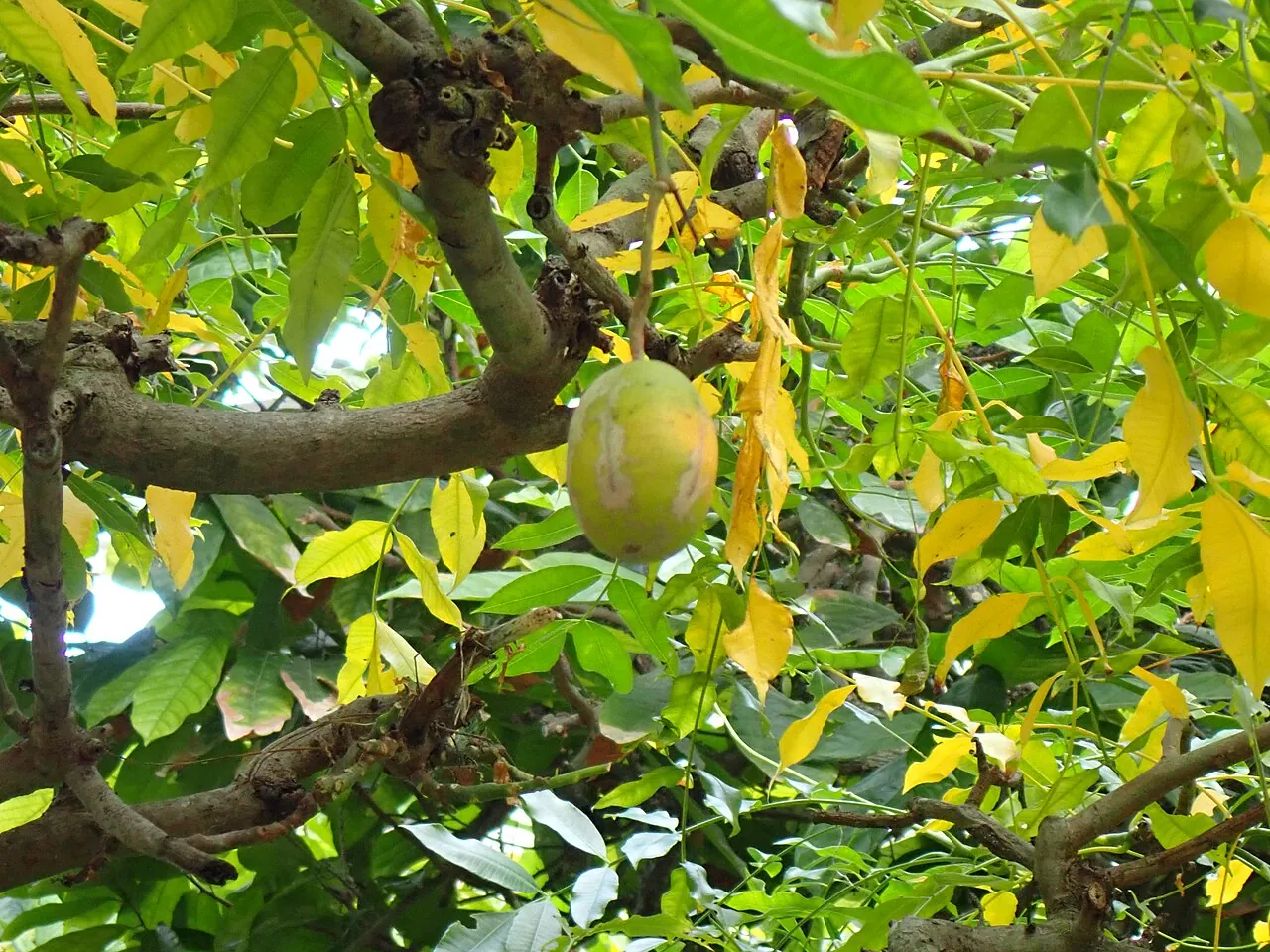
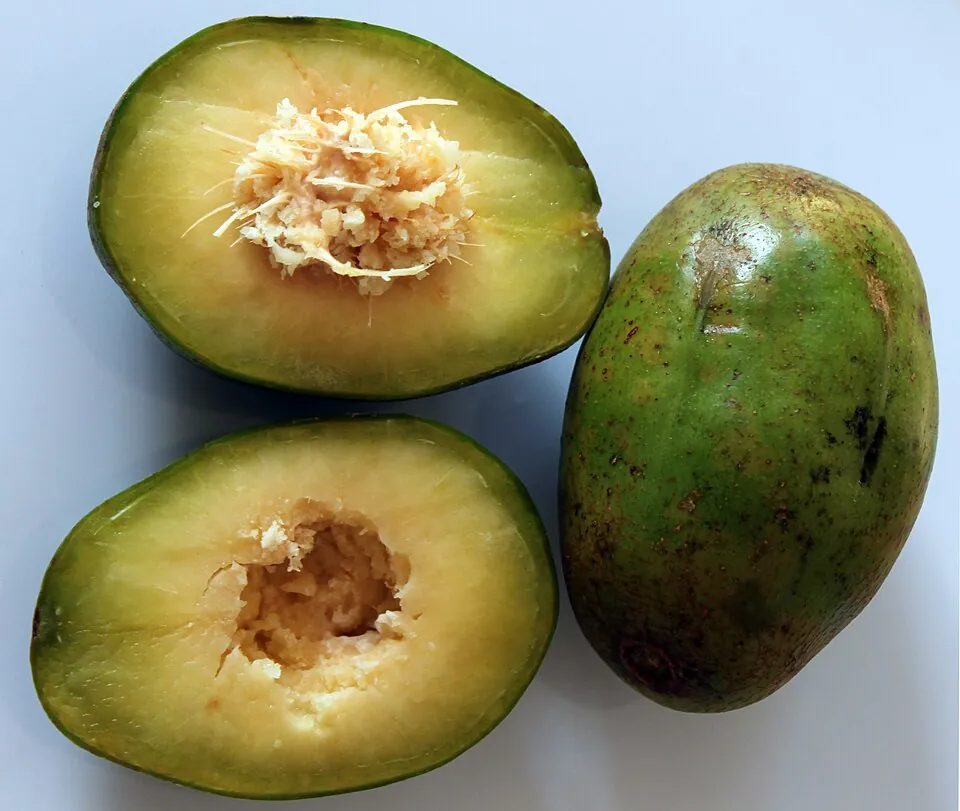
Ambarella has a crisp, juicy bite and a pineapple-like scent, with enough tartness to make it a sharp snack. Its green skin turns golden-yellow as it ripens. Inside is a woody, fibrous core that isn't eaten.
What it is
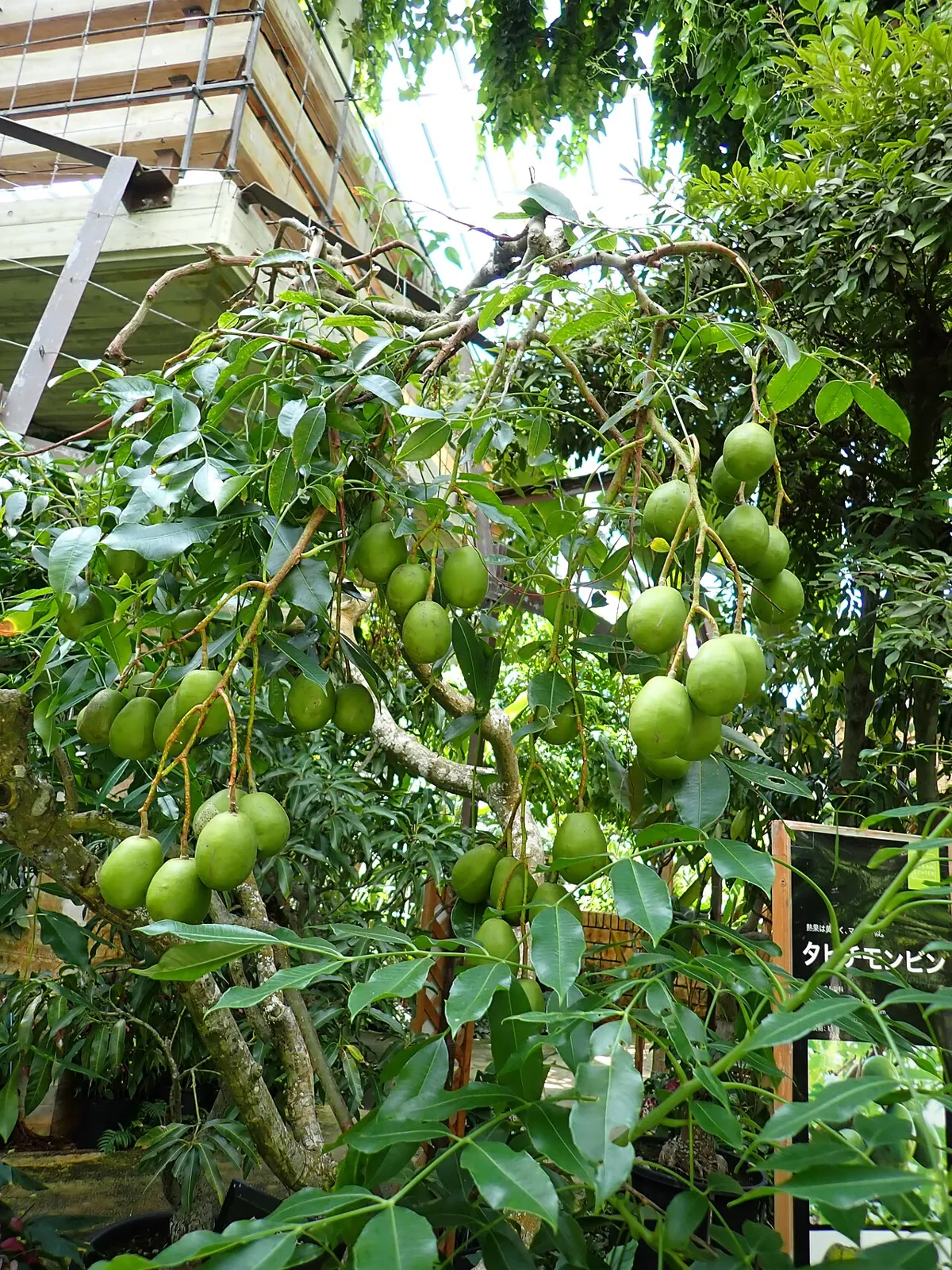
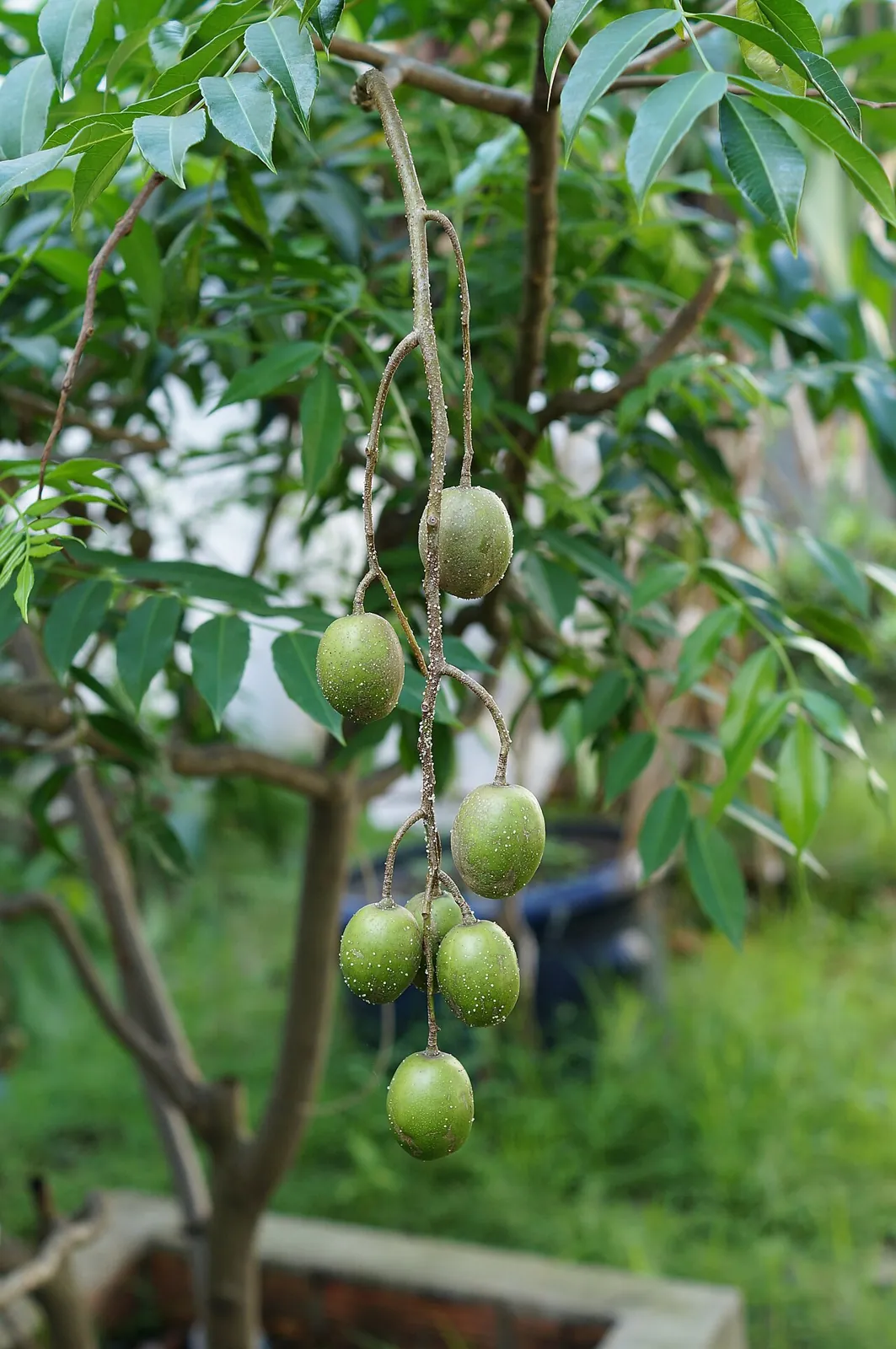
The oval fruit measures about 6.25–9 cm (2½–3½ in) long, with thin but tough skin. Green fruit is hard and sour; ripening brings yellow flesh and a little more sweetness. Firm fruit keeps its crunch.
Once it softens, ambarella develops a muskier smell and flavour. Tough fibres reach into the flesh from the central core and make the softer fruit harder to slice. The pit stays on the plate.
Where it comes from
Ambarella comes from the Pacific islands, from Melanesia through Polynesia. It now grows across the tropics, including India, Sri Lanka and Queensland, Australia, and across the Caribbean from Puerto Rico to Trinidad. In Southeast Asia, the tree is a familiar part of edible home gardens; in Vietnam, the fruit also goes to market.
How it's eaten where it grows
In Trinidad, pommecythere chow turns ambarella into a sharp, peppery snack. Peeled pieces are tossed with salt, garlic, Scotch Bonnet pepper and chadon beni, the herb also called culantro. Lime and lemon juice dress the fruit.
In Southeast Asia, both green and ripe ambarella are eaten raw, pickled or pressed into juice. The tree supplies more than fruit: its young leaves go into salads or are cooked as a vegetable.
How it's grown
Ambarella can reach 12 m (39 ft), though pruning can keep it around 2 m (6½ ft) for easier picking. It likes full sun and soil that drains well. A tree grown from seed takes about four years to begin fruiting; growers can also start trees from woody cuttings or by grafting.
When and where you'll find it
In Hawaii, ambarella usually ripens from November through April; in Tahiti, from May through July. Caribbean markets and specialist produce shops are places to find the fresh fruit under names such as golden apple and pommecythere. For a crisp snack, firm fruit has the juicy, lightly tart bite.
Get it near Detroit
What it tastes like
Softer than an apple, as sweet as a plum≈
More about the taste
Firm fruit is crisp, juicy and mildly acid, with a pineapple-like aroma. As it softens, the flavor turns muskier and the flesh gets harder to slice cleanly around the tough fibers near the core.
Firm fruit is crisp, juicy and mildly acid, with a pineapple-like aroma. As it softens, the flavor turns muskier and the flesh gets harder to slice cleanly around the tough fibers near the core.
Choose, ripen, eat
1ChooseGolden-yellow skin and flesh
Look for
- Golden-yellow skin and flesh
- Firm, for fresh eating
Skin and flesh turn golden-yellow as the fruit ripens. For fresh eating, choose it while still firm rather than fully soft.
2RipenRipens after picking
Ripens after pickingHard, green fruit can ripen after it falls, though there's no set timetable for doing this at home.
3EatFlesh · not woody, fibrous core
Eat
FleshNot eaten
Woody, fibrous coreThe flesh surrounds a woody, fibrous core. Firm fruit is eaten fresh or juiced; unripe fruit is used for pickles, relishes and souring sauces or stews.
Detroit, Michigan
When it’s good hereUsual monthsJust arrivedAt their bestLast chanceAll yearWhere it is in its usual monthsToday, Oct 22Grown hereIn season in your stateShips fromIn season where it growsOrderableListed by a seller we checkedThe day a seller was checked
2 growing areas, 2 countriesUsual monthsToday, Oct 22

- Hawaii
- Tahiti
- You
0 of 2 areas · October
Growing areas by country
- French Polynesia1
- United States1
Ambarella is grown in Southeast Asian home gardens and has spread through tropical areas under many regional names.
39 names in 13 languages
- kedondongroot
- Cóc TahitiVietnamese
Cook it
Strange but trueHistoryNatureWhere the name came fromCustoms and cultureFood and drink
If you like Ambarella
Tastes alike
Close relatives
Same plant family
Used the same way
Sources
Sources
Ambarella · Fruitopia · checked Sep 22, 2026