Sugar palm fruit
Also called Areng palm · Black sugar palm · Black fiber palmArenga pinnata · Arecaceae family
A palm-fruit ingredient whose culinary identity is the prepared young seed interior, distinct from palm sugar.
Find it near DetroitGet to know it
Sugar palm fruit brings a springy chew to a spoonful of dessert. Known as kolang-kaling in Indonesia and kaong in the Philippines, the pale, translucent pieces are the prepared insides of young seeds. Their gentle flavour leaves room for ginger, pandan or coconut milk.
What it is
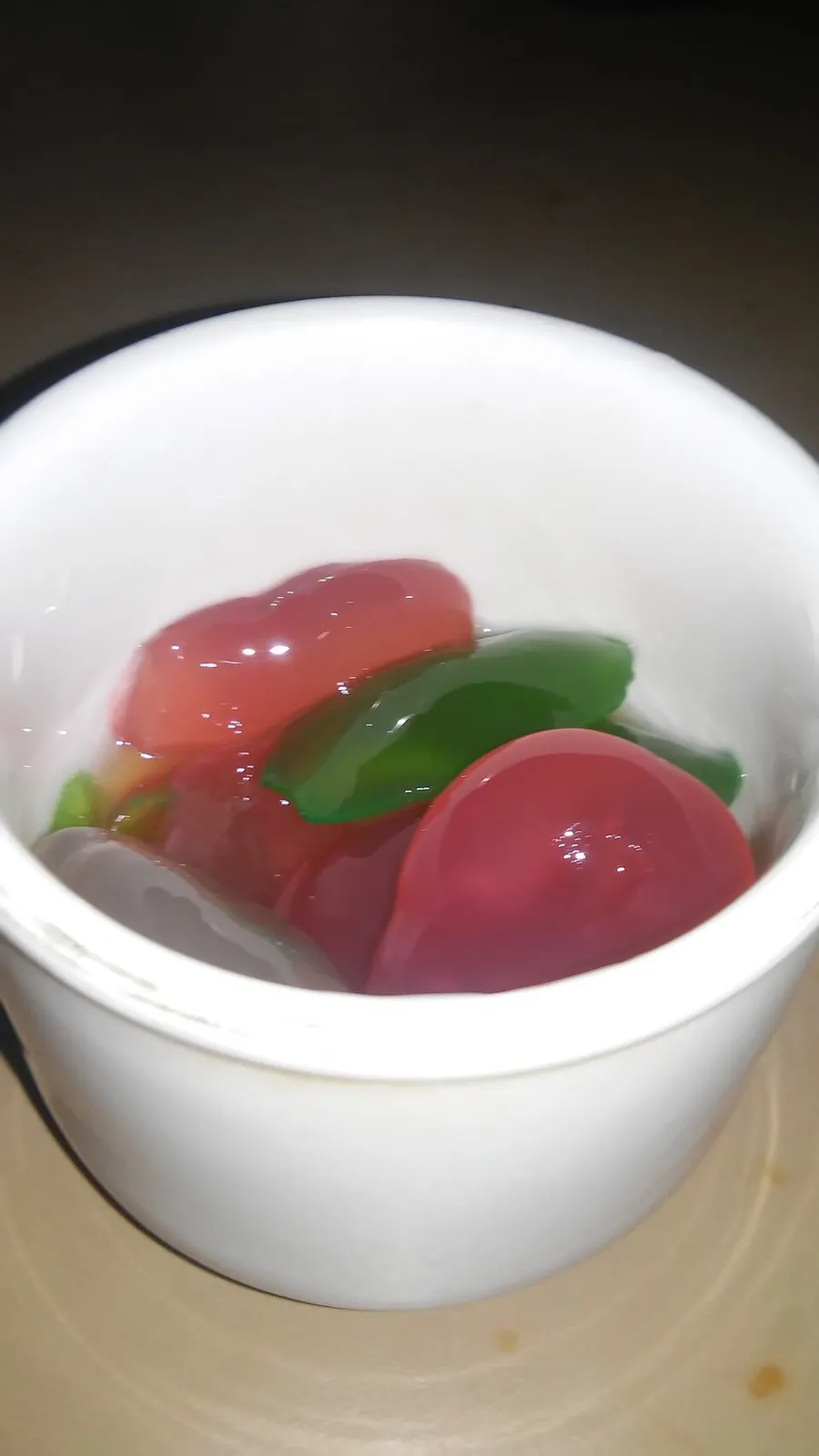
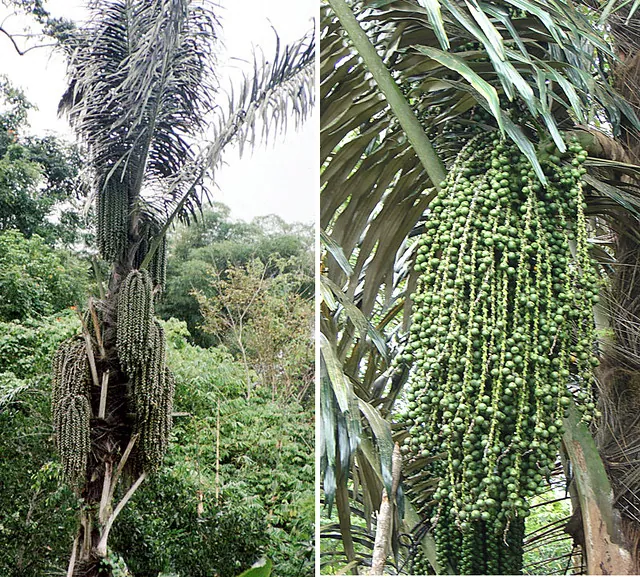
The food comes from Arenga pinnata. Each whole fruit is roughly 5–8 cm (2–3 in) long and holds two or three seeds. The pale interiors of the young seeds, called endosperm, are boiled with sugar to make the oval, chewy pieces.
Those pieces come already prepared. The green peel of the unripe fruit holds calcium oxalate crystals that cause serious skin reactions, so the raw fruit isn't something you bite into.
Where it comes from
The sugar palm is native to Southeast Asia, including Indonesia, Malaysia and Myanmar, and it's widely cultivated in India and Malaysia. It's common in secondary forest and in woodland near villages, and in the Philippines it grows mainly in natural forest. The same tree supplies several different foods.
How it's eaten where it grows
In Indonesia, kolak pairs kolang-kaling with banana in sweet coconut milk. Manisan kolang-kaling jahe simmers the prepared pieces with ginger, sugar and pandan. These sweets are among the foods eaten to break the Ramadan fast.
In the Philippines, kaong adds chew to halo-halo: shaved ice and evaporated milk with sweetened beans, jackfruit and jellies. Flan, purple-yam jam or ice cream can finish the glass.
How it's grown
Arenga pinnata is a tall palm that can reach 20 m (66 ft). Old leaf bases and coarse black fibres cloak its trunk. It grows best with warmth, light and plenty of water. In North Sumatra, irregular flowering keeps the fruit harvest going throughout the year.
When and where you'll find it
In North Sumatra it's harvested all year round. The form that travels is the prepared seed interior, canned or packed, often cooked in syrup. In the US, Filipino groceries are a route to kaong; Phil-Am Market in Moreno Valley, California, lists Kapuso sugar palm fruit.
Get it near Detroit
What it tastes like
As mild as a peach, sweeter than a grapefruit≈
More about the taste
Prepared kolang-kaling is prized for texture more than aroma: the translucent endosperm is chewy and refreshing, with little smell or taste of its own, so syrup, ginger or coconut milk shape the finished dish.
Choose, eat
1ChooseCooked young endosperm
Look for
- Cooked young endosperm
Shop for the prepared product. What you want is the cooked young endosperm, not a fully ripe, yellow whole fruit, which is a different stage.
2EatYoung seed interior
Eat
Young seed interiorBuy prepared kolang-kaling or kaong: the edible part is the young seed's processed interior, not the surrounding raw fruit. Palm sugar, made from the sap, is a separate product.
Detroit, Michigan
When it’s good hereUsual monthsJust arrivedAt their bestLast chanceAll yearWhere it is in its usual monthsToday, Oct 22Grown hereIn season in your stateShips fromIn season where it grows
1 growing area, 1 countryUsual monthsToday, Oct 22

- North Sumatra
- You
1 of 1 areas · October
In Kekait village, West Lombok, Sasak households eat the fruit as bĕaluluk while tapping the flower structures for sugar sap. Farmers leave fruit bunches on the palm as part of its continued use, and the knowledge is passed down within families, with small collectors central to the sugar trade.
31 names in 13 languages
- Bêlulukroot
- BángVietnamese
Cook it
Strange but trueHistoryNatureCustoms and cultureFood and drink
If you like Sugar palm fruit
Tastes alike
Same plant family
Sources
Sources
Sugar palm fruit · Fruitopia · checked Sep 22, 2026
- apps.worldagroforestry.org
- flickr.com
- jifpro.or.jp
- philammarket.com
- plantuse.plantnet.org
- sayurbox.com
- smujo.id
What we don't know yet
Kolang-kaling and kaong both mean prepared Arenga pinnata endosperm. Ice apple, palm sugar from the sap, and the Thai species Arenga westerhoutii are different products.
Preservation methods vary by brand; the ingredient list shows which one you have.