Doum fruit
Also called Gingerbread palm · Doum palm · Dom palmHyphaene thebaica · Arecaceae family
A palm fruit with dry fibrous pulp and a gingerbread comparison, from a tree that also supplies weaving fiber and building timber.
Find it near DetroitGet to know it
Doum is the fruit of a branching palm, with dry, fibrous pulp that can taste like sweet gingerbread. In Egypt, that hard fruit becomes a cold Ramadan drink, or a warming cup made with milk.
What it is
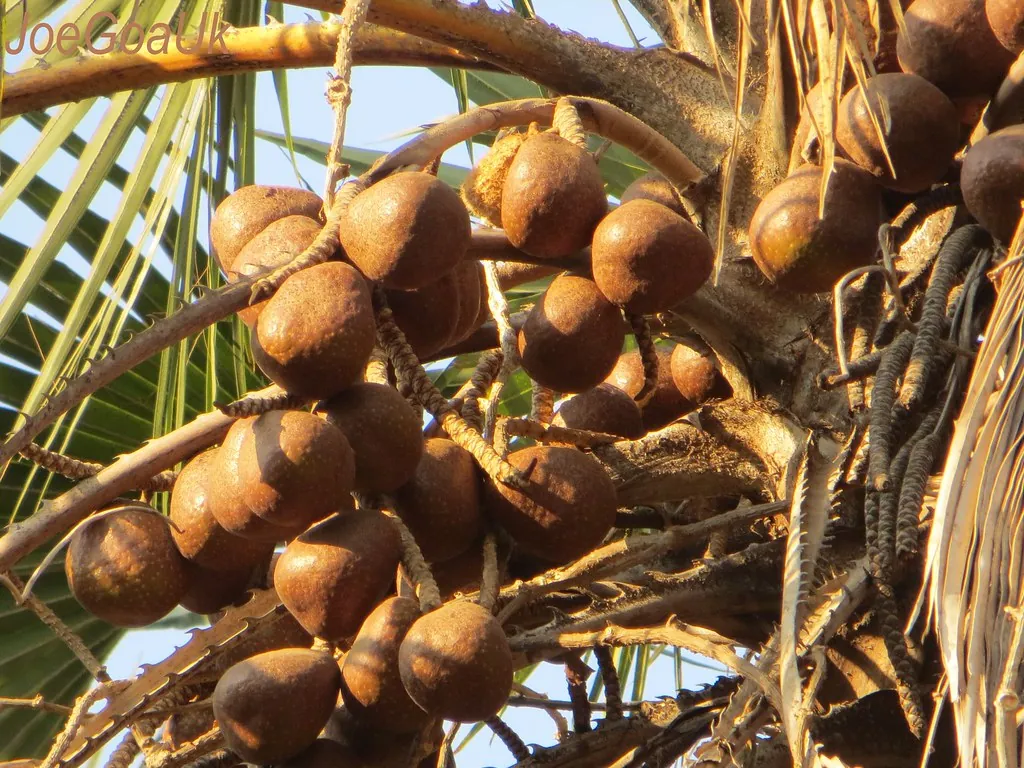
Doum fruits are round, oval or pear-shaped, about 4.5–9 cm (1.8–3.5 in) long. Their smooth outer skin ranges from yellow-brown through orange and red to dark reddish brown. Beneath it sits a thin layer of dry, fibrous pulp around a hard inner shell, usually enclosing one seed.
The gingerbread comparison belongs to the edible pulp. Some trees produce sweet fruit, while the pulp of others is inedible.
Where it comes from
Doum grows across the African Sahel and beside rivers and oases. It also grows in Egypt, the Arabian Peninsula and western India. The palm has a long place in Egyptian life: it was cultivated in ancient Egypt and considered sacred.
How it's eaten where it grows
In Egypt, doum juice is a Ramadan drink. One preparation gently heats ground doum with sugar, adds water, then chills the drink. Another starts with pieces of fruit soaked in water for at least six hours, then warmed, sweetened and strained. Doum with milk takes a different route: ground fruit and sugar go into hot milk, and the drink is served hot.
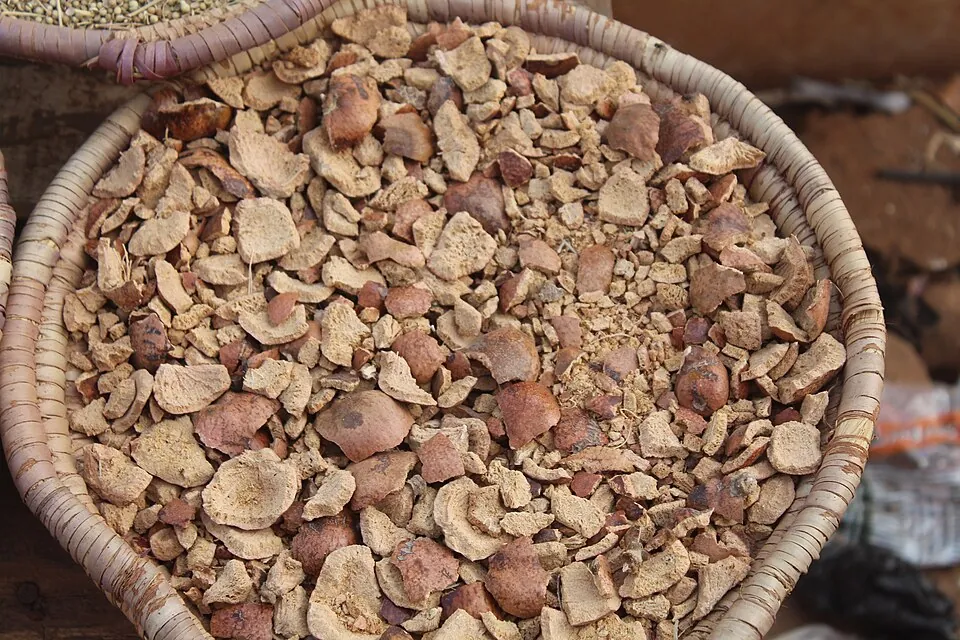
The dry pulp also becomes syrup or is ground into meal for cakes and sweets. It can be cut into slices, or pounded into a powder that is dried and added to food as a flavouring.
How it's grown
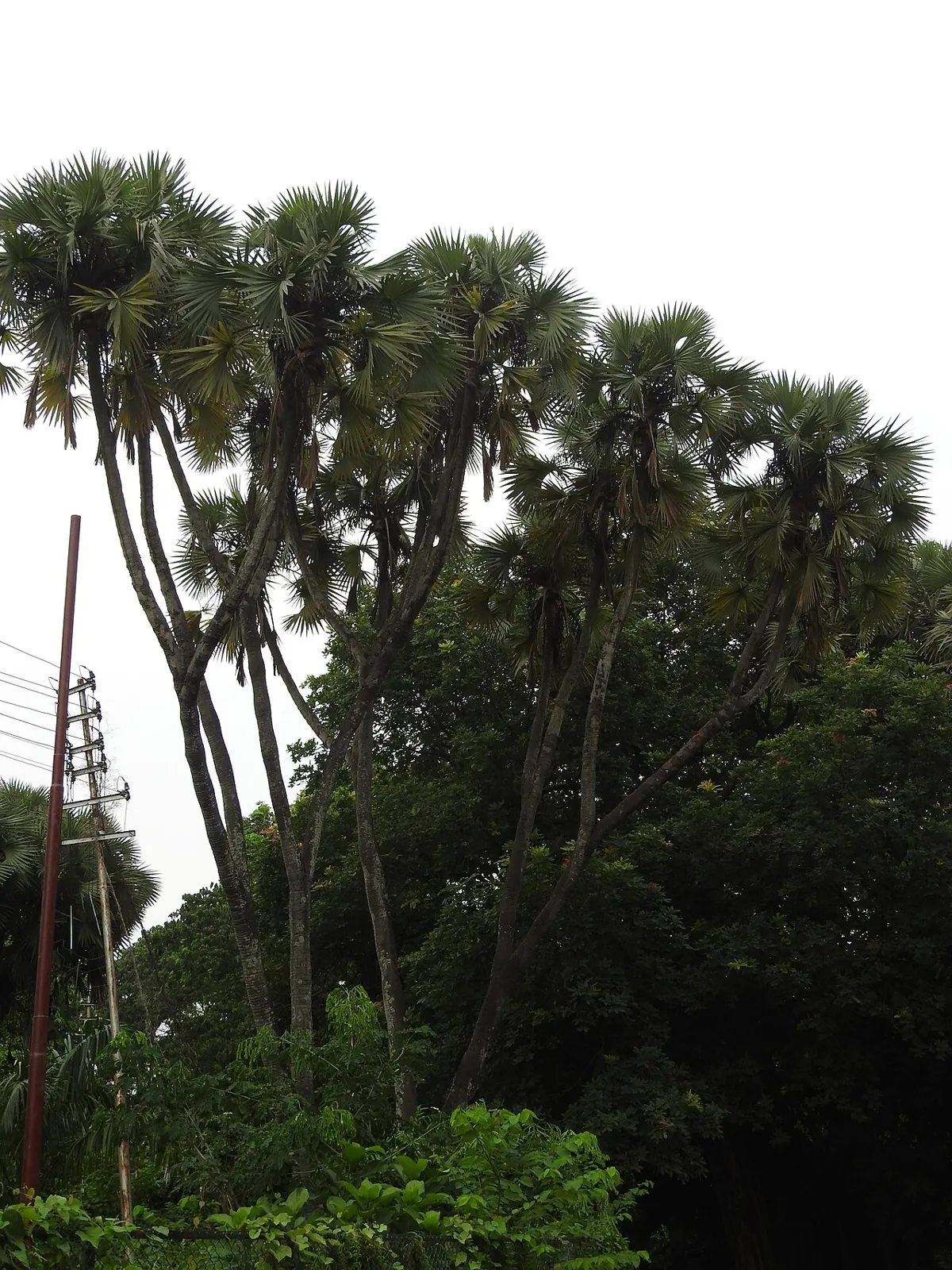
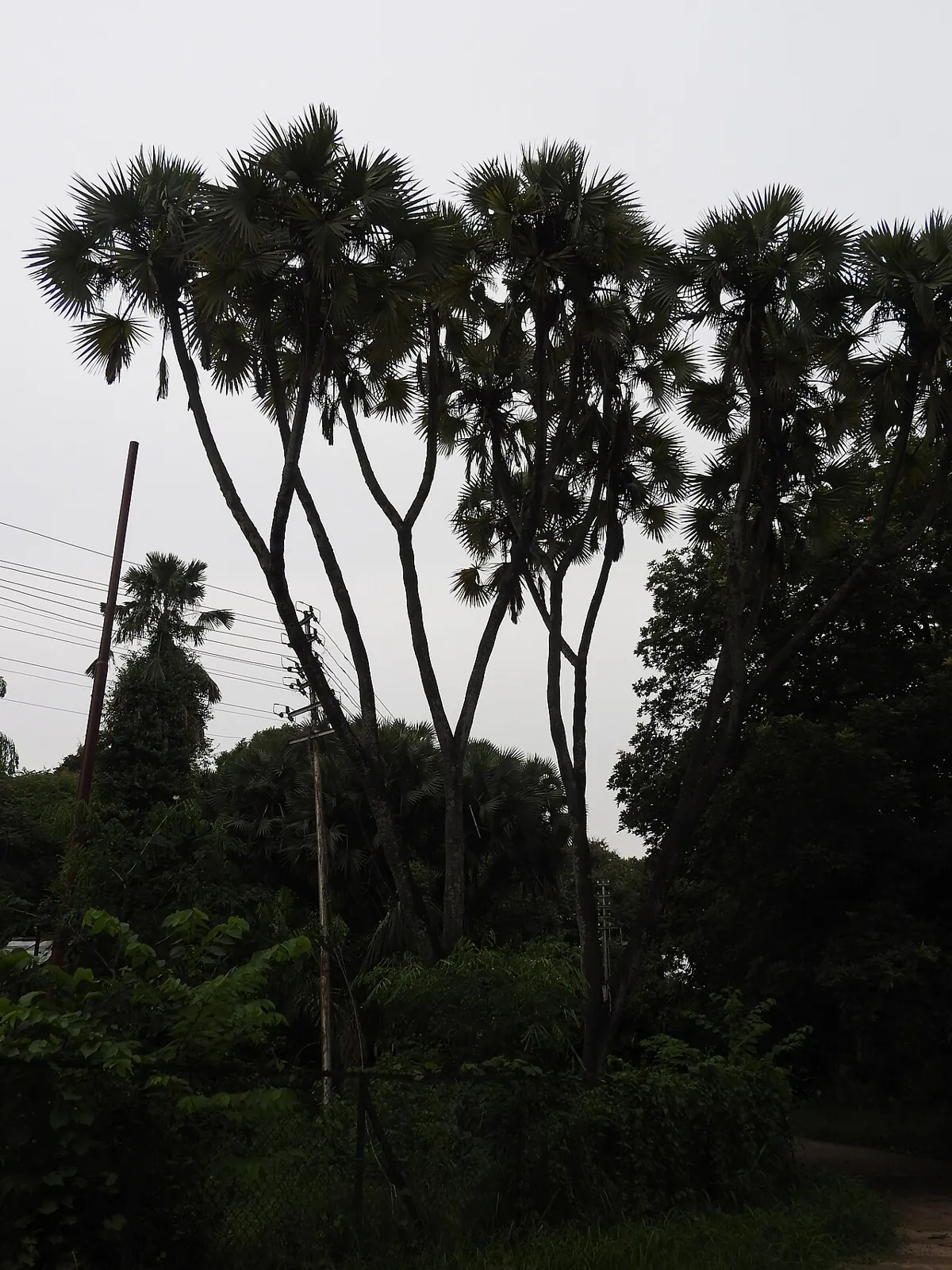
The palm’s trunk forks into a Y, then forks again, making as many as sixteen leafy crowns. Large fan-shaped leaves sit at the tips of the branches. Male and female flowers grow on separate trees, and wind carries the pollen.
New palms grow from seeds or shoots around the base. They withstand drought and some salt in the soil, but stagnant water does not suit them.
When and where you'll find it
In Sudan, doum palms usually fruit from November onward. Across the palm’s range, gathered fruits are sold in towns, and the pulp reaches kitchens as slices or powder. In Egypt, ready-made doum juice is another way to encounter the fruit: iSiS Organic makes a version alongside its other fruit drinks.
Get it near Detroit
What it tastes like
As mild as a peach, sweeter than a grapefruit≈
More about the taste
Doum fruit pulp from some trees is sweet and gingerbread-like; fruit from other trees is inedible, so it matters which tree it comes from.
Doum fruit pulp from some trees is sweet and gingerbread-like; fruit from other trees is inedible, so it matters which tree it comes from.
Choose, eat
1ChooseKnown edible tree
Look for
- Known edible tree
Buy doum fruit from a known edible tree rather than an unidentified palm, since edibility varies between trees.
2EatFibrous pulp
Eat
Fibrous pulpThe fibrous pulp is the main edible part, used directly or ground into meal. The hard mature kernel is a different product, not treated as food here.
Detroit, Michigan
When it’s good hereUsual monthsJust arrivedAt their bestLast chanceAll yearWhere it is in its usual monthsToday, Oct 22Grown hereIn season in your stateShips fromIn season where it grows
43 names in 13 languages
- Karjimroot
- 둠야자Korean
Cook it
Recipes 1
Strange but trueHistoryNatureCustoms and culture
If you like Doum fruit
Tastes alike
Same plant family
Sources
Sources
Doum fruit · Fruitopia · checked Sep 22, 2026