Açaí
Also called Açaí palm · Palisade palm · Cabbage palmEuterpe oleracea · Arecaceae family
The texture in an açaí bowl tells a processing story as well as a fruit story.
Find it near DetroitGet to know it
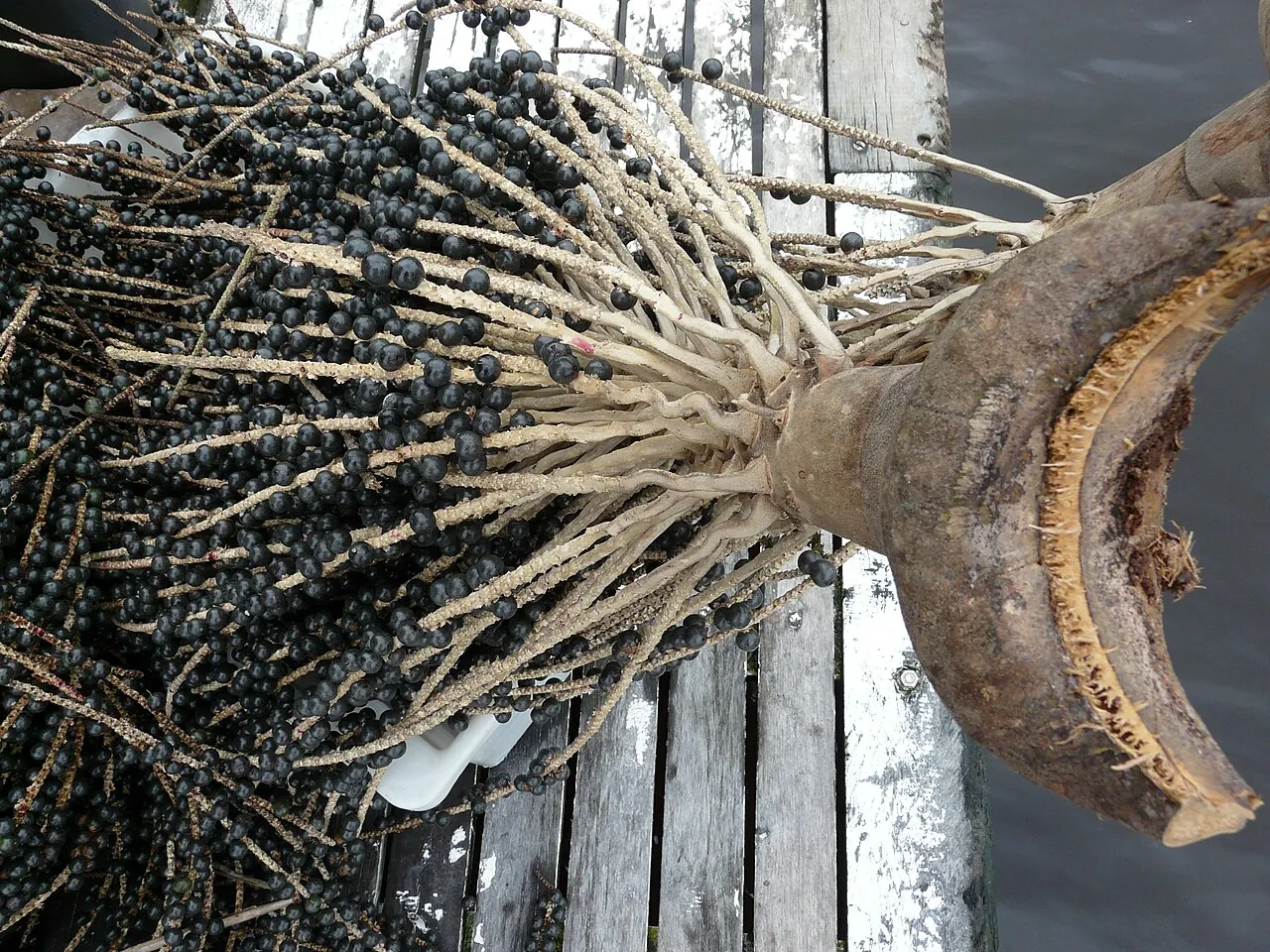
Açaí is a small purple-black palm fruit from the Amazon, with an earthy flavour often likened to dark chocolate. The berries become a thick purple pulp: a companion to fish and shrimp at home, and the base of frozen bowls far beyond Brazil.
What it is
The fruit of Euterpe oleracea is round and about 1.5 cm (0.6 in) across. Most of it is a single stone, covered by a thin edible layer. Soaking softens that layer; pulping and straining separate it from the seed.
The amount of water added during extraction helps determine how thick the finished açaí will be. Thick, medium and thin preparations can all start with the same fruit. A frozen purée packet is already processed pulp, ready for a blender.
Where it comes from
Açaí's native range includes Brazil, Ecuador, Venezuela and French Guiana. In the Brazilian Amazon, it is a traditional food in both riverbank communities and towns. Pará is the centre of Brazilian production, growing about nine-tenths of the country's crop. The fruit comes from both forest palms and plantings on land above the floodplain, including irrigated farms.
How it's eaten where it grows
In Amazonian riverbank communities, açaí accompanies fish, shrimp, meat and tapioca. The pulp drink also goes by vinho de açaí, or açaí juice. This is part of a meal, with the fruit alongside savoury food.
Elsewhere in Brazil and abroad, frozen açaí is often blended with other fruits and syrups, then topped with granola, fruit or nuts. The pulp also goes into ice cream, mousse and sweets.
How it's grown
Açaí palms usually grow in clumps of slender stems, sending new shoots up around the base. They need steady warmth, humidity and water. Growers raise them from seed or separate the side shoots.
The variety BRS Pai d’Égua can give its first harvest at about three and a half years, compared with the fifth year for traditional planting material. Irrigated farms help extend production beyond the main season.
When and where you'll find it
In Pará, the main harvest usually runs from July through December. The fruit spoils quickly, so industrial processors pasteurise and freeze the pulp.
In the US, frozen purée and juice are grocery-store forms of açaí. SAMBAZON's unsweetened packets contain purée from Brazil in 100 g (3.5 oz) portions. Frozen blends with other fruit or syrup are a different preparation from plain, unsweetened purée.
Get it near Detroit
What it tastes like
As mild as a pear, softer than a watermelon≈
More about the taste
Açaí's thickness is partly made during processing: added extraction water changes the density of the pulp. Oxidation turns violet pulp toward brown and affects flavor and texture. Compare similarly prepared products rather than judging one harvest sweeter by thickness or color alone.
The amount of water added during pulp extraction changes the product's density, so thick and thin açaí preparations often differ by processing rather than by the fruit itself. Some packs add sugar.
Oxidation turns the pulp's violet color toward brown and affects flavor and texture; color reflects handling, not sweetness.
Choose, store, eat
1ChooseLook for the food form and ingredients, including whether the product is pulp or a mixture
Look for the food form and ingredients, including whether the product is pulp or a mixture.
2StoreAçaí is highly perishable
Açaí is highly perishable; producers pasteurize or freeze it. Follow the product's own storage instructions.
3EatPulp · not seed
Eat
PulpNot eaten
SeedThe edible outer fruit tissue is separated from the seed during pulp extraction. The pulp is used in foods such as ice cream and yogurt.
Detroit, Michigan
When it’s good hereUsual monthsJust arrivedAt their bestLast chanceAll yearWhere it is in its usual monthsToday, Oct 22Grown hereIn season in your stateShips fromIn season where it grows
5 growing areas, 1 countryUsual monthsOur estimated monthsToday, Oct 22

- Bahia
- Espírito Santo
- Pará +1
- You
2 of 2 areas · October
The established Amazonian açaí economy has links to newer juçara-pulp businesses in Santa Catarina, Brazil: knowledge, machinery and demand travel between regions even though the palms are different species.
2 varieties
42 names in 15 languages
- அகாய் பனைTamil
- അസ്സായി പനMalayalam
- Palem açaíIndonesian
Cook it
2 açaí festivalsUsual monthToday, Oct 22
Strange but trueHistoryA myth, and the truthScienceNatureWhere the name came fromCustoms and cultureFood and drinkA record
If you like Açaí
Tastes alike
Same plant family
Sources
Photos · 3
VihelikPublic domain 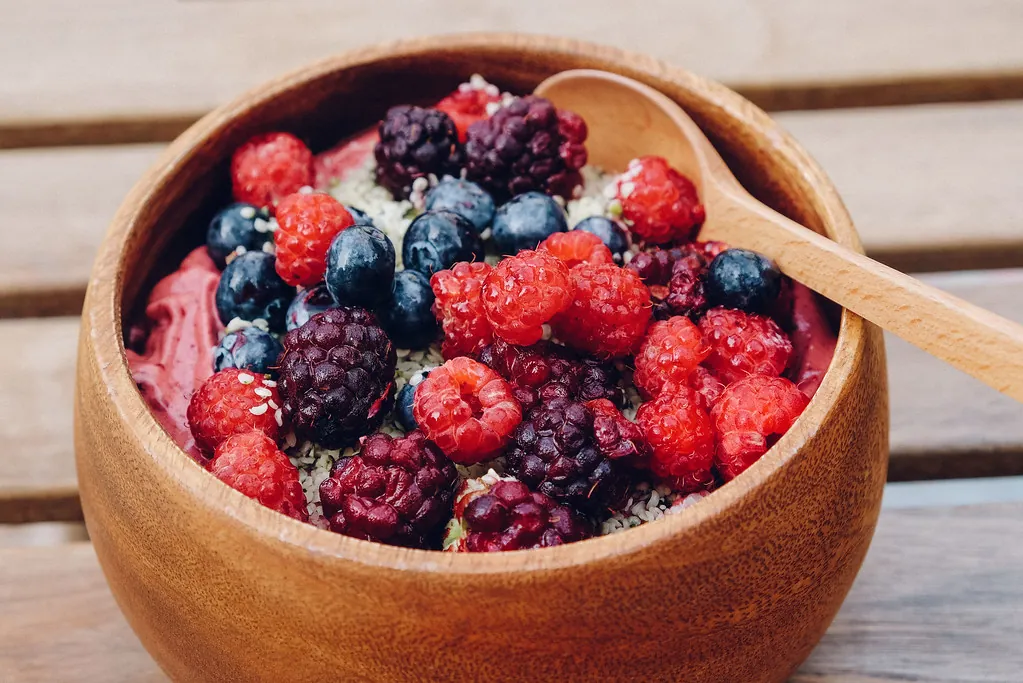
Ella OlssonCC BY 2.0 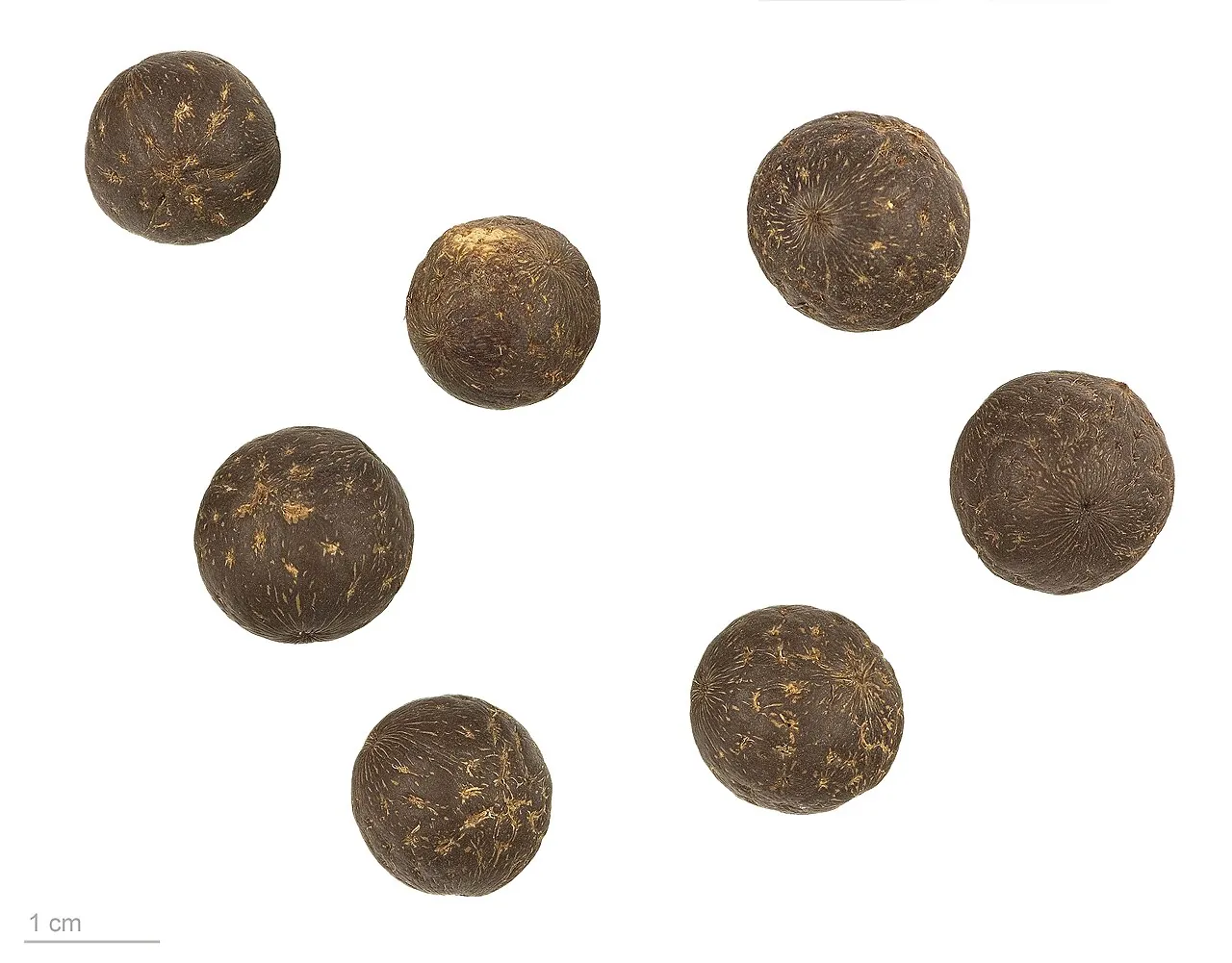
Roger CulosCC BY-SA 3.0
Sources
Açaí · Fruitopia · checked Sep 22, 2026