Rambai
Baccaurea motleyana · Phyllanthaceae family
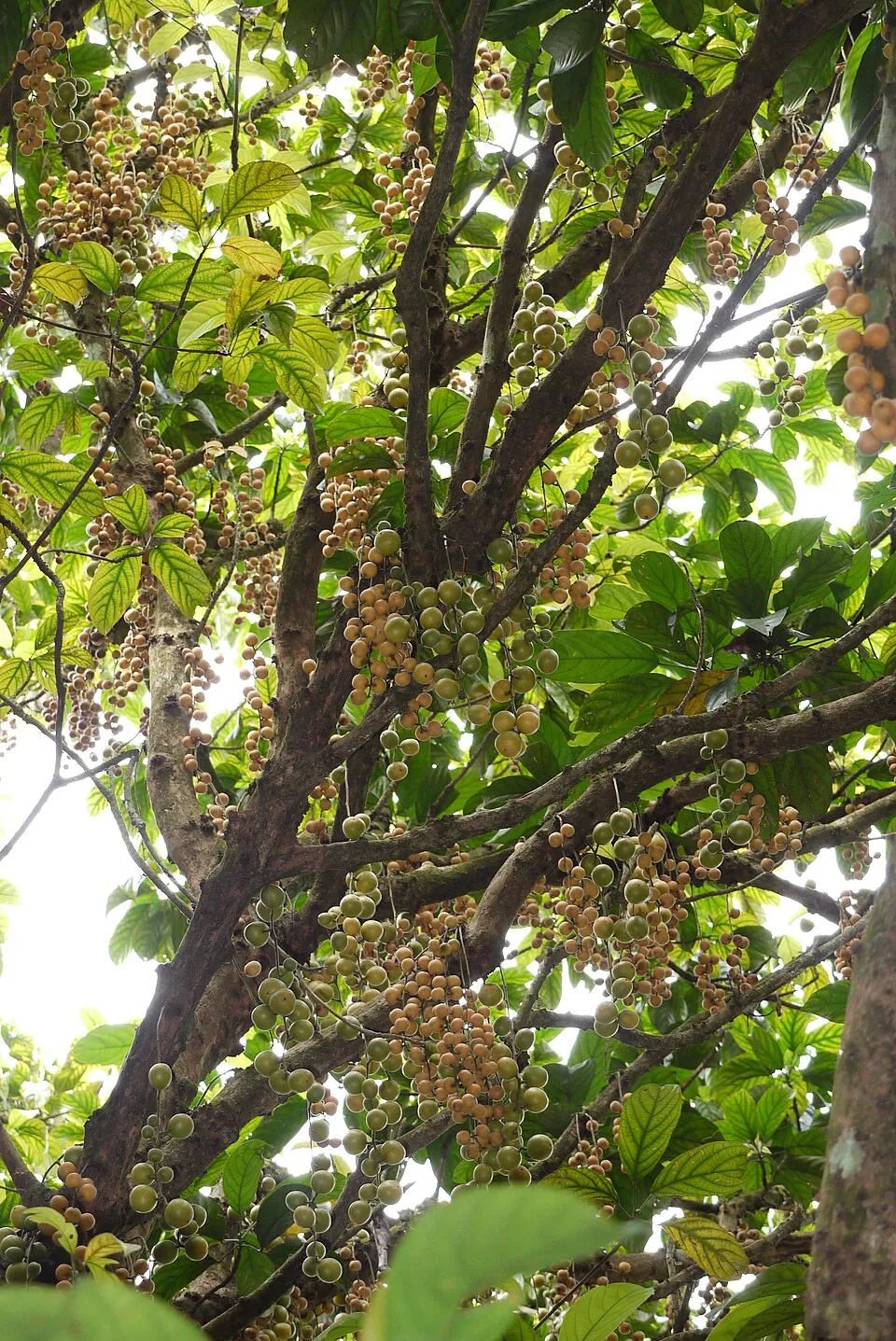
Rambai places pale, seed-wrapped flesh inside modest buff-colored fruit. Strings of fruit on an established tree make a different visual experience from the loose individual fruit found at a market.
Find it near DetroitGet to know it
Rambai hangs in long strings from the trunk and old branches of a Southeast Asian tree. Inside its pale skin, translucent flesh clings to each seed, anywhere from sweet to sharply sour. Even the peel gets cooked, into curries and sambals.
What it is
Rambai is Baccaurea motleyana. The round fruit measures 2.2–4.5 cm (about 0.9–1.8 in) across and turns a soft buff colour. Its thin, velvety skin wrinkles after ripening.
Inside, the flesh is translucent white, sometimes tinged purple. It separates into segments, each wrapped around a flat brown seed. The seed clings to the flesh, so you eat around it. Some rambai are sweeter and others more acidic.
Where it comes from
Rambai is native to Peninsular Malaysia, Singapore, Sumatra and Borneo. It grows in lowland rainforest and on forested hills, including forest that has grown back after disturbance. Growers also plant it in Java and Bali, and it has spread to Thailand and the Philippines. In Singapore, the native tree is critically endangered.
How it's eaten where it grows
The peel is food too: it can be cooked into curries or mixed into sambals. Penang's Tropical Fruit Farm gives a recipe for masak lemak kulit rambai kering, a coconut curry of dried rambai peel. The peel is soaked until soft, then cooked with chilli, turmeric, lemongrass and coconut milk; shrimp go in towards the end.
The fresh flesh is usually eaten raw, and also made into drinks or preserved in sugar. In Borneo, surplus fruit becomes vinegar. At the Malaysian restaurant Dewakan, rambai is served raw or its juice is turned into rambai ice.
How it's grown
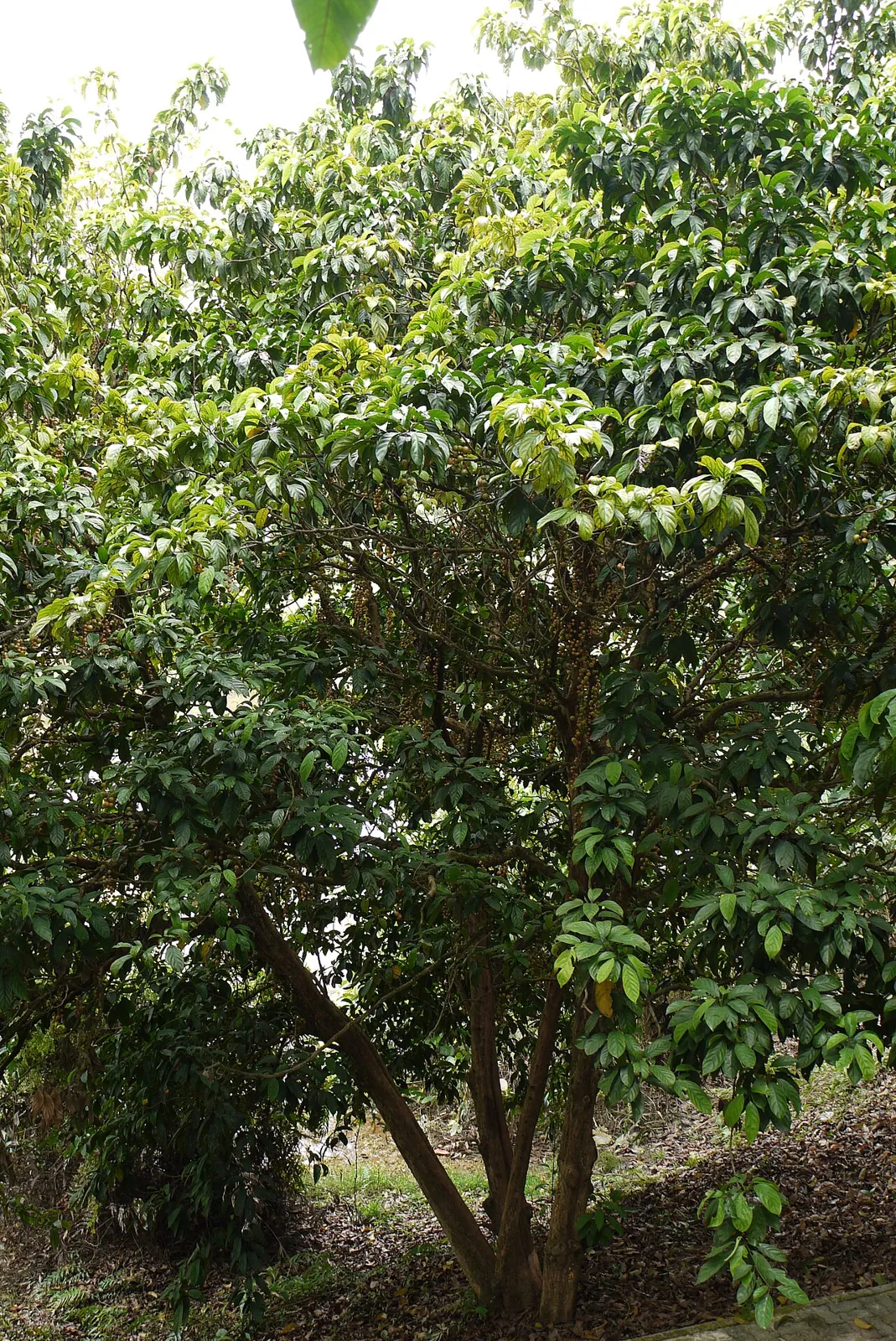
The evergreen tree spreads a low, round, bushy crown. Male and female flowers grow on separate trees. Growers can make new female plants by air layering: rooting a branch while it is still attached to the parent tree.
Rambai favours moist ground near rivers. Harvesters pick whole strings when the fruit turns white; fruit picked early can be rather sour.
When and where you'll find it
In Peninsular Malaysia, rambai usually fruits from July to September. In Borneo, its usual fruiting window stretches from May to January. In Melaka, fresh rambai is a seasonal farmers’ market and night-market fruit. Roadside sellers are another part of its Malaysian fresh-fruit trade.
Get it near Detroit
What it tastes like
As sweet as a banana, as mild as a peach≈
More about the taste
Rambai has a sweet, translucent white-to-purple aril surrounding each seed, in brownish-yellow to buff fruit at maturity.
Rambai has an edible sweet aril, translucent white to purplish, around each seed.
The roughly round fruit turns brownish-yellow or buff at maturity and doesn't split open.
Choose, eat
1ChoosePale fruit strings
Look for
- Pale fruit strings
Taste a sample when fruit strings turn pale - fruit picked too early can be quite acidic.
2EatAril · not seed
Eat
ArilNot eaten
SeedThe edible part is the aril around the seed; the seed itself is not meant to be eaten.
Detroit, Michigan
When it’s good hereUsual monthsJust arrivedAt their bestLast chanceAll yearWhere it is in its usual monthsToday, Oct 22Grown hereIn season in your stateShips fromIn season where it grows
2 growing areas, 1 countryUsual monthsOur estimated monthsToday, Oct 22

- Pahang
- Penang
- You
0 of 1 areas · October
Rambai is grown in Peninsular Malaysia, Sumatra, Borneo, Java and Bali, and has since spread to neighboring countries.
13 names in 8 languages
Cook it
Strange but trueNatureFood and drink
If you like Rambai
Tastes alike
Same plant family
Sources
Sources
Rambai · Fruitopia · checked Sep 22, 2026