Masuku
Uapaca kirkiana · Phyllanthaceae family
A southern African woodland fruit with sweet pulp and a short postharvest life.
Find it near DetroitGet to know it
Masuku is a woodland fruit from southern Africa with sweet, yellow flesh that tastes like pear. A tough yellow-brown skin encloses the pulp and several seeds. In Zimbabwe, that pulp also becomes mazhanje jam, tucked inside little pastries and served warm.
What it is
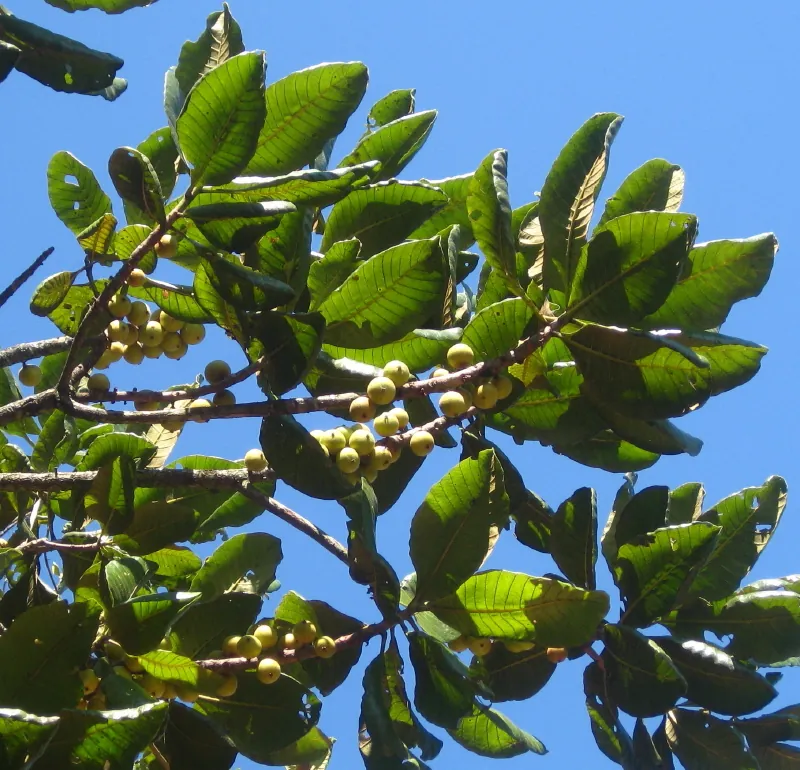
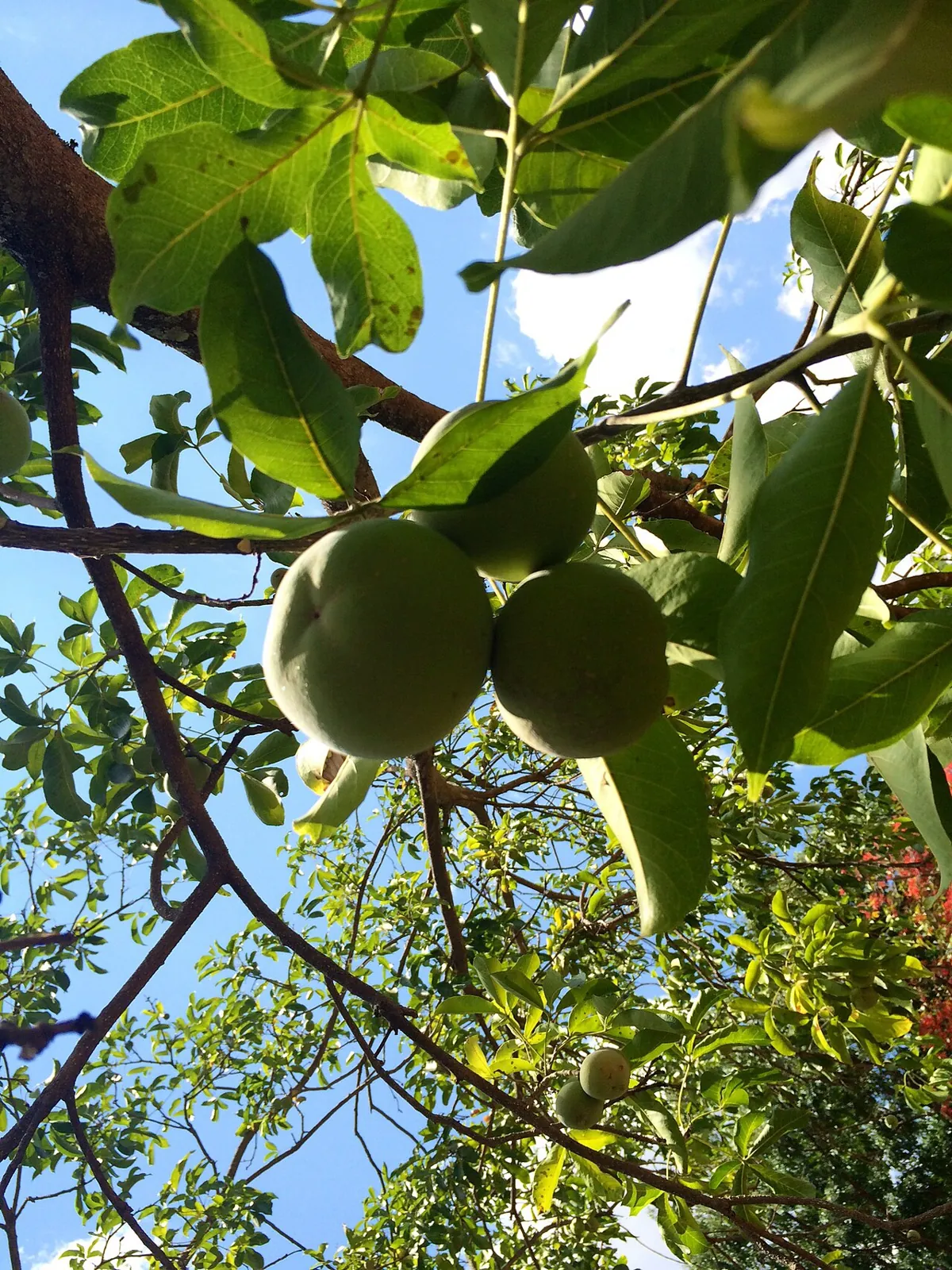
Masuku is the fruit of Uapaca kirkiana, also known in English as wild loquat. The round fruit reaches about 3.3 cm (1.3 in) across. Inside the tough skin, the yellowish pulp surrounds three or four seeds. The sweetness and pear-like flavour are in that flesh, which is eaten fresh or separated from the seeds for jam.
Where it comes from
The tree is native to a broad stretch of Africa that includes Angola, the Democratic Republic of the Congo, Tanzania, Zambia, Malawi, Mozambique and Zimbabwe. It grows in miombo woodland, including open areas and gaps between trees. Its names change with the language: musuku in Bemba and muzhanje in Shona. Spreading branches give it a dense, rounded crown.
How it's eaten where it grows
In Zimbabwe, mazhanje is a fresh snack and a fruit for preserves. Cook Princess Tafadzwa scoops out the flesh and seeds, presses them through a sieve, then cooks the strained pulp with sugar and lemon juice for jam. Her mazhanje hand pies sandwich the jam between two sheets of pastry and are eaten warm.
In Malawi, masuku also goes into napolo ukana, an opaque beer. In Malawi and Zambia, it is also made into wine.
How it's grown
The trees reach 5–12 m (16–39 ft) tall. Well-drained, acidic sandy or gravelly ground suits them, with frost-free sites giving the best conditions. Flowering peaks in the rainy season. The fruit then takes five to eight months to develop, carrying on through the dry season into the next rains.
When and where you'll find it
In Dedza, Malawi, the usual market season runs from October through January. The people selling at roadside markets also gather the fruit. All season they knock mature but unripe fruit from the trees and ripen it in soil, bags or clay pots. In December and January, they also gather fruit that has fallen on its own.
Fresh masuku has a short life. In Dedza’s roadside trade, the fruit keeps for only about three or four days after ripening before it shrivels, softens too far or the pulp browns and dries.
Get it near Detroit
What it tastes like
As sweet as a banana, as mild as a peach≈
More about the taste
The flesh is yellowish and sweet, with a pear-like flavor, inside a tough yellow-brown skin and around several seeds.
The flesh is yellowish and sweet, with a pear-like flavor, inside a tough yellow-brown skin and around several seeds.
How to buy it
1EatFlesh · not skin
Eat
FleshNot eaten
SkinFor Princess Tafadzwa's jam, scoop the flesh and seeds from the skin, then press the pulp through a sieve rather than blending it, which would break the seeds. The strained pulp goes into the jam and hand pies.
Detroit, Michigan
When it’s good hereUsual monthsJust arrivedAt their bestLast chanceAll yearWhere it is in its usual monthsToday, Oct 22Grown hereIn season in your stateShips fromIn season where it grows
Cook it
Strange but trueWhere the name came fromCustoms and culture
If you like Masuku
Tastes alike
Same plant family
Sources
Sources
Masuku · Fruitopia · checked Sep 22, 2026