Matoa
Pometia pinnata · Sapindaceae family
Matoa is a reminder that a forest tree can be valued for a small, sweet part of its fruit as well as for its timber. Its many regional names reflect a range extending across tropical Asia into the Pacific.
Find it near DetroitGet to know it
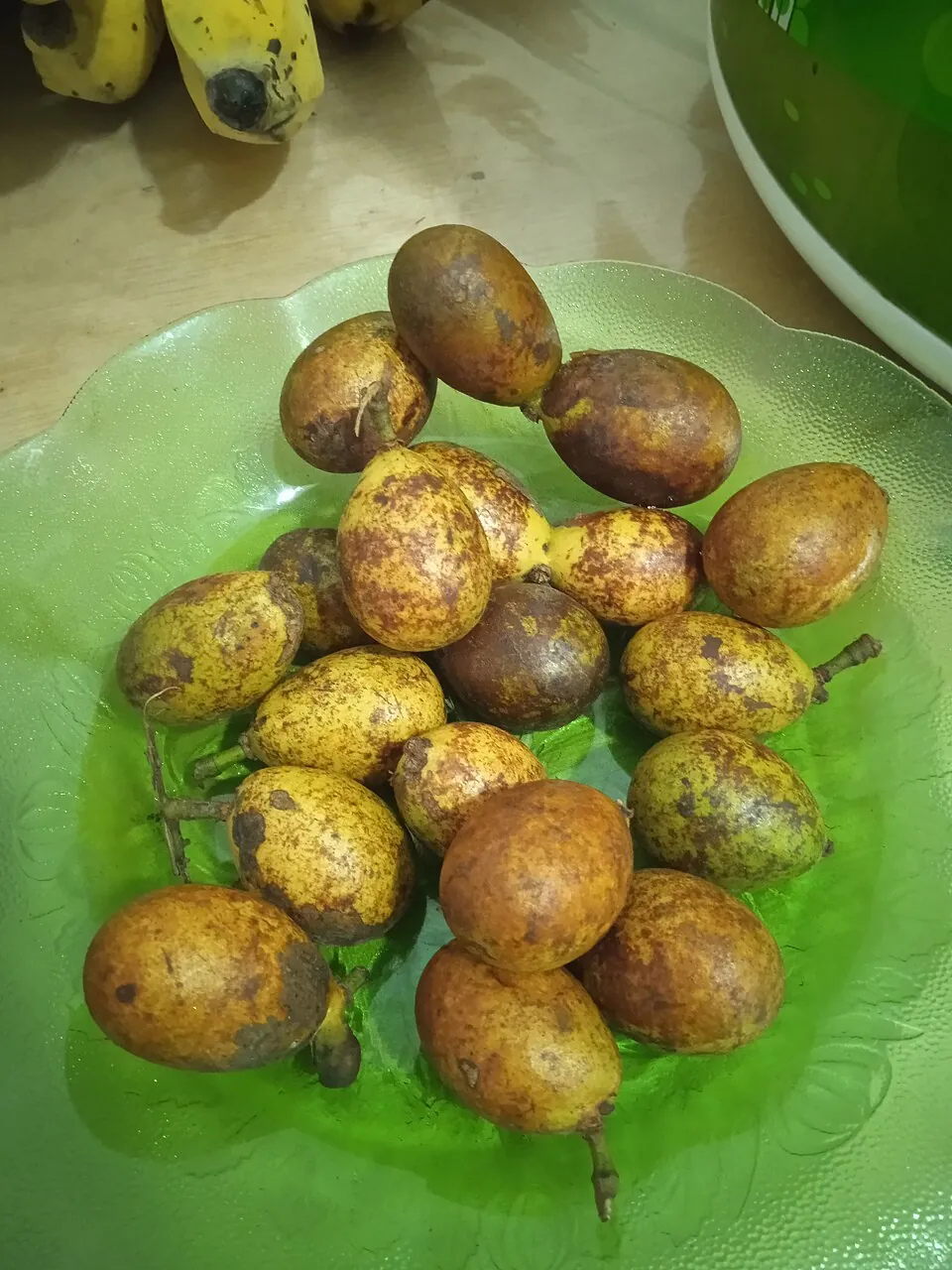
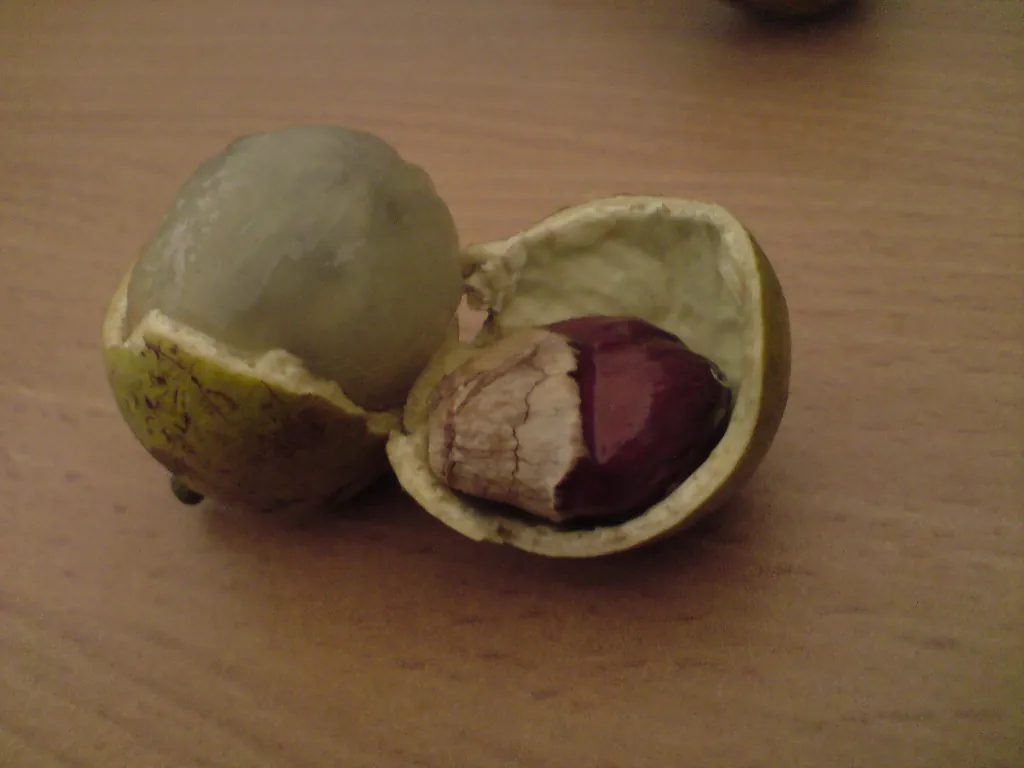
Matoa has sweet, pale flesh wrapped around one large seed, with a flavour like a mild lychee. Twist the smooth skin and it comes away in two shell-like halves. This small fruit grows on a forest tree that also supplies timber.
What it is
Matoa, Pometia pinnata, measures about 1.5–5 cm (⅝–2 in) long. Its white to pinkish flesh is translucent and jelly-like. The part you eat is the fleshy covering around the seed.
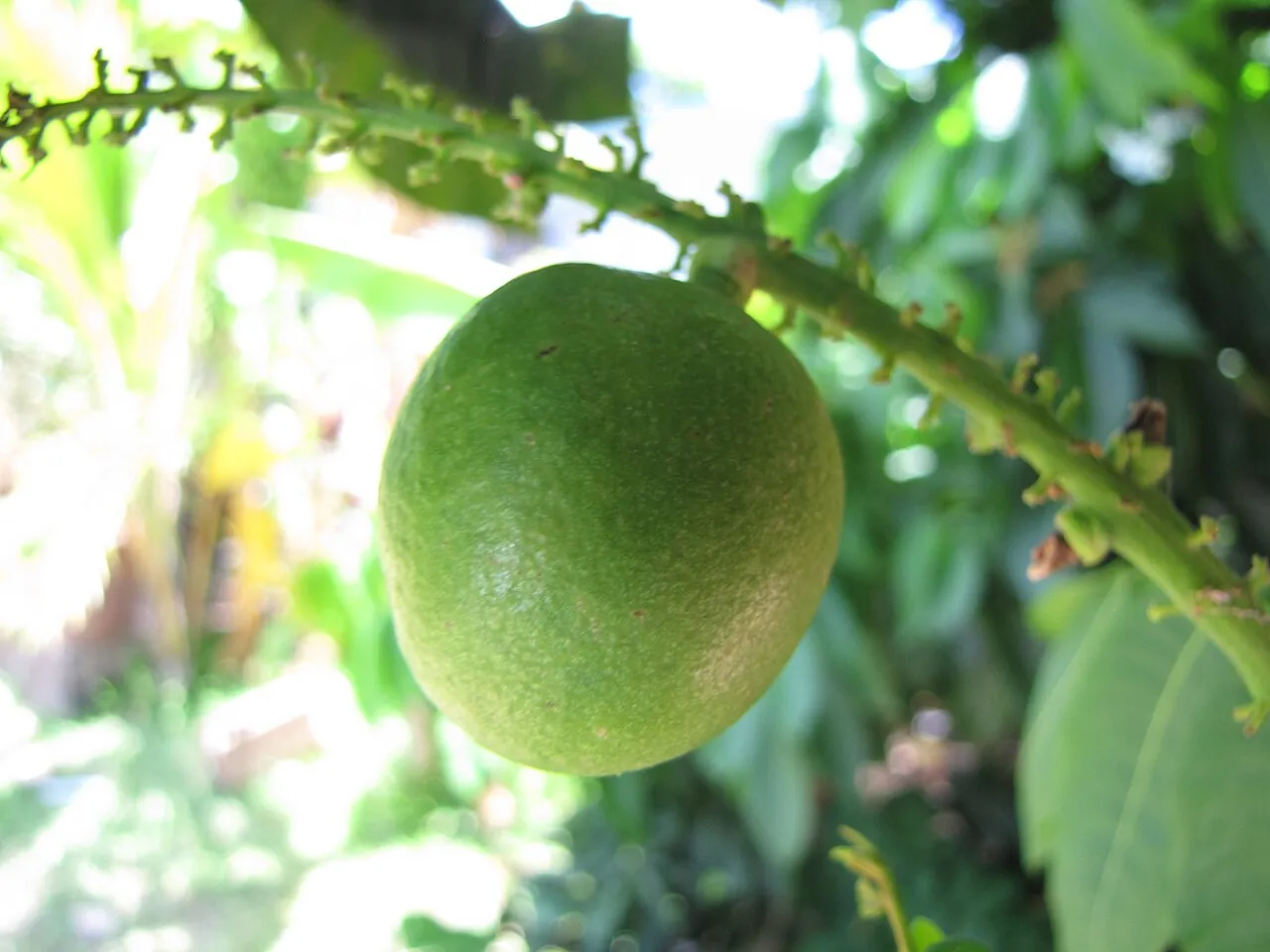
Ripe colour depends on the type. In Pekanbaru, green matoa can stay green or become yellow-green or red-tinged. Dark-skinned types pass through an astringent dark-red stage before becoming black and sweet.
Where it comes from
The tree’s range runs from Sri Lanka and the Andaman Islands through Southeast Asia to Taiwan, Fiji and Samoa. The same species supplies timber called kasai.
In Pekanbaru, Indonesia, matoa began as a tree marking field boundaries. As people wanted more of the fruit, farmers kept the trees with the best-tasting fruit and began growing them more intensively.
How it's eaten where it grows
In Tangerang, Indonesia, es buah matoa puts peeled, deseeded fruit into an iced drink with cocopandan syrup and basil seeds. The seeds soak in warm water first, then join the fruit, syrup, cold water and ice.
An Indonesian asinan matoa pairs the fruit with pineapple in a sweet, salty chilli dressing. The dressing cools after boiling before the fruit and lemon or lime juice go in.
How it's grown
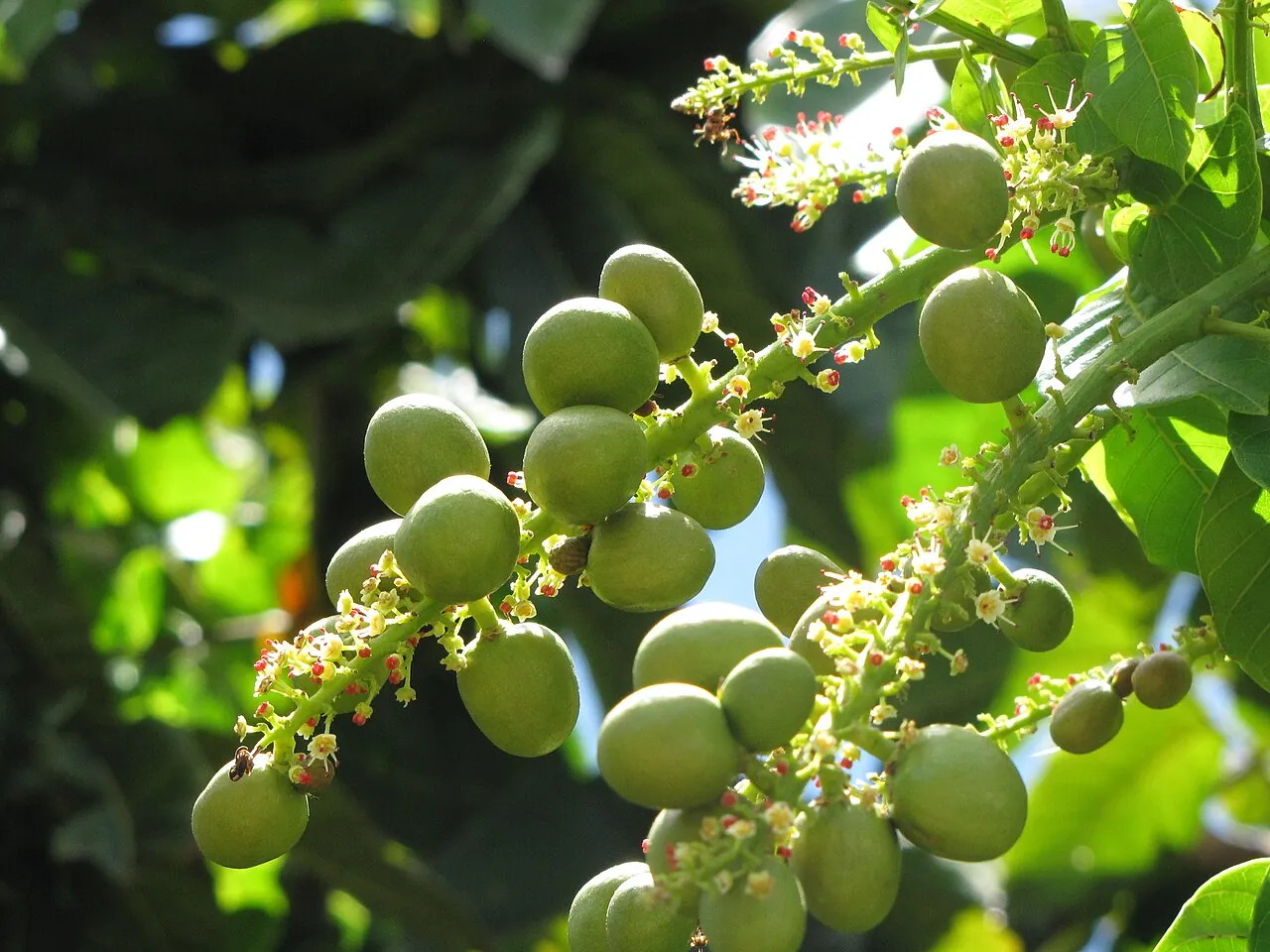
Matoa grows in warm, humid climates and commonly reaches 12–20 m (39–66 ft) tall. In Pekanbaru, trees generally begin bearing after about three years. Growers cut fruiting branches at harvest, pruning as they pick. Choosing which trees to keep also shapes the crop: seedlings can differ in flesh thickness, sweetness and texture.
When and where you'll find it
In Pekanbaru, matoa usually fruits in May and June, then again in September and October. Fresh fruit reaches roadside stalls, traditional markets, supermarkets and Indonesian online sellers. In Fiji and Tonga, the main season usually falls in February and March. Tongans call the fruit tava.
Get it near Detroit
What it tastes like
As sweet as a banana, as mild as a peach≈
More about the taste
The fruit has a thick, sweet-tasting arillode, though flavor varies between matoa forms.
A thick, sweet-tasting arillode surrounds the seed, though flavor differs between forms.
Choose, eat
1ChooseBlack-skin rule
Ignore
- Black-skin rule
Ask which matoa type you're buying. In Pekanbaru, black-skinned matoa is astringent while dark red and sweeter once black; but ripe green types can stay green, yellow-green or red-tinged, so a black-skin rule doesn't apply to every matoa.
2EatFleshy covering
Eat
Fleshy coveringThe fleshy covering around the seed is the sweet edible part. The seeds are also sometimes eaten, but without a clear preparation method, so no raw-seed advice is given here.
More tips
Worth knowing
- Some matoa types ripen green rather than black; ask the seller which type it is.
Detroit, Michigan
When it’s good hereUsual monthsJust arrivedAt their bestLast chanceAll yearWhere it is in its usual monthsToday, Oct 22Grown hereIn season in your stateShips fromIn season where it grows
13 names in 6 languages
- obahuroot
Cook it
Strange but trueCustoms and cultureFood and drink
If you like Matoa
Tastes alike
Sources
Photos · 4
Sources
Matoa · Fruitopia · checked Sep 22, 2026