Mobola plum
Parinari curatellifolia · Chrysobalanaceae family
An African tree fruit used fresh, in porridge and as the basis of a drink syrup.
Find it near DetroitGet to know it
Mobola plum is an African fruit with yellow flesh and a taste and texture a little like sweet potato. In Zimbabwe, its sweet pulp becomes hacha syrup, mixed with millet to make small cakes called zvambwa. A hard stone sits inside each fruit.
What it is
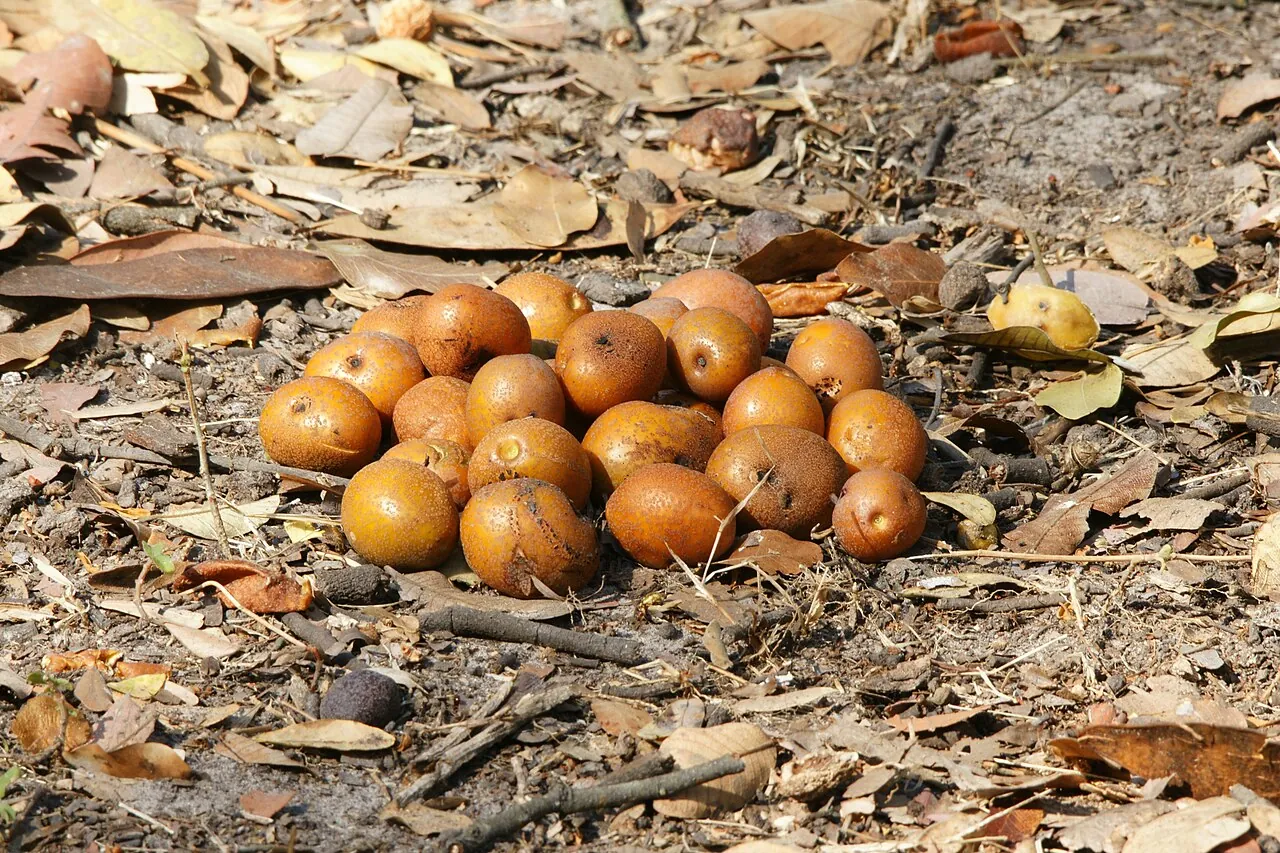
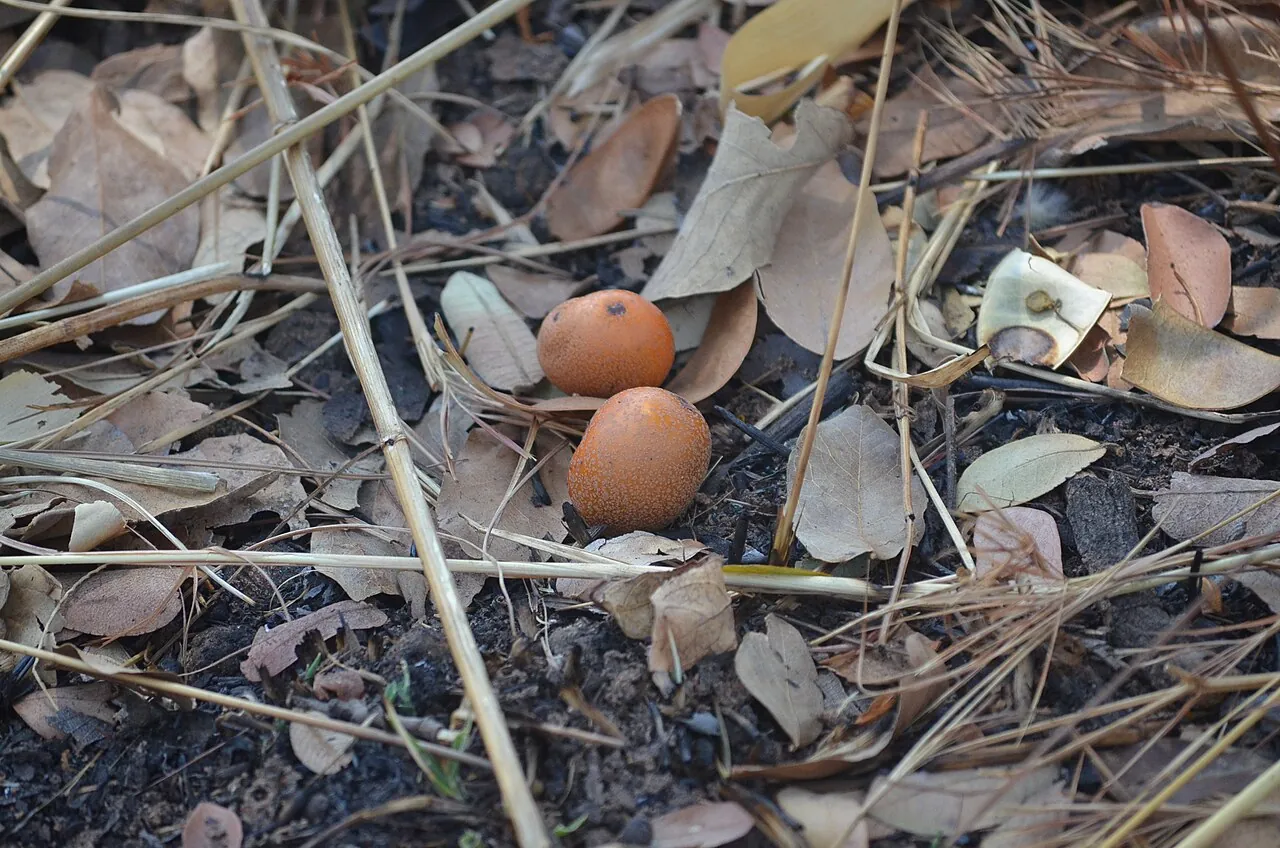
Parinari curatellifolia belongs to the coco plum family. The fruit is round or oval, reaching 5 cm (2 in) long and 3.5 cm (1.4 in) wide, with leathery skin around the flesh. Inside is a hard stone holding a single seed; the yellow pulp is the part eaten fresh.
Where it comes from
The tree is native across tropical Africa, from Senegal through Kenya to Zambia, Zimbabwe and South Africa. In Zambia it grows widely in woodland, especially on sandy soils. There it goes by mupundu or mubula; in Zimbabwe, muhacha and muchakata are among its names.
How it's eaten where it grows
In Bondamakara, in Zimbabwe’s Mutoko district, Agnes Machona makes her children’s favourite snack, mahanya, by mashing very ripe hacha with less ripe fruit in a mortar. She spreads hacha syrup on bread and sweetens porridge with it in place of sugar.
For zvambwa, the fruit is mashed with water and strained through cloth. The liquid cooks down into a syrup. Finger millet flour is stirred into the hot syrup until it forms a stiff paste, then spread on a tray and cut into little cakes as it cools. Extra syrup can become their glaze.
How it's grown
Mobola plum grows on a spreading evergreen tree that can reach 20 m (66 ft), with a broad crown. Flowers and ripening fruit often share the same tree: a fruit takes nine to ten months to ripen after its flower is fertilised. The flowers also supply nectar and pollen for honey bees.
When and where you'll find it
In Zimbabwe, the harvest usually runs from October through January. The fruit is eaten fresh or dried. In Mutoko, ripe fallen fruit is gathered for syrup and cakes, and one cook sells her zvambwa both to people in her community and to travellers at the nearby Mozambican border.
Get it near Detroit
What it tastes like
As sweet as a banana, as mild as a peach≈
More about the taste
The flesh is yellow with a pleasant taste, eaten fresh, in porridge, or made into syrup drinks.
The flesh is pleasant-tasting and yellow, inside an orange-yellow ripe exterior.
Choose, eat
1ChooseReddish-brown
Look for
- Reddish-brown
Ignore
- Supermarket plum look
Harvested hacha is reddish-brown — don't expect the look of a supermarket plum.
2EatFruit
Eat
FruitThe fruit is eaten raw, in porridge, and as a syrup for a nonalcoholic drink.
Detroit, Michigan
When it’s good hereUsual monthsJust arrivedAt their bestLast chanceAll yearWhere it is in its usual monthsToday, Oct 22Grown hereIn season in your stateShips fromIn season where it grows
Cook it
Strange but trueA myth, and the truthCustoms and culture
If you like Mobola plum
Tastes alike
Sources
Sources
Mobola plum · Fruitopia · checked Sep 22, 2026