Corky-bark monkey orange
Strychnos cocculoides · Loganiaceae family
A hard-shelled African fruit with edible ripe pulp; the seeds are not eaten.
Find it near DetroitGet to know it
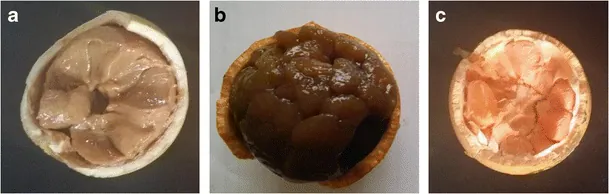
Corky-bark monkey orange hides juicy yellow pulp inside a woody shell. The ripe fruit is eaten fresh or turned into a sweet-sour drink, and in Zimbabwe it also flavours warm maize porridge. Its many hard seeds are not food.
What it is
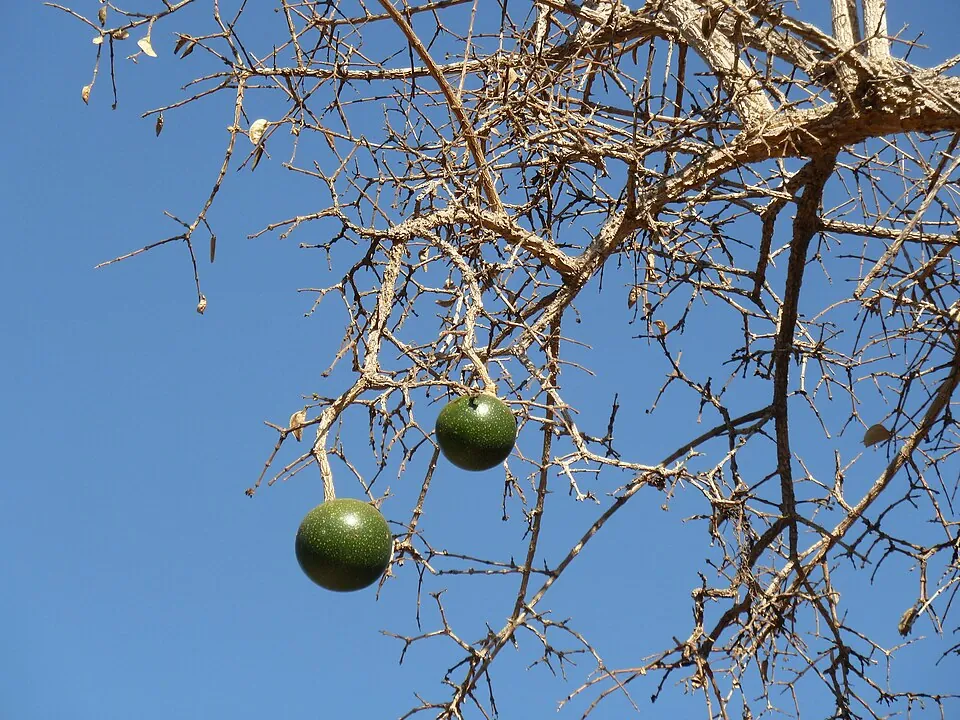
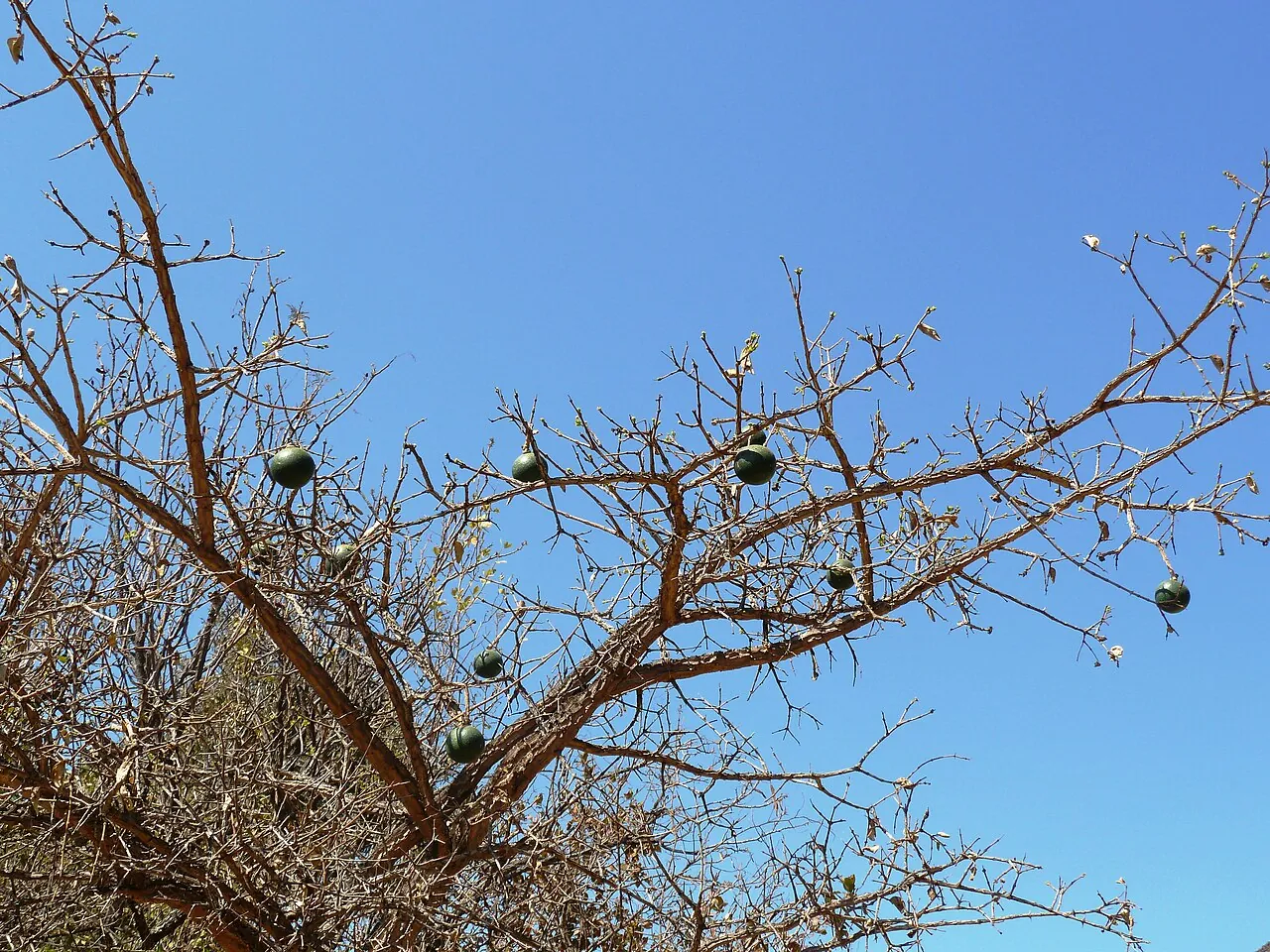
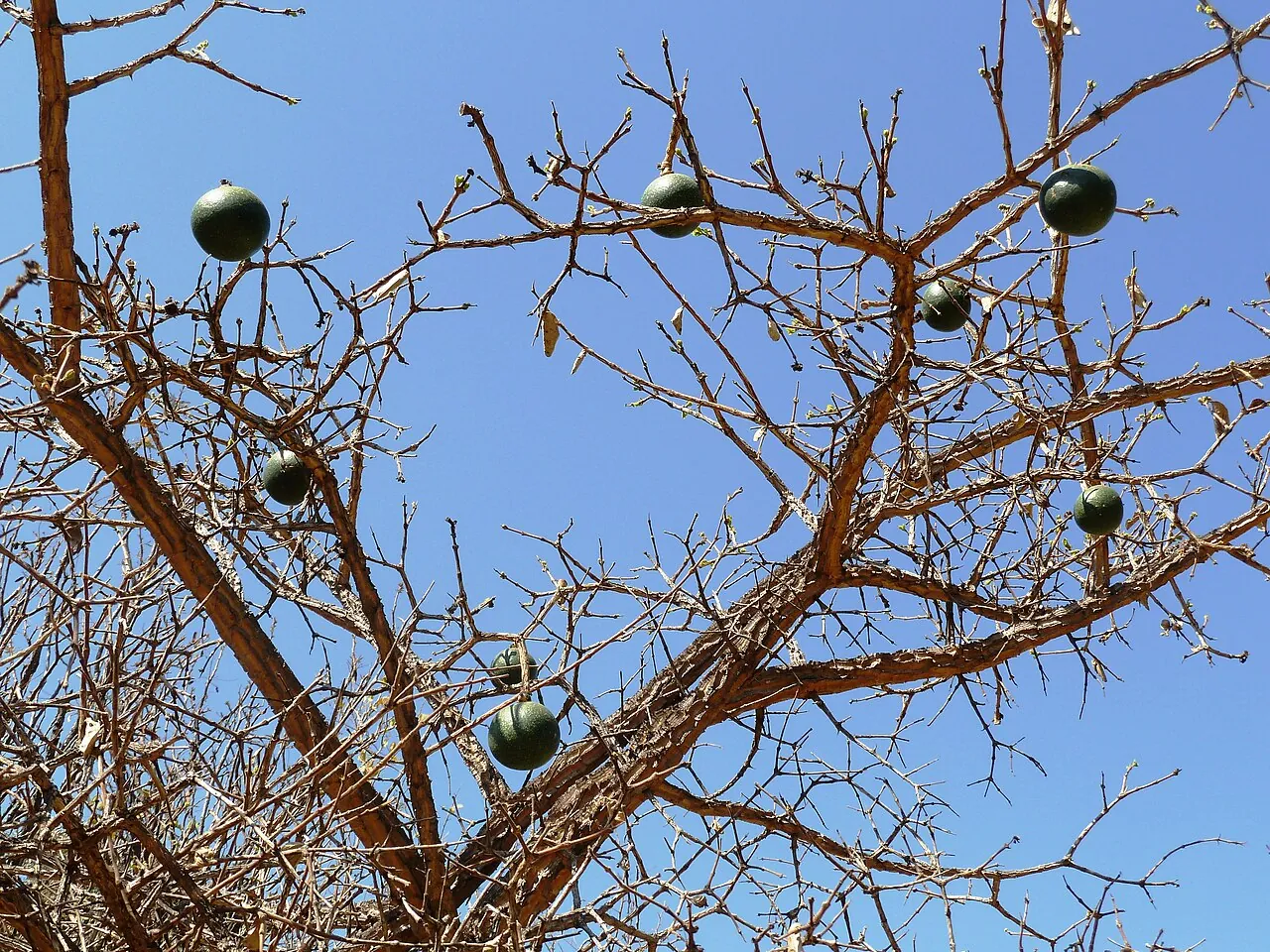
This monkey orange is Strychnos cocculoides. Its round fruit measures 1.6 to 7 cm (0.6 to 2.8 in) across, with a smooth, hard shell. The shell starts green with paler patches and turns yellow as it ripens. Numerous hard-coated seeds sit in the juicy flesh. You eat the ripe pulp; the seeds contain toxic substances.
Where it comes from
The tree is native to eastern and southern Africa, including Kenya, Tanzania, Namibia, Zambia and Zimbabwe. It grows in woodland and mixed forest, favouring deep sandy soil on rocky slopes. In Namibia’s Mile 20 village, in Rundu Rural West, gathering and selling the fruit brings households income.
How it's eaten where it grows
In Lower Gwelo and Marondera, Zimbabwe, this fruit and the related Strychnos spinosa go into mutandabota, a maize porridge. Cooks loosen the flesh from the seeds with water, then heat the pulp and stir in maize meal. Peanut butter can flavour the finished porridge. In Lower Gwelo, umcaba pairs the pulp with prepared sorghum instead.
The same two monkey oranges flavour mahewu, a sweet-sour fermented cereal drink. Farther west, in Namibia’s Rundu Rural West, fermented fruit also becomes an alcoholic drink called kashipembe.
How it's grown
The shrub or small tree reaches 2 to 8 m (7 to 26 ft). Its thick, creamy-brown bark is deeply corky and ridged, and sharp spines grow in pairs. Flowers appear in the rainy season; fruit takes eight to nine months to ripen after fertilisation.
People raise young trees in nurseries and plant them on cleared land, around homes and along boundaries. The young plants need protection from fire.
When and where you'll find it
In Lower Gwelo and Marondera, the monkey-orange harvest usually runs from September through December. Fresh fruit feeds household kitchens, while pulp becomes porridge and drinks. In Mile 20 village in Namibia, the fruit is also gathered for sale by local households.
Get it near Detroit
Sell fruit online? Add your business
What it tastes like
Softer than a pear, as sweet as a kiwifruit≈
More about the taste
Ripe pulp is juicy and yellow, and is made into a sweet-sour drink.
Ripe pulp is juicy and yellow, and is made into a sweet-sour nonalcoholic drink.
Choose, eat
1ChooseShell color
Look for
- Shell color
- Sloshing pulp when shaken
- Trees that tasted best
Local pickers judge ripeness by shell color together with pulp movement — gently shaking the fruit to listen for sloshing pulp — and by which trees have tasted best before.
2EatFlesh · not hard shell, seeds
Eat
FleshNot eaten
Hard shellSeedsFor porridge, the flesh is separated from the seeds by soaking or stirring; for the drink, it's strained. The hard shell and seeds aren't ground into the food.
Detroit, Michigan
When it’s good here
Season not documented for Michigan.
Cook it
Strange but trueCustoms and cultureFood and drink
If you like Corky-bark monkey orange
Tastes alike
Close relatives
Sources
Photos · 4
Sources
Corky-bark monkey orange · Fruitopia · checked Sep 22, 2026