Monkey orange
Also called Natal orangeStrychnos spinosa · Loganiaceae family
A hard shell protects sweet-sour pulp; seed and maturity boundaries matter.
Find it near DetroitGet to know it
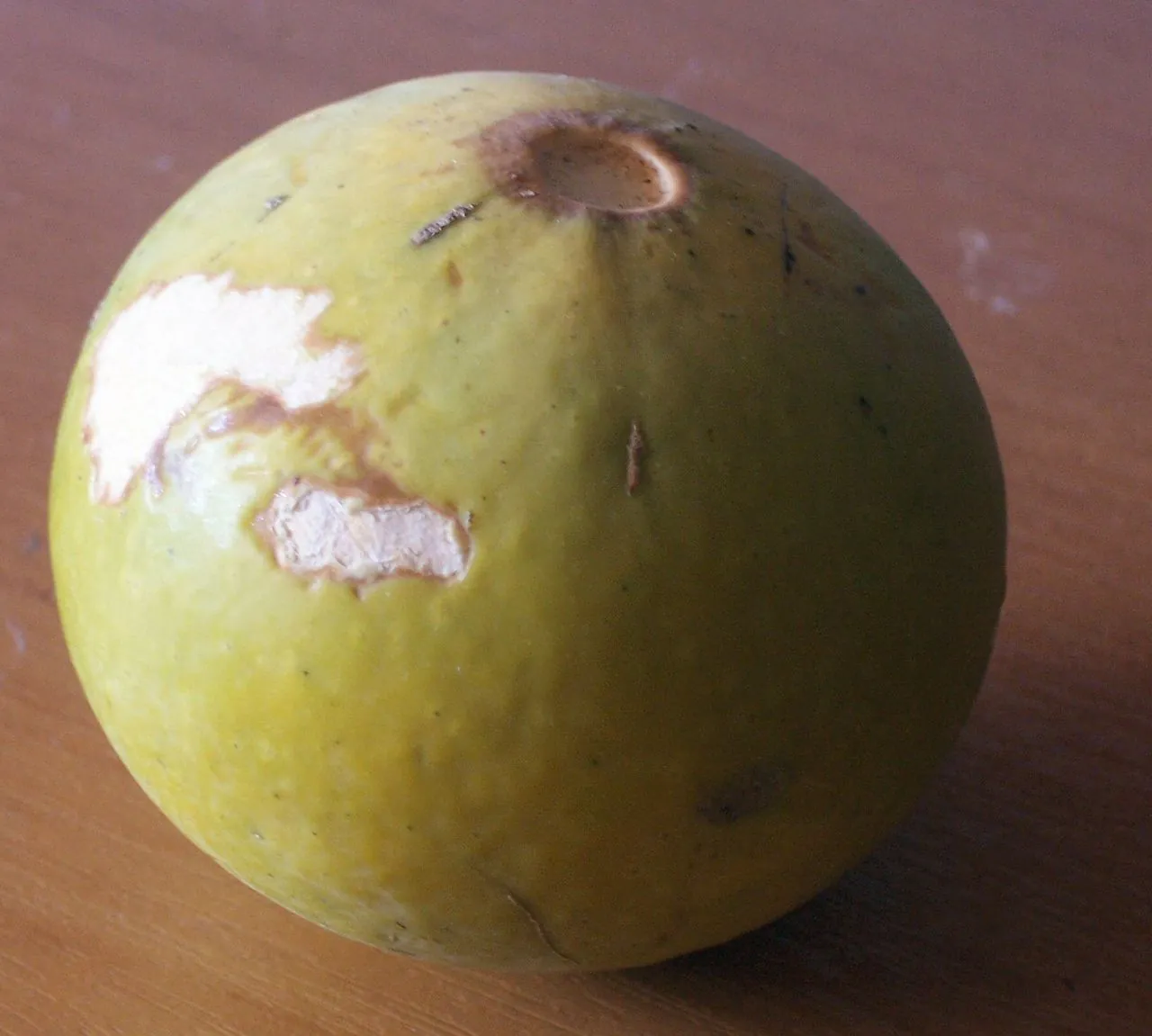
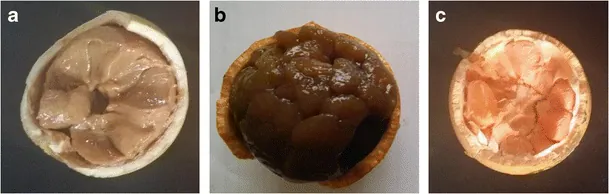
Monkey orange holds sweet-sour pulp inside a hard, round shell. This African fruit, Strychnos spinosa, has flesh wrapped around many seeds; some fruit grown in Israel’s Negev Desert also carries a scent like cloves.
What it is
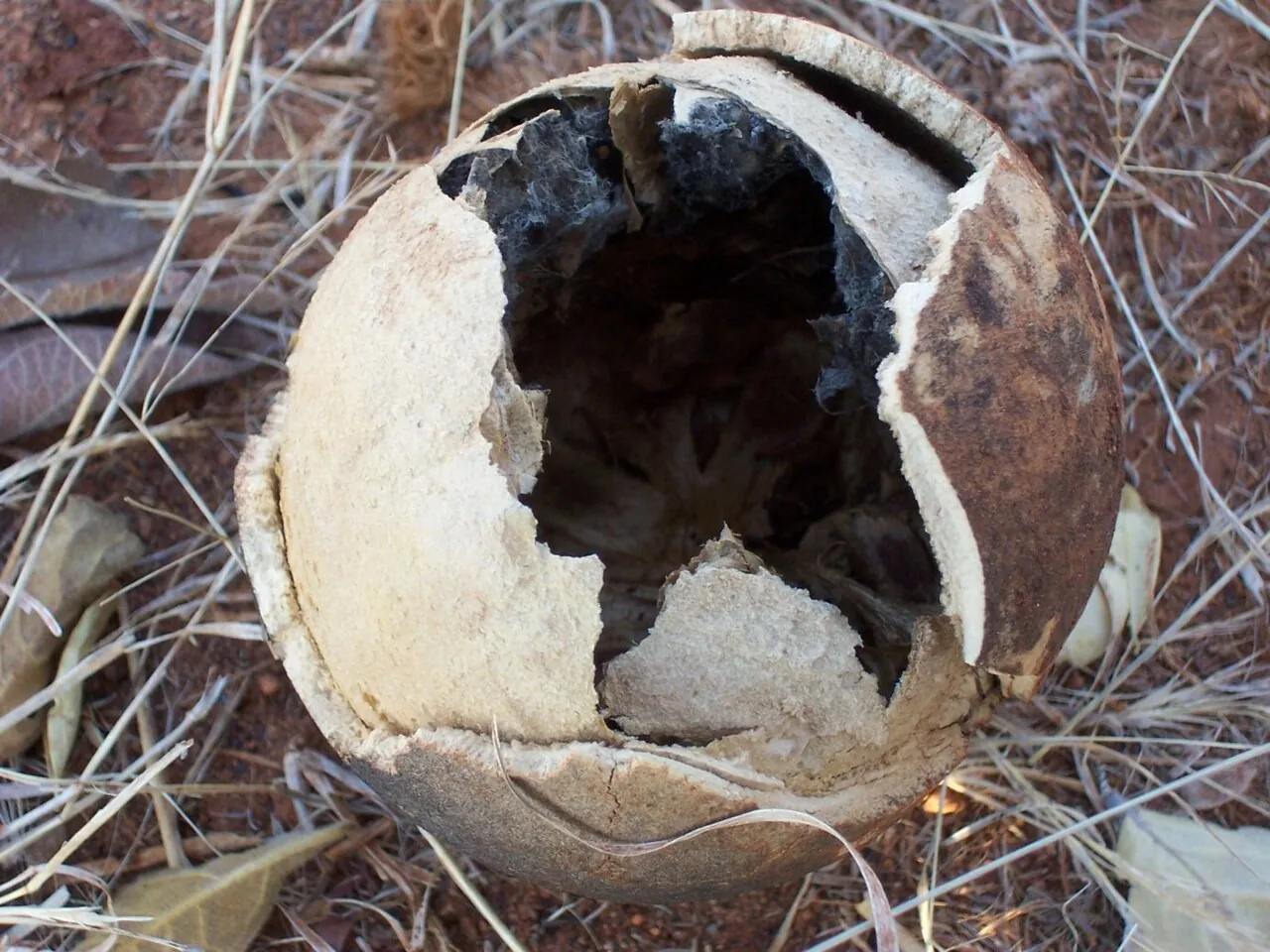
A monkey orange measures about 5–12 cm (2–4¾ in) across. The smooth shell changes from green to deep yellow or yellow-brown as it matures. Inside, many flat seeds sit tightly packed in edible flesh. The ripe pulp is the food; the seeds and unripe fruit are toxic.
Where it comes from
Strychnos spinosa grows across tropical Africa, in savannah woodland and along rivers. In southern Africa its range includes South Africa’s Eastern Cape and KwaZulu-Natal, Mozambique, Zimbabwe, northern Botswana and northern Namibia. It has also been grown for fruit in the Besor area of Israel’s Negev Desert. There, trees grown from seed give strikingly different fruit: some bitter and mouth-drying, others very sour, and a couple with excellent, tasty fruit.
How it's eaten where it grows
In Zimbabwe, this monkey orange and its relative Strychnos cocculoides flavour mutandabota, a maize porridge. Peanut butter or sugar can go into the thin porridge, which is eaten warm at breakfast. In Lower Gwelo, the pulp also goes into umcaba, a sorghum-based porridge.
In Marondera and Lower Gwelo, mahewu takes the fruit in another direction: a sweet-sour fermented cereal drink with fresh monkey orange pulp.
How it's grown
The plant is a thorny shrub or small tree, about 1–9 m (3–30 ft) tall. Its leaves turn yellow before falling in autumn. It prefers sandy ground and full sun, tolerates some shade and is sensitive to severe frost. New trees grow from seeds or shoots arising from the roots.
When and where you'll find it
In Marondera and Lower Gwelo, Zimbabwe, monkey oranges usually ripen from September to December. The local harvest includes both Strychnos spinosa and Strychnos cocculoides. Ripe pulp becomes breakfast porridge or mahewu, and monkey orange fruit is also sun-dried to preserve it beyond the fresh harvest.
Sources · 4
- Mizrahi, Nerd and Sitrit, New Fruits for Arid Climates (2002), Purdue NewCROPhort.purdue.edu
- Ngadze and colleagues, Food Security (2017)link.springer.com
- South African National Biodiversity Institute, PlantZAfrica (archived)plantzafrica.com
- World Agroforestry, Agroforestree Databaseapps.worldagroforestry.org
Get it near Detroit
What it tastes like
As sweet as a banana, softer than a pear≈
More about the taste
The edible pulp is sweet-sour.
The edible pulp is sweet-sour.
Choose, ripen, eat
1ChooseDeep yellow to yellow-brown shell
Look for
- Deep yellow to yellow-brown shell
Ignore
- Color alone
Mature shells are deep yellow to yellow-brown. Unripe fruit is toxic, so don't rely on color alone to judge readiness with an unfamiliar wild fruit.
2RipenThis species (S
This species (S. spinosa) is usually collected ripe, unlike the related S. cocculoides, which can be picked unripe to ripen afterward.
3EatRipe pulp · not seeds, unripe fruit
Eat
Ripe pulpNot eaten
SeedsUnripe fruitThe ripe pulp is the edible part. The seeds and unripe fruit are toxic.
Detroit, Michigan
When it’s good hereUsual monthsJust arrivedAt their bestLast chanceAll yearWhere it is in its usual monthsToday, Oct 22Grown hereIn season in your stateShips fromIn season where it grows
11 names in 5 languages
- groenklapperroot
- إسطركن شوكيArabic
Cook it
Strange but trueScienceCustoms and culture
If you like Monkey orange
Tastes alike
Close relatives
Used the same way
Sources
Photos · 3
Sources
Monkey orange · Fruitopia · checked Sep 22, 2026