Cherry of the Rio Grande
Eugenia involucrata · Myrtaceae family
A Brazilian myrtle-family fruit with juicy sweet-acid pulp and a strong home-orchard history.
Find it near DetroitGet to know it
Cherry of the Rio Grande has wine-red skin and greenish flesh, juicy and sweet with a tart edge. This Brazilian fruit grows in home orchards across the country's south, where people eat it fresh or turn it into sweets, jellies and liqueurs.
What it is
The smooth fruit is oval to pear-shaped, about 1.3–2.3 cm (0.5–0.9 in) long. It turns from green to red, then wine-red as it ripens. Inside are one to a few seeds, rarely as many as five, surrounded by succulent flesh.
Its scientific name is Eugenia involucrata, and it belongs to the myrtle family. In Brazil, cereja-do-rio-grande and cereja-do-mato are names for the same fruit.
Where it comes from
Its native range includes Brazil, Argentina, Paraguay and Uruguay. In Brazil it grows in the Atlantic Forest, including forests with araucaria trees. It is widely grown in home orchards across southern Brazil, especially among families of German descent.
How it's eaten where it grows
Brazilian cook Neide Rigo makes a quick compote for yogurt flan, using kefir for the flan. She removes the fruit's seeds and heats it with a little sugar and water, just until it softens and makes a light syrup. The same compote goes beside roast poultry or onto toast with cream cheese.
In São Paulo, Regina Fukuhara gathers cereja-do-mato and uses it to top a vanilla cream tart. The fruit, seeds removed, cooks gently with sugar, then goes over the cream in a baked pastry case.
How it's grown
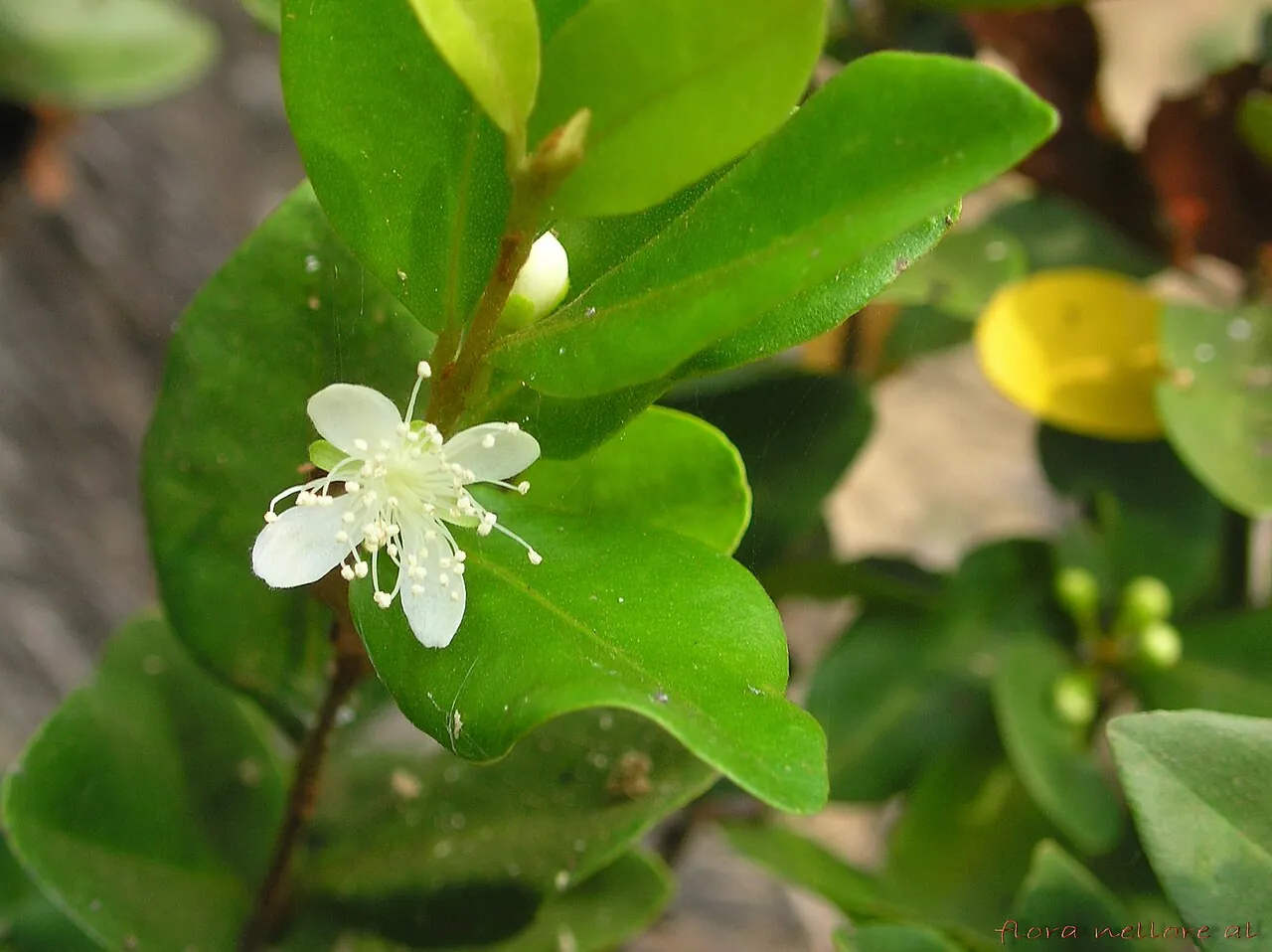
The plant grows as an evergreen shrub or tree, with white flowers in spring. Its trunk sheds bark in plates as it grows. In cultivation it takes sun or partial shade and fertile, moist soil that drains well. Trees planted in fertile ground begin bearing in their sixth or seventh year.
When and where you'll find it
In Paraná, the fruit usually ripens from September to November; in Rio Grande do Sul, from October to December. Santa Catarina and São Paulo usually follow in November and December, while Minas Gerais runs from December into January. Home orchards are an established source of fresh fruit in southern Brazil, with jellies and liqueurs among its preserved forms.
In the United States, trees at Fruit & Spice Park in Homestead, Florida, usually bear in April and May.
Get it near Detroit
Sell fruit online? Add your business
What it tastes like
As sweet as a banana, softer than a pear≈
More about the taste
Cherry of the Rio Grande has succulent, sweet-acid pulp, eaten fresh and used in sweets, preserves and liqueurs.
The pulp is succulent and sweet-acid.
Choose, store, eat
1ChooseRed to wine-red
Look for
- Red to wine-red
Mature fruit is red to wine-red.
2StoreCherry of the Rio Grande is commonly made into jam
Cherry of the Rio Grande is commonly made into jam.
3EatPulp
Eat
Pulp
Detroit, Michigan
When it’s good here
Season not documented for Michigan.
5 growing areas, 1 countryUsual monthsToday, Oct 23

- Minas Gerais
- Paraná +1
- Santa Catarina
- You
2 of 5 areas · October
Cherry of the Rio Grande is widely grown in home orchards in southern Brazil, particularly among German-Brazilian settlers, eaten fresh or made into sweets, jellies and liqueurs. A celebrated tree in Sao Leopoldo, Rio Grande do Sul, is said to have borne fruit for roughly two centuries.
12 names in 5 languages
- Cerejeira-do-matoOther name
Cook it
Strange but trueHistoryCustoms and culture
If you like Cherry of the Rio Grande
Tastes alike
Close relatives
Used the same way
Sources
Photos · 1
Sources
Cherry of the Rio Grande · Fruitopia · checked Sep 22, 2026
- alice.cnptia.embrapa.br /alice/bitstream/doc/1136623/1/Especies-Arboreas-Brasileiras-vol-3-Cerejeira.pdf
- come-se.blogspot.com /2007/09/cereja-do-rio-grande-ou-cereja-do-mato.html
- rebrotarplantas.com.br /cereja-do-rio-grande
- saboresdomato.blogspot.com /2022/12
What we don't know yet
Regina Fukuhara's tart recipe lists two tablespoons of corn starch in the ingredients but calls for three in the method.