Mandarin
Also called Mandarine · Tangerina · Mandarin orangeCitrus reticulata · Rutaceae family
An easy-peeling citrus with a fresh-fruit route and a pantry-friendly baking route.
Find it near DetroitGet to know it
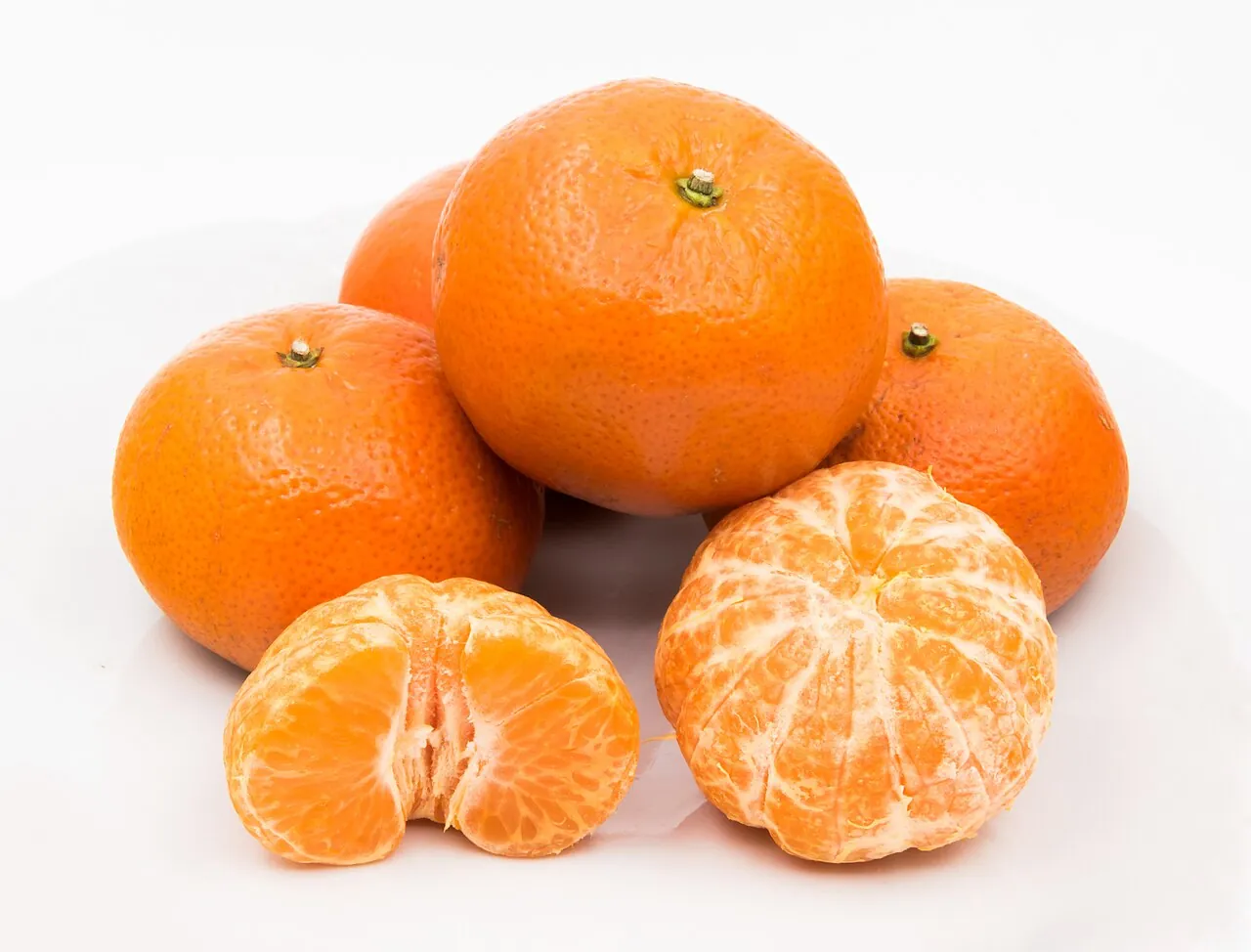
The mandarin is a small, flattened orange with a thin, loose peel that slips off in your hand, then splits into neat segments. It tastes sweeter and stronger than a common orange. China is forecast to grow 27.1 million tonnes in 2025/26, more than two-thirds of the world's crop.
What it is
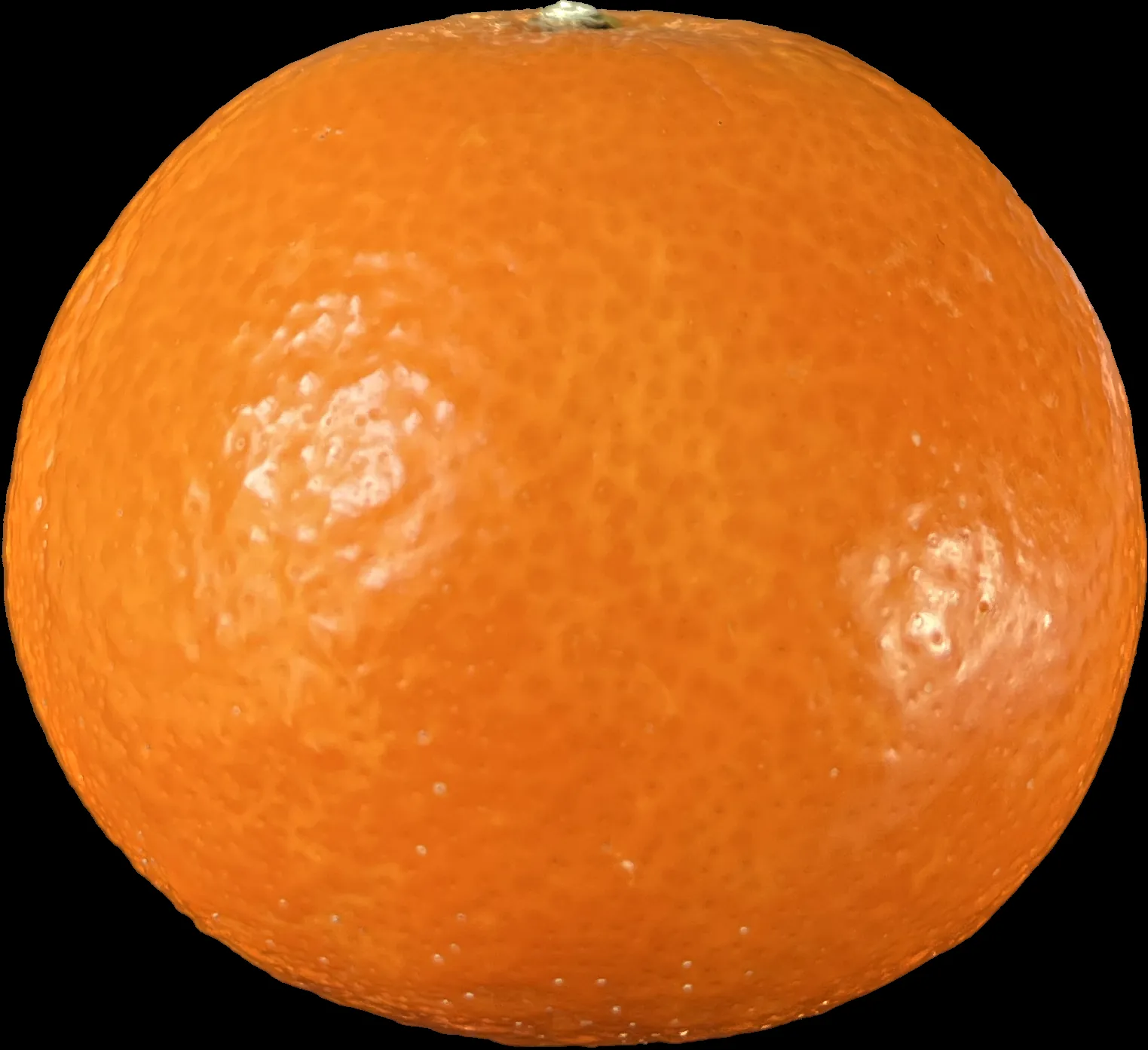
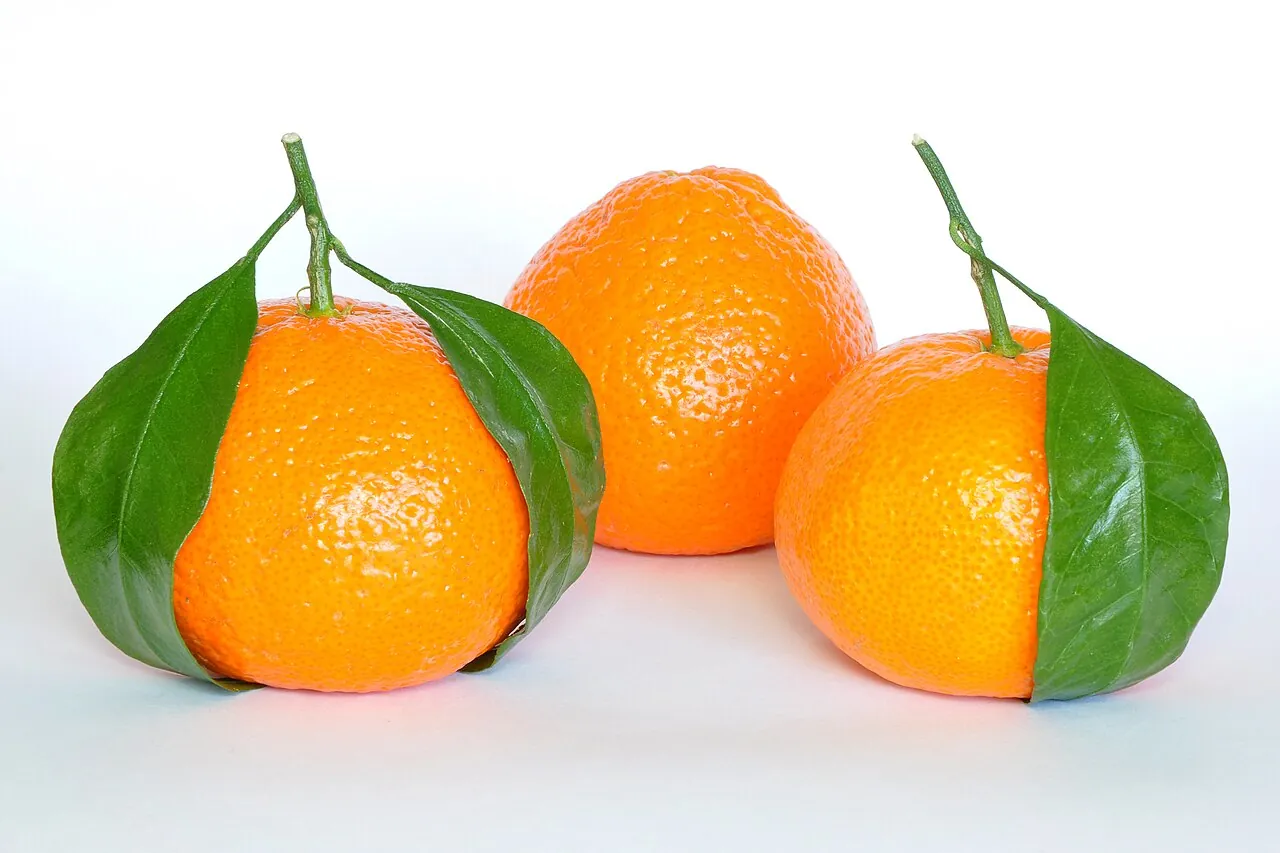
Mandarins are 4 to 8 cm (1.6 to 3.1 in) across, orange, yellow-orange or red-orange, and flatter than an orange. The peel has little white pith under it, so it lifts away cleanly, and the fruit may have no seeds or just a few. In the shop, "tangerine" usually means the red-orange kinds.
Mandarin is a big family. Satsumas are usually seedless, with 10 to 12 segments and particularly delicate flesh. Clementines are a separate group, with varieties such as Clemenules and Fina, and true mandarins include Tango, Gold Nugget and Kinnow.
Where it comes from
The wild mandarin began in a small part of South China and Vietnam. Two varieties from Canton reached England in 1805, and by 1850 mandarins were well established in Italy. The satsuma was grown in Japan more than 700 years ago, and between 1908 and 1911 about a million Owari satsuma trees were shipped from Japan to the US Gulf Coast.
For 2025/26 the world's mandarin crop is forecast at 38.4 million tonnes. China's 27.1 million tonnes come mostly from Guangxi and Yunnan, and the European Union, led by Spain and Italy, grows 2.8 million. California grows nearly all of the United States' 997,000 tonnes. In India, the Nagpur orange of Maharashtra and the Coorg orange of Karnataka are both mandarin types.
How it's eaten where it grows
At Chinese New Year, families visiting their elders trade mandarin oranges as a sign of wealth and good luck. On the festival's fifteenth night, single women in China and Malaysia write their numbers on mandarins and toss them into a river or lake for single men to fish out.
In Japan, Spain and China, some of the satsuma crop is canned as segments or pressed into juice. In Croatia's Neretva valley, where the mandarin crop has grown from 1,000 tonnes in 1970 to 100,000 tonnes, Opuzen celebrates Mandarin Days; in October 2025 they brought a fair of local products, tastings of mandarin products and mandarin sculptures.
How it's grown
Mandarins grow on a usually thorny tree that can reach 25 feet (7.5 m) with great age. The tree stands cold and drought better than a sweet orange, though the fruit itself is tender to frost. Satsumas are among the hardiest: a mature tree can survive −9 °C (15 °F) for a few hours, and the fruit turns sweeter in cooler places.
A satsuma sets fruit without pollination, which is why it's seedless. Grown from seed it takes about eight years to fruit; satsuma trees are grafted onto rootstocks, most often trifoliate orange. Kinnow, grown across Punjab in India and Pakistan, is picked from December to February by clipping each fruit's stem with secateurs.
When and where you'll find it
In the US, mandarins arrive through the whole year. California's harvest usually runs from November through May; Chile and Peru, the top import sources, ship mainly from May to October, and Moroccan fruit arrives from November to April. Florida's satsumas usually come in from September to December, and in Canada and the parts of the US that grow no citrus, satsumas are the first citrus of the season to arrive.
In India, the Nagpur orange's sour Ambiya crop comes from September to December, then the sweeter Mrig crop in January. Mandarins are mostly eaten out of hand; very small ones are canned in syrup, and satsumas are also canned as segments or made into juice.
Get it near Detroit
What it tastes like
As sweet as a banana, softer than a pear≈
More about the taste
Satsumas, one type of mandarin, have tender, melting flesh with a rich, gently acidic flavor; the Silverhill variety is especially sweet. Clementines are a separate mandarin group.
Satsuma flesh is tender and melting, with a rich, mildly acidic flavor. In humid subtropical areas, the fruit can taste good inside well before the peel turns fully orange.
A tasting invitation
Compare the scent of freshly opened peel with the aroma of a segment, noting how easily the peel separates and whether the membranes feel delicate or substantial.
Choose, ripen, store, eat
1ChooseSound fruit
Look for
- Sound fruit
- No damage or decay
Ignore
- Fully orange peel
Satsumas can taste ripe before the peel turns fully orange, and their loose skin should be handled gently rather than squeezed to test it. Clementine rinds are fairly easy to peel too, but seediness varies: clementines can turn seedy near compatible pollen, while Owari and Okitsu Wase satsumas are usually nearly seedless.
2RipenDoesn’t ripen after picking
Doesn’t ripen after pickingPicked mandarins do not keep getting sweeter — choose the eating quality you want at purchase.
3StoreFridge, mandarins
- FridgeMandarins
Keep satsumas refrigerated after picking; they also need prompt harvest once mature rather than long holding on the tree.
4EatSegments
Eat
SegmentsMandarins are eaten fresh by the segment, and are also canned.
More tips
A useful detail Commercial 'degreening' changes the peel's color through controlled ethylene exposure, separately from the fruit's actual eating quality — so color can make a mandarin look riper than it tastes.
Worth knowing
- The coldest storage isn't best for flavor in every mandarin; it depends on the variety.
- A stored mandarin can taste different even when its sweetness is unchanged; aroma shifts in storage.
- Some wax coatings keep citrus looking good while hurting its flavor; others don't.
Detroit, Michigan
When it’s good hereUsual monthsJust arrivedAt their bestLast chanceAll yearWhere it is in its usual monthsToday, Oct 22Grown hereIn season in your stateShips fromIn season where it grows
57 growing areas, 17 countriesUsual monthsOur estimated monthsToday, Oct 22

- Bahia
- California
- Castellón
- Chiang Mai
- Coquimbo
- East Java
- Eastern Cape
- Ehime +2
- Espírito Santo
- Florida +1
- Granada
- Guangxi
- Hawaii
- Ica
- Karnataka
- La Libertad
- Limpopo
- Lot-et-Garonne
- Murcia
- New South Wales
- O'Higgins
- Punjab
- South Africa
- South Australia
- Yogyakarta
- Yunnan
- You
9 of 22 areas · October
Growing areas by country
- Brazil7
- Spain7
- Australia6
- South Africa6
- United States5
- India4
- Chile3
- France3
and 12 more countriesand 9 more countries
The satsuma name comes from Japan's former Satsuma province; Owari satsuma trees were imported to the US Gulf Coast in large numbers in the early twentieth century.
242 varieties
- No variety photo yetWG17
- Taste
- sweet
- Tartness
- tart
- Bite
- crunchy
- Feel
- firm
 Ehimekashi Dai28go
- Taste
- sweet
- Scent
- aromatic
- Juice
- juicy
- No variety photo yetWG32
- Taste
- sweet
- Tartness
- tart
- Juice
- juicy
- No variety photo yetTsunokaori
- Taste
- sweet
- Juice
- juicy
- No variety photo yetC37
- Juice
- juicy
- No variety photo yetMa
- Feel
- firm
70 names in 20 languages
Cook it
How to serve it first
Peel one and separate the segments for a low-effort tasting plate. Add a few segments to a grain salad only after tasting the fruit — a tart mandarin may supply contrast, while a sweeter one needs a lighter dressing.
2 mandarin festivalsUsual monthToday, Oct 22
Strange but trueHistoryA myth, and the truthScienceWhere the name came fromCustoms and cultureFood and drinkPeople
If you like Mandarin
Close relatives
Nutrition, sources
Nutrition
Tangerines, (mandarin oranges), raw · per 100 g
- Carbohydrate
- 13 g
- Fiber
- 1.8 g
- Sugars
- 11 g
- Protein
- 0.8 g
- Fat
- 0.3 g
- Vitamin C
- 27 mg
- Potassium
- 166 mg
Sources
Mandarin · Fruitopia · checked Sep 23, 2026