Canistel
Pouteria campechiana · Sapotaceae family
A fruit for people curious about custards, sweet potatoes and textures that are anything but juicy.
Find it near DetroitGet to know it
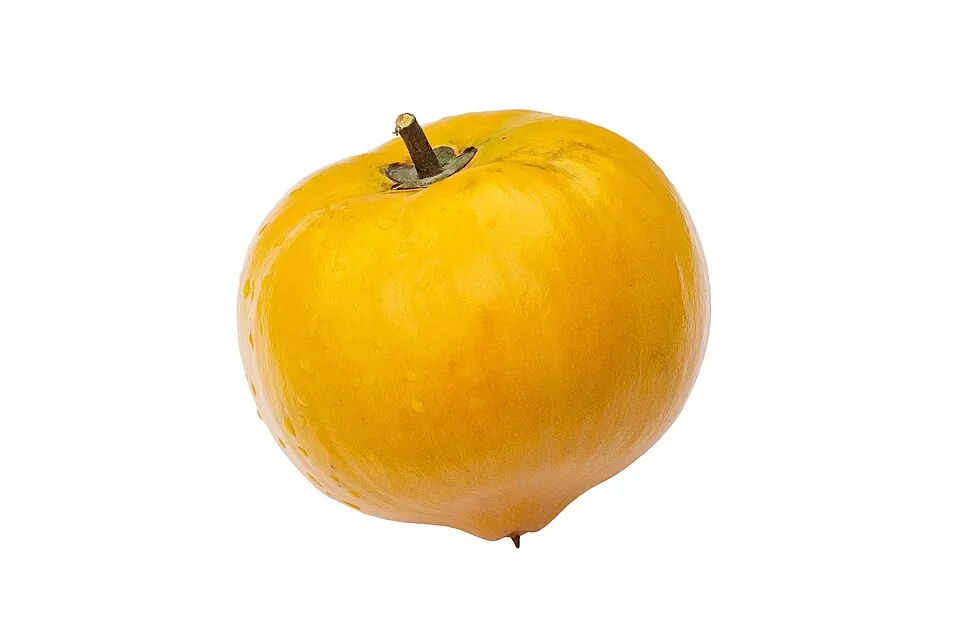
Canistel is a golden fruit with the sweetness of baked sweet potato and the dense texture of a hard-boiled egg yolk. Its other name is eggfruit. The flesh turns soft and pasty when ripe, good eaten fresh or blended into a thick milkshake.
What it is
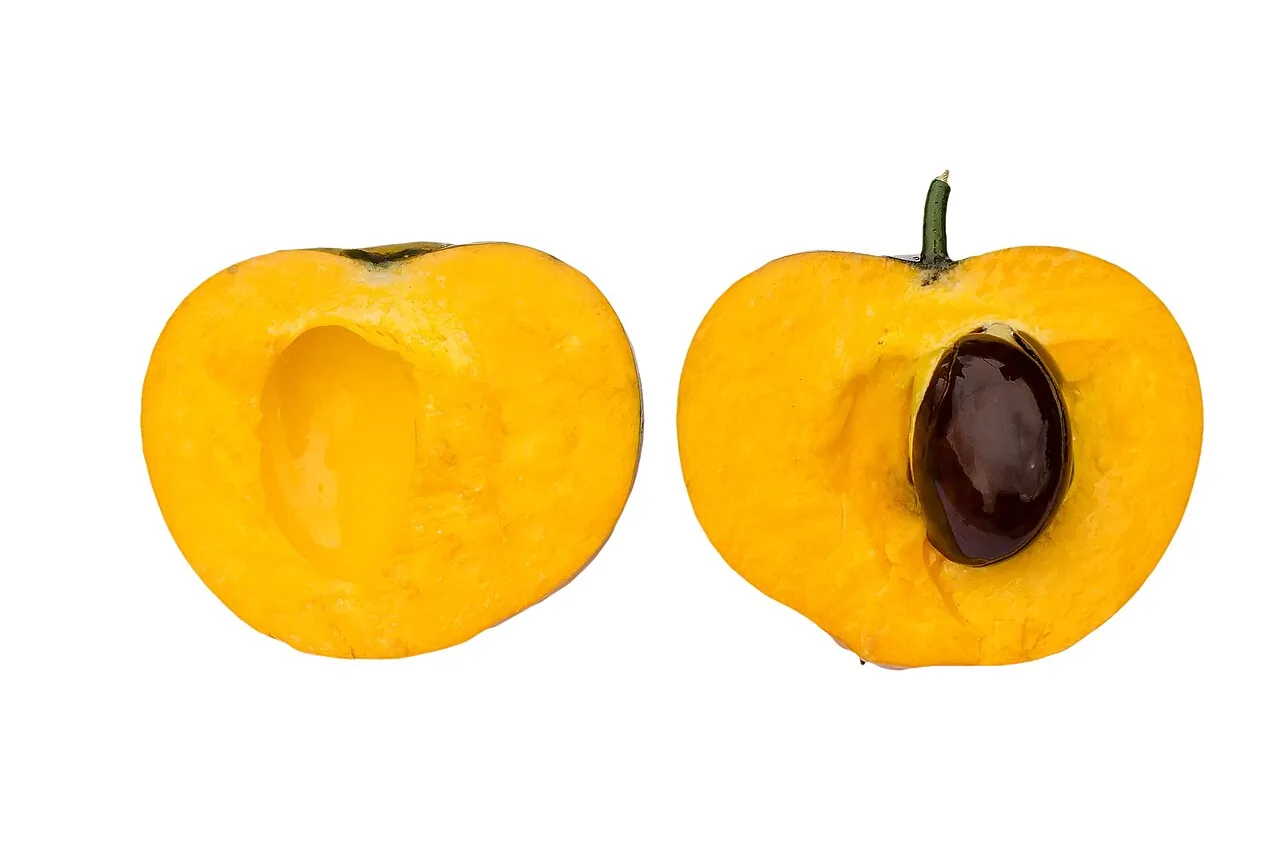
A canistel can be round, oval or drawn out to a point, usually 7.5–12.5 cm (3–5 in) long. The green skin turns yellow to orange-yellow as it ripens. Beneath it, the flesh is firmer and mealier near the edge, softer toward the centre, around one to four glossy brown seeds.
Its sweetness sometimes comes with a musky scent. Bruce has large fruit with dry flesh; Ross has smaller fruit with moister flesh. Hard green canistel is gummy inside.
Where it comes from
Canistel comes from southern Mexico, Belize, Guatemala and El Salvador. It grows across the Caribbean, including Cuba and the Bahamas, and reached the Philippines before 1924. Today it remains a small-scale fruit crop in Central America, the Philippines and Florida.
How it's eaten where it grows
Eggfruit nog is a rich milkshake: ripe canistel pulp blended with milk, sugar, vanilla and nutmeg. In Homestead, Florida, one cook made a well-known mock-pumpkin pie with mashed canistel. Some Floridians take it savoury, with salt, pepper and lime or lemon juice.
Mashed canistel also goes into coconut bread, spiced with cinnamon and cloves.
How it's grown
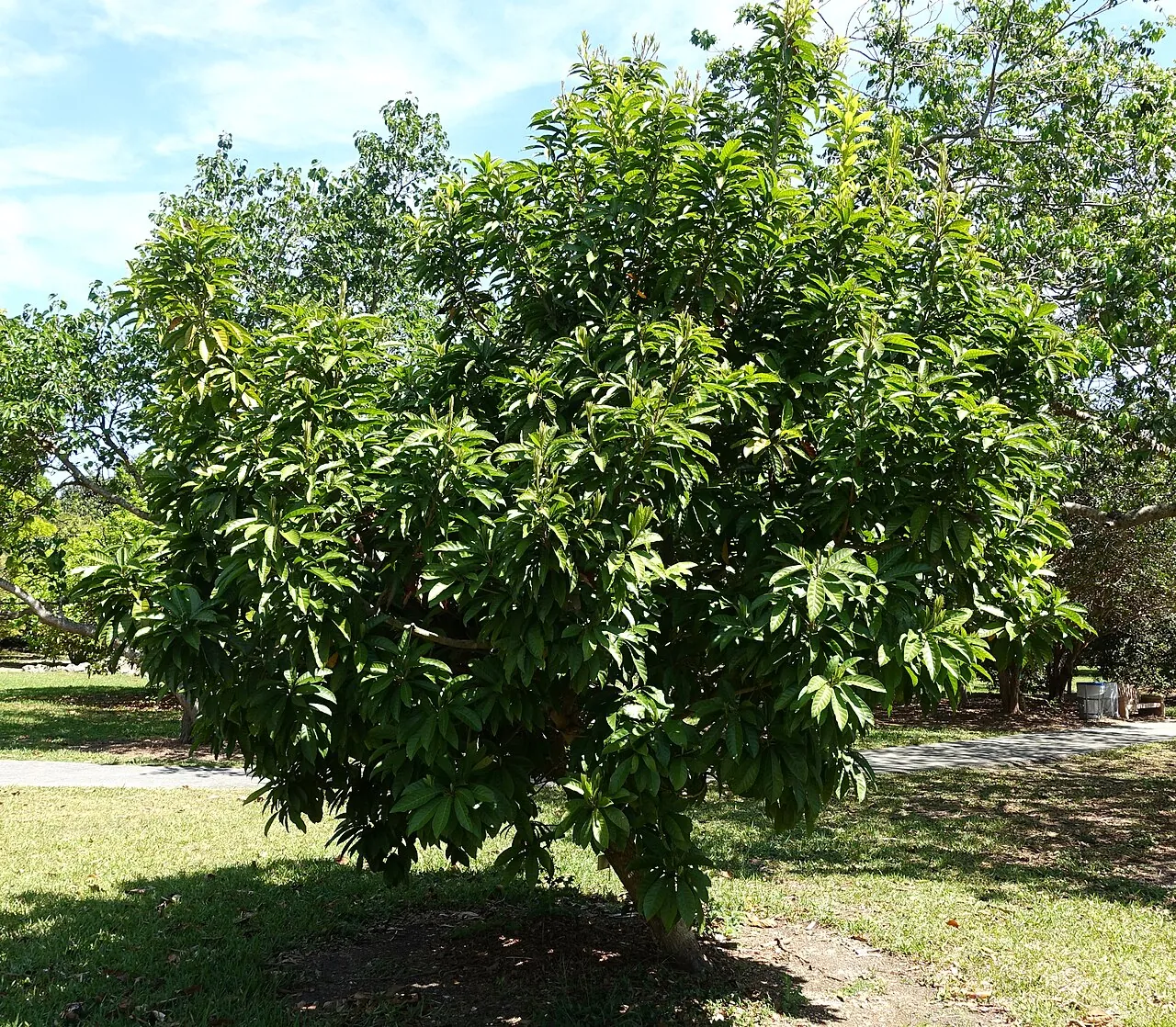
Canistel grows on an evergreen tree that needs a tropical or subtropical climate. A tree raised from seed starts fruiting in three to six years; growers graft selected trees to keep the fruit’s qualities. They clip mature fruit while it is still firm, because pulling it can tear the skin.
When and where you'll find it
Florida’s usual winter crop runs from November or December into February or March. Picked hard, the fruit travels: firm Florida canistel has been shipped to fruit sellers in New York City and Philadelphia.
Firm fruit softens at room temperature in three to ten days. Once ripe, it keeps for several days in the refrigerator’s vegetable drawer.
Get it near Detroit
What it tastes like
As sweet as a banana, as mild as a peach≈
More about the taste
Ripe canistel is sweet and dense, with mealy outer flesh and a softer, pastier center. The flavor resembles sweet potato, more or less musky depending on the tree.
The ripe flesh is mealy near the skin and softer toward the center, sweet and sometimes musky, often compared to baked sweet potato. Some selections are drier or more strongly scented than others.
Choose, ripen, store, eat
1ChooseYellow to golden fruit
Look for
- Yellow to golden fruit
- Softened before eating
Ignore
- Color alone
Choose yellow to golden fruit and let it soften before eating. Hard green fruit is gummy.
2RipenOn the counter3–10 days
Ripens after pickingCounter3–10 daysMature, firm canistels usually soften at room temperature over three to ten days. Eat once softened, before they collapse into mush.
3StoreFridge, ripe
- FridgeRipeVegetable tray
Once ripe, keep canistel in the refrigerator's vegetable tray for several days.
4EatFlesh · not skin, pit
Eat
FleshNot eaten
SkinPitRemove the skin and pit, then mash or blend the flesh — it has a pudding-like texture.
Detroit, Michigan
When it’s good hereUsual monthsJust arrivedAt their bestLast chanceAll yearWhere it is in its usual monthsToday, Oct 22Grown hereIn season in your stateShips fromIn season where it grows
3 growing areas, 2 countriesUsual monthsToday, Oct 22

- Florida
- New South Wales
- Queensland
- You
2 of 3 areas · October
Growing areas by country
- Australia2
- United States1
Canistel is grown in gardens and sold in markets across tropical America. Its dry, dense flesh works well in creamy desserts, unlike a crisp, watery fruit.
2 varieties
36 names in 15 languages
Cook it
Strange but trueHistoryWhere the name came fromFood and drink
If you like Canistel
Tastes alike
Close relatives
Sources
Sources
Canistel · Fruitopia · checked Oct 2, 2026