Abiu
Pouteria caimito · Sapotaceae family
A tender, spoonable fruit with an unexpectedly good route into both pudding and savory soup.
Find it near DetroitGet to know it
Abiu is a bright yellow fruit from the headwaters of the Amazon. Its clear, jelly-soft flesh tastes like caramel custard. In Tahiti, people chill it, cut it in half and eat it straight from the skin with a small spoon.
What it is
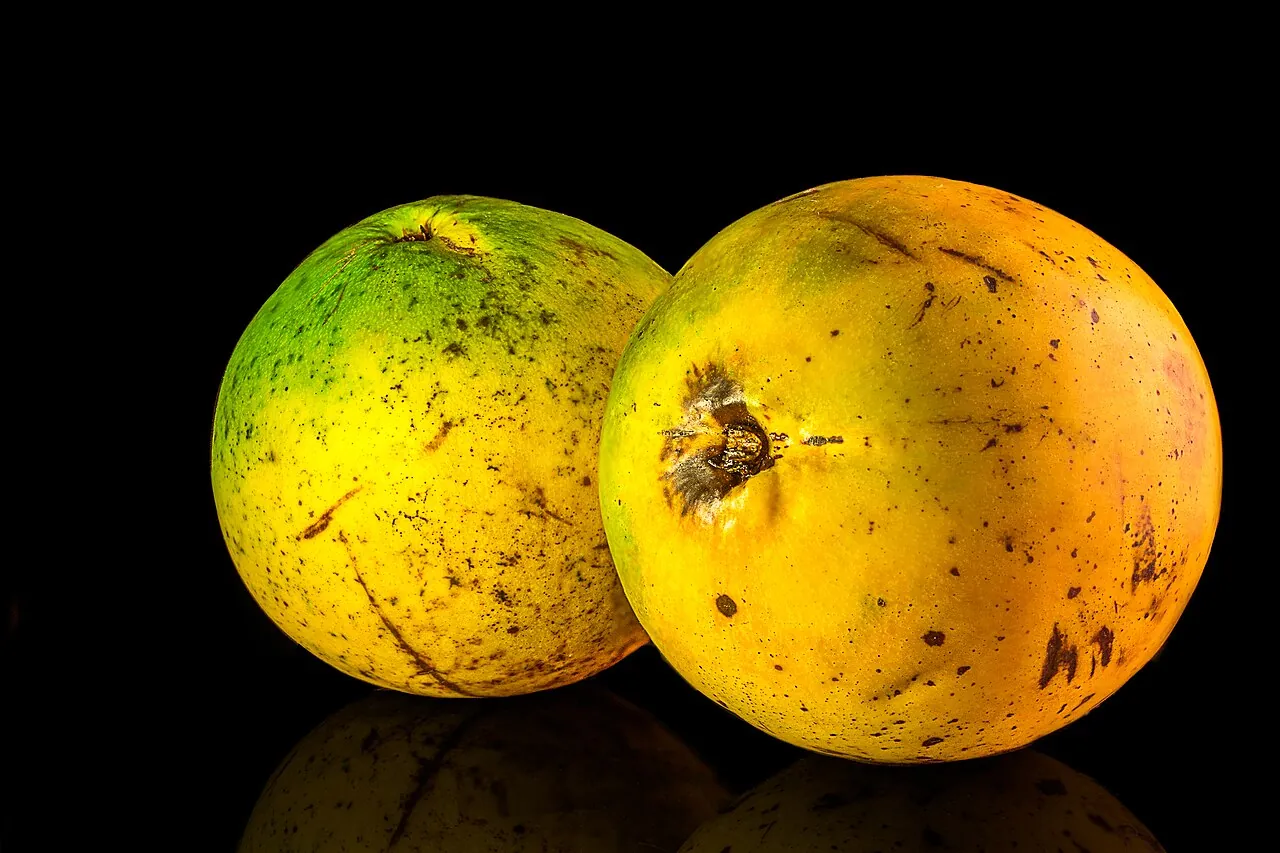
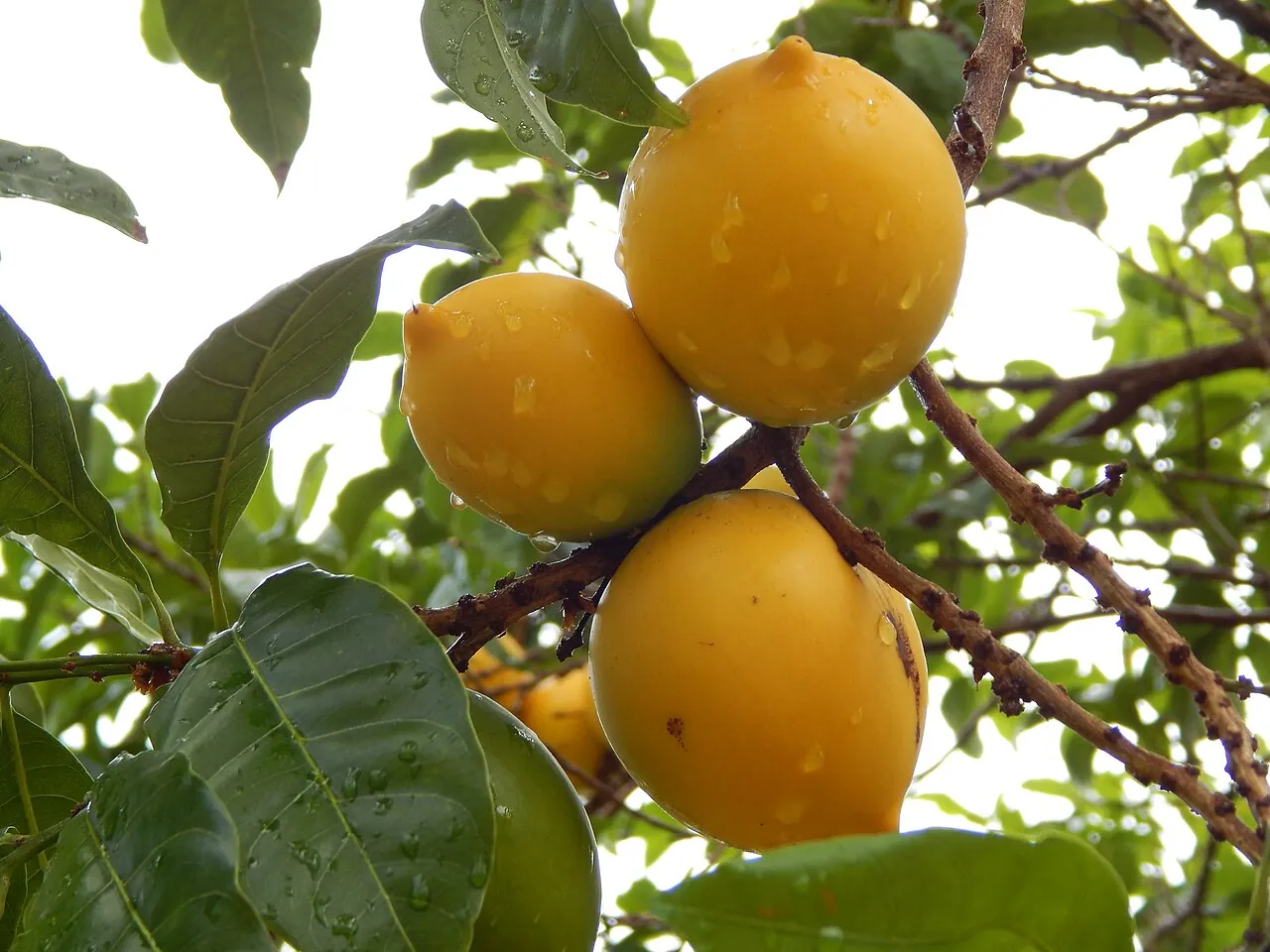
An abiu is round to egg-shaped, 3.8 to 10 cm (1½ to 4 in) across, often with a little nipple at the tip, and weighs 283 to 708 g (10 to 25 oz). Ripe, its skin is smooth, tough and pale to bright yellow.
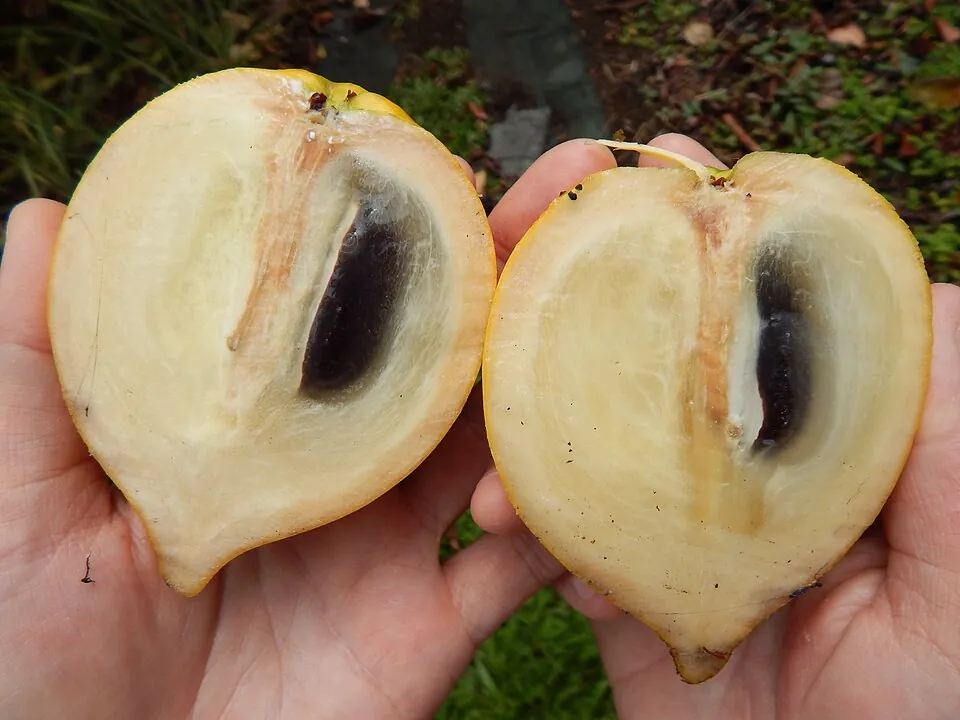
Inside, the white, translucent flesh is jelly-like and mild, with a caramel flavour in good fruit. Fruit from better trees is sweet; from poor ones it is bland. The flesh wraps around 1 to 4 oblong brown seeds. Until it is fully ripe, the fruit is full of gummy, astringent latex.
Where it comes from
Abiu grows wild on the lower eastern slopes of the Andes, from southwestern Venezuela to Peru. It is often planted around Iquitos in Peru and much grown around Pará in Brazil, and in Ecuador its fruit is sold in the markets of Guayaquil. Trinidad calls it the yellow star apple.
Outside South America, abiu is grown on a small commercial scale in Australia and Taiwan. It reached Tahiti in 1993.
How it's eaten where it grows
Abiu is mostly eaten fresh, out of hand. In Pará, some types are made into ices and ice cream. In Queensland it is eaten slightly chilled or in a fruit salad. In Tahiti, people add a few drops of lime and stop short of the skin, whose inside tastes unpleasant.
In Hawaii, the ripe pulp goes into sherbets, jams and yogurt. Some resort chefs there cut it just before serving, because it changes colour quickly, and chef Matthew Zubrod has used it in a sticky toffee pudding with dates and in an abiu and onion soup.
How it's grown
Abiu grows on a tree usually about 10 m (33 ft) tall, that can reach 35 m (115 ft). It is a tropical tree that grows best at 20 to 35°C (68 to 95°F), and young trees can die below 0°C (32°F). Seedlings bear in 2 to 5 years, grafted trees in 1 to 2.
In northern Queensland the trees flower three times a year, and each fruit takes 100 to 130 days from flower to harvest. It is ready to pick when the skin turns from green to light green and then yellow. It finishes ripening at room temperature in 1 to 5 days.
When and where you'll find it
Abiu reaches full ripeness within five days of picking, so it has to be sold soon after harvest. In Tropical North Queensland, around Cairns, it is usually on offer in every month but September. In Florida, its season has usually been the fall; South Florida grows it in small quantities.
In Hawaii in 2011, growers could sell smaller and off-grade fruit at farmers' markets for 50¢ to $2.00 each, and abiu treated with irradiation can be sent from Hawaii to the US mainland.
Sources · 7
- Australian Tropical Foodsaustraliantropicalfoods.comOther pages2
- Miami Fruitmiamifruit.org
- Morton, Fruits of Warm Climates (1987)hort.purdue.edu
- Queensland Department of Primary Industriesdpi.qld.gov.au
- Tahiti Heritagetahitiheritage.pf
- University of Florida IFASask.ifas.ufl.edu
- University of Hawaiʻi CTAHRctahr.hawaii.edu
Get it near Detroit
What it tastes like
As soft as a banana, as sweet as a peach≈
More about the taste
Good abiu selections have sweet, mild, translucent flesh with a jelly-like consistency. Seedling trees vary: some fruit is appealingly sweet, while others can be insipid.
The ripe flesh is pale, translucent and jelly-like, gently sweet in good selections. Seedling trees can produce blander fruit.
The pulp can have a caramel-like note.
Choose, ripen, store, eat
1ChooseMature fruit
Look for
- Mature fruit
- Peel changing toward yellow
Look for a mature fruit whose peel has begun changing toward yellow. Very immature fruit contains unpleasant sticky latex.
2RipenOn the counter1–5 days
Ripens after pickingCounter1–5 daysLet mature abiu finish ripening at room temperature to full yellow, usually over one to five days.
3StoreFridge, fully ripe
- FridgeFully ripe
Once fully ripe, keep abiu in the refrigerator for several days. Plan a short interval between ripening and eating.
4EatInner pulp
Eat
Inner pulpRecipes use the inner pulp. Cut the fruit only when you are ready to serve or prepare it: the exposed flesh changes color quickly.
Detroit, Michigan
When it’s good hereUsual monthsJust arrivedAt their bestLast chanceAll yearWhere it is in its usual monthsToday, Oct 22Grown hereIn season in your stateShips fromIn season where it grows
5 growing areas, 3 countriesUsual monthsOur estimated monthsToday, Oct 22

- Johor
- New South Wales
- Northern Territory
- Pará
- You
1 of 4 areas · October
Growing areas by country
- Australia3
- Brazil1
- Malaysia1
In Hawaii, abiu is sold through farmers' markets and resort kitchens. Some chefs cut it only just before service because cut surfaces darken quickly. Ripe pulp is also used in yogurt and frozen desserts.
31 names in 8 languages
- 黃晶果Chinese
Cook it
Strange but trueFood and drink
If you like Abiu
Tastes alike
Close relatives
Same plant family
Used the same way
Sources
Photos · 3