Ackee
Also called Ayee · Achee · AkeeBlighia sapida · Sapindaceae family
An important food with a precise boundary around the edible part and its preparation.
Find it near DetroitGet to know it
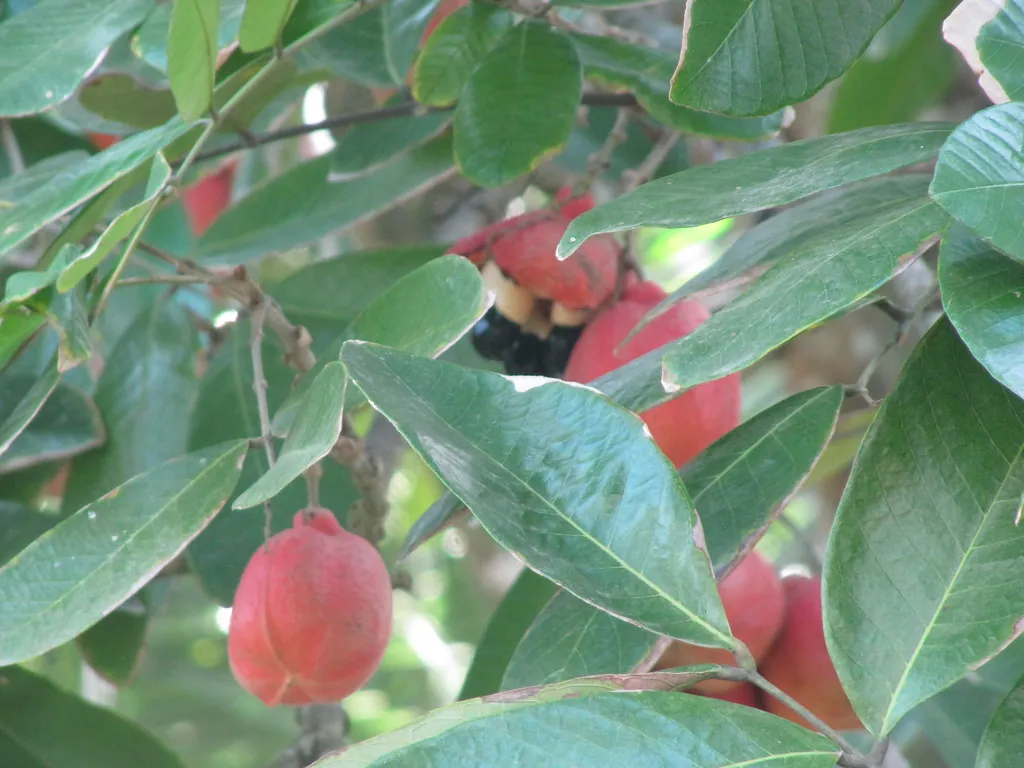
Ackee is Jamaica’s national fruit, with pale yellow flesh, a nutty flavour and a starring role beside salt cod. Its red-and-yellow shell opens into three sections, each with flesh beneath a glossy black seed. Properly processed canned ackee is tender enough to crush with a careless stir.
What it is
A ripe ackee is about 10 cm (4 in) long. The part eaten is the aril, the fleshy cushion beneath each seed. Jamaican butter ackee has softer yellow flesh; cheese ackee has firmer, cream-coloured flesh.
Only fully ripe, properly processed arils are safe to eat. The seeds, rind and unripe fruit are unsafe, and cooking does not make unripe ackee safe. Preparing raw ackee safely takes training.
Where it comes from
Ackee comes from the forests of West Africa. Slave traders carried it to Jamaica in the eighteenth century, and it became the island’s national fruit. It also grows in other Caribbean countries, southern Florida, and Central and South America.
In Benin, ackee is both food and trade. Fresh and dried flesh goes into cooking, and dried pieces travel from local markets to cities.
How it's eaten where it grows
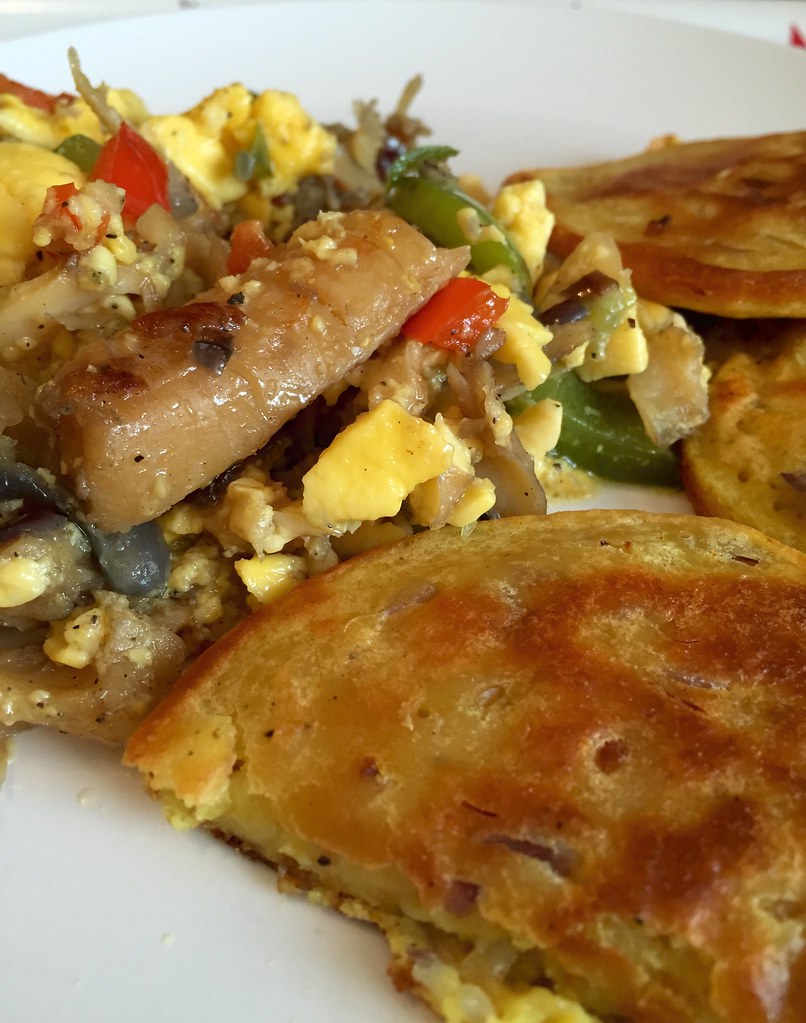
In Jamaica, ackee and saltfish pairs the fruit with salt cod, onions and tomatoes. Canned ackee also goes into ackee-and-saltfish fried rice. The pieces are so tender that gentle stirring keeps them whole.
In Benin, the flesh goes into sauces in place of sesame seeds or peanuts. It can also be ground to release its oil into the sauce. Drying preserves the flesh for later cooking and for sale.
How it's grown
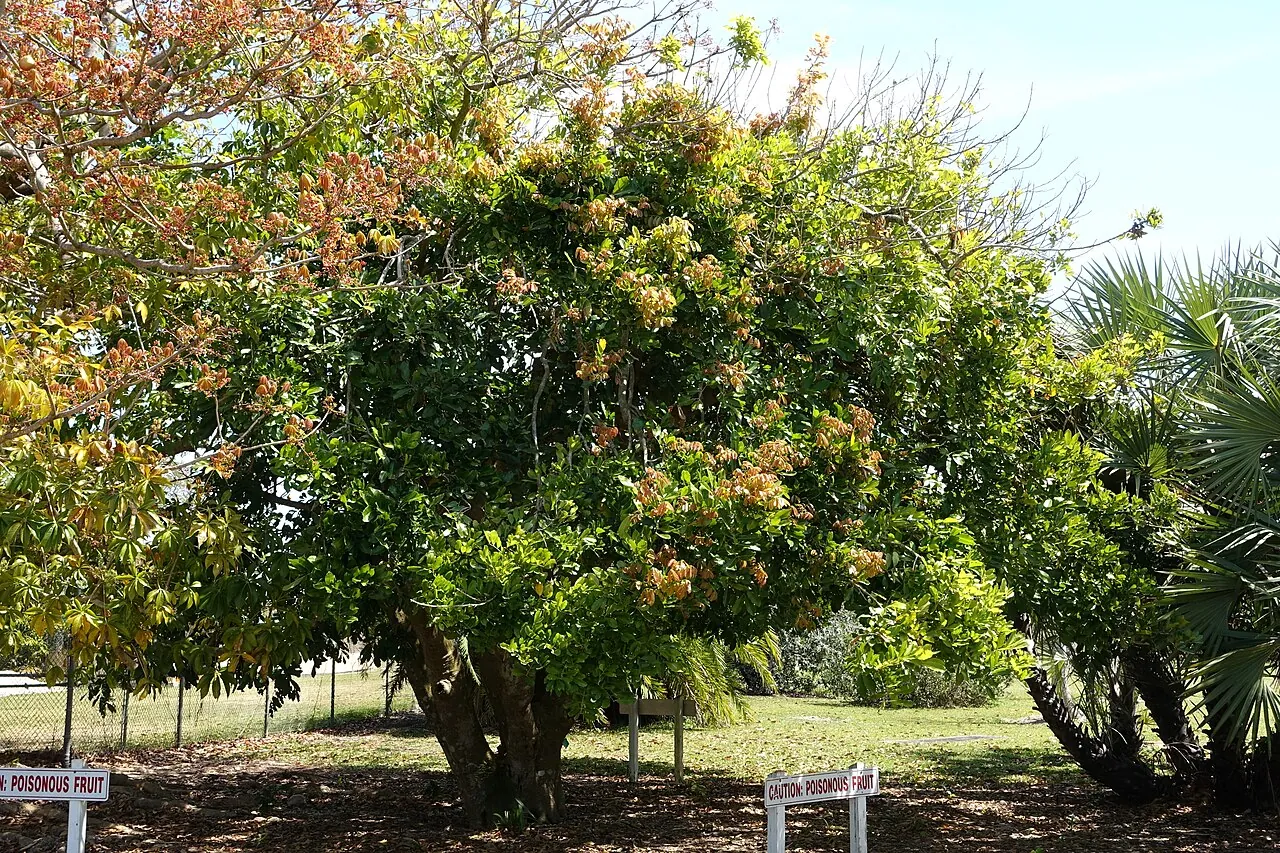
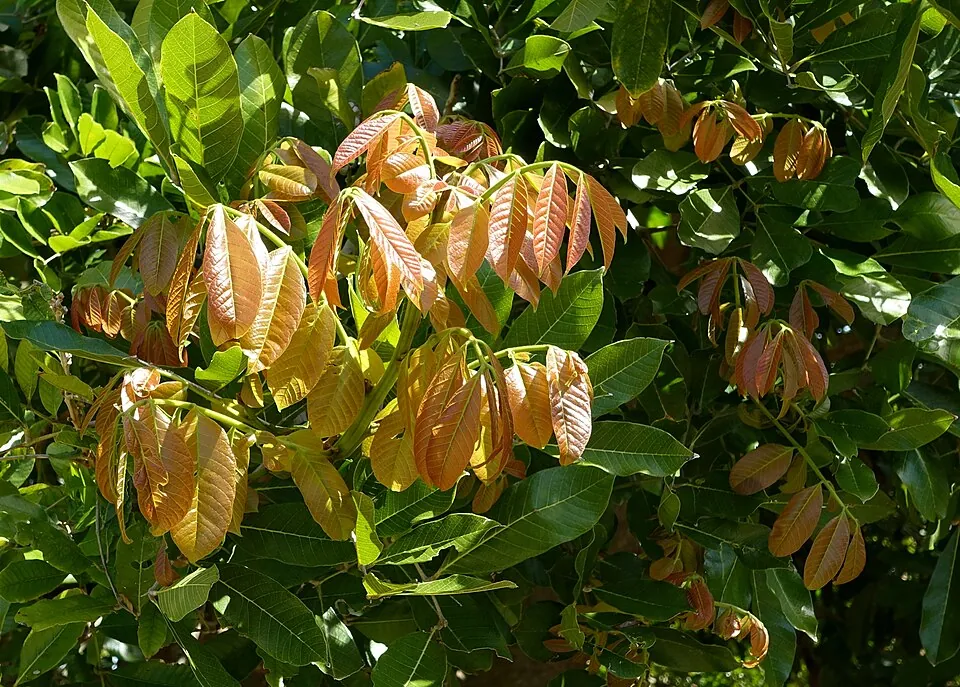
Ackee grows on a usually evergreen tree in tropical and subtropical climates. It fruits best in full sun, and a tree raised from seed begins bearing in three to six years. In Benin, farmers also move naturally sprouted seedlings to places where they can tend them, and stake young trees so they are protected from grazing animals, ploughing and fire.
When and where you'll find it
In Jamaica, the two main crops usually run from January to March and June to August. Some trees bear through the year.
In the US, canned and frozen ackee arrive from countries including Jamaica, Belize and Haiti. Caribbean groceries serving Jamaican communities are a place to look for the canned fruit.
Sources · 7
- Chris De La Rosa, CaribbeanPot.comcaribbeanpot.com
- Ekué et al., Journal of Ethnobiology and Ethnomedicine (2010)pmc.ncbi.nlm.nih.gov
- Ingrid Brown, Jamaica Observerjamaicaobserver.com
- Jamaica Information Servicejis.gov.jm
- Morton, Fruits of Warm Climates (1987)hort.purdue.edu
- University of Florida IFASufdcimages.uflib.ufl.edu
- US Food and Drug Administrationfda.gov
Get it near Detroit
Sell fruit online? Add your business
What it tastes like
As soft as a banana, as mild as a pear≈
More about the taste
Canned ackee is very tender and easily crushed. In rice dishes, it's warmed separately then folded in gently.
People's preferences vary for aril size, taste and oiliness.
Choose, ripen, store, eat
- Product
- Fresh fruitNever eat unopened or unripe ackee, even if cooked.Use only fully ripe, naturally opened fruit; discard the rind, seeds and red membrane.Ackee · Miami Fruit ↗
1ChooseDo not prepare raw ackee yourself unless trained in its proper handling and processing
Do not prepare raw ackee yourself unless trained in its proper handling and processing. Start with a correctly processed food product instead.
2RipenUnripe ackee contains hazardous hypoglycin A, and cooking does not reliably remove it
Unripe ackee contains hazardous hypoglycin A, and cooking does not reliably remove it. There is no safe way to ripen or cook unripe fruit at home.
3StoreFollow the storage instructions on a properly processed product
Follow the storage instructions on a properly processed product.
4EatRipe, processed arils · not seeds, rind
Eat
Ripe, processed arilsNot eaten
SeedsRindOnly the fully ripe, properly processed arils are edible. The seeds and rind are unsafe.
Detroit, Michigan
When it’s good hereUsual monthsToday, Oct 23OrderableListed by a seller we checkedThe day a seller was checked
The season calendar couldn’t load.
24 names in 11 languages
- DiremouOther name
- آقيةArabic
- PhialodiscusSpanish
Cook it
1 Ackee festivalUsual monthToday, Oct 23
Strange but trueHistoryScienceNatureWhere the name came fromCustoms and cultureFood and drink
If you like Ackee
Tastes alike
Same plant family
Sources
Sources
Ackee · Fruitopia · checked Oct 2, 2026
- caribbeanpot.com /ackee-saltfish-fried-rice/
- fda.gov /food/natural-toxins-food/hypoglycin-and-ackee-fruit
- flickr.com /photos/33037982@N04/8442784614
- flickr.com /photos/67216657@N08/18029964912
- healthiersteps.com /jamaican-ackee-patty-recipe/
- jamaicaobserver.com /2013/02/03/earning-a-living-from-ackee/
- miamifruit.org /products/ackee
- pmc.ncbi.nlm.nih.gov /articles/PMC3224935