Pond apple
Also called Alligator apple · Swamp apple · CorkwoodAnnona glabra · Annonaceae family
A wetland Annona whose ecological adaptations are better studied than its dessert quality.
Find it near DetroitGet to know it
Pond apple is a custard-apple relative from Florida’s wetlands, with a soft ripe pulp that goes into drinks and jam. Sugar makes its less appealing flavour more welcome. In one Florida refresco, strained pulp meets pineapple juice and ice; American alligators often eat the fruit.
What it is
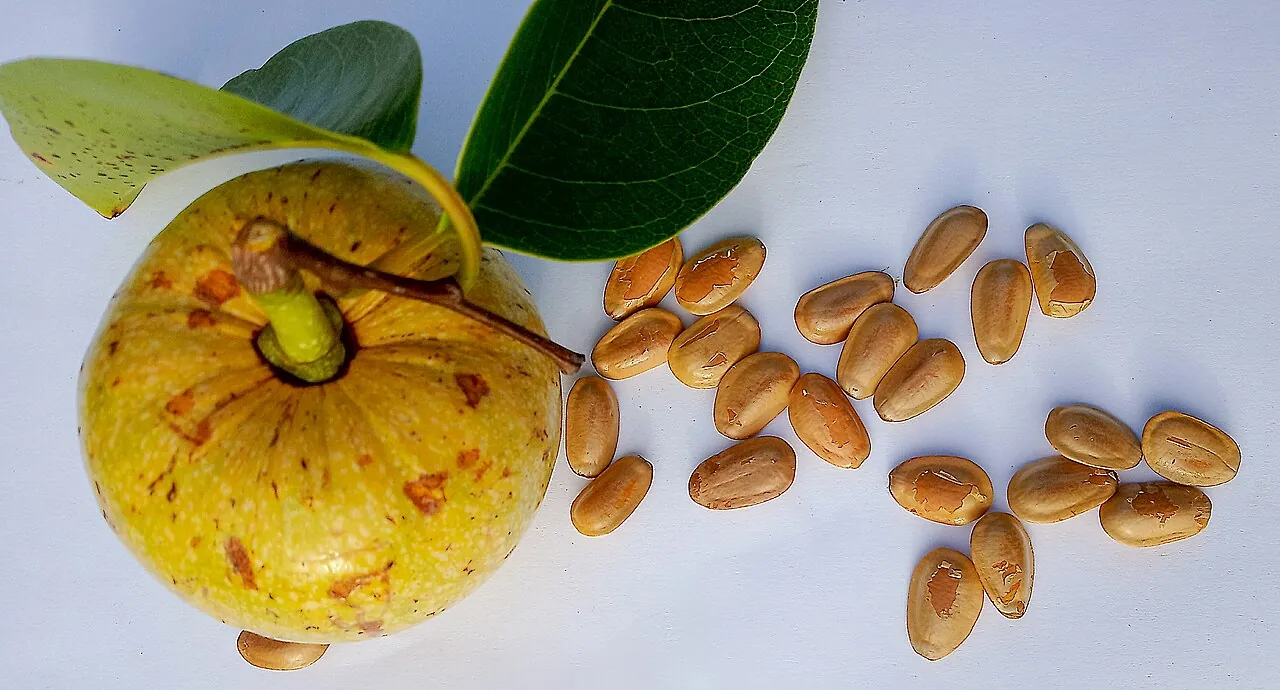
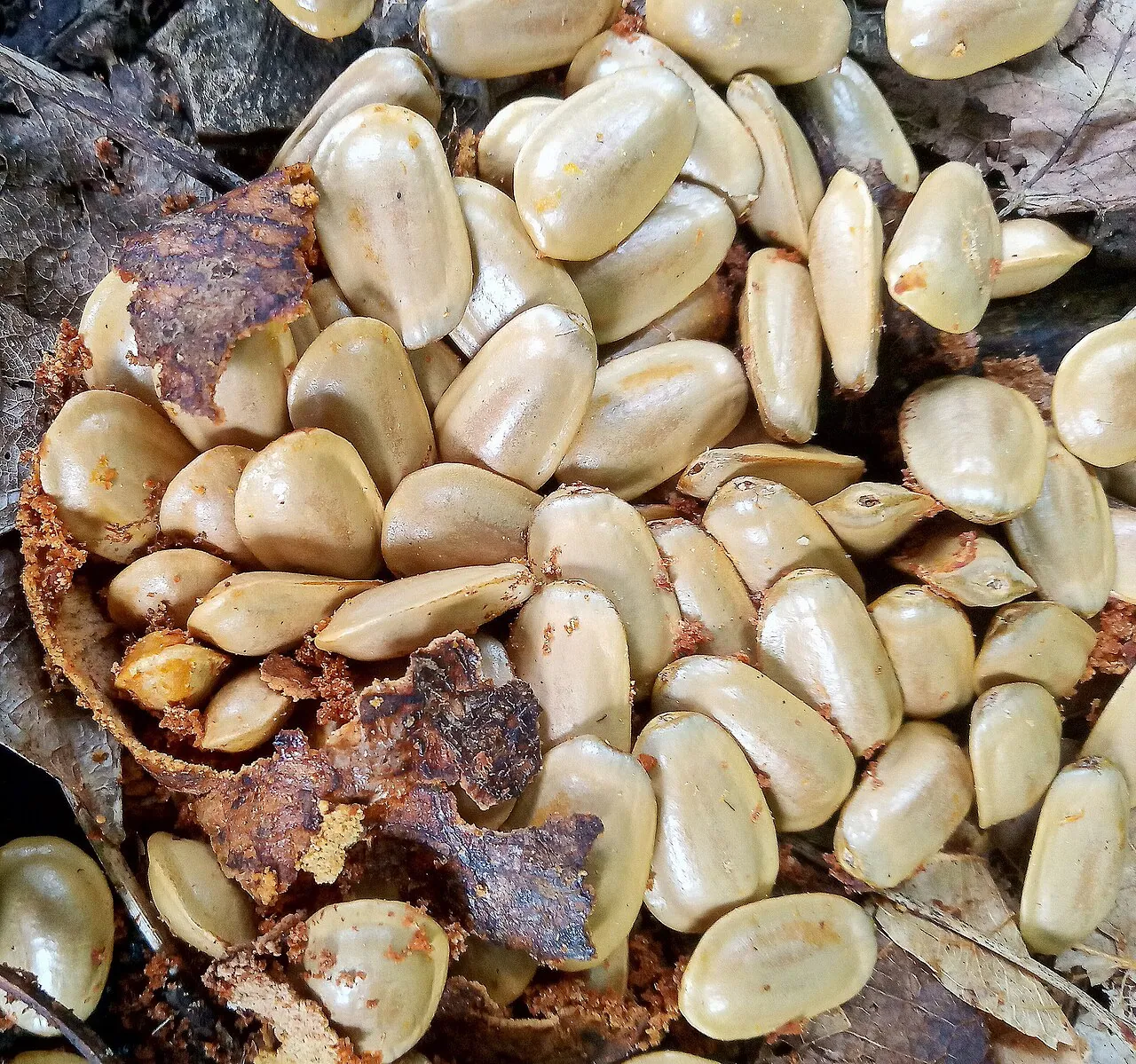
Annona glabra bears fruit about the size of a mango, 5–15 cm (2–6 in), with ripe skin turning yellow to light green and developing brown spots. Inside are around 100 seeds, resembling pumpkin seeds in shape and size. The seeds are toxic and must not be eaten. The edible part is the pulp around them.
Where it comes from
Pond apple is native to the United States, the Caribbean, Central and South America and West Africa. In Florida, it once grew so thickly south of Lake Okeechobee that the area was called Custard Apple Land. The fruit fed Native Americans and early settlers, connecting this wetland tree to people as well as wildlife.
How it's eaten where it grows
Florida’s pond apple can be eaten fresh, boiled or made into jelly. A refresco shared by Billi Wagner at the Oslo Riverfront Conservation Area starts with soft ripe fruit. The skin is discarded and the pulp mixed with water, then strained. Sugar, pineapple juice and ice turn it into a chilled drink.
Jam is another preparation, often with plenty of added sugar. In both the drink and the preserve, it is the pulp that is used; the seeds stay out.
How it's grown
On Sanibel, pond apple grows into a tree about 4.5–9 m (15–30 ft) tall. It briefly sheds its leaves in winter, then flowers in late spring. Creamy flowers have red centres, three thick outer petals and three thinner inner ones.
Trees can start fruiting at two years old. This wetland tree grows well in flooded ground and tolerates brackish water; in dry conditions its leaves can quickly turn yellow.
When and where you'll find it
On Sanibel, Florida, fruit usually appears in early summer and ripens by autumn. The island’s Pond Apple Trail connects with the Shipley Trail behind Bailey Homestead Preserve, through places where the tree grows. This is a way to meet the living tree and its wetland setting during its fruiting season.
Get it near Detroit
What it tastes like
As soft as a banana, as mild as a pear≈
More about the taste
Pond apple is edible but not appealing on its own, and is usually sweetened heavily in drinks or jam.
How to buy it
1EatFruit · not seeds
Eat
FruitNot eaten
SeedsThe fruit is eaten fresh or made into drinks and jam; the numerous seeds are not eaten. A refresco is made from scraped, strained pulp.
Detroit, Michigan
When it’s good hereUsual monthsJust arrivedAt their bestLast chanceAll yearWhere it is in its usual monthsToday, Oct 22Grown hereIn season in your stateShips fromIn season where it grows
25 names in 7 languages
- bình bátVietnamese
- Araticum-do-brejoPortuguese
Cook it
Strange but trueHistoryNatureWhere the name came from
If you like Pond apple
Tastes alike
Close relatives
Sources
Sources
Pond apple · Fruitopia · checked Sep 22, 2026