Phalsa
Also called FalsaGrewia asiatica · Malvaceae family
Phalsa is small enough to be easy to overlook and tart enough to shape an entire drink. Its short keeping period helps explain the importance of nearby growers and seasonal street or local markets.
Find it near DetroitGet to know it
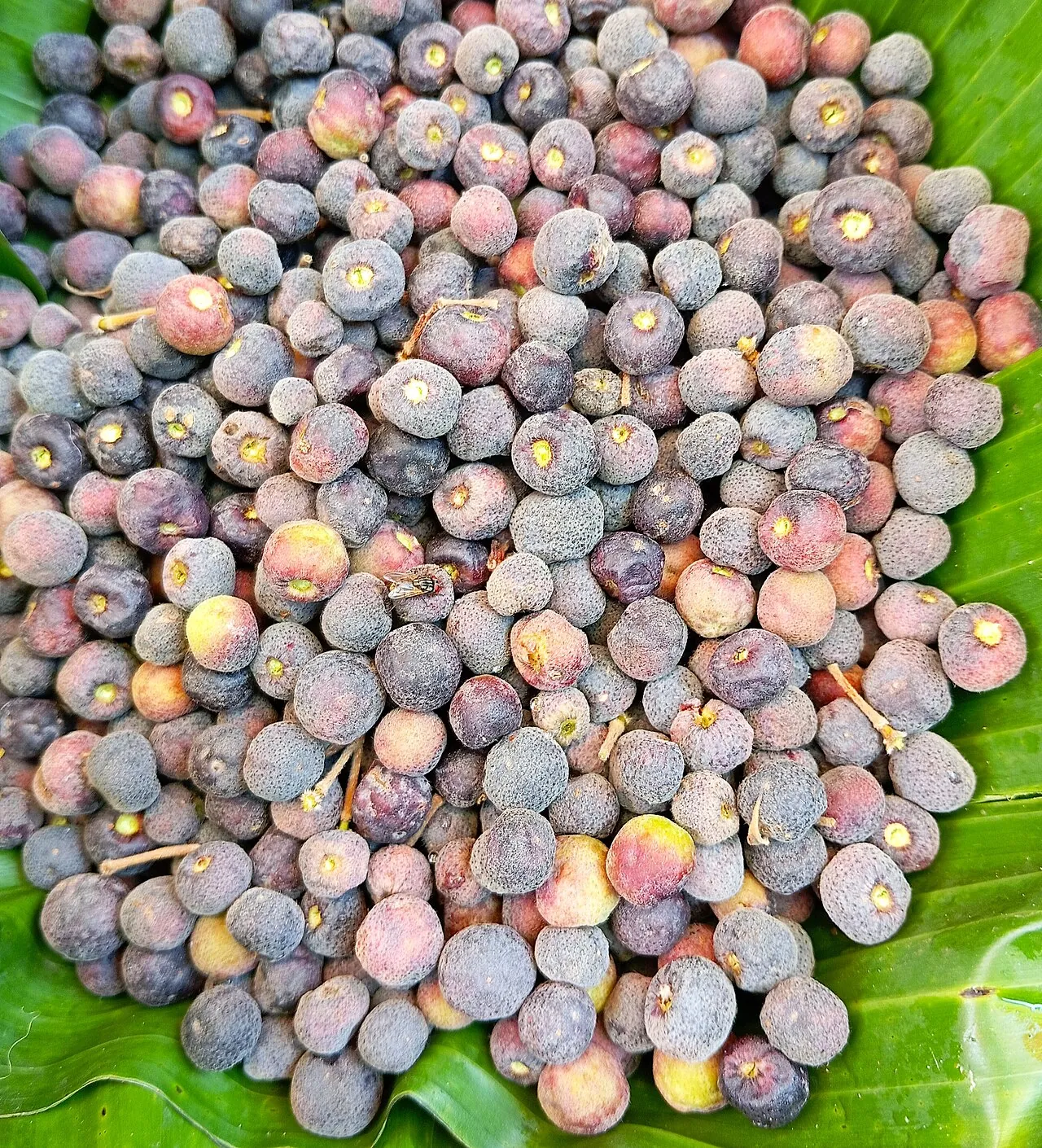
Phalsa is a small purple fruit whose soft, fibrous flesh tastes pleasantly tart, with sweetness in the best fruit. In northern India, it becomes a summer sharbat: a strained fruit drink with sugar, sometimes sharpened with black salt and roasted cumin.
What it is
The round fruit grows in loose clusters. Its tender skin changes from green through purplish-red to dark purple or almost black, under a pale, powdery bloom. The flesh is greenish-white with purple-red staining close to the skin. Large fruits hold two hard seeds; small ones hold just one.
Where it comes from
Phalsa, Grewia asiatica, is native to India and Nepal. It is widely grown, especially near big cities, in India, Pakistan, Sri Lanka and Bangladesh. In Pakistan its name is usually written falsa. It also reached the Philippines before 1914 and now grows wild on parts of Luzon.
How it's eaten where it grows
In northern India, phalsa syrup belongs to the hot summer months. Phalsa ka sharbat turns the fruit into a sweet-tart drink: the flesh is mashed away from the seeds, mixed with sugar and water, then strained. One Indian preparation adds black salt and roasted cumin, with mint, ice and lemon at serving.
The ripe fruit is also eaten fresh. Tall wild plants bear sour fruit; the best fruits of the cultivated dwarf type blend sweet and sour.
How it's grown
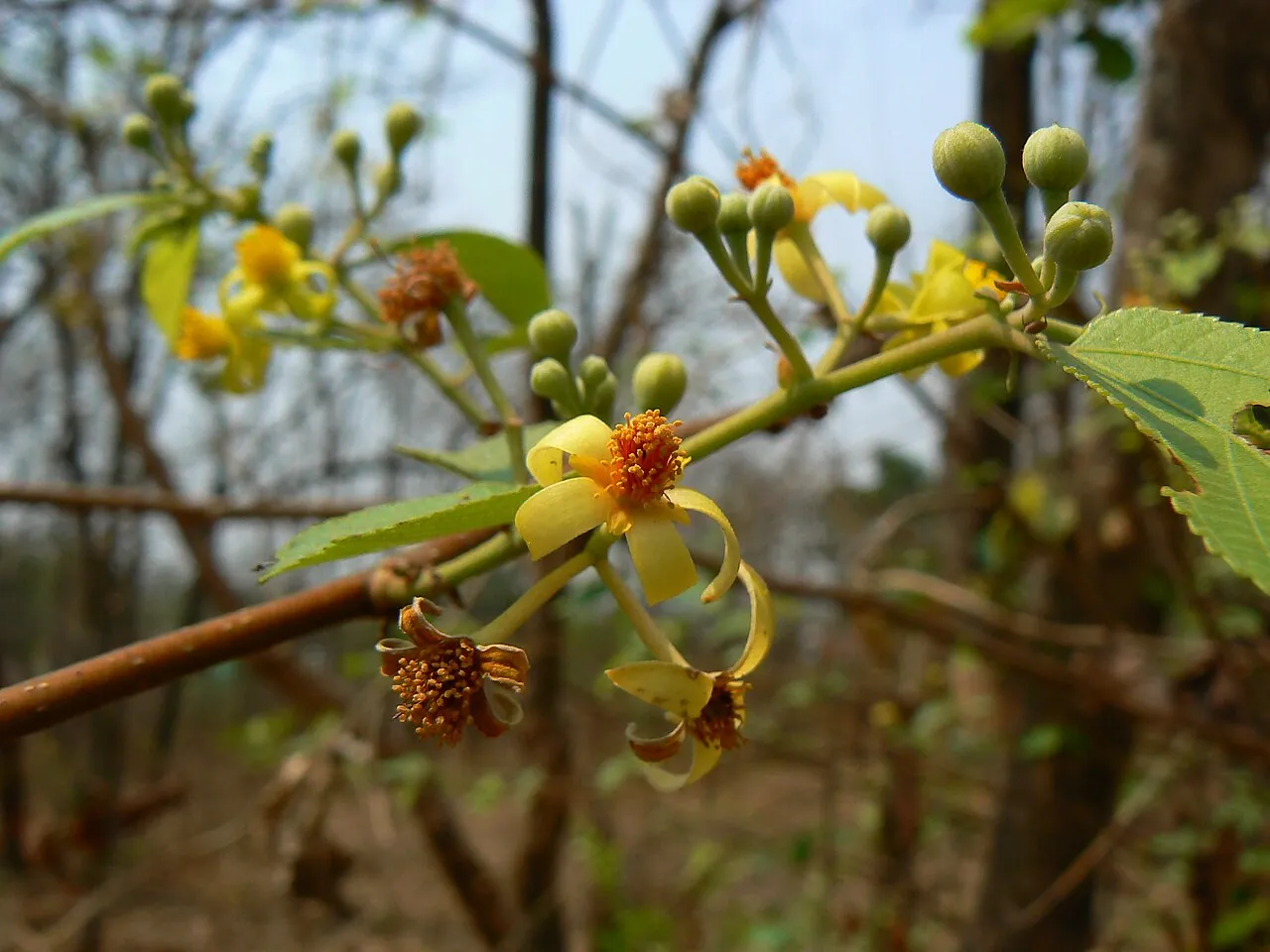
Left alone, phalsa becomes a straggling shrub or small tree about 4.5 m (15 ft) tall, with long, drooping branches and orange-yellow flowers. Growers prune it each year to around 0.9–1.2 m (3–4 ft), encouraging new shoots. Those new shoots carry the flowers and the next crop.
When and where you'll find it
In India, the usual harvest runs from April to June. Fruit is picked by hand each morning over roughly three weeks, as it ripens. Fresh phalsa keeps so briefly that it needs to reach market within a day.
Falsa is also sold frozen: Deep Foods packs Grewia asiatica individually quick-frozen soon after harvest, for juice, pudding or ice cream.
Get it near Detroit
What it tastes like
Softer than a pear, as sweet as a kiwifruit≈
More about the taste
The pulp is soft, fibrous and pleasantly acidic. Phalsa is eaten as ripe fruit or turned into a summer drink; a sweetened sharbat is sweeter than the fresh berries themselves.
The flesh is soft and fibrous, greenish-white with purple-red staining, and pleasantly acidic.
Ripe fruit is eaten as dessert, and its juice made into a refreshing summer drink.
Choose, ripen, store, eat
1ChooseRed or purple
Look for
- Red or purple
Ripe fruit is red or purple. Ask whether a batch is meant for immediate eating or juice, since phalsa keeps only briefly.
2RipenPhalsa is picked repeatedly by hand as it matures
Phalsa is picked repeatedly by hand as it matures; forcing fruit to ripen uniformly can hurt its natural flavor.
3StoreRipe fruit keeps only about a day at typical market conditions - use it quickly
Ripe fruit keeps only about a day at typical market conditions - use it quickly.
4EatPulp
Eat
PulpThe pulp is the edible part.
Detroit, Michigan
When it’s good hereUsual monthsJust arrivedAt their bestLast chanceAll yearWhere it is in its usual monthsToday, Oct 22Grown hereIn season in your stateShips fromIn season where it grows
3 growing areas, 2 countriesUsual monthsOur estimated monthsToday, Oct 22

- India
- Punjab
- Sindh
- You
0 of 1 areas · October
Growing areas by country
- Pakistan2
- India1
In northern India, phalsa syrup is closely tied to the hot summer months.
18 names in 14 languages
- फालसाMarathi
- 朴叶扁担杆Chinese
- نشم آسيويArabic
Cook it
Strange but trueWhere the name came fromCustoms and cultureFood and drink
If you like Phalsa
Tastes alike
Close relatives
Same plant family
Sources
Sources
Phalsa · Fruitopia · checked Oct 2, 2026