Persimmon
Also called Kaki persimmon · Japanese persimmon · Asian PersimmonDiospyros kaki · Ebenaceae family
Ask which type you have: a crisp Fuyu and a spoon-soft Hachiya are different eating experiences.
Find it near DetroitGet to know it
An orange persimmon can be a crisp, sweet snack or a spoonful of soft pudding. Fuyu is ready to bite while firm; Hachiya needs to soften until almost mushy. The difference is the variety, and it changes how you eat the fruit.
What it is
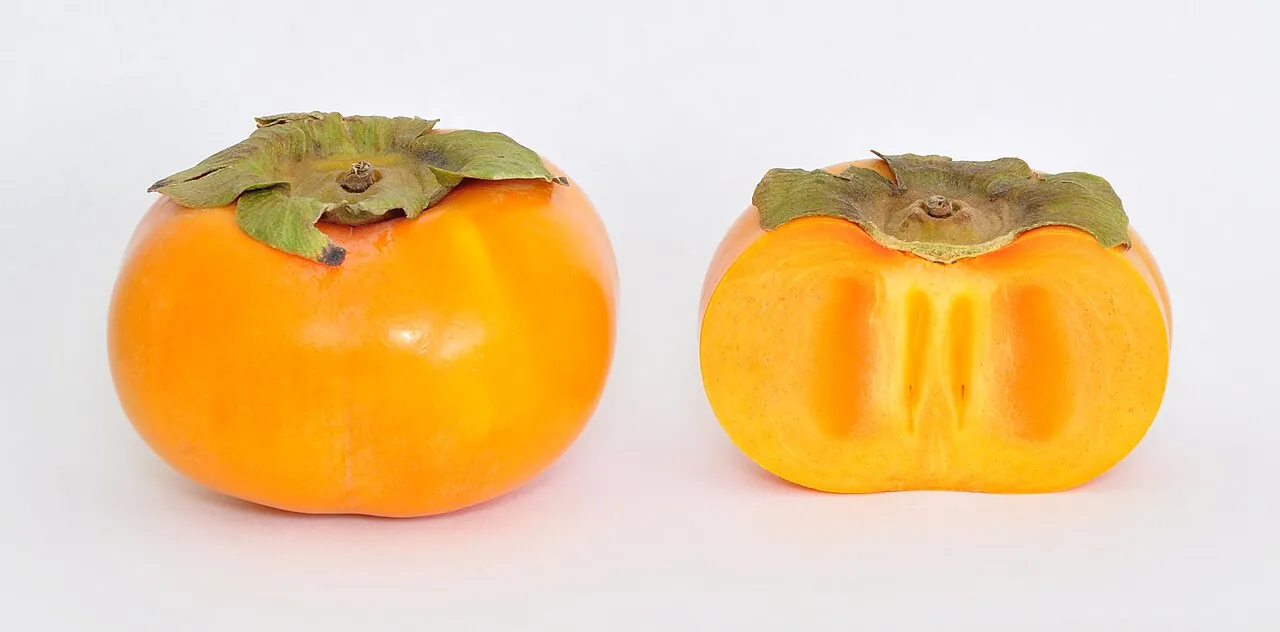
This is the Asian persimmon, Diospyros kaki. Fuyu is squat and slightly squared, about 7 cm (2¾ in) across, with deep-orange skin and lighter orange flesh. Hachiya is longer and pointed, about 9.5 cm (3¾ in) long.
A firm Hachiya has tannins that leave your mouth feeling dry. Once fully soft, its flesh is spoonable. Fuyu and Jiro lose that mouth-drying quality while still firm, so their crunch is part of the pleasure.
Where it comes from
Asian persimmons originated in China. In Japan, Hachiya is much used for drying, and in Korea dried persimmons go into a traditional sweet served to guests.
In India, Hachiya grows in the Kullu Valley. In the United States, California is the leading growing state, followed by Florida and southern Texas.
How it's eaten where it grows
In Yamanashi, Japan, korogaki are peeled persimmons hung to dry, then rubbed and rolled as they lose moisture. They are served with tea or added to kaki namasu, a carrot-and-daikon salad for New Year.
In Korea, sujeonggwa brings dried persimmons together with water infused with ginger and cinnamon. One preparation rolls walnuts inside the dried fruit, slices it, then serves those rounds in the cold spiced liquid with pine nuts.
Fresh fruit has two different kitchen roles: firm Fuyu slices go into salads, while soft Hachiya pulp goes into baking.
How it's grown
Persimmons grow on trees in the ebony family. A Fuyu tree can reach 6–9 m (20–30 ft); it grows best in full sun and soil that drains well. Asian persimmons commonly begin bearing at four to six years old.
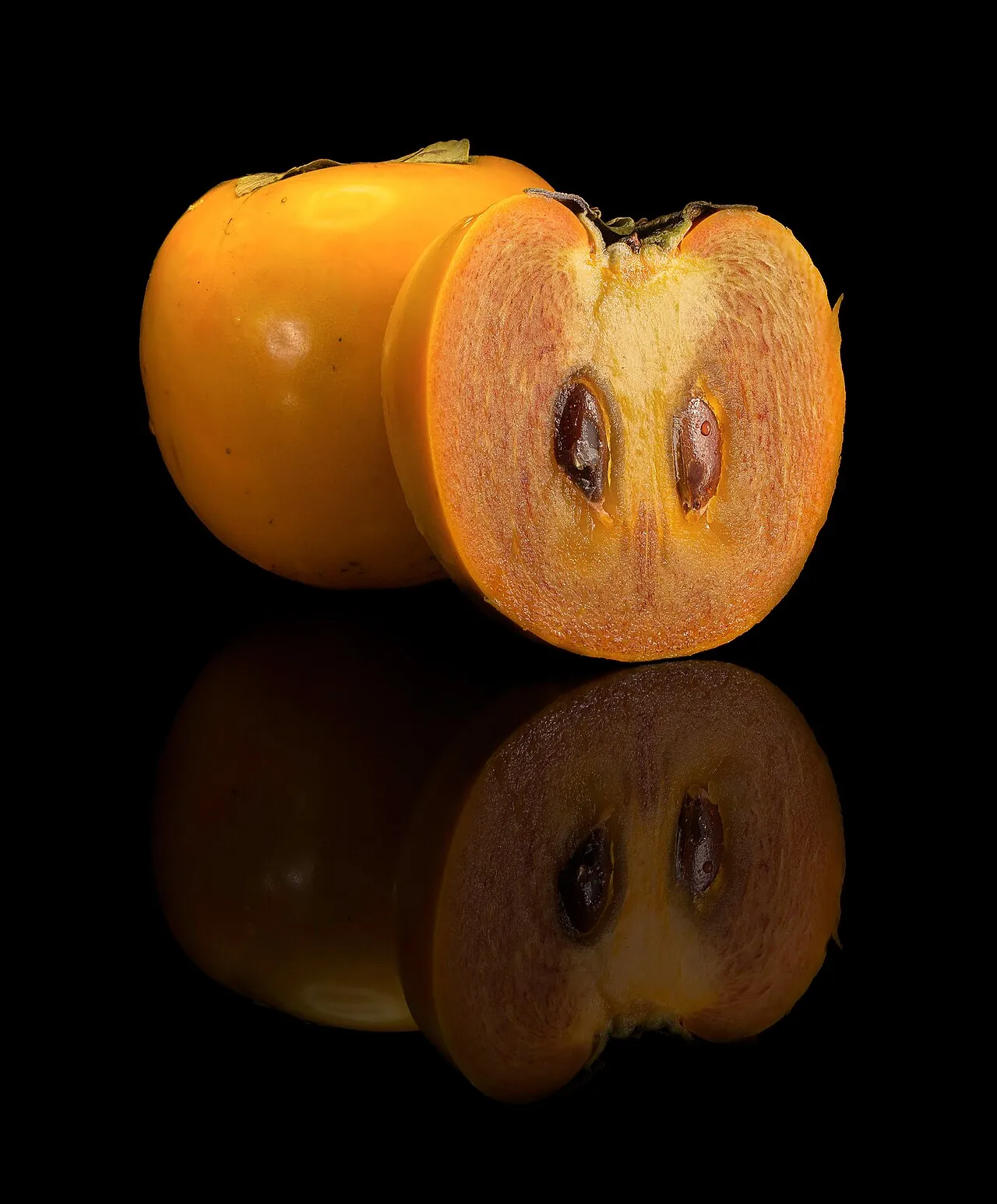
Some set seedless fruit without pollination. Harvesting calls for scissors: the stem is clipped above the leaflike cap, which stays on the fruit until it is eaten or prepared.
When and where you'll find it
In California, the usual market season runs from mid-to-late September through December, with an October peak. Fuyu is a familiar supermarket persimmon, and California farmers’ markets carry both Fuyu and Hachiya.
Dried persimmons offer a different texture and use: in Yamanashi, korogaki is sold through shops specialising in local foods, often in wooden gift boxes. In the kitchen, a soft Hachiya and a firm Fuyu suit different recipes.
Sources · 7
- Japan Ministry of Agriculture, Forestry and Fisheriesmaff.go.jp
- KBS World, Kim Su-jinrki.kbs.co.kr
- Morton, Fruits of Warm Climates (1987)hort.purdue.edu
- NC State Extension Gardener Plant Toolboxplants.ces.ncsu.eduOther pages2
- Pacific Coast Farmers’ Market Associationpcfma.org
- University of California Agriculture and Natural Resourcesucanr.eduOther pages2
- University of Florida IFASask.ifas.ufl.edu
Get it near Detroit
What it tastes like
As mild as a banana, sweeter than a peach≈
More about the taste
Fuyu can be eaten crisp or soft; Hachiya is an astringent type that becomes jelly-fleshed when fully ripe. Eating an astringent type too firm gives a mouth-puckering experience.
The key distinction is astringency: firm fruit of astringent varieties can have a drying, puckering tannin sensation, quite different from the sweetness and smooth texture of a properly matured fruit.
Hachiya is an astringent type eaten soft; Fuyu is nonastringent and can be enjoyed crisp or soft.
A tasting invitation
Explore the difference between a crisp slice and a spoonful of soft pulp; each stage suits different dishes.
Choose, ripen, store, eat
1ChooseHachiya: completely soft
Look for
- Hachiya: completely soft
- Fuyu: firm is fine
Ignore
- Shape alone
- Orange color alone
Identify the variety first. Fuyu can be eaten firm; Hachiya is astringent and must be eaten soft. In some varieties, seed formation also changes flesh color and firmness.
2RipenOn the counter
Ripens after pickingCounterLet mature, fully colored astringent persimmons soften at room temperature until pudding-like. Nonastringent types do not require that same soft stage.
3StoreCounter, fuyu
- CounterFuyuBriefly
- FridgeFuyuKeeps crisp
Fuyu keeps briefly at room temperature or longer refrigerated, to preserve its crispness. Treat that separately from ripening a firm Hachiya.
4EatSoft pulp, Chopped fruit
Eat
Soft pulpChopped fruitFor the Hachiya bread, scoop out the soft pulp and puree it. The Fuyu salsa uses chopped fruit; these recipes require different textures, not interchangeable ripeness.
More tips
A useful detail Astringency is the mouth-drying quality that makes an underripe Hachiya such a surprise. Fuyu and Hachiya are a useful introduction, but Asian persimmons include other variety groups too, and American persimmons are a separate matter.
Worth knowing
- Identify the type before using softness as your readiness test. Firm Fuyu and soft astringent persimmon are two different eating experiences.
- Softening at home won't rescue severely immature fruit — go by type, maturity and condition together when buying.
Detroit, Michigan
When it’s good hereUsual monthsJust arrivedAt their bestLast chanceAll yearWhere it is in its usual monthsToday, Oct 22Grown hereIn season in your stateShips fromIn season where it growsOrderableListed by a seller we checkedThe day a seller was checked
29 growing areas, 11 countriesUsual monthsOur estimated monthsToday, Oct 22

- Cáceres
- California
- Castellón
- Chiang Mai
- Espírito Santo
- Hawaii
- Jeju +1
- Lleida
- Lot-et-Garonne
- Mendoza
- Nagano
- New South Wales
- Northern Territory
- Santa Cruz de Tenerife
- Wakayama
- You
8 of 17 areas · October
Growing areas by country
- Spain9
- Australia6
- France3
- Japan3
- United States2
- Argentina1
- Brazil1
- China1
and 6 more countriesand 3 more countries
In Indonesia, firm persimmons are treated with lime, leaving pale powdery marks on the skin, or steamed and flattened into a dried preparation called red figs.
31 varieties
- No variety photo yetNuevo Rojo Brillante
- Taste
- sweet
- No variety photo yetDoc’s Delight
- Taste
- sweet
- Feel
- firm
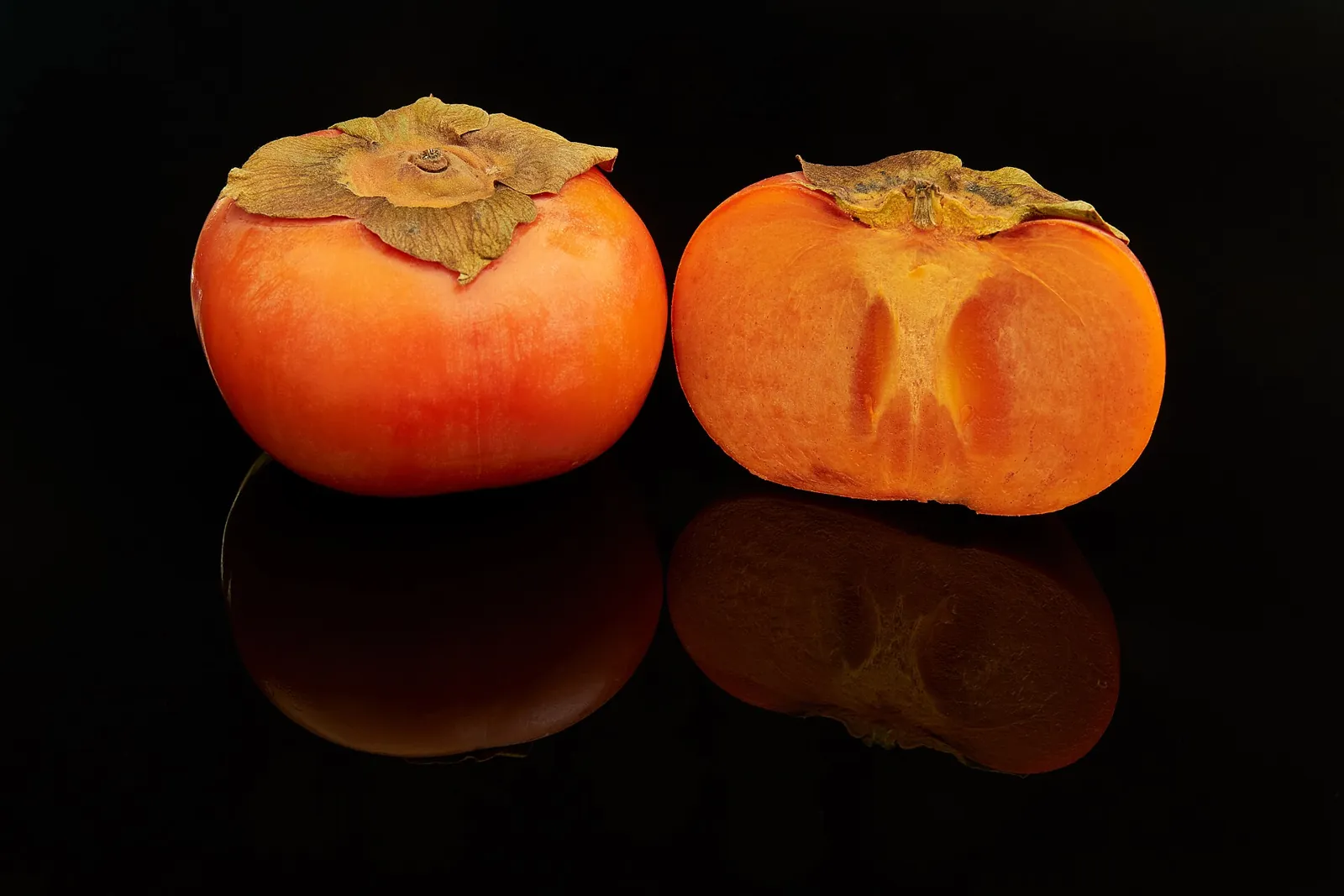 FuyuPhoto: Frank Schulenburg · CC BY-SA 4.0
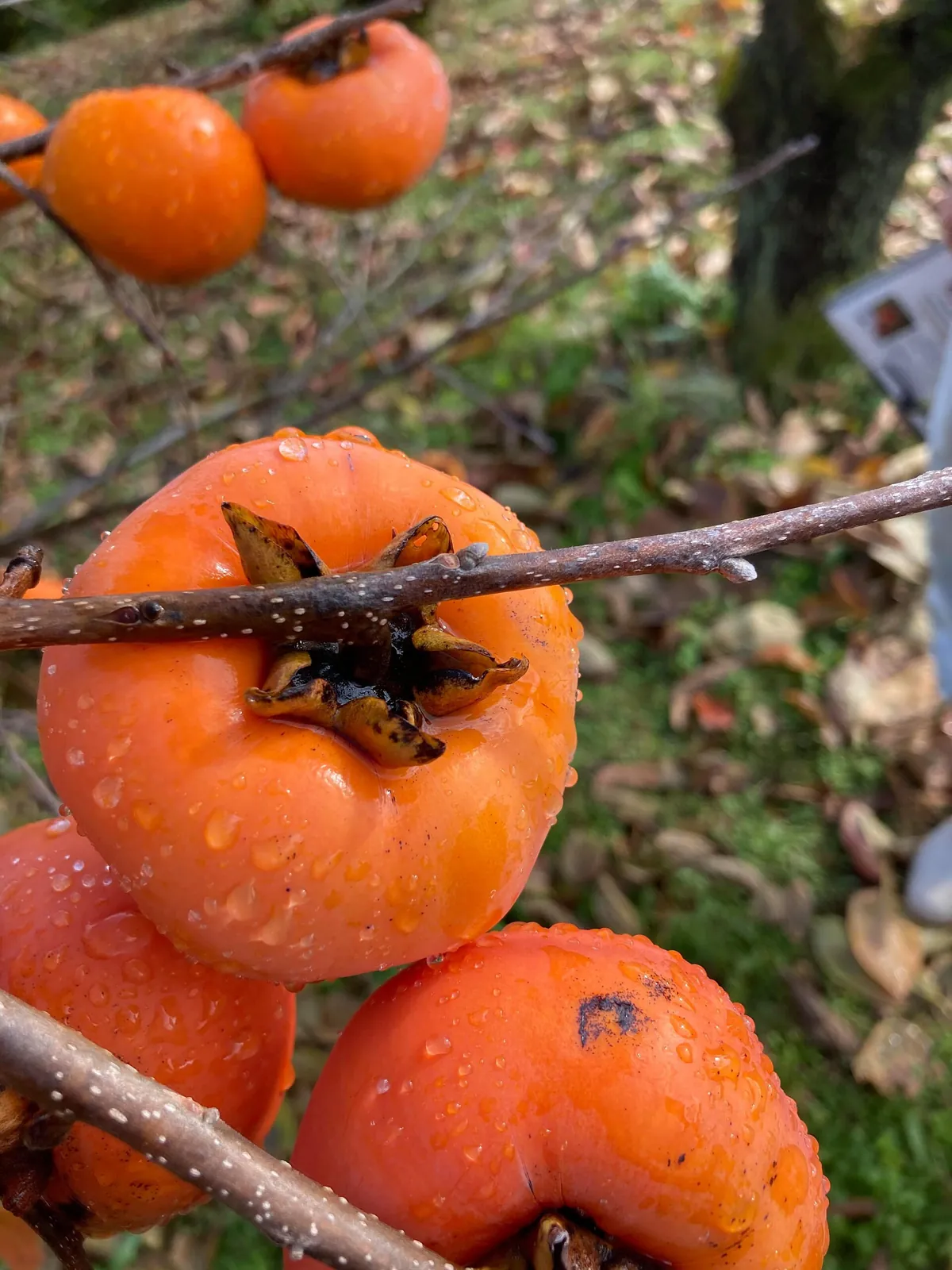 GoshoPhoto: Uo3rt · CC BY-SA 4.0
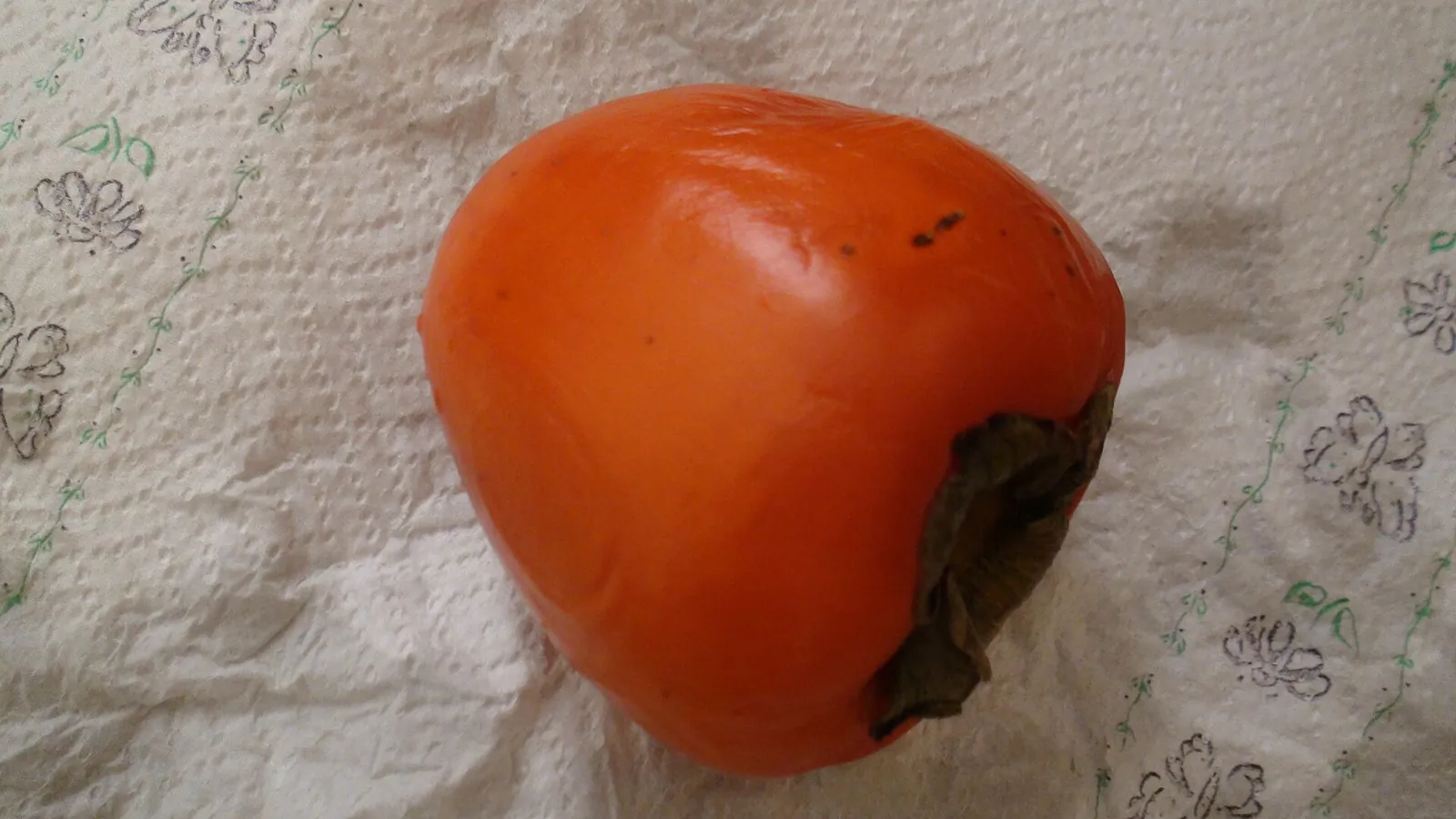 HachiyaAlso Dojo-Hachiya, DojohachiyaPhoto: Tduk Alex Lozupone · CC BY-SA 3.0
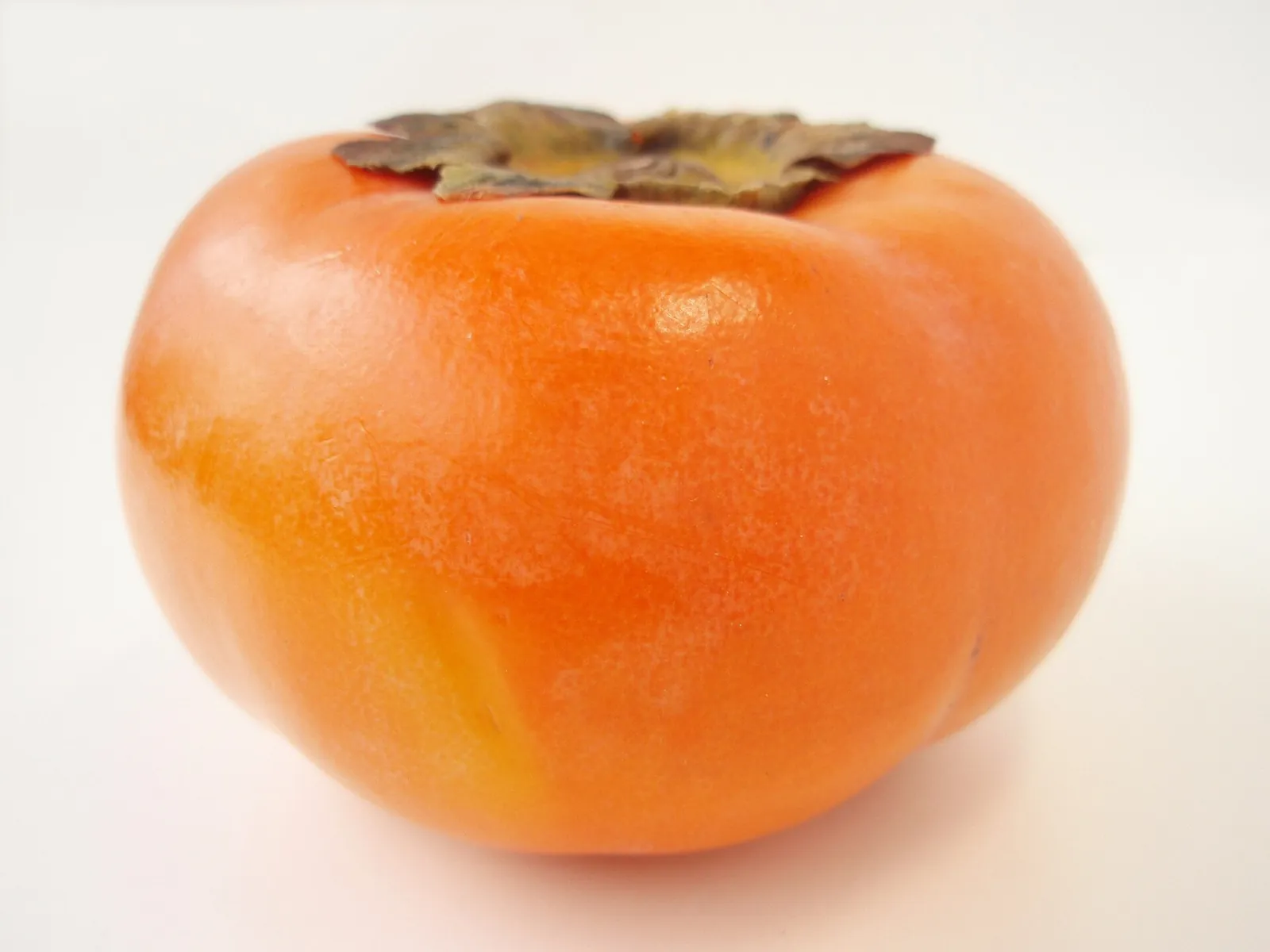 JiroPhoto: Batholith · Public Domain Mark 1.0
75 names in 17 languages
- Mjoho kakiSwahili
Cook it
How to serve it first
Slice firm Fuyu into a salad with a crisp vegetable and a tart dressing. Spoon fully softened Hachiya into a bowl, or use its pulp in a recipe written for ripe persimmon. Name the type in your cooking notes so the result is repeatable.
3 persimmon festivalsUsual monthToday, Oct 22
Strange but trueHistoryA myth, and the truthScienceNatureWhere the name came fromCustoms and cultureFood and drinkPeople
If you like Persimmon
Tastes alike
Close relatives
Used the same way
Nutrition, sources
Nutrition
Persimmons, japanese, raw · per 100 g
- Carbohydrate
- 19 g
- Fiber
- 3.6 g
- Sugars
- 13 g
- Protein
- 0.6 g
- Fat
- 0.2 g
- Vitamin C
- 7.5 mg
- Potassium
- 161 mg
Sources
Persimmon · Fruitopia · checked Sep 23, 2026
- ask.ifas.ufl.edu
- davidlebovitz.com
- extension.msstate.edu
- pmc.ncbi.nlm.nih.gov
- raynersorchard.com.au
- theflavorbender.com
- ucanr.edu
What we don't know yet
You can't tell a persimmon's astringency type from its shape or a few dark flecks alone.