Lemon
Citrus × limon · Rutaceae family
Explore lemon twice: its juice brings sharp acidity, while its peel adds a different kind of aroma.
Find it near DetroitGet to know it
A lemon gives you two flavours in one yellow fruit: sharp juice and fragrant peel. Eureka and Lisbon bring the familiar sourness; a Meyer tastes gentler and sweeter. Its aromatic skin is dotted with tiny oil glands, and its coloured outer layer is the zest cooks grate into food.
What it is
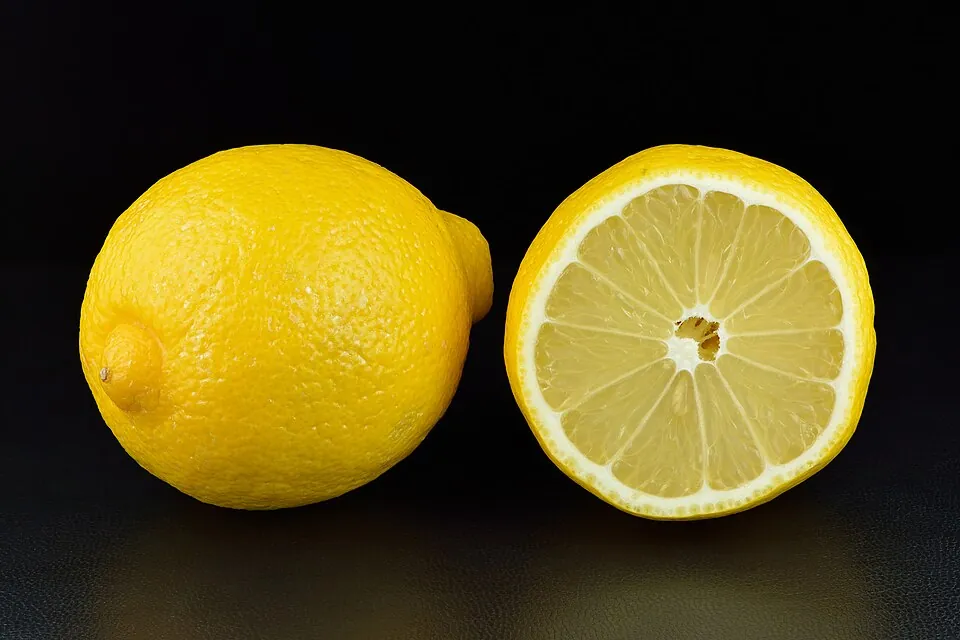
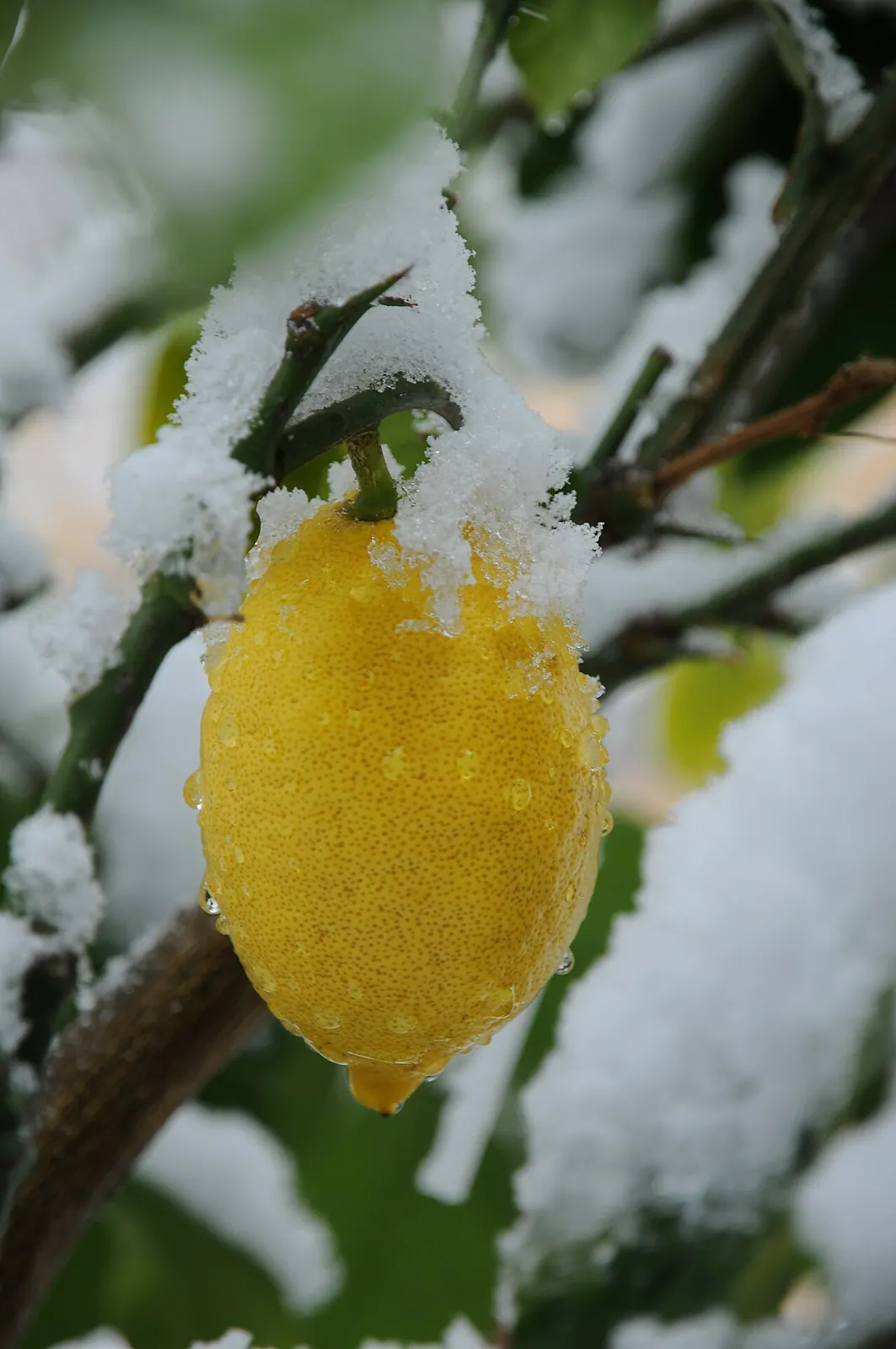
A lemon is oval with a small point at one end, usually 5–12 cm (2–4.8 in) long. Inside the yellow skin, pale flesh divides into eight to ten juicy segments. The coloured outer peel is the zest; underneath it lies the bitter white pith.
Eureka and Lisbon are the familiar sharp lemons. Meyer is a gentler choice, sweeter and less acidic, with thin, smooth skin that shades towards orange. Its juicy flesh has seeds, too.
Where it comes from
The lemon probably began near the foot of the Himalayas in eastern India, as a cross between citron and bitter orange. In 1493, Columbus carried its seeds to Hispaniola in the Caribbean.
Today lemon orchards spread around the Mediterranean, from Spain and Italy to Morocco and Turkey, and across to Chile and Argentina. In the United States, California and Arizona are the main growing states.
How it's eaten where it grows
In South India, lemon rice turns cooked rice yellow with turmeric and sharp with juice. Mustard seeds, lentils and curry leaves fry in the seasoning; peanuts or cashews add crunch. Also called chitranna, it is served with plain yogurt, papad or pickle.
In Morocco, preserved lemon goes into chicken tagine with olives and spices. The chicken cooks with the sliced lemon and olives in its sauce, ready to eat with bread or couscous. The whole preserved lemon, sliced thin, goes into the pot.
How it's grown
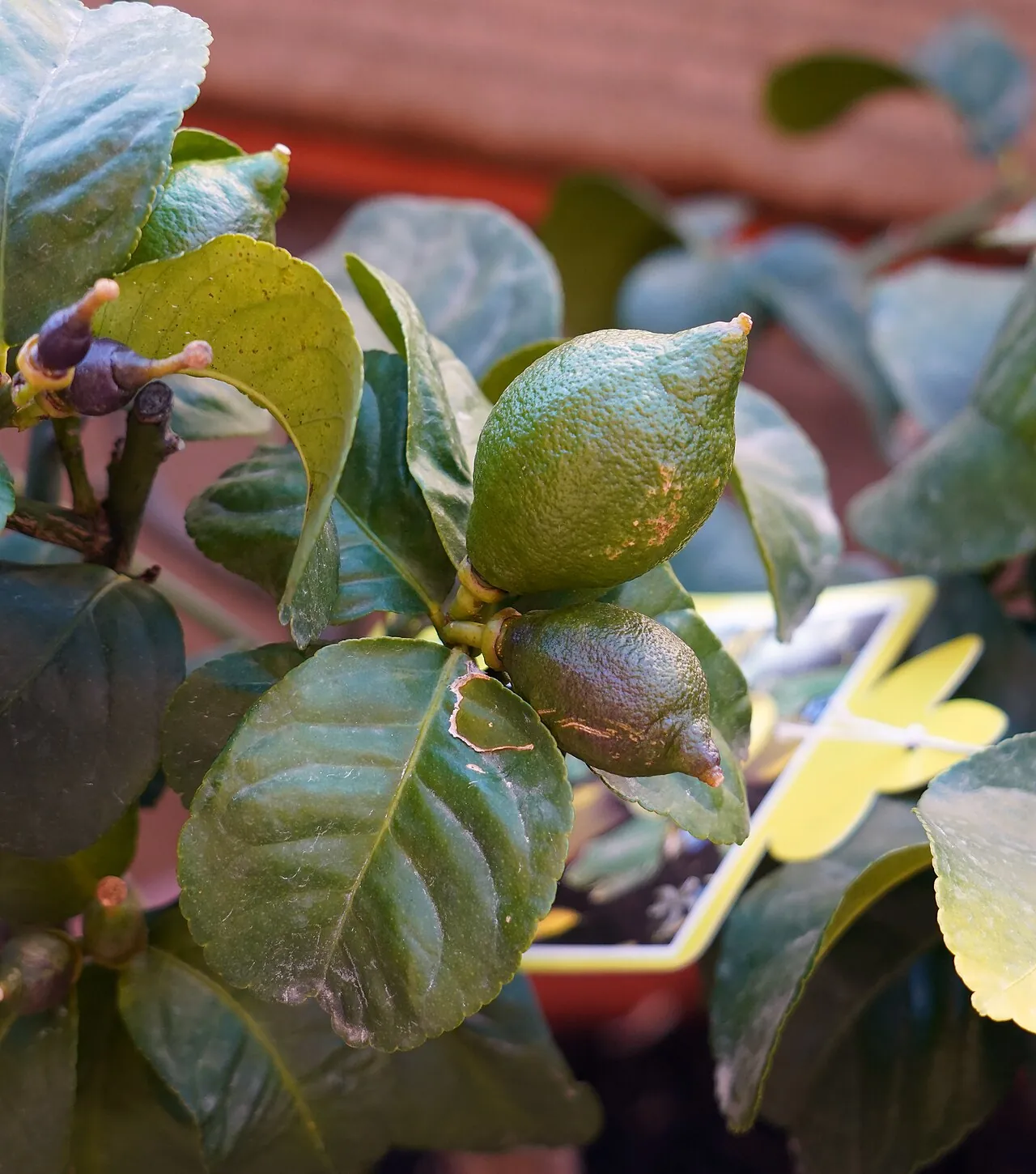
The fruit grows on an evergreen tree about 3–6 m (10–20 ft) tall, often with sharp thorns. It needs sun and warmth; in colder places, a pot lets the tree spend winter indoors. Growers usually join a bud or shoot to the roots of another citrus tree, a process called grafting. Young lemon trees usually start fruiting in their third year.
When and where you'll find it
Fresh lemons are a supermarket fruit from January through December. In Riverside, California, Eureka usually has its main crop from late winter through spring into early summer; Lisbon usually peaks in winter and early spring. Both trees can carry more than one crop a year.
Beyond the fresh fruit, lemon juice travels canned, frozen or concentrated, and even dried into powder. That gives the same fruit a place in both the produce aisle and the cupboard.
Sources · 8
- Morton, Fruits of Warm Climates (1987)hort.purdue.edu
- NC State Extension Gardener Plant Toolboxplants.ces.ncsu.edu
- Salima Benkhalti, Salima’s Kitchensalimaskitchen.com
- Sunkist Growersfoodservice.sunkist.com
- Swasthi Shreekanth, Swasthi’s Recipesindianhealthyrecipes.com
- University of California, Riverside Citrus Variety Collectioncitrusvariety.ucr.eduOther pages23
- University of Florida IFASask.ifas.ufl.edu
- Utah State University Extensionextension.usu.edu
Get it near Detroit
What it tastes like
Less sweet than a grapefruit, tarter than a kiwifruit≈
More about the taste
True lemons have juicy, distinctly acidic flesh. Eureka and Lisbon are high-juice, very acidic types; sweeter citrus sold under lemon-like names can taste quite different.
Lemon juice adds acidity to drinks, fish and meat dishes, while the peel adds a different, aromatic note to baking and confectionery.
A tasting invitation
Compare a dish finished with juice against the same dish finished with a little zest. The first shows sourness, the second shows aroma. Keep the comparison simple, with yogurt, rice or a mild vegetable, so the difference stays clear.
Choose, ripen, store, eat
1ChooseHeavy for its size
Look for
- Heavy for its size
- Firm, thin, shiny skin
Ignore
- Yellow color alone
Yellow is not the only mature color — light-green lemons can be fully ripe too. A green lemon needs maturity behind it, not just time in a bowl.
2RipenOn the counter
CounterMature green lemons can be cured at room temperature until they yellow, the rind smooths and juice increases. This works only starting from already-mature fruit.
3StoreCounter, whole, immediate use
- CounterWhole, immediate use
- FridgeWhole, longerBag
After curing, refrigerate lemons in a plastic bag for several days to a week.
4EatJuice, Peel
Eat
JuicePeelBoth juice and peel belong in the kitchen — in desserts, drinks, candied peel and baking.
More tips
A useful detail Zest is the colored outer layer of the peel, distinct from the rest of the rind. Juice and zest are two different kitchen tools: one supplies acidity, the other concentrated citrus aroma.
Detroit, Michigan
When it’s good hereUsual monthsJust arrivedAt their bestLast chanceAll yearWhere it is in its usual monthsToday, Oct 22Grown hereIn season in your stateShips fromIn season where it growsOrderableListed by a seller we checkedThe day a seller was checked
41 growing areas, 14 countriesUsual monthsOur estimated monthsToday, Oct 22

- Cáceres
- California
- Castellón
- Coquimbo
- East Java
- Eastern Cape
- Ehime
- Espírito Santo
- Florida
- Granada
- Hawaii
- Limpopo
- Mersin
- O'Higgins
- Penang
- South Africa
- Western Cape
- Yogyakarta
- You
11 of 17 areas · October
Growing areas by country
- Spain9
- United States6
- South Africa6
- Australia3
- Chile3
- France3
- Argentina2
- Indonesia2
and 9 more countriesand 6 more countries
Citrus peel color responds to cool weather and does not always track eating maturity. Lemon and lime juice can be frozen, a good way to preserve them even when the fresh fruit does not look picture-perfect.
60 varieties
- No variety photo yetFemminello
- Tartness
- high
- Juice
- juicy
- Skin
- yellow
- Flesh
- green · yellow
- No variety photo yetMonachello
- Flavour
- Acidic flesh.
- Juice
- juicy
- Flesh
- yellow
- Shape
- oval
- No variety photo yetTift2-16
- Juice
- juicy
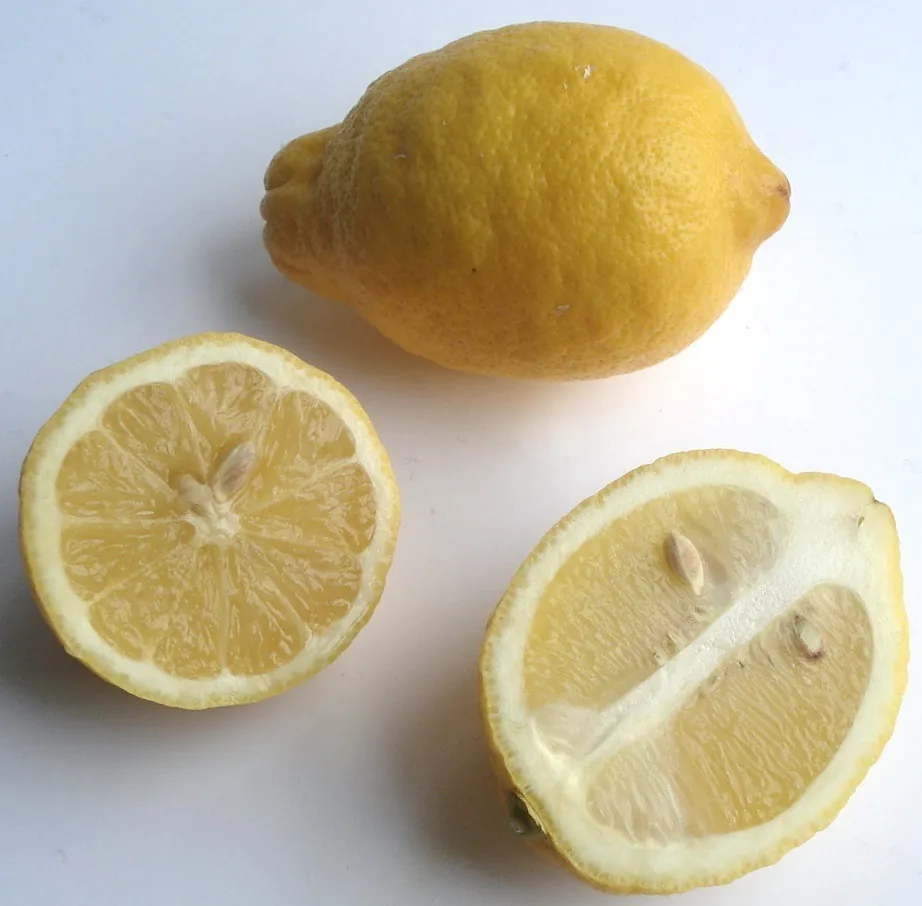 Eureka
- Tartness
- high
- Skin
- yellow
- Flesh
- green · yellow
- Shape
- oval
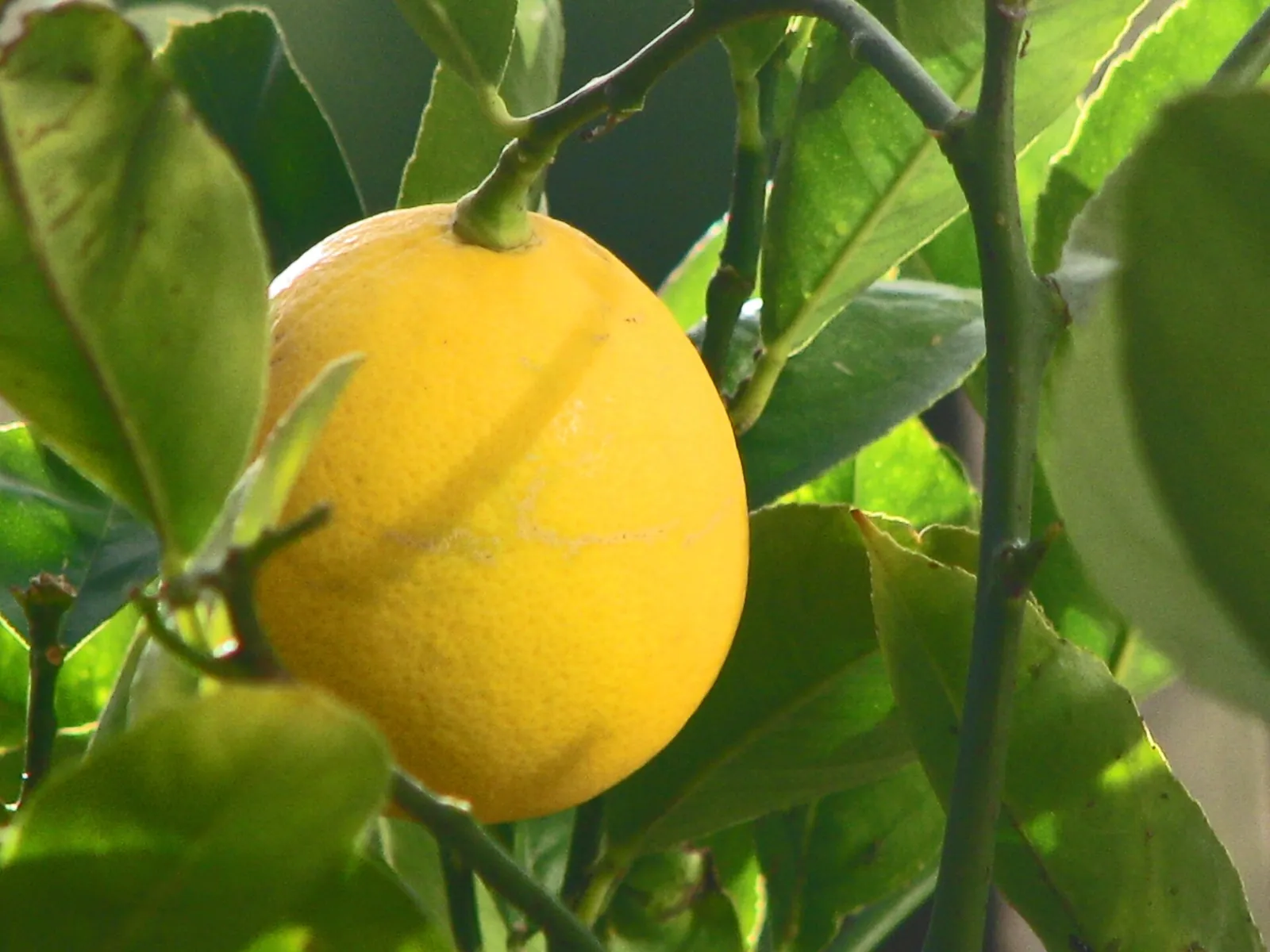 Meyer
- Scent
- A distinctive aroma. US-CA
- Flavour
- Acidic flesh. US-CA
- Juice
- juicy US-CA
- Flesh
- orange · yellow US-CA
- No variety photo yetLisbon
- Tartness
- high
- Skin
- yellow
- Flesh
- green · yellow
- Shape
- oblong
39 names in 24 languages
Cook it
How to serve it first
Wash the exterior before cutting or zesting. Zest a whole lemon first, then cut it for juice — easier than grating an already squeezed half. Add juice gradually to a dish, tasting between additions.
5 lemon festivalsUsual monthToday, Oct 22
Strange but trueHistoryA myth, and the truthScienceNatureWhere the name came fromCustoms and cultureFood and drinkPeopleA record
If you like Lemon
Close relatives
Nutrition, sources
Nutrition
Lemons, raw, without peel · per 100 g
- Carbohydrate
- 9.3 g
- Fiber
- 2.8 g
- Sugars
- 2.5 g
- Protein
- 1.1 g
- Fat
- 0.3 g
- Vitamin C
- 53 mg
- Potassium
- 138 mg
Sources
Lemon · Fruitopia · checked Sep 21, 2026