Kabosu
Citrus sphaerocarpa · Rutaceae family
An Oita citrus valued for aromatic acidity, with distinct open-field, stored and greenhouse supply seasons.
Find it near DetroitGet to know it
Kabosu is a small Japanese citrus squeezed green over food. Its fragrant, sour juice takes the place of lemon on fish and brings a citrus lift to soup. In Ōita, it is squeezed over shiitake tempura, miso soup and fried chicken.
What it is
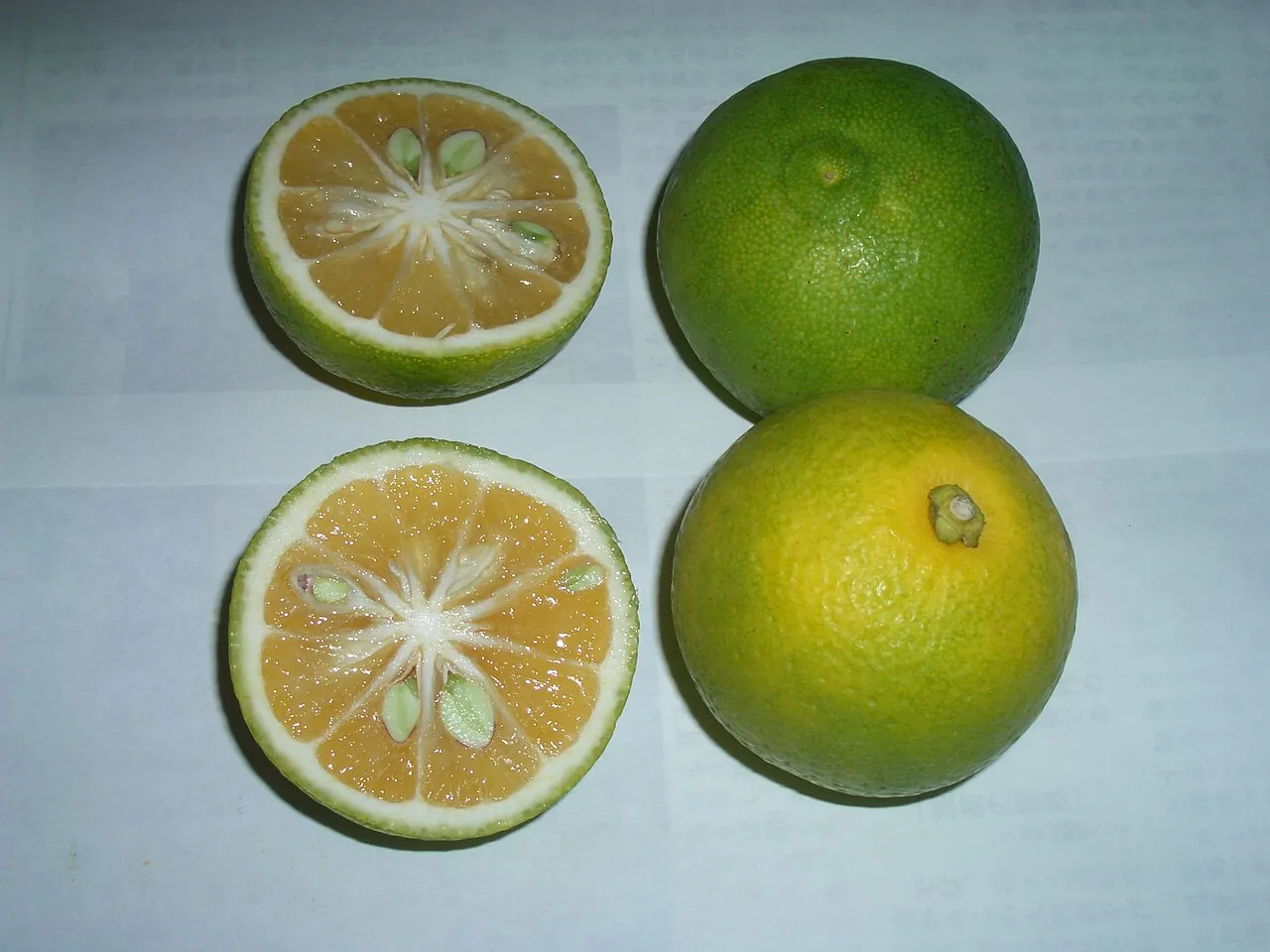
The fruit is almost round, with a slightly pebbled rind and about 17 seeds on average. In Riverside, California, fruit averages about 5.3 cm (2.1 in) across. A green outside hides yellow flesh, ranging from pale to deep yellow. Kabosu’s main kitchen role is as a sour seasoning; its juice also goes into vinegar and marmalade.
Where it comes from
Ōita is kabosu’s centre in Japan: it grew 99% of the Japanese crop in 2018. Usuki, Taketa, Bungo Ōno and Bungo Takada are its main growing areas. An Usuki legend tells of Sogen, a doctor who brought a sapling from Kyoto during the Edo period.
The regional name Ōita kabosu gained geographical-indication protection in 2017, tying that name to fruit from its growing region.
How it's eaten where it grows
In Ōita, a squeeze of kabosu seasons shiitake mushroom tempura, mozuku seaweed, miso soup and fried chicken. The juice also makes ponzu, a sour soy sauce: equal parts kabosu juice and soy sauce, with smaller amounts of sake and mirin, steeped with kombu seaweed.
The fruit works beyond a fresh wedge. Juice frozen in an ice tray gives small portions for later cooking, and marmalade carries the citrus into a sweet preserve.
How it's grown
Kabosu trees spread into a dense crown, with short thorns on some branches. At Riverside, trees grafted onto Carrizo or C-35 roots stand about 3 m (10 ft) tall at 20 years old. In Usuki, grower Teruyuki Fujiwara removes leaves and small branches around the fruit to let sunlight reach the rind and deepen its green colour.
When and where you'll find it
Ōita’s outdoor season usually runs from August to October. Stored fruit follows from October to March, with greenhouse fruit from March to July. In Riverside, California, the usual season is September and October.
Bottled juice travels too: Kabosu Honke juice from Japan comes in 1.8-litre (61 fl oz) bottles, for marinating chicken, beef or fish and for cocktails.
Get it near Detroit
What it tastes like
Softer than a pear, sweeter than a grapefruit≈
More about the taste
Kabosu is an acid citrus used to flavor food, picked and used green. In one comparison, it was less acidic than two other acid citrus varieties tested alongside it.
Kabosu is picked green; its sharp juice is used much like vinegar. The fruit has a pebbled rind and numerous seeds.
Choose, eat
1ChooseOita open-field season
Look for
- Oita open-field season
In Oita, kabosu picked in the open-field season from August to October has the best juice quantity and quality.
2EatJuice
Eat
JuiceUse the juice as a seasoning for fish, soups, and other dishes, or make it into marmalade. Kabosu is prized for its acidity and aroma, not eaten out of hand like a sweet orange.
Detroit, Michigan
When it’s good hereUsual monthsJust arrivedAt their bestLast chanceAll yearWhere it is in its usual monthsToday, Oct 22Grown hereIn season in your stateShips fromIn season where it grows
2 growing areas, 2 countriesUsual monthsOur estimated monthsToday, Oct 22

- California
- Ehime
- You
1 of 1 areas · October
Growing areas by country
- Japan1
- United States1
In Oita, kabosu juice flavors everyday dishes like shiitake tempura, mozuku seaweed, miso soup, and fried chicken. Stored fruit is sold October-March, and greenhouse fruit March-July, alongside the open-field harvest.
14 names in 11 languages
Cook it
Strange but trueA myth, and the truthWhere the name came fromCustoms and cultureFood and drink
If you like Kabosu
Close relatives
Sources
Photos · 2
B.K. Bullock (named in description; Commons author field also attributes Danny Wilde)Public domain 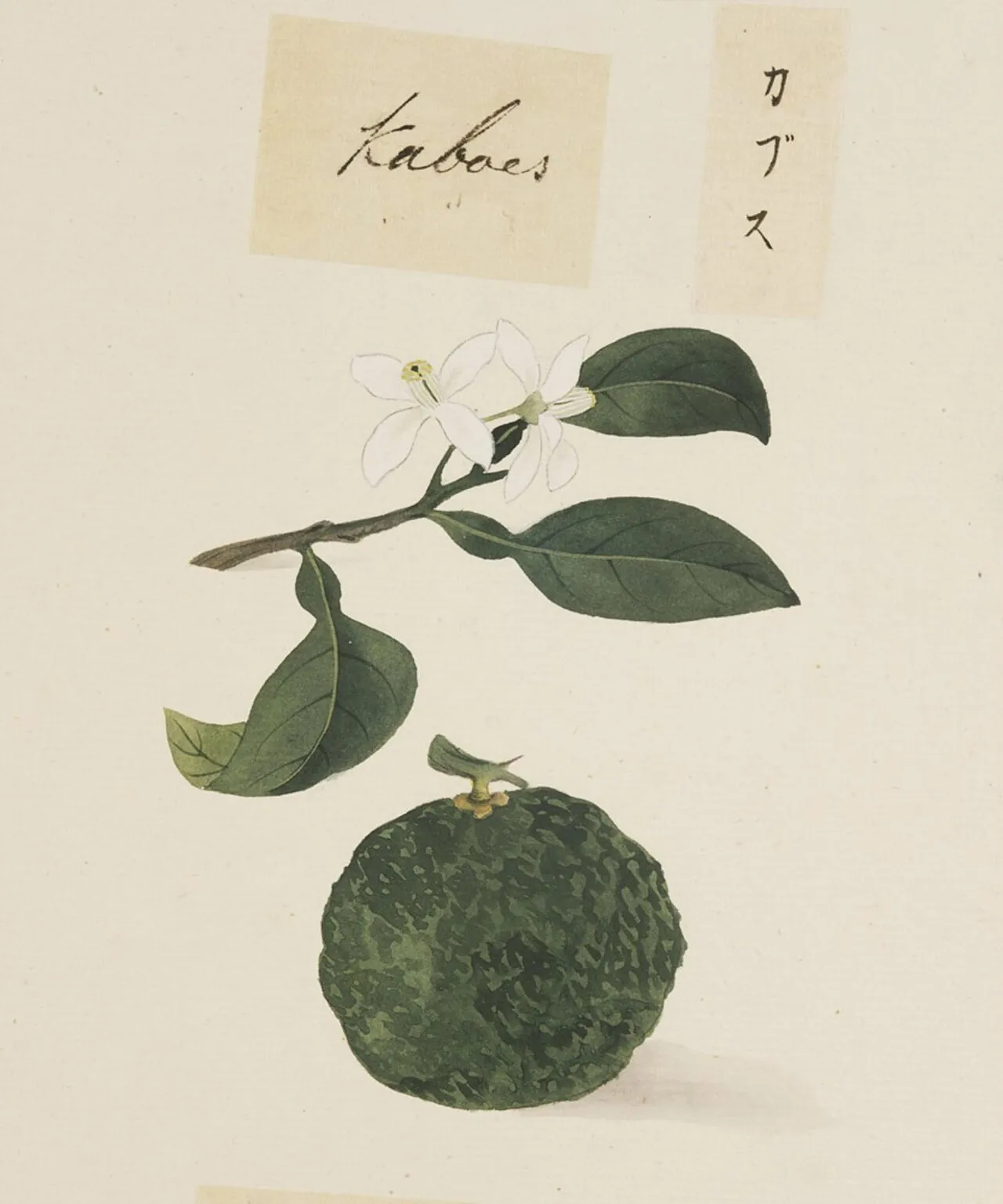
Ishizaki YūshiPublic domain
Sources
Kabosu · Fruitopia · checked Sep 22, 2026