Indian jujube
Also called Zizyphus mauritianaZiziphus mauritiana · Rhamnaceae family
Indian jujube spans crisp fresh fruit and dry, flour-producing food traditions.
Find it near DetroitGet to know it
Indian jujube, called ber in India, has crisp white flesh with a sweet-tart bite. Fully ripe fruit becomes softer and mealier. The same fruit can be a fresh snack, a Bengali sweet pickle or, dried and pounded, the flour for a Cameroonian cake.
What it is
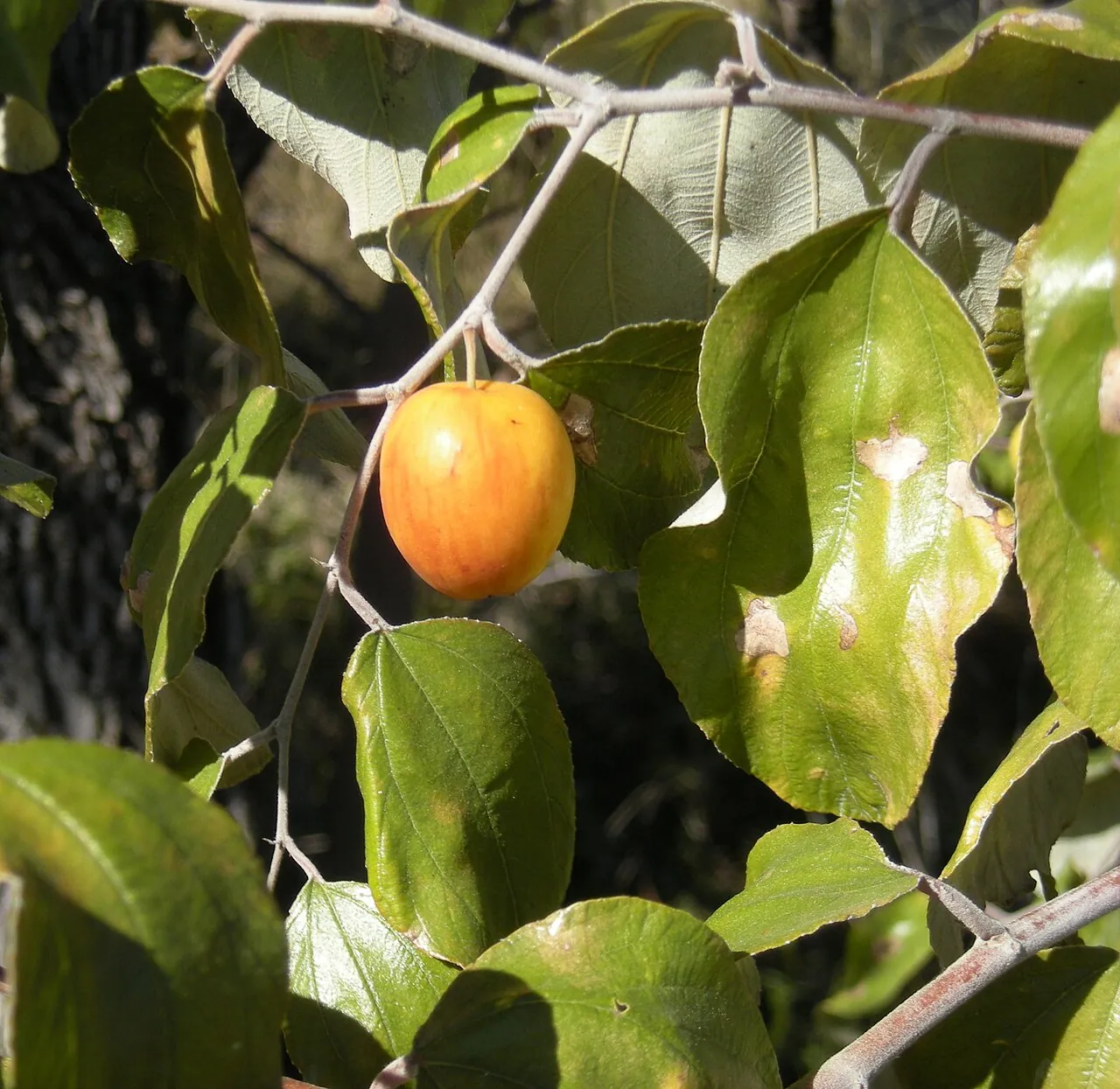
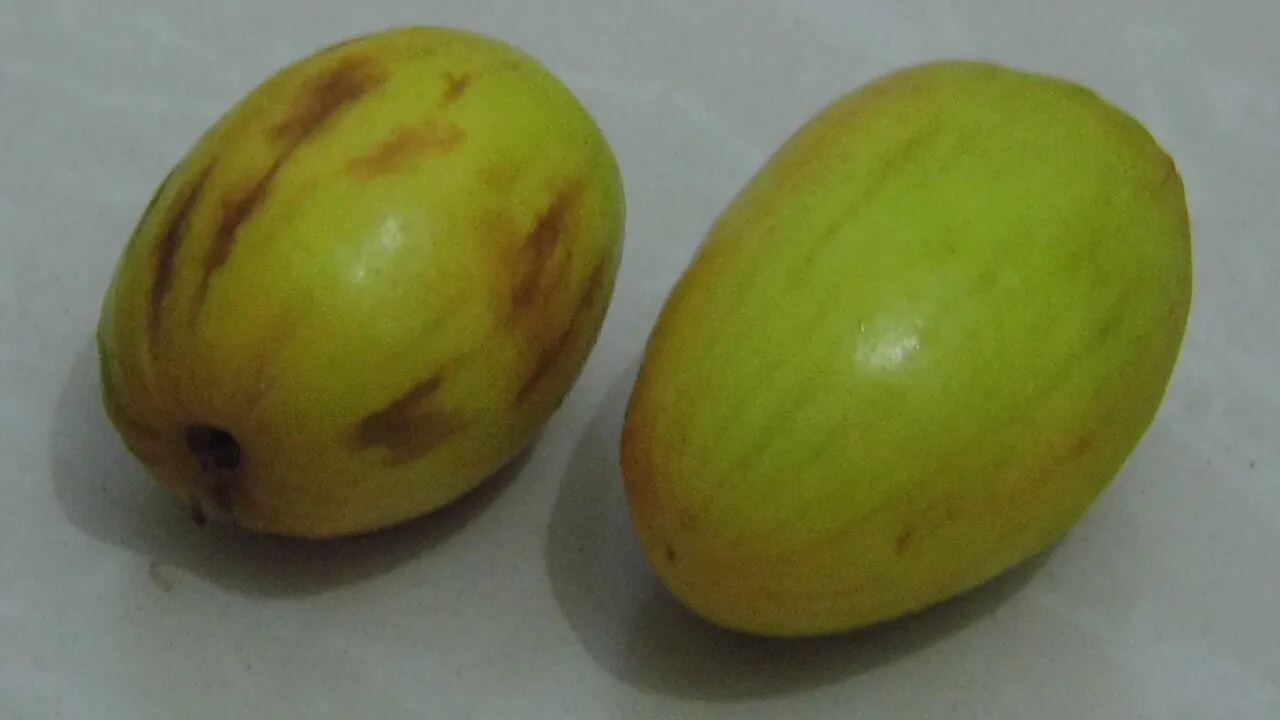
Ber is Ziziphus mauritiana, a different species from Chinese jujube. Larger cultivated fruit can reach about 6.25 cm (2½ in) long. Its skin turns from green towards yellow and reddish brown as it matures. Inside is juicy white flesh around a hard stone; the texture changes from crisp to mealy at full ripeness.
Where it comes from
Indian jujube grows wild from Yunnan in southern China to Afghanistan, Malaysia and Queensland in Australia. India grows it most, as a commercial crop; growing states include Rajasthan, Gujarat, Punjab, Maharashtra and Tamil Nadu. It also has a place in the savannah food traditions of Cameroon. There, the dry fruit is called jaabi and appears in local markets both whole and as cakes made from its pulp.
How it's eaten where it grows
In Bengal, tart topa kul goes into kuler achaar, a sweet-sour pickle cooked with jaggery, a cane sugar, and panch phoron, a five-spice mixture. Tamil Nadu’s elantha vadai combines the fruit with jaggery, chilli and tamarind. The paste can be flattened on cloth and dried in the sun into small rounds.
In Cameroon, women pound the dried pulp into flour for yaabande cakes. They shape and steam the flour, dry the shaped cakes in sunlight, or wrap portions in leaves and cook them under hot ash. Fresh crunch and dried-fruit cake come from the same species.
How it's grown
Ber suits hot, dry growing areas. Growers copy a chosen tree by attaching one of its buds to a seedling; these budded trees begin bearing after about 3–4 years. Pruning during the dry resting season encourages the new shoots that carry the next crop.
When and where you'll find it
India’s usual harvest moves across the regions: October–November in the south, December–March in Gujarat, January–March in Rajasthan and February–April in the north. Swadesh, an Indian grocer in Canada, lists fresh ber by the pound. In Cameroon, local markets offer dry jaabi and yaabande.
Sources · 6
- Debjanir Rannaghar, Debjani Chatterjee Alamkitchenofdebjani.com
- Morton, Fruits of Warm Climates (1987)hort.purdue.edu
- National Horticulture Board, Indianhb.gov.in
- South Indian Foods, Gunaselvi Sridhersouthindianfoods.in
- Swadesh Supermarketswadesh.ca
- Touwang et al., Journal of Scientific Research & Reports (2015)agritrop.cirad.fr
Get it near Detroit
What it tastes like
Softer than an apple, as sweet as a banana≈
More about the taste
Indian jujube has white, crisp, juicy flesh ranging from subacid to sweet, becoming mealier when fully ripe.
White flesh ranges from crisp, juicy and subacid to sweet, becoming mealier at full ripeness.
Dried Dakamji and Lammuji fruit from different origins in Cameroon vary in acidity, texture and aroma.
Choose, store, eat
1ChooseColor alone
Ignore
- Color alone
Ask whether the fruit is sold for a crisp bite or a softer, fully ripe texture; color alone doesn't tell you which stage it's at.
2StoreSort out overripe, unripe or damaged fruit before storing, and cushion good fruit to prevent bruising
Sort out overripe, unripe or damaged fruit before storing, and cushion good fruit to prevent bruising.
3EatPulp · not stone
Eat
PulpNot eaten
StoneThe pulp is eaten fresh or dried, and used in preserves, pickles and flour; the hard stone is not eaten.
More tips
Worth knowing
- Ask the seller about texture as well as sweetness: a firm ber is crisp, a fully ripe one soft.
Detroit, Michigan
When it’s good hereUsual monthsJust arrivedAt their bestLast chanceAll yearWhere it is in its usual monthsToday, Oct 22Grown hereIn season in your stateShips fromIn season where it grows
1 growing area, 1 countryUsual monthsToday, Oct 22

- Sindh
- You
In Cameroon's savannah region, pulp flour is made into yaabande cakes, traditionally processed by women using steaming, sun-drying or hot-ash methods.
41 names in 16 languages
- எளந்தைTamil
- jaabiroot
Cook it
Strange but trueHistoryScienceNatureWhere the name came fromCustoms and cultureFood and drink
If you like Indian jujube
Tastes alike
Close relatives
Same plant family
Sources
Sources
Indian jujube · Fruitopia · checked Oct 2, 2026