Olive
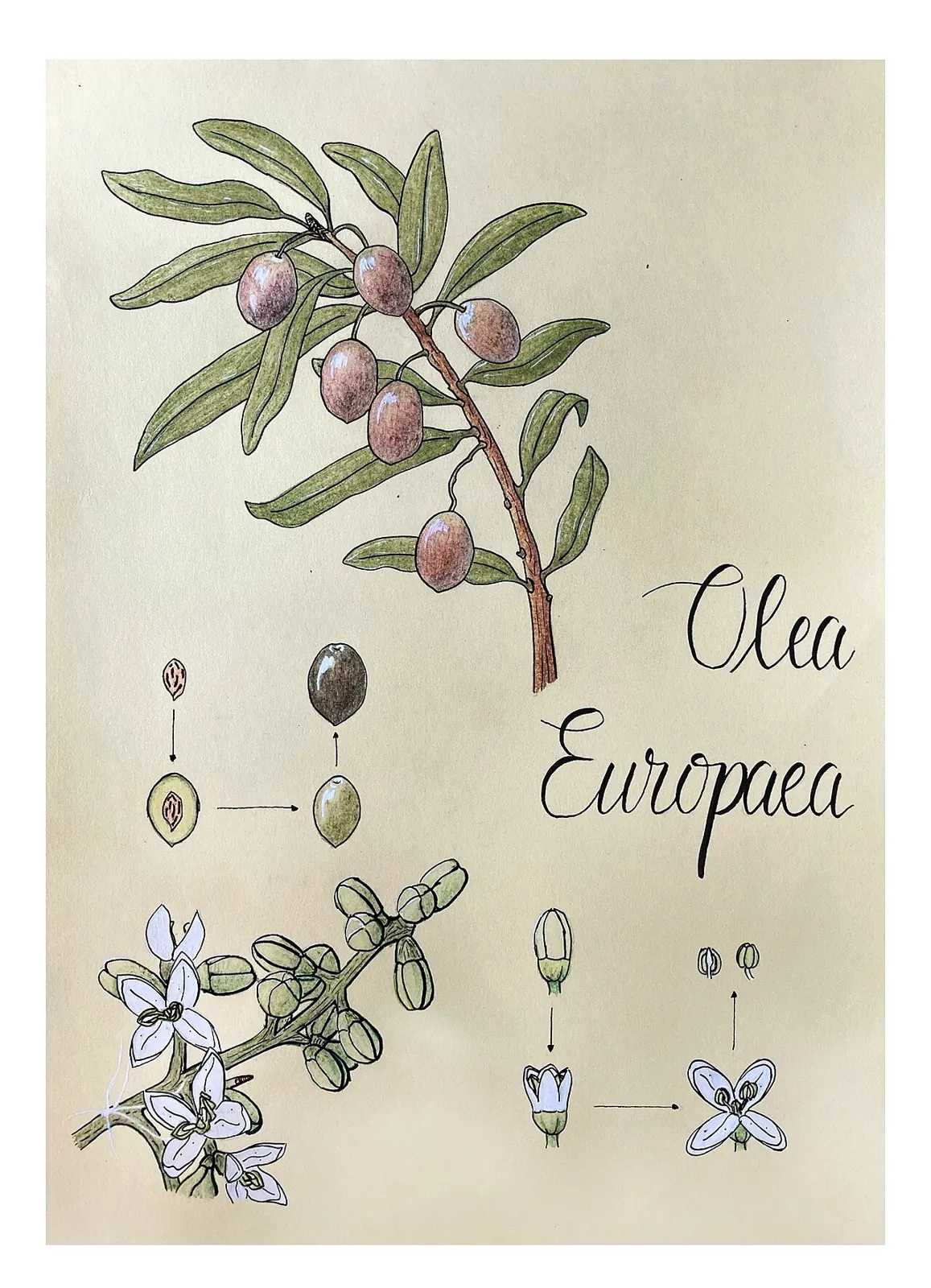
Olea europaea · Oleaceae family
A fruit whose eating quality is shaped by variety, harvest stage and the curing process.
Find it near DetroitGet to know it
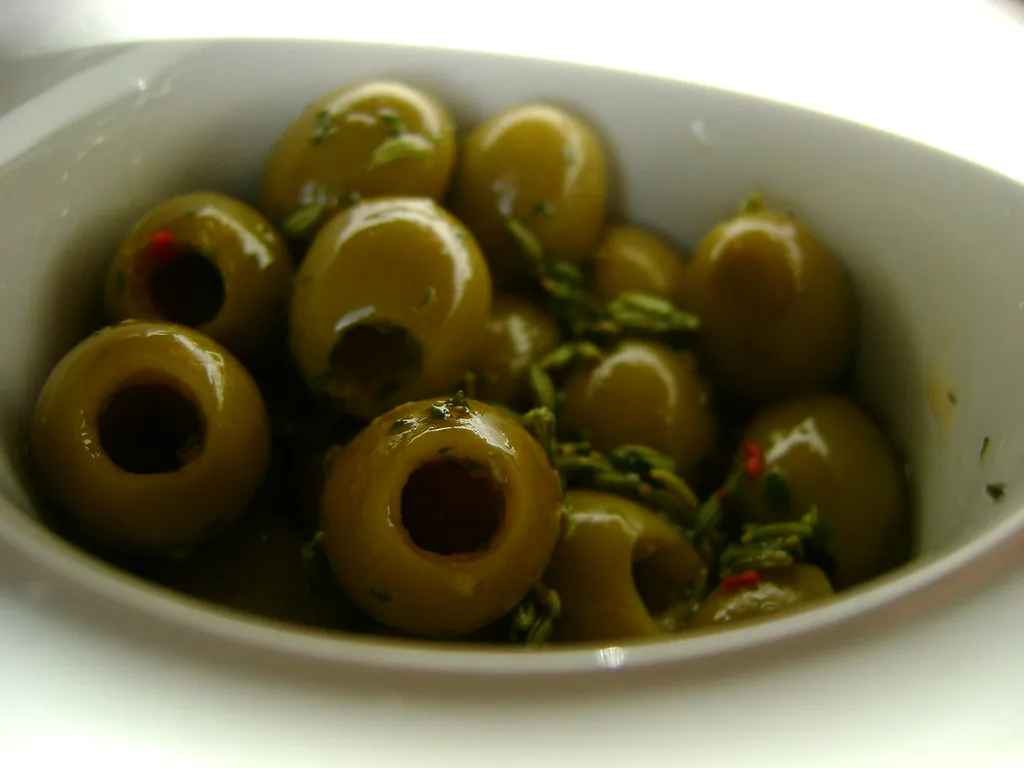
Olives are small stone fruits transformed by curing: a prepared olive can be mild and buttery or salty and tangy. Fresh from the tree, the flesh is intensely bitter. Water, salt and other curing treatments draw out that bitterness and shape the flavour of the olive you eat.
What it is
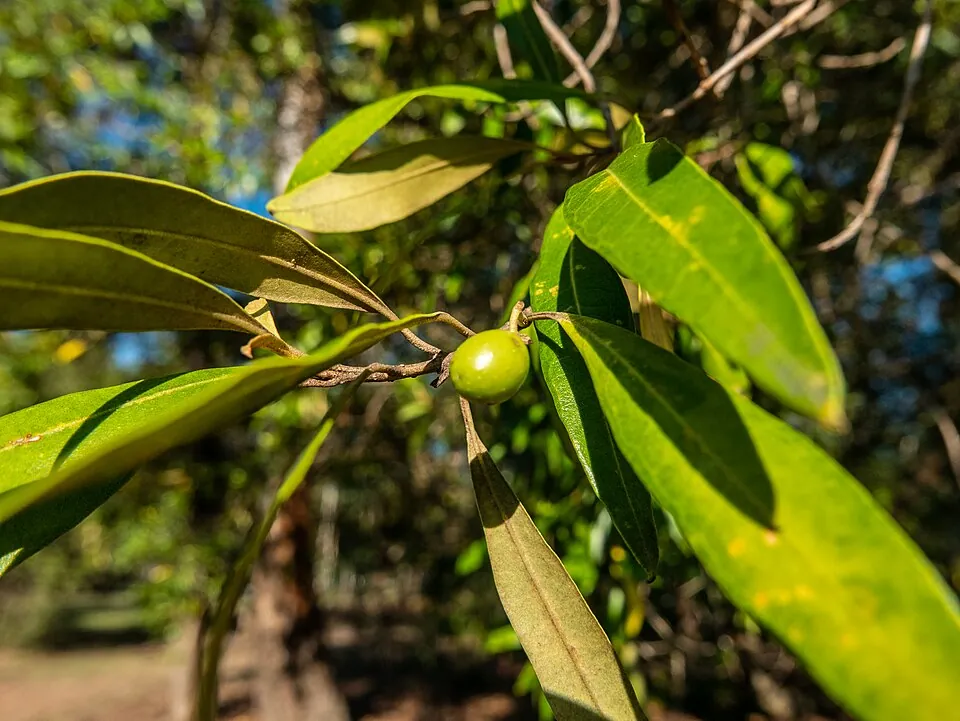
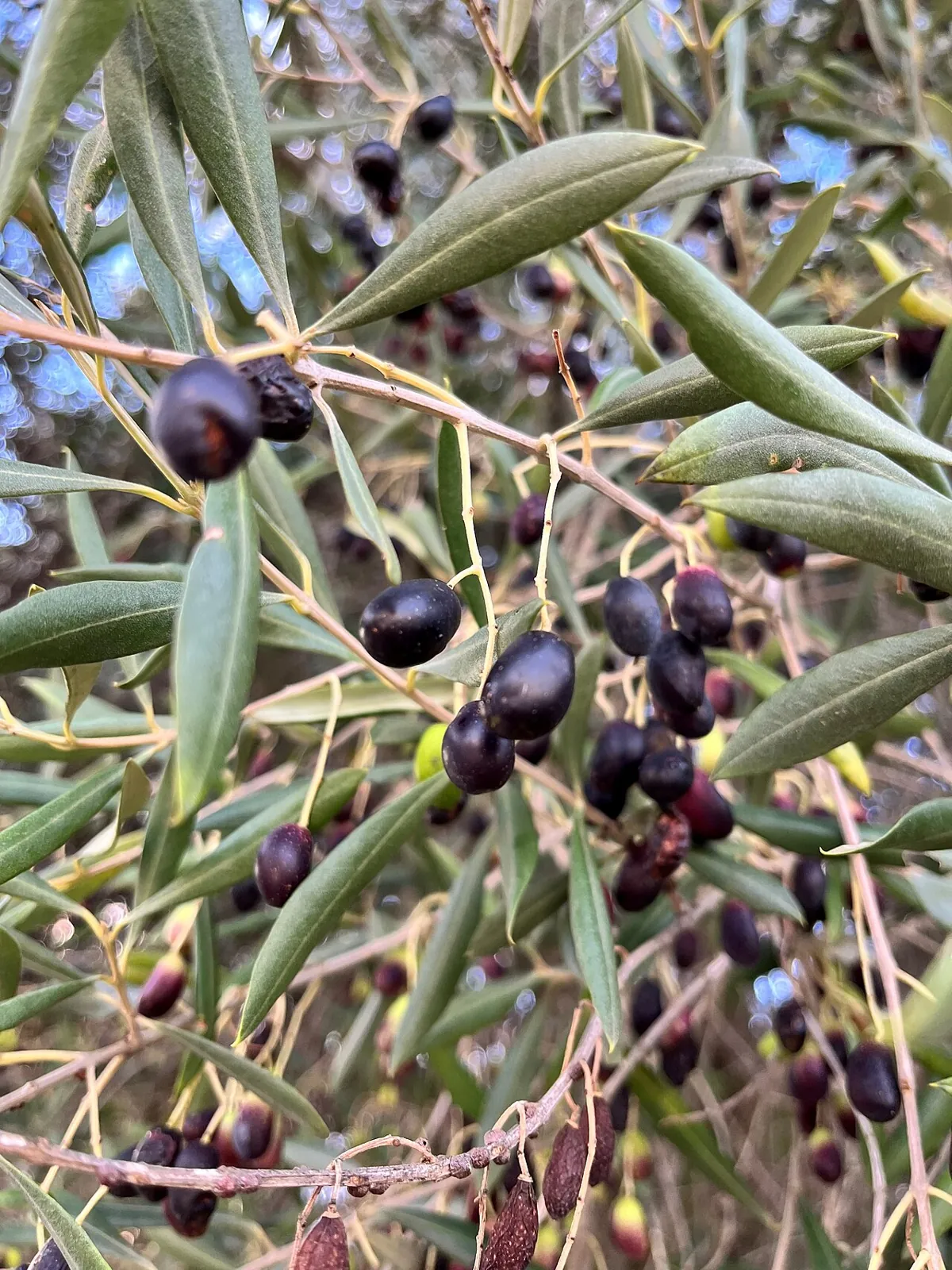
An olive has flesh around a single hard stone. Green olives are harvested before fully darkening; left on the tree, the skin turns purple or black. Oil builds up as the fruit ripens, and naturally black ripe olives mostly go to be pressed for oil.
The variety and preparation matter too. Mission olives suit dry salting. Olives kept in brine, or salty water, ferment and develop a tangy flavour. California’s canned style has a mild taste and buttery texture.
Where it comes from
Olives have been cultivated around the Mediterranean for thousands of years, with olive oil traded by 3000 BCE. Most of the world’s olives still grow in that region.
California’s first olive cuttings were planted at the San Diego Mission in 1769. Today, California grows more than 95% of US olives, with its Central Valley a major growing area.
How it's eaten where it grows
In Provence, France, tapenade blends black olives with capers, anchovies, garlic, lemon juice and olive oil. It is spread on toasted bread or served with raw vegetables. The olives become a thick, savoury paste.
In Hatay, Turkey, zeytin salatası puts pitted green olives in a salad with chopped tomatoes and parsley. Pomegranate molasses, olive oil and red-pepper flakes make the dressing. It can accompany breakfast or sit beside a meal; spring onion is another addition.
How it's grown
Olive trees grow slowly and keep their leaves year-round. The leaves are grey-green above and silvery underneath, and a tree can reach 6–9 m (20–30 ft) tall. Hot, dry summers and mild, wet winters suit them, along with full sun and soil that drains well. California growers harvest by hand or machine.
When and where you'll find it
California’s table-olive harvest usually runs from early September to mid-November. The fruit then goes to one of the state's two processing plants to be sorted and graded before curing.
Canned California olives are sold all year: whole, pitted, sliced, chopped or in wedges. The word “ripe” on California-style olives describes the finished product: even the black ones begin as fruit picked green. Curing connects the autumn harvest to the familiar can in the cupboard.
Sources · 6
- California Olive Committeecalolive.orgOther pages2
- Marseille Tourist Officemarseille-tourisme.com
- NC State Extension Gardener Plant Toolboxplants.ces.ncsu.edu
- Nefis Yemek Tarifleri — Hatay Sandık İçinefisyemektarifleri.com
- University of California Agriculture and Natural Resources — Olives: Safe Methods for Home Picklingucanr.edu
- University of California Cooperative Extension, Central Sierra — Sue Mosbacherucanr.edu
Get it near Detroit
What it tastes like
As mild as a peach, softer than a pear≈
More about the taste
Freshly picked olives are intensely bitter; curing is what turns them into a table ingredient. A prepared olive's flavor reflects its variety and curing style, not just its fresh-fruit color.
Fresh olives contain the intensely bitter compound oleuropein. Curing removes it: brining, water curing, dry salting and lye treatment each produce different flavor and texture. A table olive's taste is partly a result of its processing.
Choose, ripen, store, eat
1ChooseFreshly harvested
Look for
- Freshly harvested
- Unbruised
Ignore
- Darkest fruit
For home curing, use freshly harvested, unbruised fruit sorted by maturity — ripe dark olives bruise easily. Variety, size and texture all affect which curing style suits a given batch.
2RipenOlives can be picked green-ripe or left to darken on the tree
Olives can be picked green-ripe or left to darken on the tree; each stage suits a different product.
3StoreCool, fresh, uncured
- CoolFresh, uncuredShallow, ventilated containers
Hold fresh, uncured olives at 41–50°F in shallow, ventilated containers and process them promptly. This applies to raw fruit, not an opened jar of prepared olives.
4EatCured olives
Eat
Cured olivesUse a tested curing method for the style you want — brining, water curing, dry salting or lye treatment each remove bitterness differently. Follow full, current instructions rather than improvising shelf-stable bottling.
Detroit, Michigan
When it’s good hereUsual monthsJust arrivedAt their bestLast chanceAll yearWhere it is in its usual monthsToday, Oct 22Grown hereIn season in your stateShips fromIn season where it grows
48 growing areas, 12 countriesUsual monthsOur estimated monthsToday, Oct 22

- Algarve
- Antalya
- Araucanía
- Aydın
- Bahia
- Balochistan
- Bay of Plenty
- Cáceres
- California
- Coquimbo
- Espírito Santo
- Florida
- Georgia
- Granada
- Hawaii
- Huelva
- Ica
- La Libertad
- Manisa
- New South Wales
- Oregon
- Santa Catarina
- You
0 of 1 areas · October
Growing areas by country
- Spain9
- United States7
- Australia6
- Brazil5
- Chile5
- Türkiye5
- New Zealand4
- Peru2
and 7 more countriesand 4 more countries
Olive is an evergreen tree with silvery foliage and small pale flowers. Some varieties are grown as fruitless ornamentals — a landscape olive tree doesn't necessarily produce table olives.
19 varieties
- No variety photo yetGiza 102
- Use
- pickling Egypt
- No variety photo yetGiza 97
- Use
- pickling Egypt
- No variety photo yetGiza 138Also جيزة 138
- No variety photo yetGiza 48Also جيزة 48
- No variety photo yetGiza 52Also جيزة 52
- No variety photo yetGiza 66Also جيزة 66
76 names in 23 languages
- Ô liuVietnamese
Cook it
4 olive festivalsUsual monthToday, Oct 22
Strange but trueHistoryA myth, and the truthScienceNatureWhere the name came fromFood and drinkPeopleA record
If you like Olive
Tastes alike
Used the same way
Sources
Photos · 4
Sources
Olive · Fruitopia · checked Sep 22, 2026