Maypop
Also called Purple passion flower · Purple passionflower · True passionflowerPassiflora incarnata · Passifloraceae family
A temperate passionflower whose pulp and seeds can leave different impressions.
Find it near DetroitGet to know it
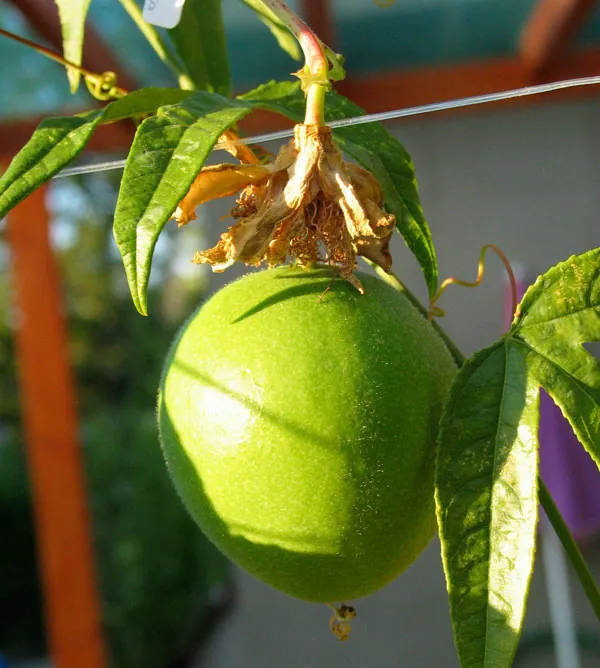
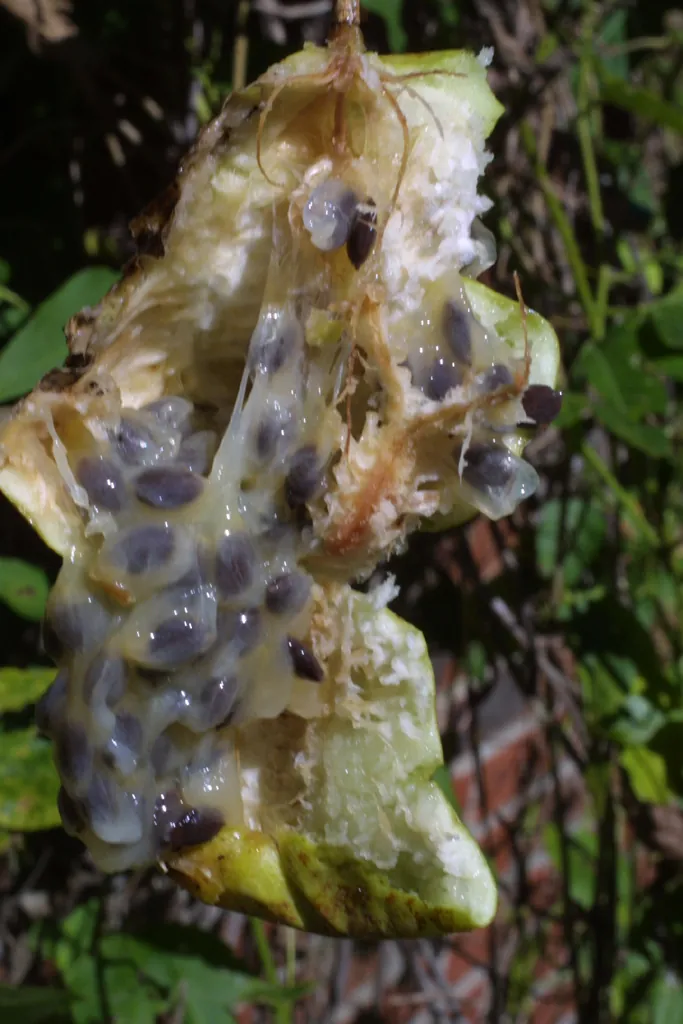
Maypop is an American passionflower with egg-sized fruit and sweet, tangy pulp. Split the spongy rind and you find a cluster of seeds wrapped in jelly-like flesh. The fruit hangs from a climbing vine with large lavender flowers.
What it is
Maypop is Passiflora incarnata. The fruit starts pale green, then turns yellow-green or yellow-orange as it matures. Inside, the pulp and seeds loosen from the thick rind. The ripe pulp is sweet and tangy; the seeds can add a sour or bitter taste. That's why the seeds are best strained out.
Where it comes from
The vine is native to the southeastern and south-central United States, as well as Bermuda. It likes sun and turns up in disturbed, open places: fence lines, railroad tracks, riverbanks and pastures. Cherokee people call the fruit uwaga.
How it's eaten where it grows
A Cherokee elder remembers picking ripe uwaga on the walk to school, busting them open and sucking on the seeds. In central Florida, home-grown maypops become both fresh snacks and jelly. Strained juice, sugar and pectin make a spread for toast or a tangy swirl in yoghurt.
Maypop freezer jam uses the fruit’s insides without the rind. The pulp is heated and strained to leave the seeds behind, then cooked with sugar and pectin. On the Florida homestead, small harvests are saved up for one batch by freezing the scooped pulp in ice cube trays.
How it's grown
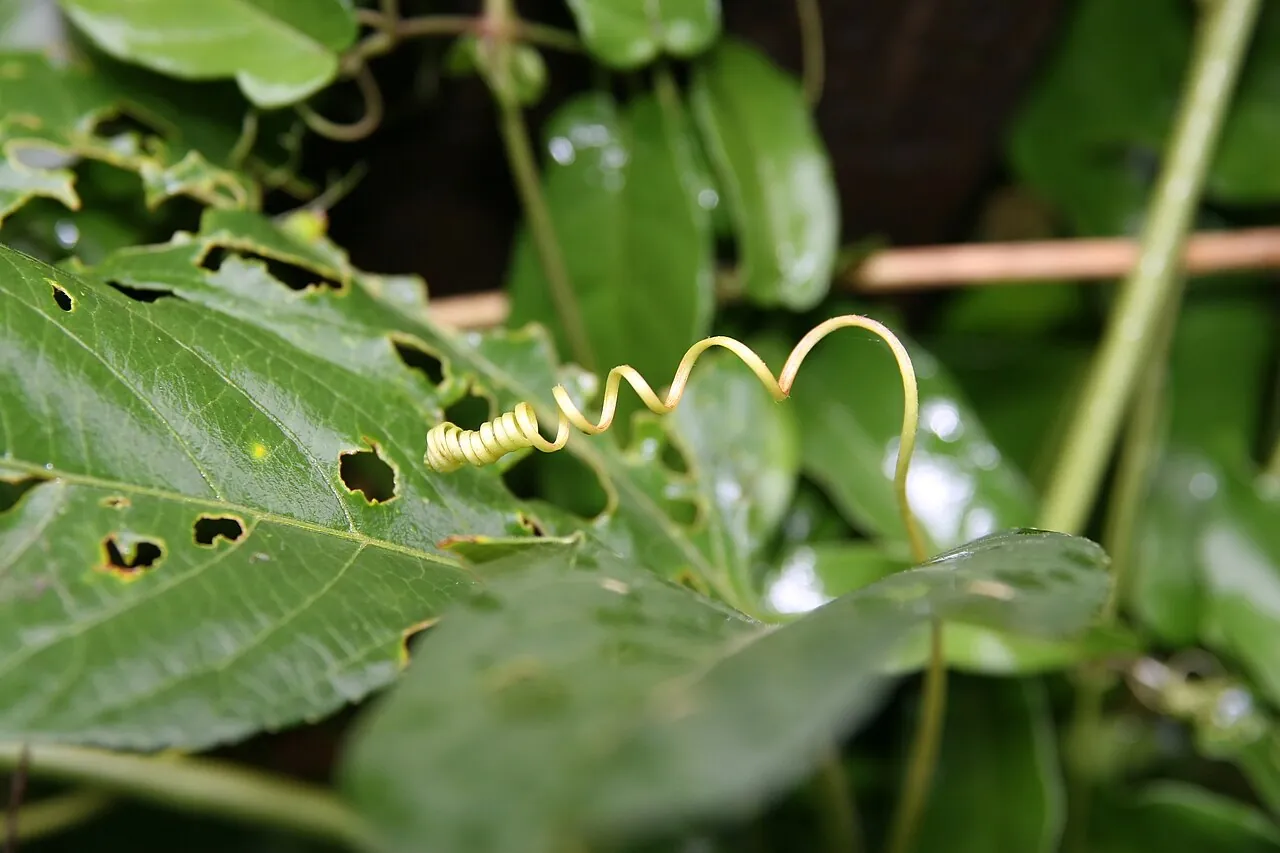
Maypop climbs by curling tendrils around a support, or sprawls across the ground. It needs sunlight for at least half the day and prefers fertile soil that drains well. New plants grow from seeds or cuttings. The perennial vine dies back in cold winters and spreads through shoots from its roots.
When and where you'll find it
Maypop is usually harvested from July to October; in Alabama, fruit typically ripens by late summer. Each fruit takes two to three months to develop after flowering. Home patches provide fresh fruit, and specialist online markets such as Foraged list maypop under its species name, Passiflora incarnata.
Sources · 7
- Alabama Cooperative Extension Systemaces.edu
- Alisa, Our Frugal Florida Homesteadourfrugalfloridahomestead.com
- Cherokee Phoenixcherokeephoenix.org
- CT Grant, Unruly Gardeningunrulygardening.com
- NC State Extension Gardener Plant Toolboxplants.ces.ncsu.edu
- Planty Growin’ On, Foragedforaged.com
- USDA Natural Resources Conservation Serviceplants.sc.egov.usda.gov
Get it near Detroit
What it tastes like
Softer than a pear, as sweet as an apple≈
More about the taste
Ripe pulp is sweet and tangy, though the seeds can taste sour or bitter. Opinions on the flavor vary.
Ripe pulp is sweet and tangy; the seeds can taste sour or bitter.
Choose, eat
1ChooseYellow-green to yellow-orange
Look for
- Yellow-green to yellow-orange
- Loose pulp and seeds
Immature fruit is pale green, turning yellow-green to yellow-orange at maturity, with the pulp and seeds loosening inside.
2EatPulp
Eat
PulpSome strain the pulp away from the seeds, which can taste strongly sour or bitter; others eat pulp and seeds together. For jelly or jam, follow the recipe's own straining instructions.
Detroit, Michigan
When it’s good hereUsual monthsJust arrivedAt their bestLast chanceAll yearWhere it is in its usual monthsToday, Oct 22Grown hereIn season in your stateShips fromIn season where it grows
25 names in 11 languages
- チャボトケイソウJapanese
Cook it
Strange but trueHistoryNatureWhere the name came from
If you like Maypop
Tastes alike
Close relatives
Used the same way
Sources
Photos · 3
Sources
Maypop · Fruitopia · checked Sep 22, 2026