Lasoda
Also called Sebestan plum · Glue fruitCordia dichotoma · Boraginaceae family
Lasoda draws attention to texture: its translucent pulp is notably mucilaginous. The same sticky quality can be valued in food while giving the plant other practical uses.
Find it near DetroitGet to know it
Lasoda has sweet, translucent flesh with the sticky texture of a thick gel. In India, the ripe pulp is eaten, while young green lasoda goes into pickles and spiced vegetable dishes. The same little fruit offers two quite different ways to eat it.
What it is
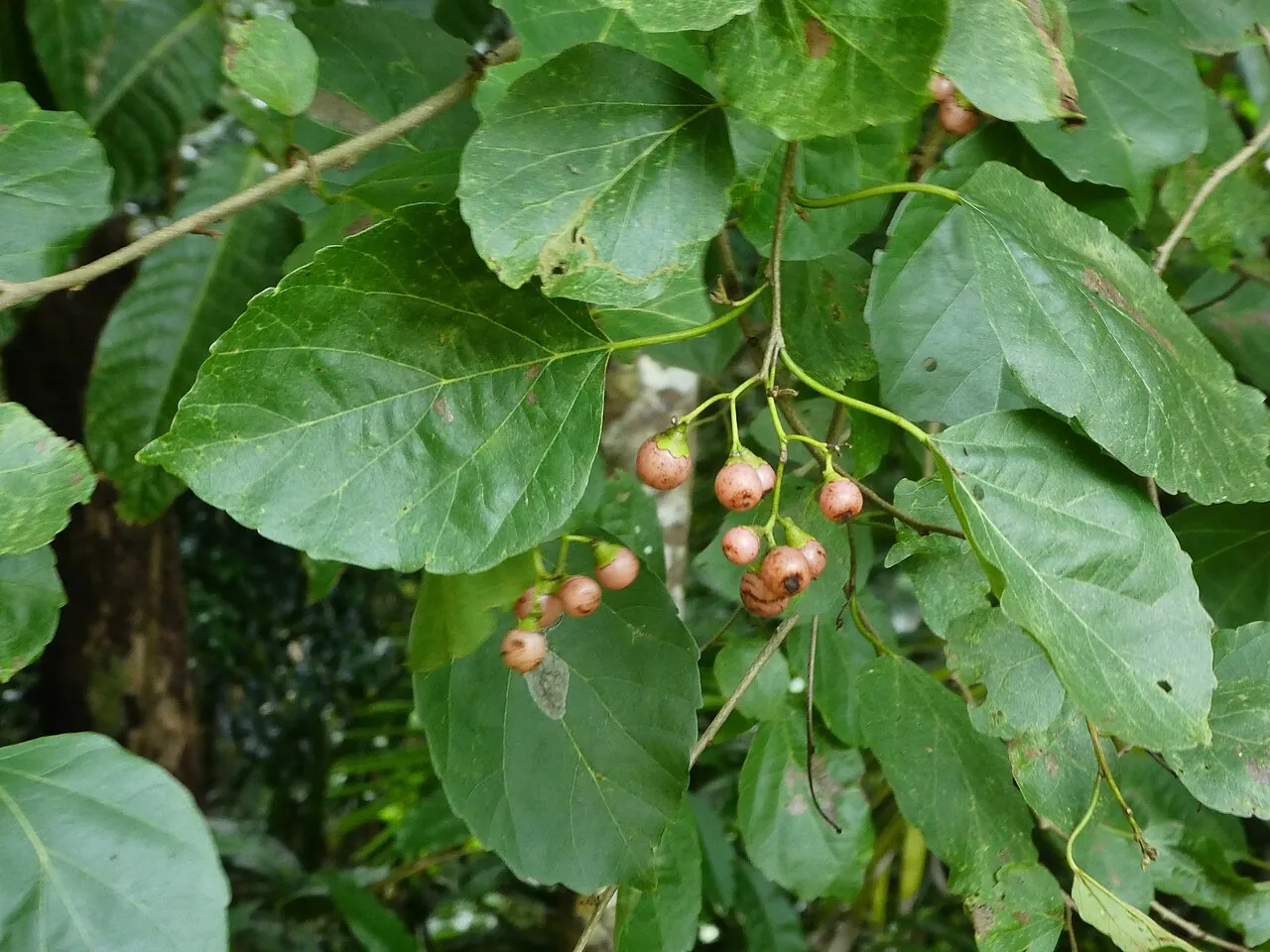
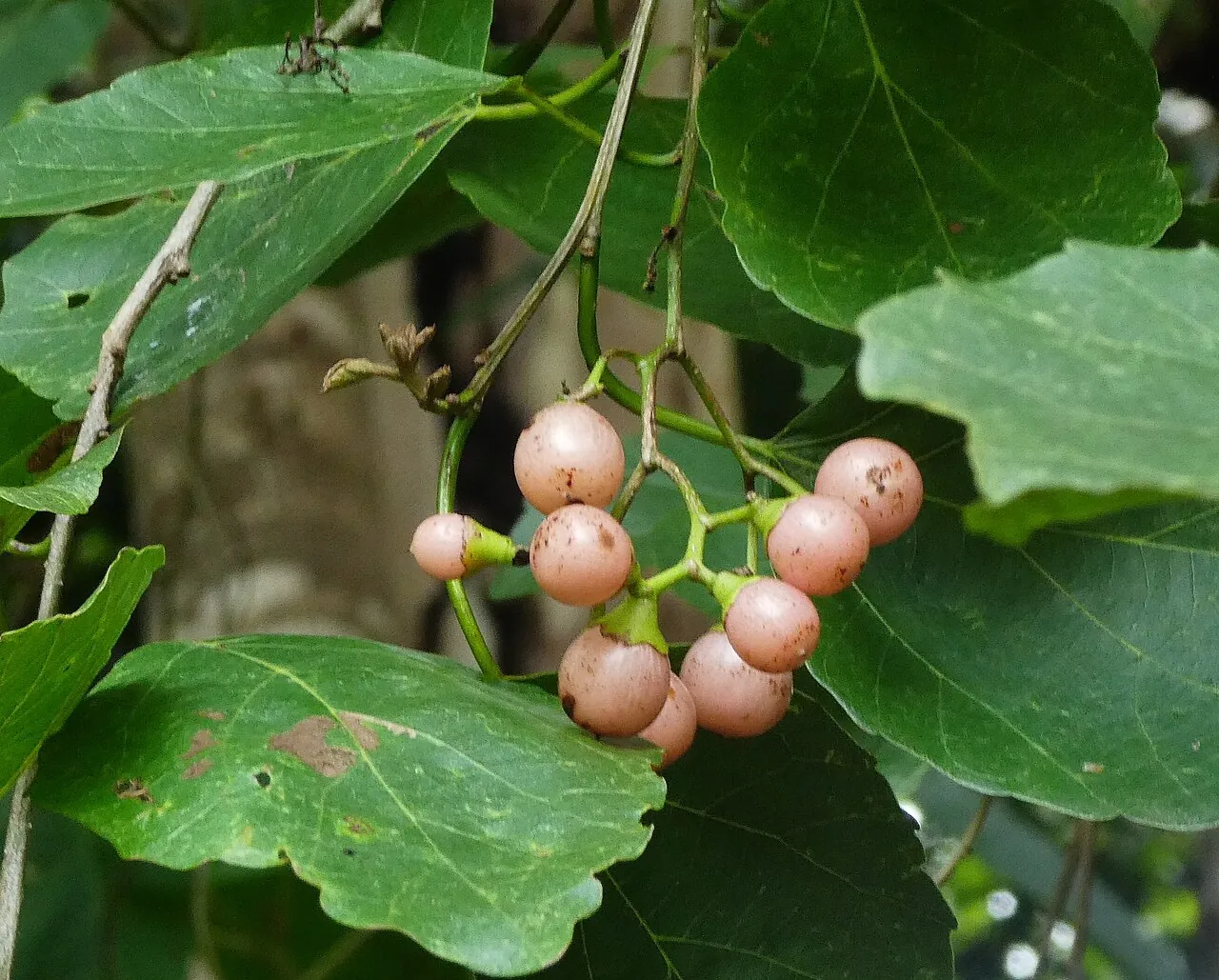
Lasoda is the fruit of Cordia dichotoma. The oval fruit is usually 1–1.3 cm (about ½ in) long, though some reach 2.5 cm (1 in). Sticky flesh surrounds a hard stone. Raw green lasoda can leave your mouth feeling dry and puckered; cooking it reduces that astringency. The ripe pulp is sweet and translucent.
Where it comes from
Lasoda comes from tropical Asia. Its range stretches from northern India across Southeast Asia to southern China, the Solomon Islands, northeastern Australia and New Caledonia. In India, it grows in both the dry forests of Rajasthan and the wetter forests of the Western Ghats. In Gujarati, one of its names is gunda.
How it's eaten where it grows
In Rajasthan, lasoda subzi pairs young green fruit with grated green mango, or kairi. The fruit is steamed or blanched first so the sticky stone can be removed. Then the halves cook with the mango and spices in mustard oil. Cumin, carom, mustard, fennel and fenugreek seeds season the dish, which goes with roti or paratha.
Pickles give the green fruit another role. In Bhilwara, Rajasthan, Masala Potli makes gunda achar with mustard oil, fennel, coriander and red chilli.
How it's grown
Lasoda grows on a small to medium tree with a spreading crown that sheds its leaves. Growers can start it from seed or cuttings; even branches used as garden stakes can take root. Deep, moist, sandy soil suits it. Young trees need shelter from frost and harsh sun, while older trees grow in full sun.
When and where you'll find it
In Indian vegetable markets, green lasoda usually appears from March to June. The ripe-fruit season is different: usually June to August in northern India and before May in southern India. Pickled lasoda also comes in jars, including Masala Potli’s gunda achar from Bhilwara. The green market fruit is the form used for both pickle and subzi.
Get it near Detroit
What it tastes like
As soft as a banana, as mild as a peach≈
More about the taste
Lasoda has sweet, translucent pulp with a strongly mucilaginous (sticky, gel-like) consistency; it's also pickled in India.
The ripe fruit has sweet, translucent, sticky (mucilaginous) pulp.
Choose, eat
1ChooseAsk for the botanical identity and intended preparation
Ask for the botanical identity and intended preparation; despite the common name sebestan plum, it isn't a Prunus plum.
2EatPulp · not sticky hard seed
Eat
PulpNot eaten
Sticky hard seedRupali Agarwal's subzi uses young green lasoda: steam it, remove the sticky hard seed, then cook the fruit with spices and green mango. The ripe fruit's translucent pulp is a different, sweeter eating form.
Detroit, Michigan
When it’s good hereUsual monthsJust arrivedAt their bestLast chanceAll yearWhere it is in its usual monthsToday, Oct 22Grown hereIn season in your stateShips fromIn season where it grows
21 names in 10 languages
- anonangroot
- 破布子Chinese
- Tâm mộc hai ngảVietnamese
- カキバチシャノキJapanese
Cook it
Strange but trueWhere the name came fromCustoms and culture
If you like Lasoda
Tastes alike
Close relatives
Sources
Sources
Lasoda · Fruitopia · checked Sep 22, 2026