Kakadu plum
Also called Billygoat plum · Salty plum · GubingeTerminalia ferdinandiana · Combretaceae family
A native Australian fruit whose quality story includes both individual trees and Aboriginal enterprise.
Find it near DetroitGet to know it
Kakadu plum is a small olive-green fruit from northern Australia, with fibrous flesh around a hard stone. Its mild first taste gives way to sourness and a mouth-drying finish. Eaten ripe in Kakadu, it also brings its sharp flavour to jam and yogurt.
What it is
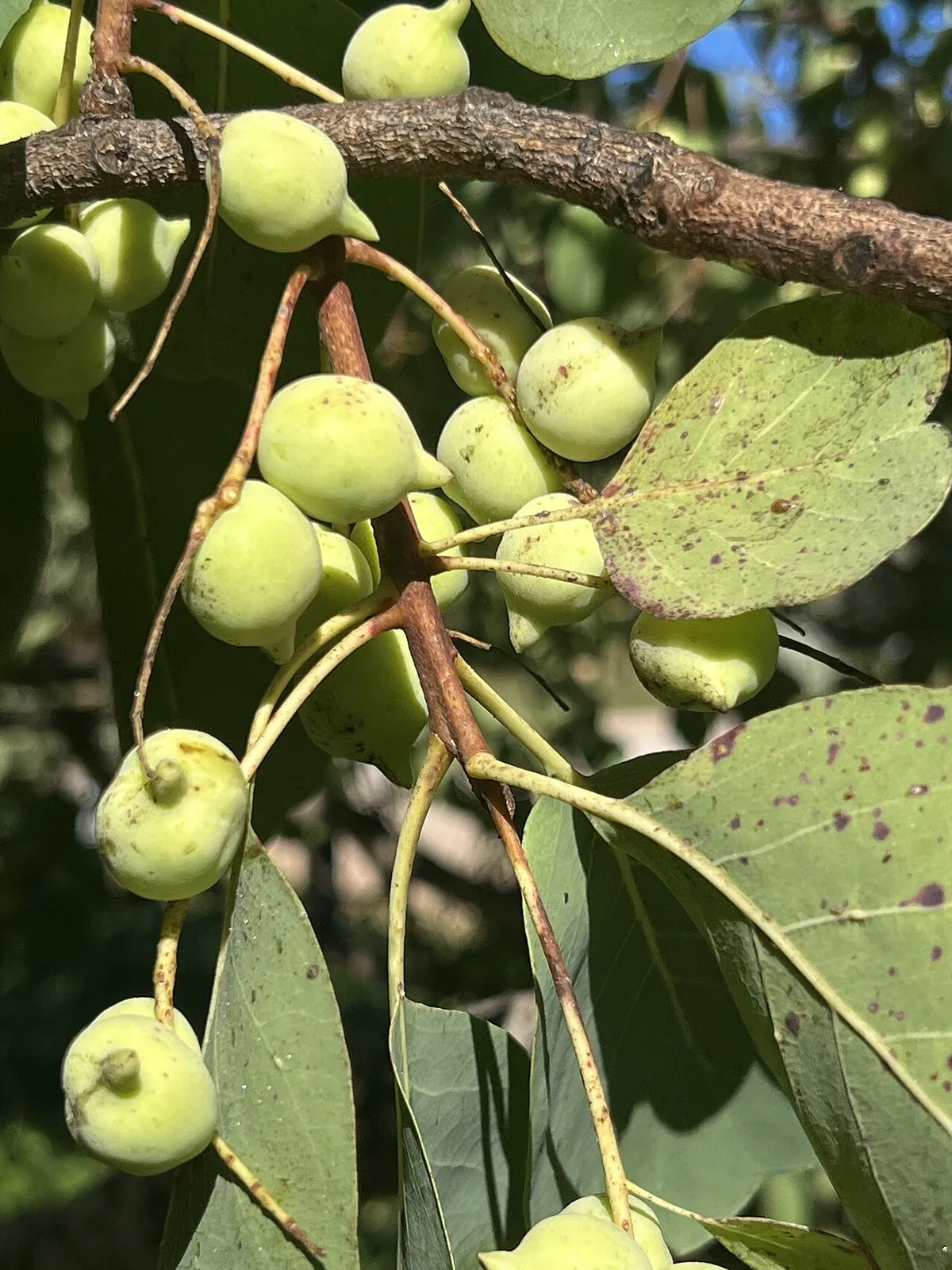
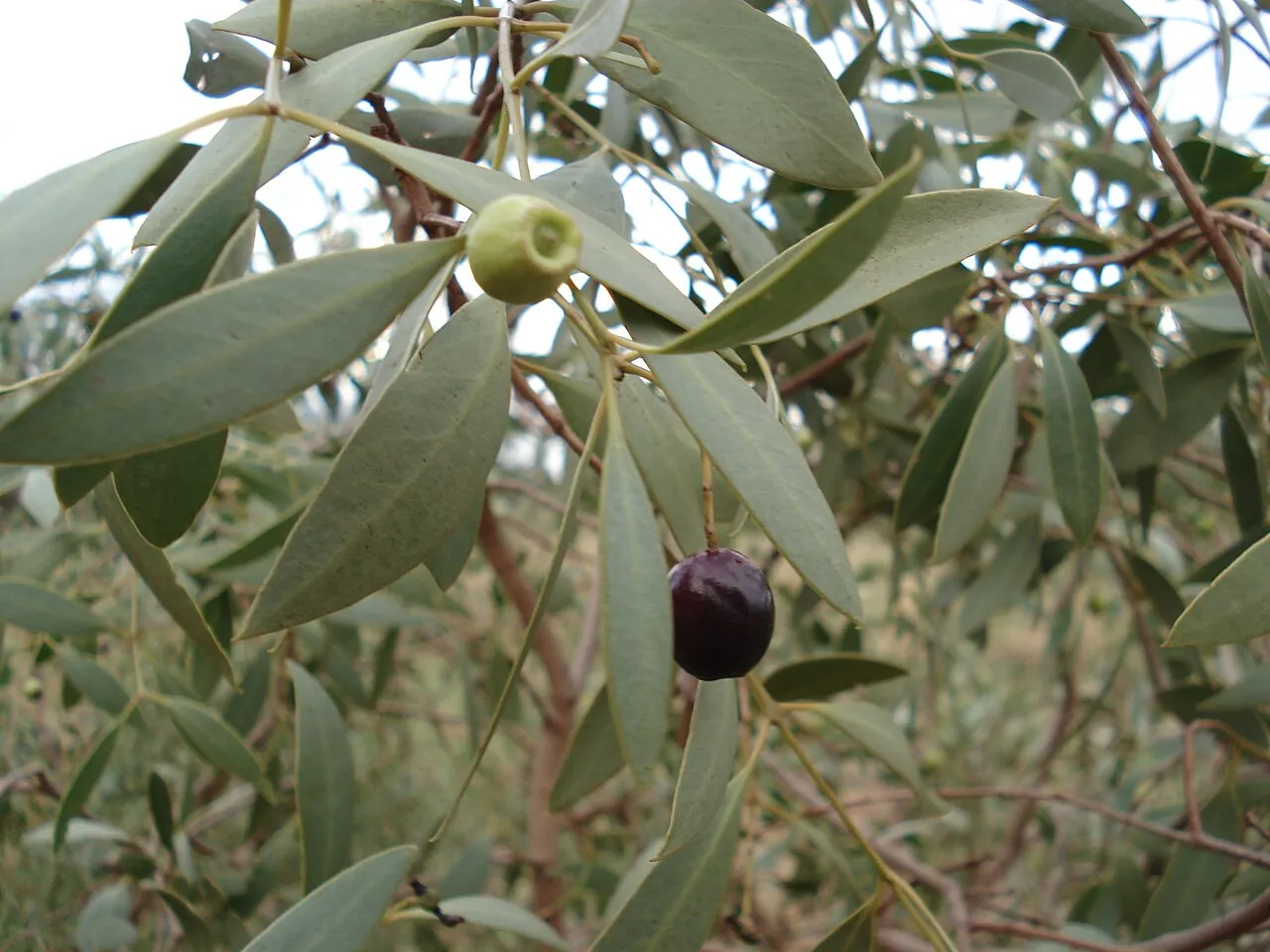
The fruit is egg-shaped, like a little unripe olive, with a woody stone in the centre. The flesh is fibrous, tart and bitter, sometimes salty. Its tree, Terminalia ferdinandiana, belongs to the Combretaceae family. Around Broome the fruit goes by Gubinge; at Wadeye, MiMarrarl is another name for it.
Where it comes from
Its range reaches across northern Australia, from the Kimberley in Western Australia to Darwin and into Queensland. In Kakadu it grows in open tropical woodland. For many remote Aboriginal communities the harvest matters socially and economically, bringing different clans and Traditional Owner groups together in one shared enterprise.
How it's eaten where it grows
In Kakadu, Bininj/Mungguy usually eat the ripe fruit raw and also turn it into jam. In 2018, Some Wild Australia, a South Australian company, launched a Kakadu plum yogurt using fruit from the Thamarrurr Plum Enterprise.
Powder gives cooks another way to use it. It can be added to smoothies, sprinkled on yogurt or porridge, or used in a salad dressing.
How it's grown
Most Kakadu plum is gathered from wild trees, while Indigenous and non-Indigenous growers are also establishing orchards. In Kakadu, the trees carry large, rounded leaves and spikes of cream-coloured flowers. They drop their leaves in the dry season, then flower on bare branches before the next fruit crop.
When and where you'll find it
In Kakadu National Park, fruit usually appears from March to May, near the end of the tropical summer. Kakadu Plum Co., in Mordialloc, Victoria, makes a Kakadu plum (Gubinge) powder from the whole fruit, seed and flesh, freeze-dried and then milled.
Get it near Detroit
What it tastes like
As tart as a grapefruit, less sweet than a kiwifruit≈
More about the taste
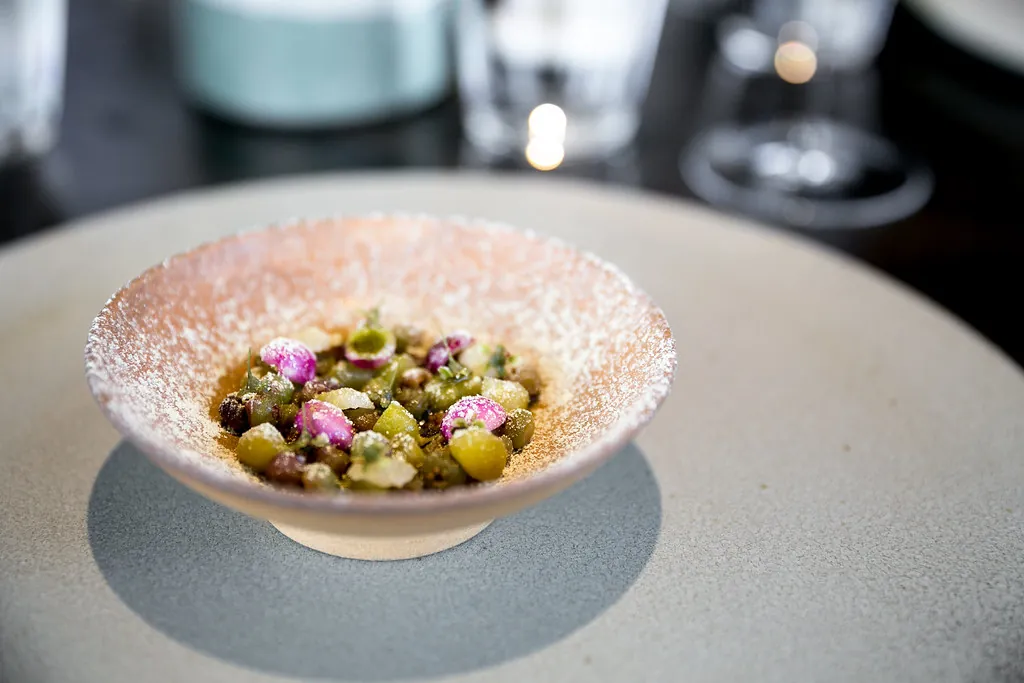
Near Darwin, ripe Kakadu plums have a mild first taste followed by sourness and astringency. A powdered product or sweetened dessert will taste different from the fresh fruit.
Choose, eat
1ChooseKakadu plum fruit varies substantially between individual trees, so note both maturity and which tree it came from when choosing
Kakadu plum fruit varies substantially between individual trees, so note both maturity and which tree it came from when choosing.
2EatFruit
Eat
FruitKakadu plum fruit is used in food and beverages; its cosmetic and medicinal uses come from different plant parts, such as leaf extract or bark.
Detroit, Michigan
When it’s good hereUsual monthsJust arrivedAt their bestLast chanceAll yearWhere it is in its usual monthsToday, Oct 22Grown hereIn season in your stateShips fromIn season where it grows
13 names in 6 languages
- Gubingeroot
- 費氏欖仁Chinese
Cook it
Strange but trueHistoryWhere the name came fromFood and drink
If you like Kakadu plum
Tastes alike
Used the same way
Sources
Photos · 3
Sources
Kakadu plum · Fruitopia · checked Sep 22, 2026