Huckleberry
Also called Thinleaf huckleberry · Black huckleberryVaccinium membranaceum · Ericaceae family
One common name connects different plants, mountain harvests and several kinds of livelihood.
Find it near DetroitGet to know it
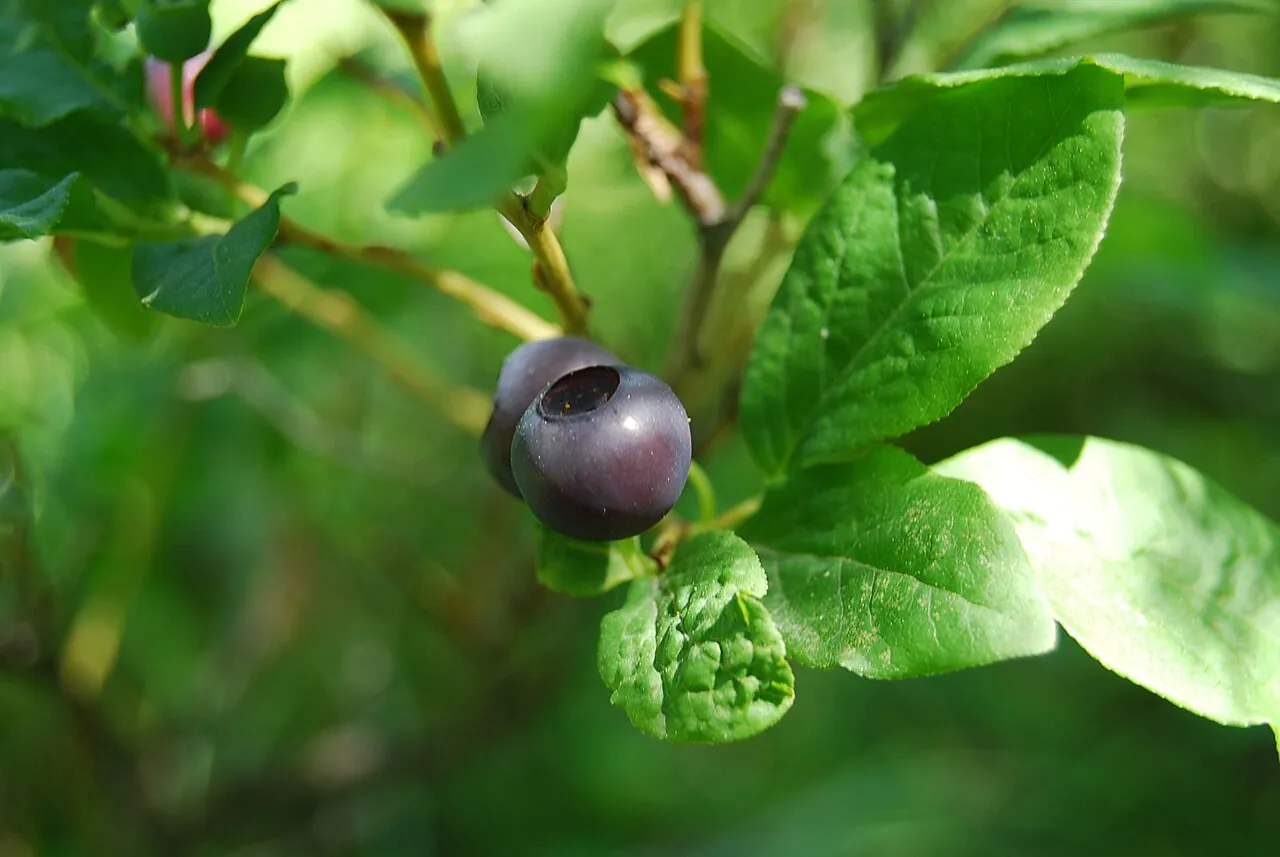
Mountain huckleberries are dark purple to black berries with an intense sweet-tart flavour, stronger than a blueberry’s. They are gathered from mountain shrubs in western North America. Their juice also has a traditional use: dyeing the corn husks woven into Nez Perce bags.
What it is
The mountain huckleberry is Vaccinium membranaceum, a relative of the blueberry. Its ripe berries are round and sweet, with a dark skin that can look shiny or carry a dusty, waxy coating. This is the western mountain fruit. The East Coast huckleberry is quite different, and some huckleberries belong to another group of plants altogether, Gaylussacia.
Where it comes from
Mountain huckleberry is native to North America. Its western range runs from British Columbia through the Cascade and Olympic mountains, south to California and Arizona. It has long been a food of Indigenous peoples in the region. Traditional harvests include eating fresh berries and making cooked, mashed berries into cakes dried in the sun.
How it's eaten where it grows
The Nez Perce traditionally boiled dried huckleberries before eating them. In British Columbia, the Kwakwaka’wakw cooked the berries with salmon roe, while the Sechelt smoke-dried them, adding huckleberry branches to the fire.
In Montana, huckleberry pie puts fresh or frozen berries under a lattice of pastry. One version seasons the filling with orange zest and juice and thickens it with tapioca. Huckleberries also make a sauce for seared duck: red wine, red-wine vinegar and sugar cook down with the fruit into a sweet-and-sour sauce.
How it's grown
The plant is a shrub that loses its leaves in winter and can reach 2 m (6.5 ft) tall. Pale pink, bell-shaped flowers hang beneath the twigs. Bees pollinate the flowers. New stems spread from rhizomes, underground stems that let one plant form a patch.
The shrub grows best between 3,000 and 7,000 ft (900–2,100 m), often on slopes. Young plants need moist, acidic soil, and the plant is very difficult to establish.
When and where you'll find it
In the Pacific Northwest, the fresh harvest usually belongs to August and September, when huckleberries also appear in pies, milkshakes and jam. Frozen berries carry that harvest into the rest of the year. Online wild-food shops are one route: Gourmet Harvest’s mountain huckleberries are labelled Vaccinium membranaceum and come from Washington’s high slopes, frozen after picking.
Get it near Detroit
What it tastes like
As sweet as a banana, softer than a pear≈
More about the taste
Huckleberries are sweet, dark fruit.
Huckleberries are sweet, dark fruit.
Choose, eat
1ChoosePurple-black
Look for
- Purple-black
- Waxy coating or shinier
Ignore
- Lack of visible bloom
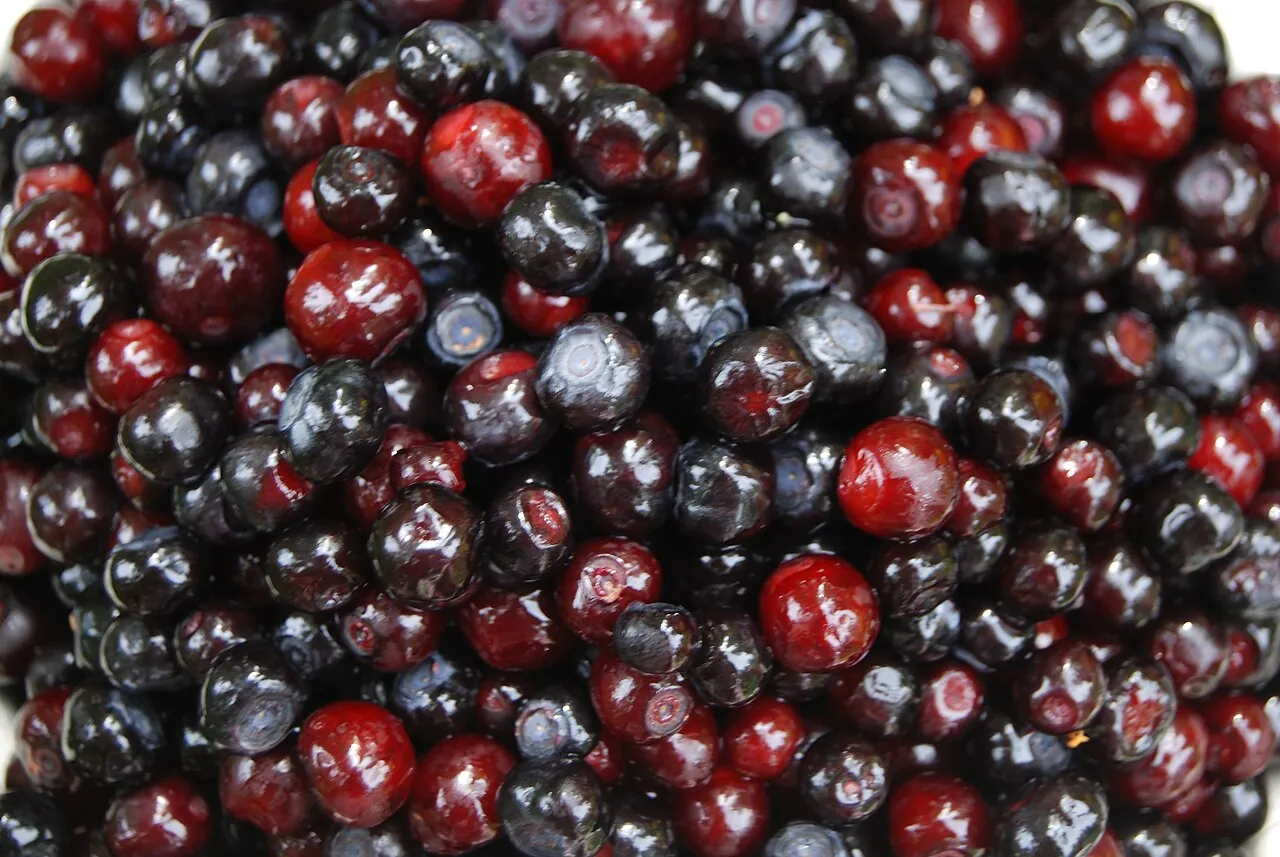
Ripe huckleberries are purple-black, some with a waxy coating and some shinier.
2EatBerries
Eat
BerriesHuckleberries are eaten fresh, cooked or dried. The Nez Perce traditionally boiled dried berries before eating them.
Detroit, Michigan
When it’s good hereUsual monthsJust arrivedAt their bestLast chanceAll yearWhere it is in its usual monthsToday, Oct 22Grown hereIn season in your stateShips fromIn season where it grows
8 names in 4 languages
- വാക്സിനിയം മെമ്പ്രാനേഷ്യംMalayalam
- 膜質越橘Chinese
Cook it
3 huckleberry festivalsUsual monthToday, Oct 22
Strange but trueHistoryA myth, and the truthScienceWhere the name came fromCustoms and culture
If you like Huckleberry
Close relatives
Used the same way
Sources
Sources
Huckleberry · Fruitopia · checked Sep 22, 2026