Crabapple
Also called European crab apple · Crab apple · Pommier SauvageMalus sylvestris · Rosaceae family
Small, tart apples that bring pectin and a long history to the kitchen.
Find it near DetroitGet to know it
Crabapples put a sharp apple bite into a small fruit. The European crabapple is yellow-green and often tart enough to suit the preserving pan: its natural pectin helps thicken jams. Sweeter kinds, such as Dolgo, can be sweet enough to eat straight from the tree.
What it is
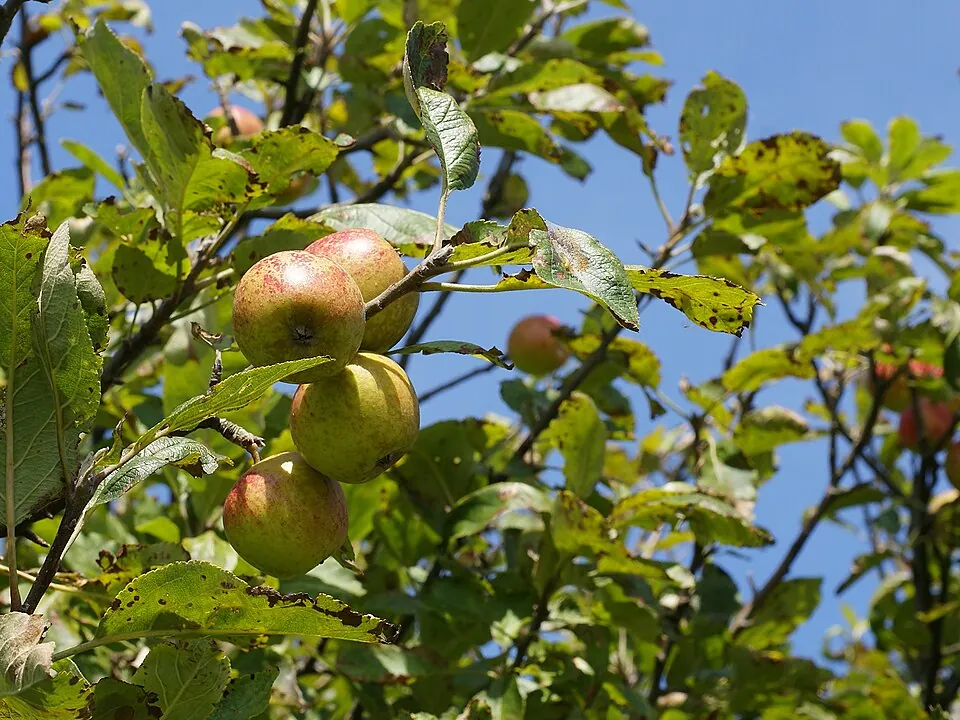
The European crabapple, Malus sylvestris, measures about 2–3 cm (¾–1¼ in) across. Its yellow-green skin can carry red or white spots. The small apples contain seeds in the middle; the flesh is edible, but discard the seeds. Pectin in the fruit helps thicken jam, giving these little apples a job beyond fresh eating.
Where it comes from
European crabapple grows across much of Europe into southwestern Asia, including Turkey. In Ireland it belongs to old woodland, scrub and hedgerows. North America has its own crabapples: western crabapple, Malus fusca, grows from California to Southcentral Alaska. The Alaska fruit and the European one are different species sharing a kitchen name.
How it's eaten where it grows
In Alaska, Carissa Pearce turns crabapples into mulled cider. She combines the juice with honey mead, dark rum and brown sugar, then warms it with cinnamon, vanilla, allspice, star anise and cardamom. It can cook gently in a slow cooker. Crabapple purée can also be dried into fruit leather, the same way as applesauce.
How it's grown
European crabapple grows into a tree that loses its leaves in winter and can reach about 10 m (32 ft). It produces flowers and fruit best in a sunny spot with moist soil. The same tree grows along woodland edges and in hedges.
When and where you'll find it
In Alaska, western crabapples usually ripen from late August through October. In Ireland, the European crabapple’s small yellow-green apples come in early autumn. Whole fruit, juice and purée can all be frozen, and the juice and purée of small, tart wild crabapples can go into other wild-fruit jams and jellies.
Get it near Detroit
What it tastes like
As tart as a grapefruit, less sweet than a kiwifruit≈
More about the taste
Crabapples range widely in taste: wild Alaska crabapples are mouth-puckering, while some cultivated kinds, including Dolgo, are pleasant enough to eat fresh.
Wild crabapples are generally smaller, harder and more tart than familiar cultivated apples, which is why they're usually cooked rather than eaten out of hand.
Choose, store, eat
1ChooseFirm, dense fruit
Look for
- Firm, dense fruit
- No decay
- Brown seeds
Look for firm, dense fruit without decay; brown seeds are a sign of ripeness. Varieties differ greatly in sweetness, so learn the tree's name when you can.
2StoreHow long crabapples keep depends on the variety: some hold only a few days, others much longer
How long crabapples keep depends on the variety: some hold only a few days, others much longer. Fruit that's been frozen loses quality — let it thaw before handling, then process it promptly.
3EatFruit · not seeds
Eat
FruitNot eaten
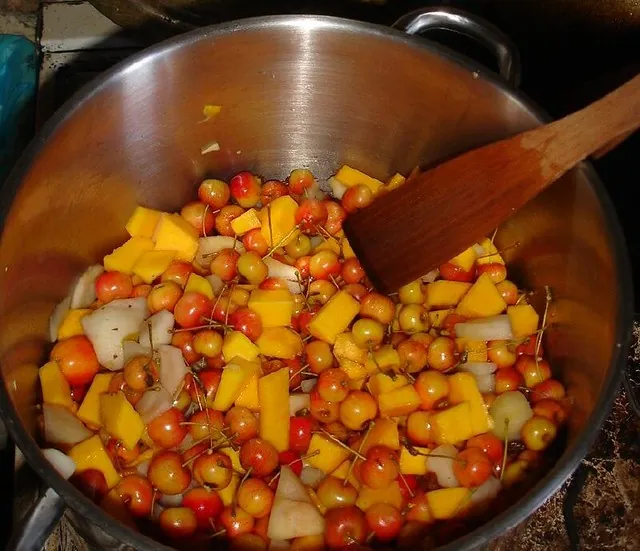
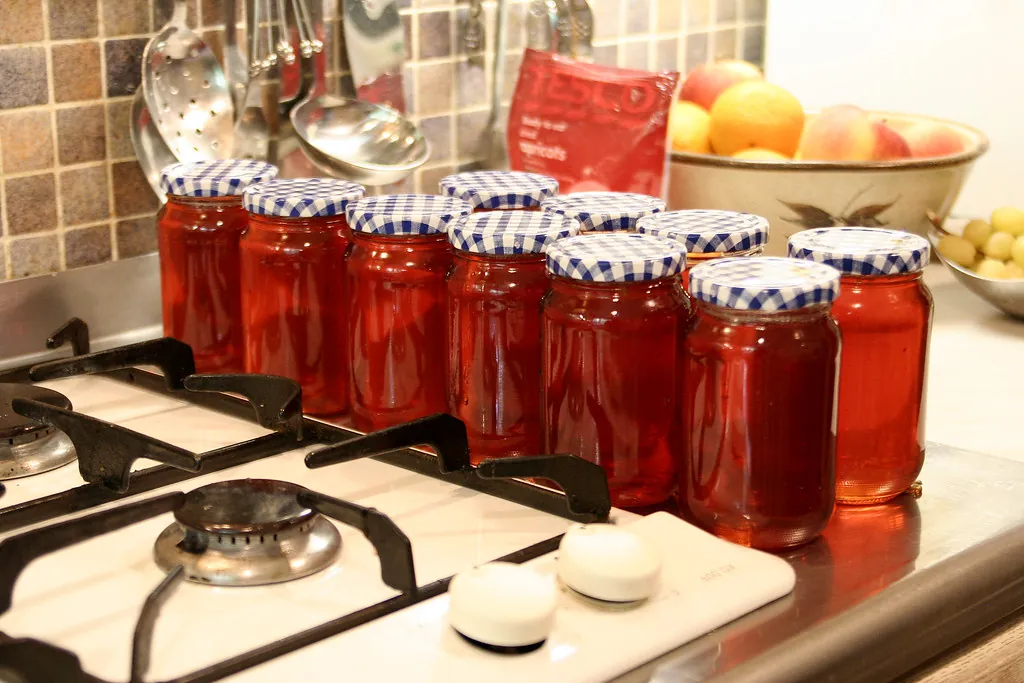
SeedsCrabapples are eaten raw or cooked into jellies, preserves and juices; discard the seeds. Their natural pectin is useful for jelly-making.
More tips
Worth knowing
- Ask which crabapple variety you have and whether the fruit went through frost. Choose firm, sound fruit; how long it keeps depends on the variety.
Detroit, Michigan
When it’s good hereUsual monthsJust arrivedAt their bestLast chanceAll yearWhere it is in its usual monthsToday, Oct 22Grown hereIn season in your stateShips fromIn season where it grows
1 growing area, 1 countryUsual monthsToday, Oct 22

- Alaska
- You
1 of 1 areas · October
Crabapple remains have been found at prehistoric Irish sites, including apple-pip impressions on pottery — people were eating them long before cultivated apples arrived. Some finds may have had ritual significance, though that's less certain.
36 names in 13 languages
- Crann fia-úllroot
Cook it
Strange but trueHistoryCustoms and cultureA record
If you like Crabapple
Tastes alike
Close relatives
Used the same way
Nutrition, sources
Nutrition
Crabapples, raw · per 100 g
- Carbohydrate
- 20 g
- Protein
- 0.4 g
- Fat
- 0.3 g
- Vitamin C
- 8 mg
- Potassium
- 194 mg
Photos · 4
Sources
Crabapple · Fruitopia · checked Sep 22, 2026
What we don't know yet
The crabapple jelly listing doesn't name a variety or species.