White sapote
Casimiroa edulis · Rutaceae family
A creamy highland fruit whose fragile skin and variable seedlings help explain its limited supermarket presence.
Find it near DetroitGet to know it
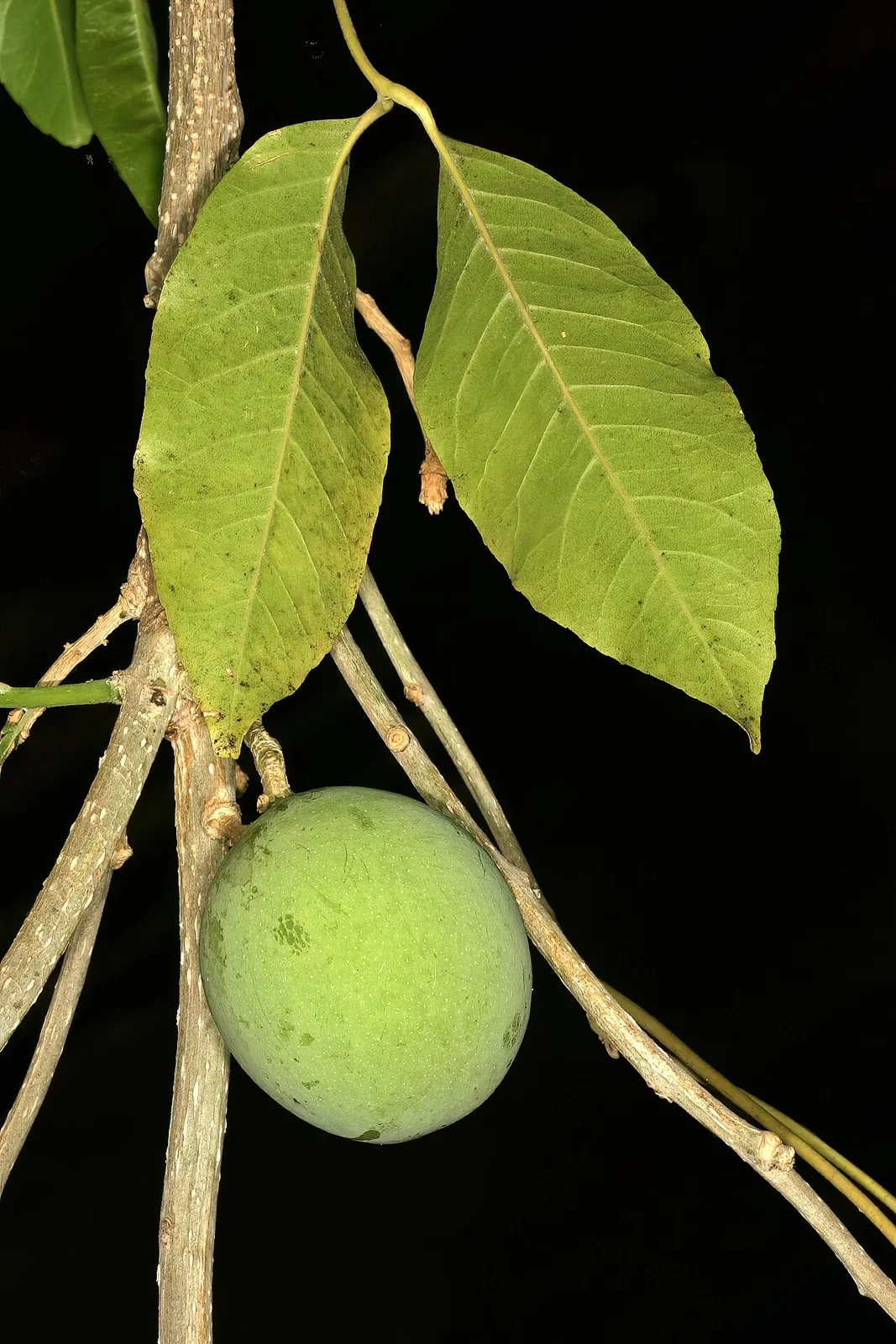
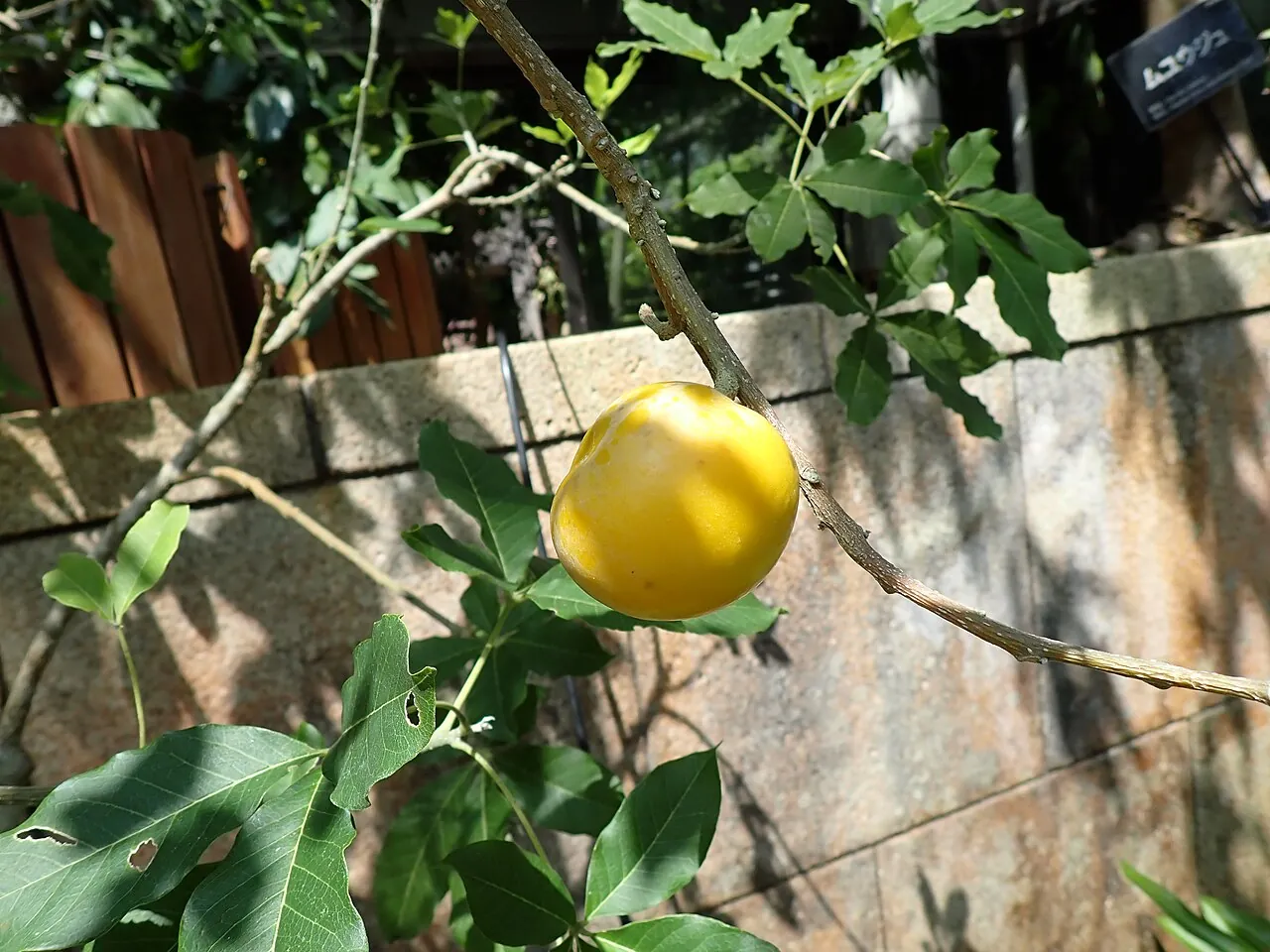
White sapote has thin green skin and soft flesh that tastes of banana, peach or vanilla, with the texture of custard. It comes from the highlands of Mexico and Central America. Despite its pudding-like centre, this fruit belongs to the citrus family.
What it is
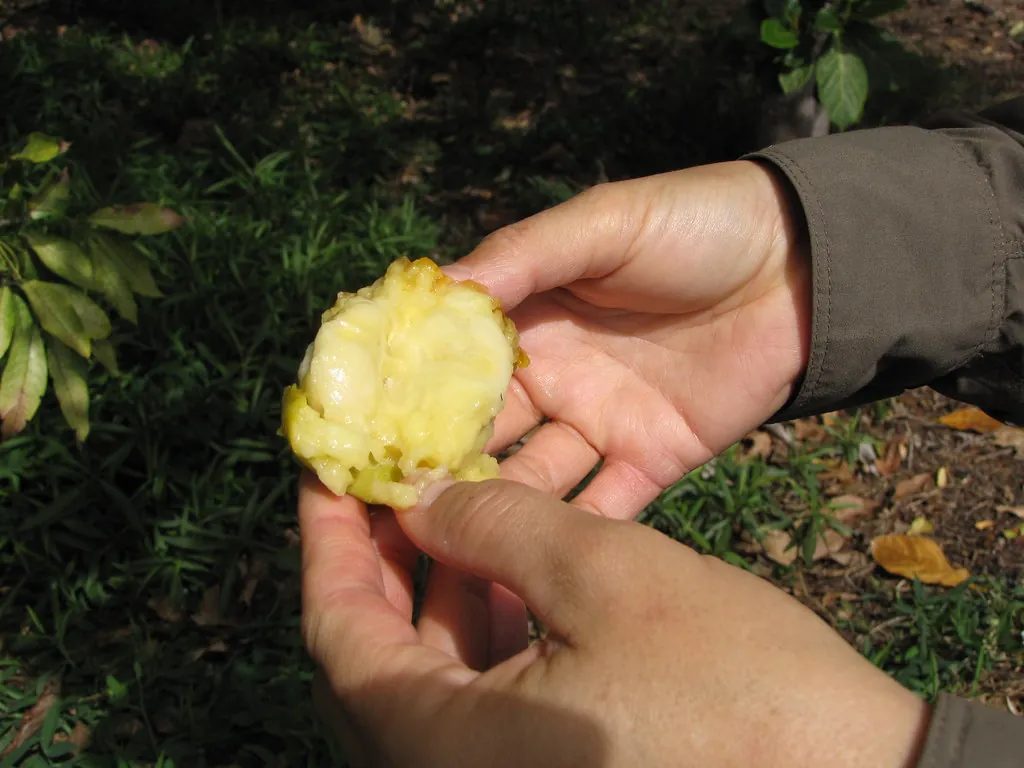
A white sapote is often about 6–11 cm (2½–4½ in) across. Beneath its tender skin, the flesh is pale and creamy, with a custard-like texture. Named varieties don’t come true from seed, so growers keep them going by grafting.
The pulp is the part to eat. The seeds are poisonous and must be discarded. Bruising also changes the eating experience: the skin can blacken, and the flesh beneath the bruise can turn bitter.
Where it comes from
This highland fruit comes from central Mexico and Central America. Franciscan monks brought it to California around 1810, where it is still grown on a small scale in the south of the state. In Central America, the tree has another job alongside feeding people: its canopy shades coffee plants.
How it's eaten where it grows
In Mexico and Central America, white sapote is eaten fresh, sometimes in slices with cream and sugar. Its pulp also goes into milkshakes and ice cream.
In Mossman, Australia, Bev Zillfleisch’s white sapote cake mixes the pulp with butter, eggs, self-raising flour, sugar, vanilla and a little milk. Another preparation, White Delight, blends it with cherimoya, frozen banana and apple juice into a drink.
How it's grown
White sapote grows into a large tree with dense shade. Seed-grown trees take about seven or eight years to bear, while grafted trees begin in three or four. Grafting joins wood from a chosen variety to another plant’s roots, preserving its fruit qualities.
Harvesters clip the fruit from the branch with a short piece of stem attached. The thin skin and easily bruised flesh make gentle handling part of picking it well.
When and where you'll find it
In Mexico, white sapote usually ripens from June to October. In California it sells best at local stands; Latin markets and specialty produce stores are other places to look for it fresh. Its tender skin makes it a delicate purchase: even an unripe fruit can bruise, with bitterness developing under the damaged area.
Sources · 6
- California Rare Fruit Growerscrfg.org
- Jeremy A. Safron, The Raw Truth / Epicuriousepicurious.com
- Morton, Fruits of Warm Climates (1987)hort.purdue.edu
- Rare Fruit Council of Australia: Bev Zillfleisch, Mossmanrfcarchives.org.au
- University of Arizona Campus Arboretumapps.cals.arizona.edu
- University of Florida IFASedis.ifas.ufl.edu
Get it near Detroit
What it tastes like
As soft as a banana, as mild as a pear≈
More about the taste
The flesh is creamy and sweet, with some bitterness near the skin. Flavor varies a lot between seedlings, so one fruit doesn't represent every variety.
The flesh is creamy and sweet, with some bitterness near the skin. Flavor varies a lot between seedlings, so one fruit doesn't represent every variety.
The flesh is creamy white or yellow beneath thin, tender skin.
Choose, ripen, eat
1ChooseSoftening alone
Ignore
- Softening alone
Treat it as delicate: careless handling or bruising can blacken the flesh and add bitterness, even before it's ripe.
2RipenRipens after picking
Ripens after pickingWhite sapote can ripen after picking, but maturity at harvest matters: the Pike variety, picked too early, softened after a delay but kept an inferior flavor.
3EatPulp · not seeds
Eat
PulpNot eaten
SeedsEat the pulp; do not eat the seeds.
Detroit, Michigan
When it’s good hereUsual monthsJust arrivedAt their bestLast chanceAll yearWhere it is in its usual monthsToday, Oct 22Grown hereIn season in your stateShips fromIn season where it grows
2 growing areas, 1 countryUsual monthsToday, Oct 22

- New South Wales
- Queensland
- You
1 of 2 areas · October
White sapote is eaten fresh and used in milkshakes, ice cream and other desserts. Because seedlings vary so much, growers use grafted selections to keep the traits they want.
16 names in 11 languages
- سابوتا بيضاءArabic
Cook it
Strange but trueHistoryScienceWhere the name came fromFood and drinkPeople
If you like White sapote
Tastes alike
Used the same way
Sources
Sources
White sapote · Fruitopia · checked Sep 22, 2026