Ume
Also called Japanese apricot · Sour green plum · Chinese plumPrunus mume · Rosaceae family
For ume, “best” depends on what you plan to make: the harvest stage for a drink can differ from the stage for a salted or cooked preparation.
Find it near DetroitGet to know it
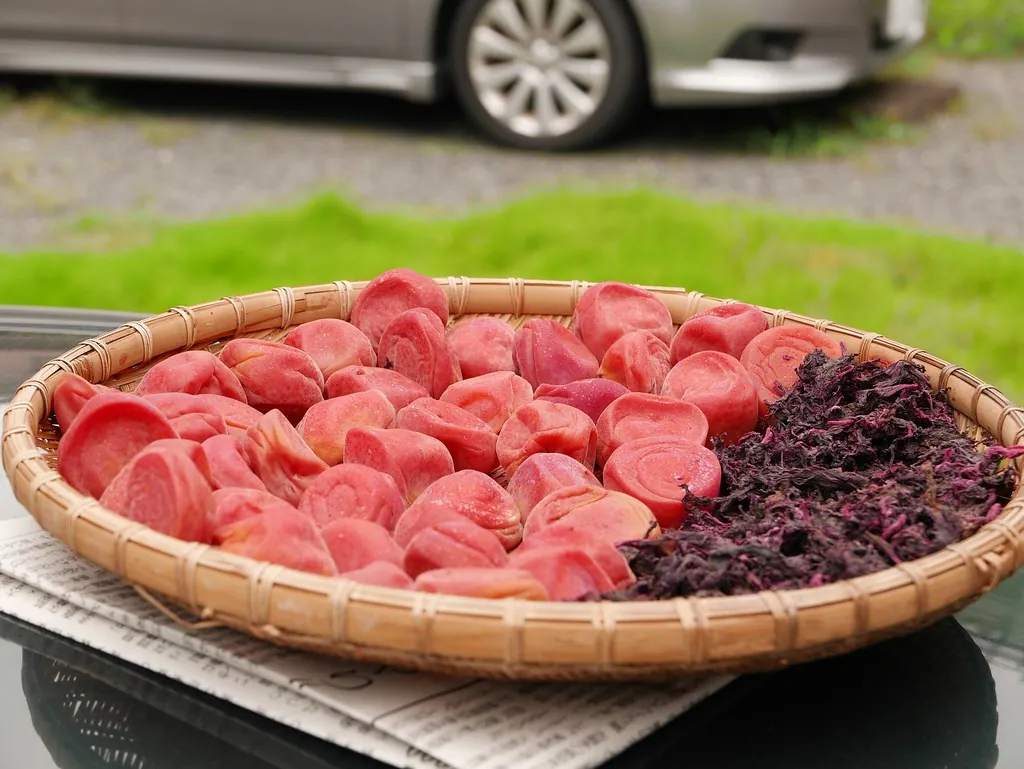
Ume is a small, intensely sour fruit that turns fragrant and soft as it yellows. Salt makes it into umeboshi, the tangy pickle tucked into Japanese rice balls; sugar draws out its juice for a sweet-tart drink.
What it is
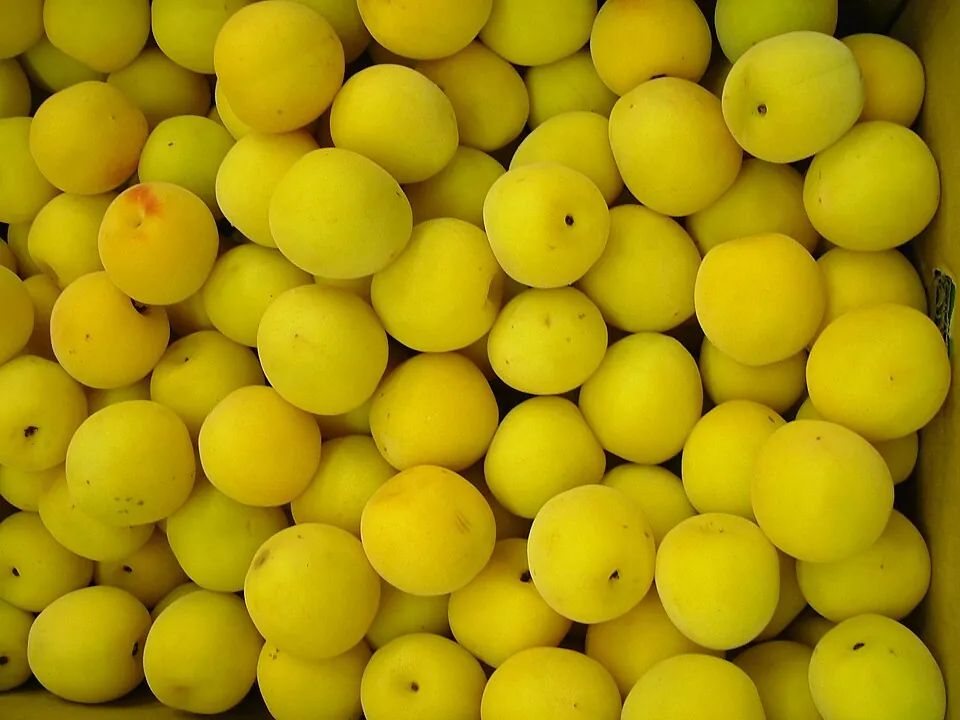
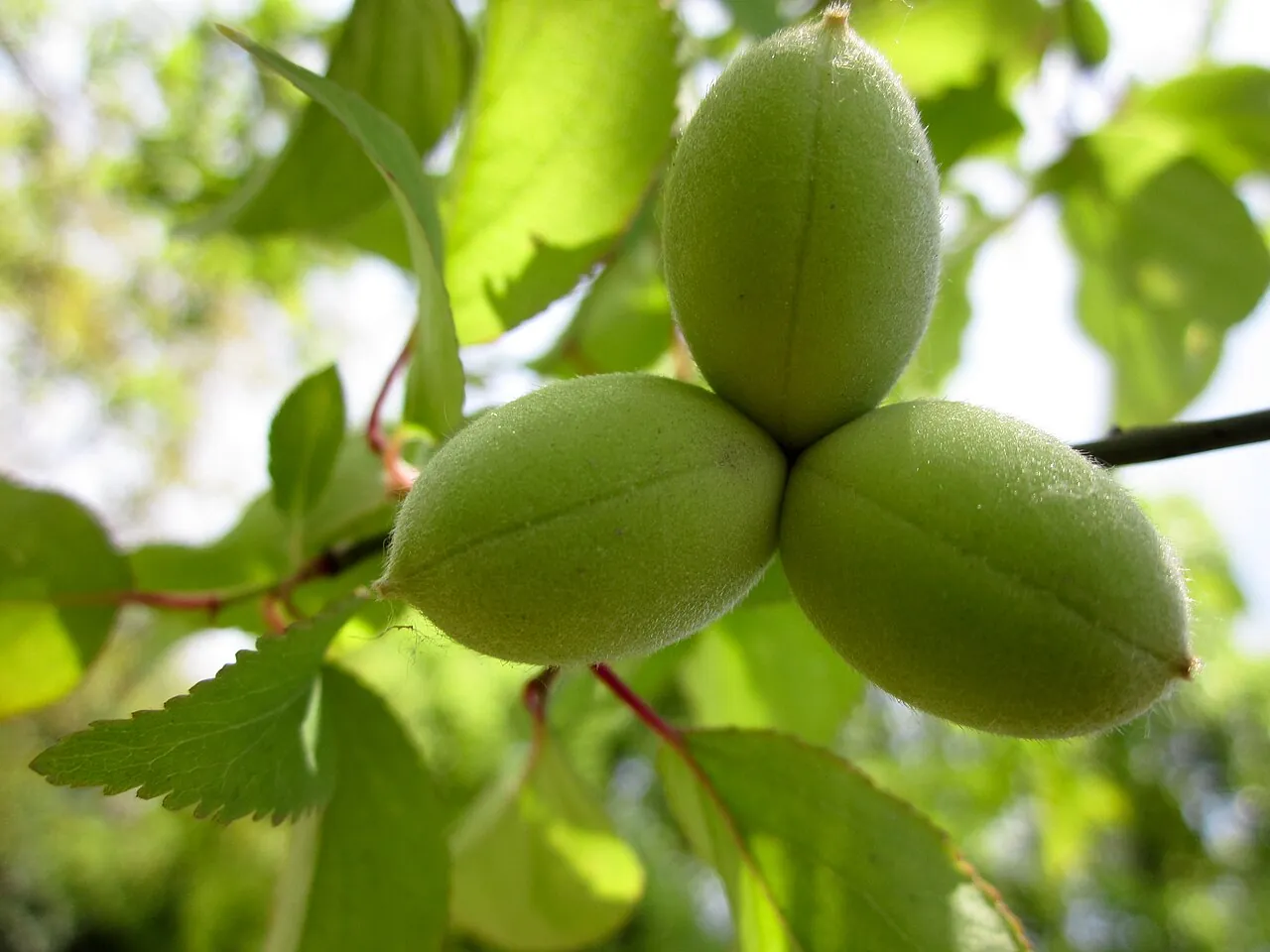
Ume is Prunus mume, the Japanese apricot: a round, fuzzy fruit about 2.5–3.2 cm (1–1.25 in) across, with a stone in the middle. It is low in sugar and sharply acidic.
Green fruit is firm; fully ripe fruit turns yellow, soft and fragrant. Nanko, a variety from Minabe, has thin skin and plenty of tender flesh, and is rated the finest variety for umeboshi.
Where it comes from
Despite the English name Japanese apricot, ume comes from south-central China and Laos. Japan has made it an orchard crop as well as a flowering garden tree.
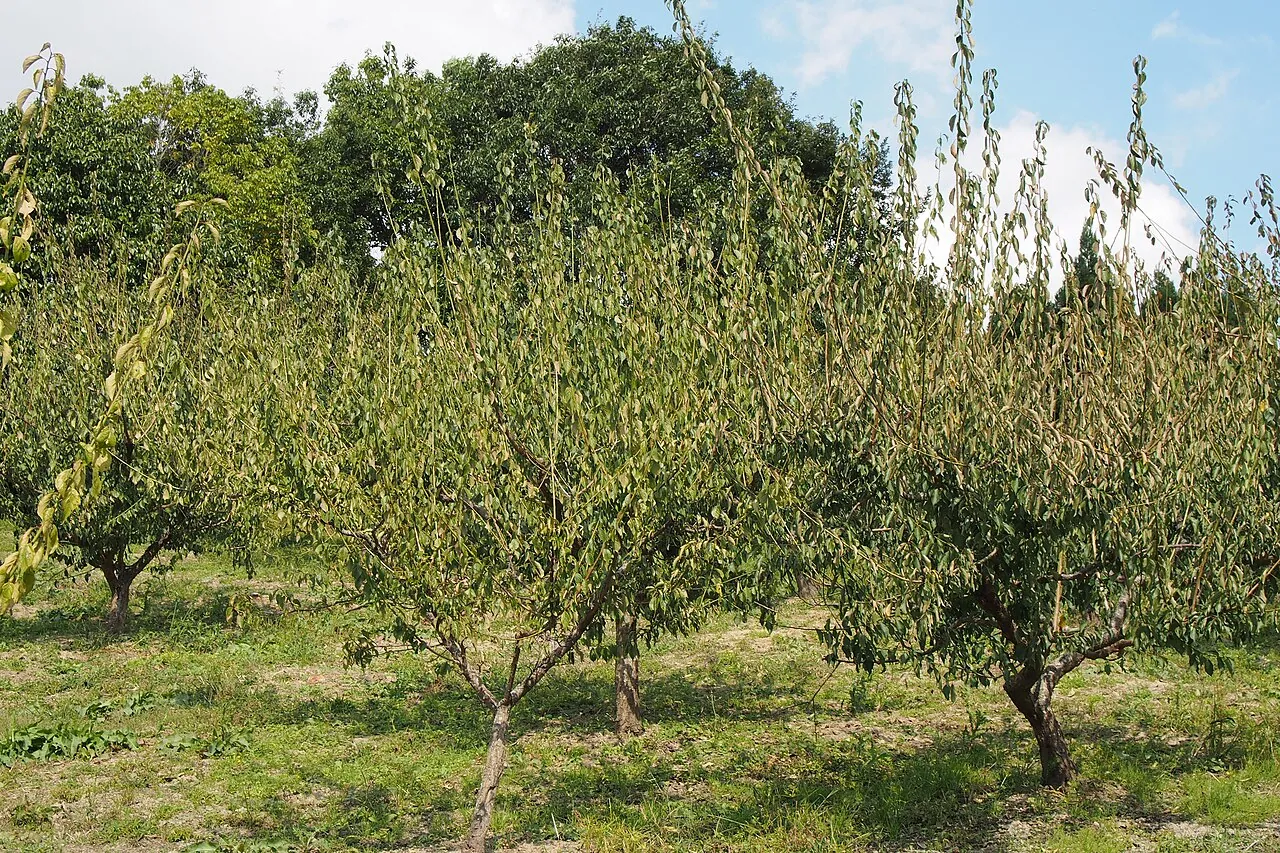
Around Minabe and Tanabe in Wakayama, farmers have grown ume on steep, stony slopes for about 400 years. Orchards share the hills with woodland that supplies charcoal wood and homes for pollinating bees. The woods help hold water and protect the slopes, while grass between trees keeps soil in place.
How it's eaten where it grows
In Japan, umeboshi brings a salty, sour centre to an onigiri rice ball. Chopped pickled ume can also be folded through rice with toasted sesame seeds, then wrapped in nori seaweed.
Green ume has another life in drinks. Rock sugar draws out its juice for ume syrup, which is diluted with still or sparkling water or poured over shaved ice. Green fruit also goes into umeshu, the Japanese plum liqueur.
How it's grown
The tree flowers on bare branches before its leaves appear. In Wakayama, green ume for drinks is picked by hand. Fruit destined for umeboshi can ripen on the tree and drop into nets spread underneath. Farmers salt that soft, fragrant fruit on the day they gather it.
When and where you'll find it
In Wakayama, green ume is usually harvested from late May to mid-June, with fully ripe fruit following from mid- to late June. In California, the season usually runs from mid-May to early June.
Salted, dried ume travels year-round. In New York, Kalustyan’s lists a Nanko umeboshi flavoured with red shiso leaves.
Get it near Detroit
What it tastes like
Tarter than a grapefruit, softer than a pear≈
More about the taste
Fully ripe, yellow ume is fruity, aromatic and soft. Green, firm fruit is harvested separately for different processing uses.
Yellow, fully ripe ume is aromatic and soft; green, firm fruit serves different processing uses. The Nanko variety in particular has thin skin and abundant soft flesh.
Choose, ripen, store, eat
1ChooseChoose by what you're making: green fruit suits drinks and syrups, while riper fruit suits umeboshi or jam
Choose by what you're making: green fruit suits drinks and syrups, while riper fruit suits umeboshi or jam. A firm fruit isn't necessarily unripe, just at a different intended stage.
2RipenRipens after picking
Ripens after pickingFor umeboshi, let green fruit yellow over a few days before processing. Fully ripe fruit is often gathered from nets placed beneath the trees.
3StoreRipe ume is usually processed the same day it's gathered
Ripe ume is usually processed the same day it's gathered.
4EatUme is low in sugar and strongly acidic, so it's processed rather than eaten fresh: follow a tested recipe for pickling, syrup or whatever product you're making
Ume is low in sugar and strongly acidic, so it's processed rather than eaten fresh: follow a tested recipe for pickling, syrup or whatever product you're making.
Detroit, Michigan
When it’s good hereUsual monthsJust arrivedAt their bestLast chanceAll yearWhere it is in its usual monthsToday, Oct 22Grown hereIn season in your stateShips fromIn season where it grows
4 growing areas, 2 countriesUsual monthsOur estimated monthsToday, Oct 22

- Aomori
- Jeju
- Wakayama
- You
0 of 1 areas · October
Growing areas by country
- Japan3
- South Korea1
In the Minabe–Tanabe region of Japan, ume orchards sit within a working landscape of coppice woodland, charcoal production and bee habitat, with local processing knowledge passed down alongside it.
56 names in 11 languages
Cook it
3 ume festivalsUsual monthToday, Oct 22
Strange but trueHistoryA myth, and the truthScienceWhere the name came fromCustoms and cultureFood and drinkPeople
If you like Ume
Tastes alike
Close relatives
Sources
Photos · 4
Sources
Ume · Fruitopia · checked Sep 22, 2026