Shikuwasa
Also called Taiwan tangerine · Flat lemon · Hirami lemonCitrus depressa · Rutaceae family
An Okinawan citrus whose ideal stage changes with the dish: sharp green seasoning, juice fruit or lower-acid ripe fruit.
Find it near DetroitGet to know it
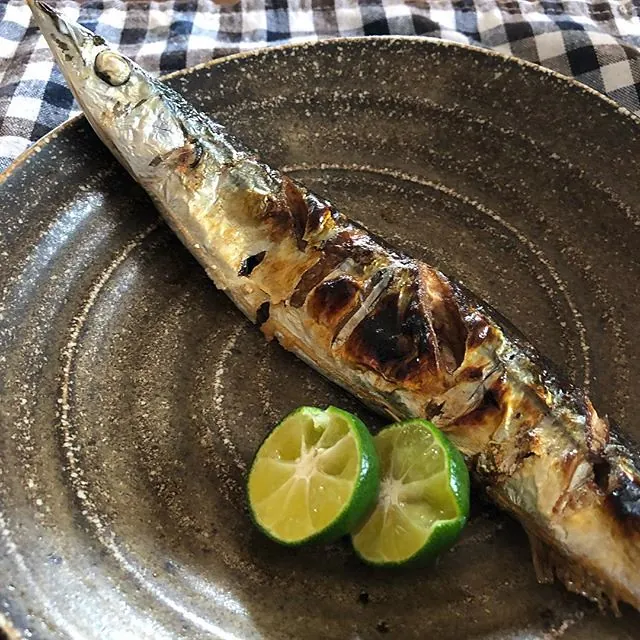
Shikuwasa is Okinawa’s small, sharply sour citrus, squeezed over fish and into drinks while its skin is still green. Left on the tree until it turns yellow, it gains sweetness. The same fruit serves as a seasoning, a juice crop and a winter fruit to eat fresh.
What it is
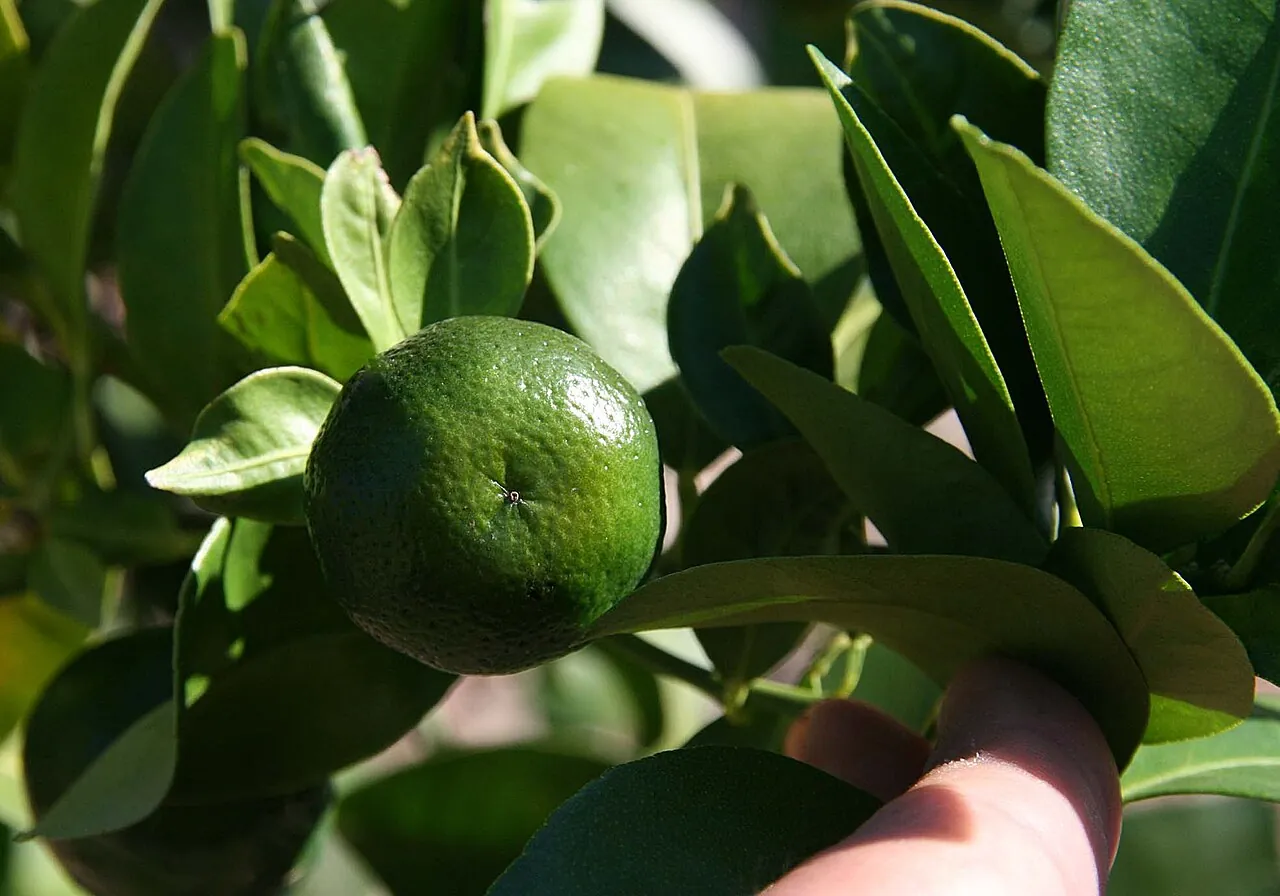
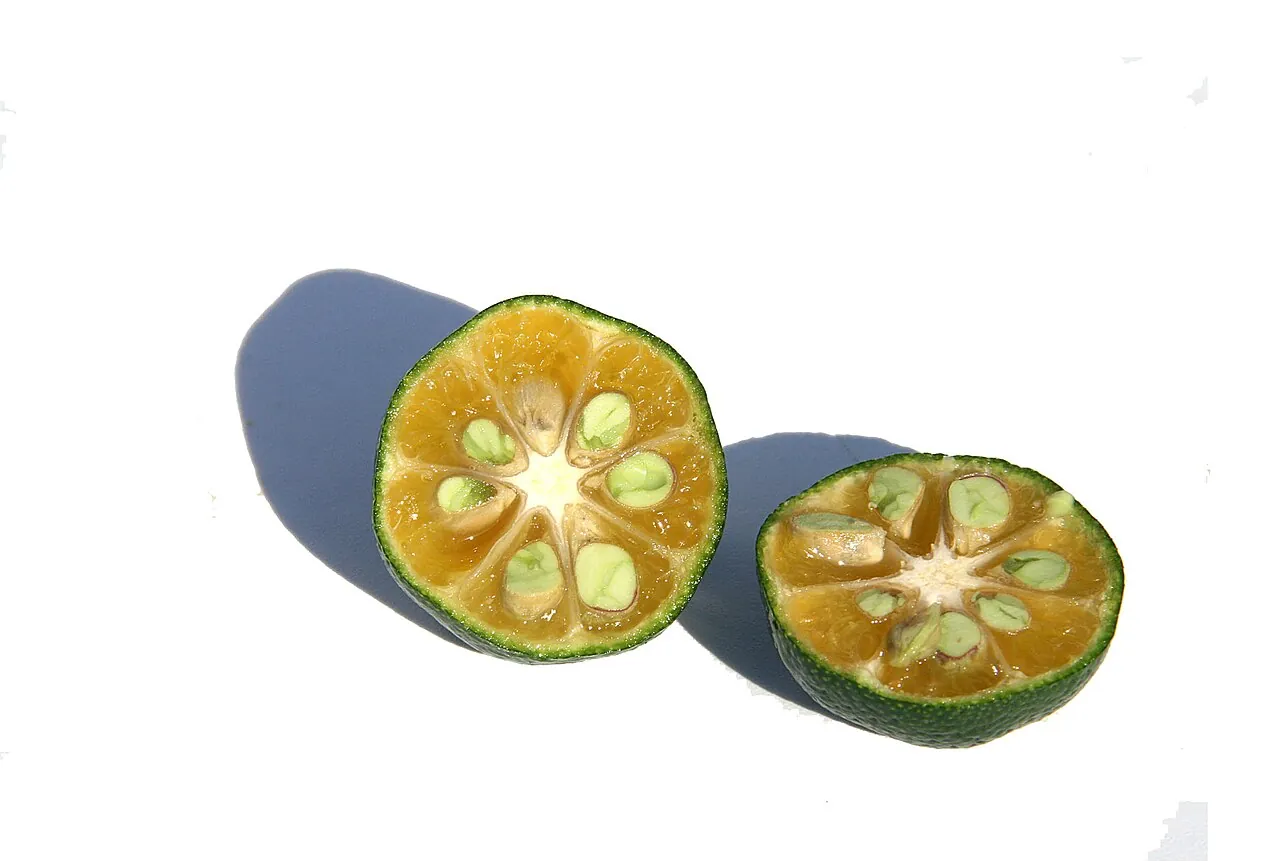
Shikuwasa, Citrus depressa, is about 3–4 cm (1.2–1.6 in) across, with thin skin and usually plenty of seeds. The green fruit has a strong citrus flavour and a sharp sourness that suits dressings and fish.
As the skin turns yellow, the balance shifts towards sweetness while some acidity remains. The preferred stage depends on the dish: the green seasoning fruit and the ripe eating fruit come from the same crop.
Where it comes from
Shikuwasa is closely tied to Okinawa. In Ōgimi village, it grows on the limestone mountainsides around Nekumachiji-dake. It also grows in Pingtung County, Taiwan. Its family tree brings two places together: a wild mandarin native to the Ryukyu Islands crossed with a mainland mandarin to give rise to shikuwasa.
How it's eaten where it grows
In Okinawan cooking, shikuwasa juice accompanies sashimi, slices of raw fish, and grilled fish, or goes into dressings. Diluted juice makes a drink with honey or sparkling water, and it also mixes with the spirits awamori and shochu.
For a pastry version, shikuwasa curd is folded into whipped cream and piped inside choux au craquelin, cream puffs topped with a thin biscuit crust. The citrus filling brings the fruit’s sourness into a sweet dessert.
How it's grown
Shikuwasa grows on an evergreen citrus shrub. Growers choose the picking stage for the intended use: smaller, acidic fruit for seasoning, then a larger crop for juicing, and later fruit with a sweeter balance for eating. Leaving fruit on the tree until January can reduce the following season’s flowers and crop. At Okinawa Biken’s organic farms, each fruit is picked by hand.
When and where you'll find it
In Okinawa, seasoning fruit is usually picked in August and September. The juice harvest follows in autumn; January brings fruit suited to eating fresh. Pure 100% shikuwasa juice carries the flavour through the whole year, well beyond the picking season.
Sources · 7
- Lai et al., Journal of Food Science and Technology (2022)pmc.ncbi.nlm.nih.gov
- NARO — Okinawa Agricultural Research Centernaro.go.jp
- Nature Co., Kanagawanature-kanagawa.com
- Ōgimi Villagevill.ogimi.okinawa.jp
- Okinawa Bikenshop.okinawabiken.jp
- Okinawa Prefectural Government, Hong Kong Representative Officehealthy-and-natural-style-okinawa.comOther pages2
- Wu et al., Nature Communications (2021)nature.com
Get it near Detroit
What it tastes like
Softer than a pear, sweeter than a grapefruit≈
More about the taste
For shikuwasa, the desirable stage depends on the dish: strongly acidic fruit suits cooking in August–September, while a higher sugar-to-acid balance from January onward suits fresh eating.
Sharply acidic immature fruit is used in cooking; later, riper fruit has reduced acidity and is eaten as fruit — a shift in culinary target across the season, not one best stage for every use.
Choose, eat
1ChooseAsk whether the fruit was harvested as a sour cooking ingredient, for juice, or for direct eating — these call for different maturity, so buying green seasoning fruit is a different choice from buying later eating fruit
Ask whether the fruit was harvested as a sour cooking ingredient, for juice, or for direct eating — these call for different maturity, so buying green seasoning fruit is a different choice from buying later eating fruit.
2EatWhole-fruit eating, expressed juice and peel used in processing are each treated separately, since a juice product and a peel ingredient need different preparation
Whole-fruit eating, expressed juice and peel used in processing are each treated separately, since a juice product and a peel ingredient need different preparation.
More tips
Worth knowing
- Ask whether a shikuwasa batch was harvested as a sour culinary citrus or for fresh eating. The best harvest date depends on what you want to do with it.
- For a sharp citrus seasoning, green late-summer shikuwasa is the traditional target. Lower acidity isn't the goal for every preparation.
- For a lower-acid fresh-fruit experience, ask an Okinawan grower about ripe winter shikuwasa — a different, later window from the green-fruit seasoning harvest.
Detroit, Michigan
When it’s good hereUsual monthsJust arrivedAt their bestLast chanceAll yearWhere it is in its usual monthsToday, Oct 22Grown hereIn season in your stateShips fromIn season where it grows
1 growing area, 1 countryUsual monthsToday, Oct 22

- Okinawa
- You
1 of 1 areas · October
Different harvest stages suit household cooking, juice making and fresh eating, making harvest stage and processing method useful filters when shopping for shikuwasa products.
29 names in 9 languages
- Shiikuwasharoot
Cook it
Strange but trueHistoryScienceWhere the name came fromCustoms and cultureFood and drink
If you like Shikuwasa
Close relatives
Sources
Sources
Shikuwasa · Fruitopia · checked Sep 22, 2026