Orange
Citrus × sinensis · Rutaceae family
Start with a named navel orange, then follow its juice into a cake or savory salad.
Find it near DetroitGet to know it
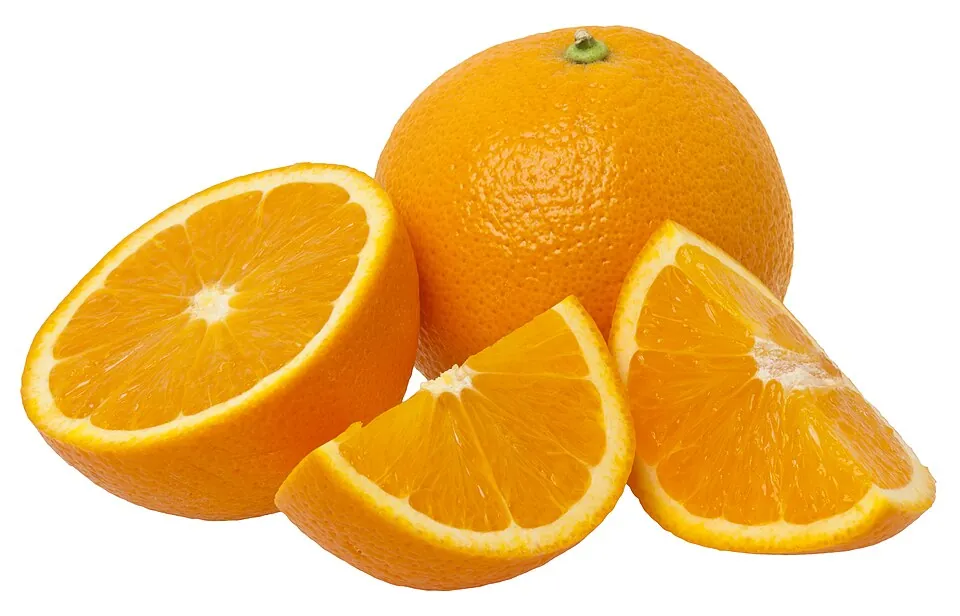
Peel a Washington navel and the skin comes away from firm segments with a rich citrus flavour. Sweet oranges range from this seedless eating orange to juicy Valencias and red-fleshed blood oranges. They all belong to Citrus × sinensis.
What it is
A sweet orange is usually about 6–10 cm (2½–4 in) across. Under its outer peel lies a spongy white layer called pith. Thin membranes divide the flesh into segments packed with little sacs of juice.
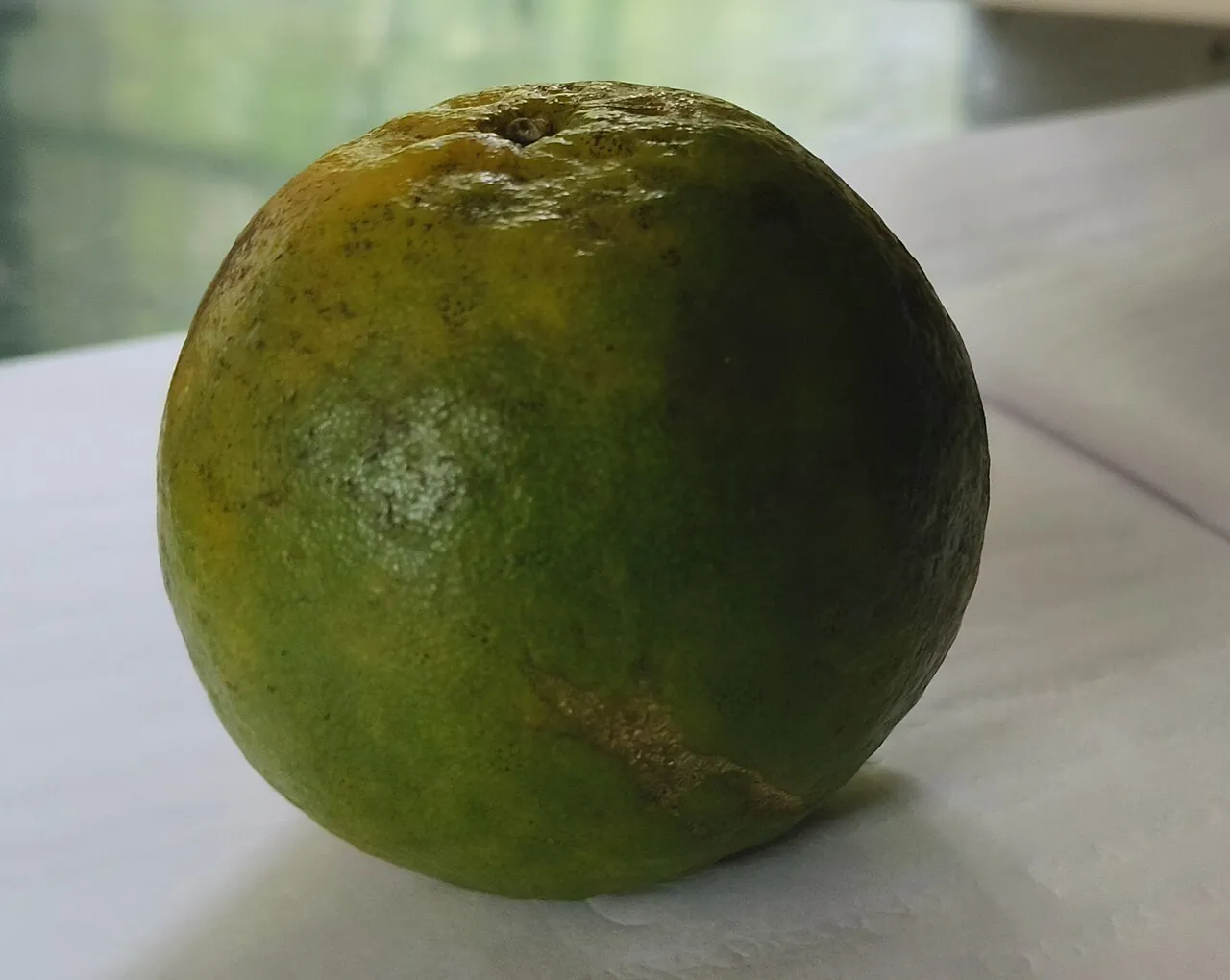
Washington navels suit peeling and eating by the segment. Valencias are especially juicy, with a thin peel that can stay green even when the fruit is ripe. Blood oranges, including Moro and Tarocco, have deep red streaks through the flesh.
Where it comes from
Sweet orange began as a cross between mandarin and pomelo, probably in southern China and neighbouring parts of northeastern India and Southeast Asia. Spaniards carried it to Mexico and South America in the mid-1500s.
Brazil is now a major grower: the January 2026 forecast puts its 2025/26 crop at 13.5 million tonnes, within a world crop of 45.9 million tonnes. In Tamil Nadu, Sathukudi is one commercially grown sweet-orange variety.
How it's eaten where it grows
In Sicily, orange salad goes beside roast or grilled fish. Peeled Tarocco oranges join tomatoes, olives and thin slices of red onion, dressed with olive oil, mint and basil. The salad is served cold.
In Greece, portokalopita turns orange into a syrup-soaked cake. Strips of dried filo pastry fold into a mixture of yogurt, eggs, orange zest and marmalade. After baking, the warm cake absorbs a cooled orange syrup.
How it's grown
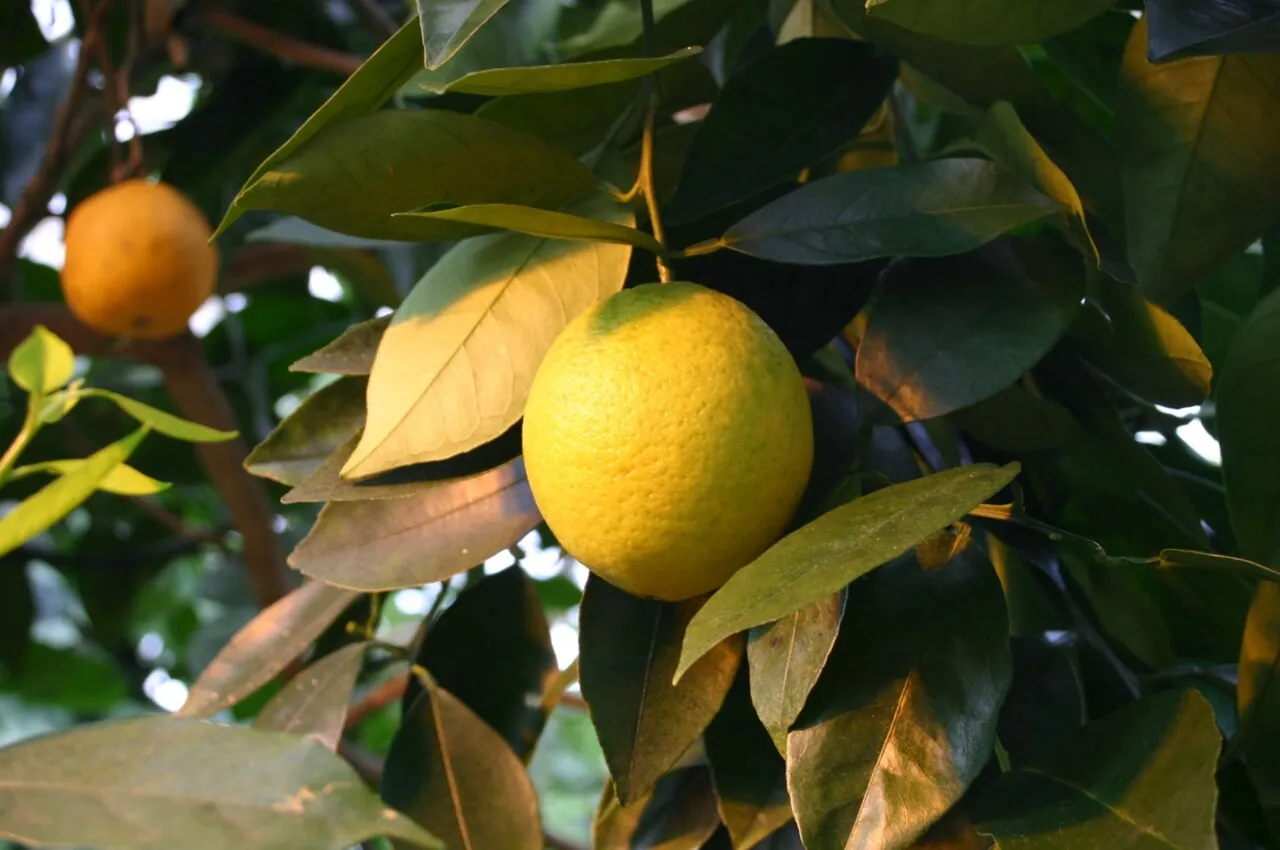
An orange tree keeps its glossy green leaves year-round and can reach about 9 m (30 ft). It needs sun and warmth, with protection from frost. Growers reproduce a chosen variety by joining one of its buds to a rooted citrus plant.
In Tamil Nadu, Rangpur lime and rough lemon commonly provide those roots, and trees start bearing from about the fifth year after planting. The orange variety grows above the join; the supporting roots belong to the other citrus.
When and where you'll find it
Whole sweet oranges are a supermarket fruit, but the variety changes with the season. At the citrus collection in Riverside, California, Washington navels usually ripen from November to January. California Valencias usually mature in summer, extending the fresh-orange season beyond the winter navels.
A picked orange does not become sweeter on the counter. In the fridge, whole oranges keep for about 4 to 6 weeks.
Sources · 9
- apps.fas.usda.gov
- Argiro Barbarigouargiro.gr
- Colorado State University Food Source Informationchhs.colostate.edu
- ipm.ucanr.edu
- Morton, Fruits of Warm Climates (1987)hort.purdue.edu
- NC State Extension Gardener Plant Toolboxplants.ces.ncsu.edu
- Tamil Nadu Agricultural Universityagritech.tnau.ac.in
- University of California, Riverside Citrus Variety Collectioncitrusvariety.ucr.edu
- Visit Sicily, Sicily’s Department of Tourismvisitsicily.info
Get it near Detroit
What it tastes like
As soft as a grapefruit, as sweet as a blueberry≈
More about the taste
Washington navel has firm, moderately juicy flesh and a rich flavor. Other sweet-orange groups strike different balances of sweetness and acidity — the variety name is a useful starting point.
Valencia oranges are especially juicy; navel oranges are easy to section for fresh eating. Variety, harvest maturity and storage history all affect texture and sweetness in any given batch.
A tasting invitation
Compare a navel-type orange and a Valencia-type orange when both are in good condition. Notice membrane texture, juice release and balance between sweetness and acidity. Use the comparison as a personal preference test, not a contest with one permanent winner.
Choose, ripen, store, eat
1ChooseSound fruit
Look for
- Sound fruit
Ignore
- Peel color
Peel color is only part of the story: a Valencia can still look green when its flavor is fully developed.
2RipenDoesn’t ripen after picking
Doesn’t ripen after pickingOranges do not become sweeter after picking. Buy them ready to enjoy rather than waiting for countertop sweetening.
3StoreFridge, whole
- FridgeWhole
Refrigerate picked oranges to keep them longer.
4EatPeeled segments, Juice
Eat
Peeled segmentsJuiceEat the peeled segments or use the juice. Navels are especially easy to section for fresh eating.
More tips
A useful detail Cool weather can change citrus peel color without changing sweetness. That separation explains why a greenish ripe orange and a beautifully colored disappointing orange can both exist; skin color is one signal, not a complete tasting report.
Worth knowing
- Blood-orange color can deepen in storage without the taste improving.
- A commercially stored orange can keep its sugar-acid balance while its flavor declines.
- A low-acid orange isn't automatically better eating; flavor intensity and juiciness count as much as sweetness and tartness.
Detroit, Michigan
When it’s good hereUsual monthsJust arrivedAt their bestLast chanceAll yearWhere it is in its usual monthsToday, Oct 22Grown hereIn season in your stateShips fromIn season where it grows
56 growing areas, 16 countriesUsual monthsOur estimated monthsToday, Oct 22

- Algarve
- Andhra Pradesh
- Antalya
- Bahia
- Bihar
- Cáceres
- California
- Catania
- Coquimbo
- Eastern Cape
- Ehime
- Espírito Santo
- Florida
- Hawaii
- Ica
- Johor
- Karnataka
- La Libertad
- Limpopo
- New South Wales
- O'Higgins
- Pahang
- Queensland
- South Africa
- You
7 of 15 areas · October
Growing areas by country
- Spain8
- Brazil7
- Australia6
- India6
- South Africa6
- United States5
- Chile4
- Peru4
and 11 more countriesand 8 more countries
Washington navel oranges trace to plants sent to Eliza Tibbets in Riverside, California, after the USDA received Brazilian budwood in 1870. Her planting helped draw growers' attention to the variety, though exactly where it first originated remains uncertain.
109 varieties
- No variety photo yetMorgan Sunrise Navel
- Taste
- sweet
- Feel
- firm
- Juice
- juicy
- No variety photo yetPowell Late Navel
- Juice
- juicy
- No variety photo yetSweet Martin
- Taste
- sweet
- Tartness
- tart
- Feel
- firm
- No variety photo yetOnix Blood
- Scent
- aromatic
- No variety photo yetFlorida EV1
- Feel
- soft
- Juice
- juicy
- No variety photo yetFlorida EV2
- Feel
- soft
- Juice
- juicy
Cook it
How to serve it first
Cut an orange crosswise into rounds to show the segments, or peel it for a simple hand-held snack. Try adding a little citrus zest to a dressing separately from the juice, then adjust each contribution independently.
4 orange festivalsUsual monthToday, Oct 22
Strange but trueHistoryA myth, and the truthScienceNatureWhere the name came fromCustoms and cultureFood and drinkPeople
If you like Orange
Close relatives
Nutrition, sources
Nutrition
Oranges, raw, California, valencias · per 100 g
- Carbohydrate
- 12 g
- Fiber
- 2.5 g
- Protein
- 1 g
- Fat
- 0.3 g
- Vitamin C
- 49 mg
- Potassium
- 179 mg
Sources
Orange · Fruitopia · checked Sep 23, 2026
- chhs.colostate.edu
- citrusvariety.ucr.edu
- hogarmania.com
- ipm.ucanr.edu
- nass.usda.gov
- sunharvestcitrus.com
- yummytummyaarthi.com
What we don't know yet
The Riverside harvest window applies to one navel-orange planting there.