Noni
Also called Indian mulberry · Cheesefruit · Rotten cheesefruitMorinda citrifolia · Rubiaceae family
A strongly scented fruit whose juice processing requires more care than a wellness label suggests.
Find it near DetroitGet to know it
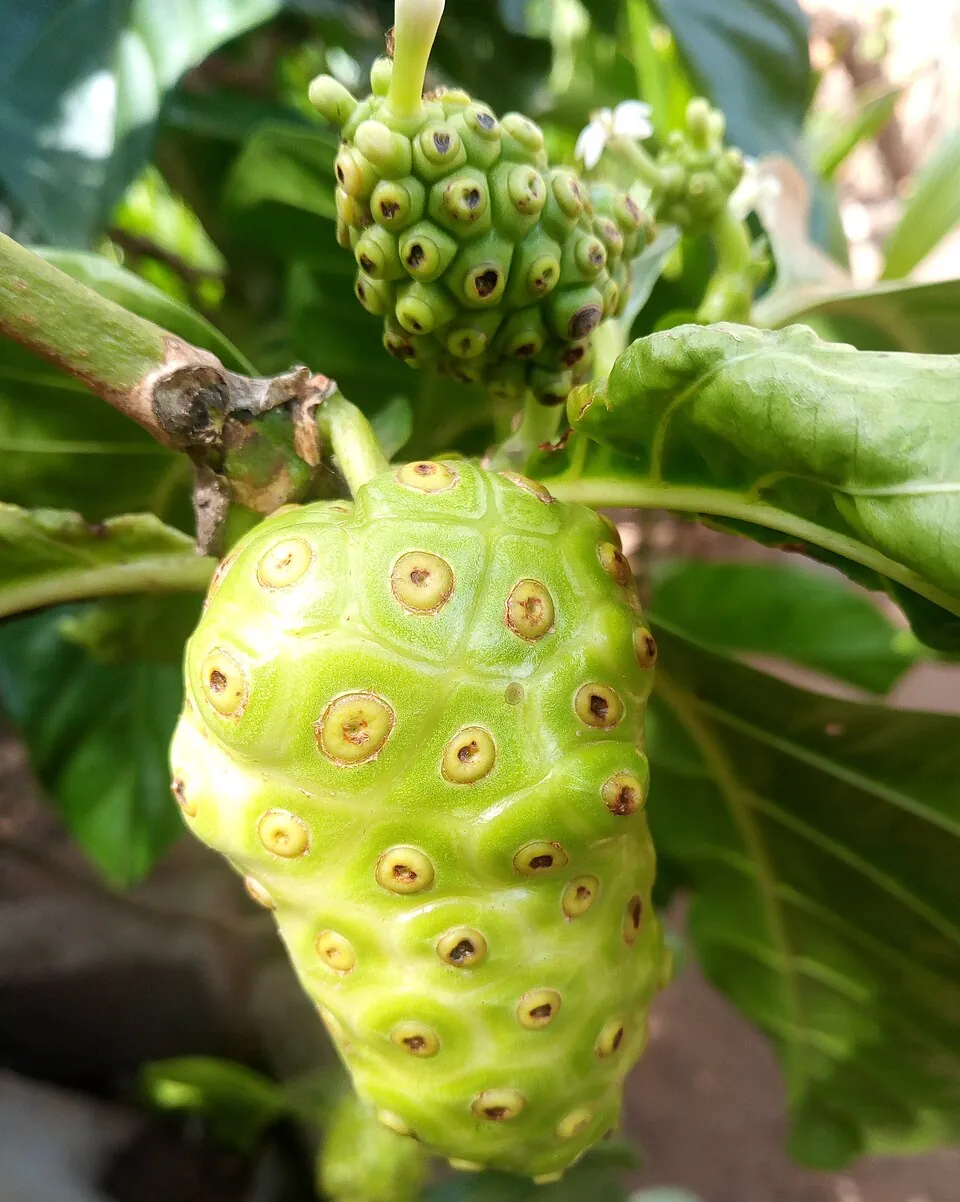
Noni is a soft, yellow-white fruit from the coffee family, with a powerful smell. Its juice changes character with processing: freshly pressed juice is relatively fruity and sweet, while fermented juice tastes bitter and sour. In Nauru, the fruit is cooked with coconut.
What it is
A noni measures about 5–10 cm (2–4 in) long and 3–4 cm (1.2–1.6 in) across. It forms as the fruits of a whole flower head join into one fleshy fruit. Ripe noni is soft. Fruit picked at the hard, white stage turns translucent and ready to give up its juice in a day or two.
Where it comes from
Noni grows naturally from India through Southeast Asia to northern Australia and the Pacific islands. Polynesians brought it to Hawaiʻi, where it was first grown for dye and medicine. Today it grows throughout the tropics, in open places near the shore and in disturbed forests.
How it's eaten where it grows
In Myanmar (Burma), unripe noni goes into curries, while ripe fruit is eaten raw with salt. In Nauru, cooked noni mixed with coconut was eaten on long sea voyages. In Hawaiʻi, people ate the ripe fruit raw or cooked when other food was scarce.
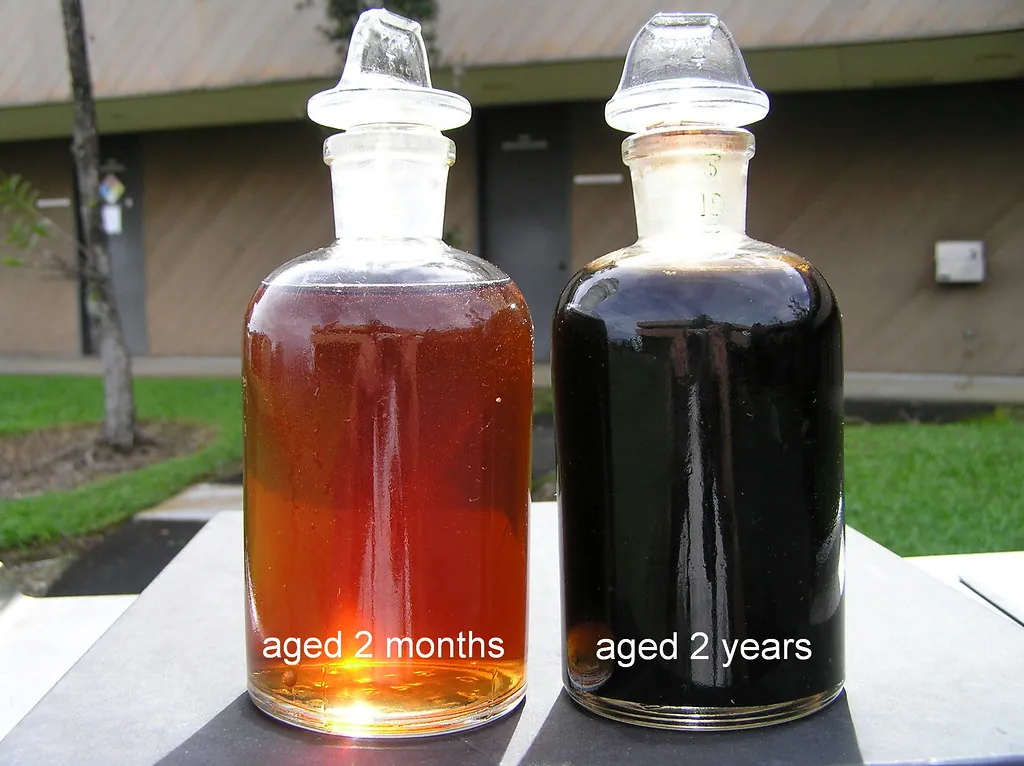
In Hawaiʻi, noni juice is sometimes mixed with lilikoi juice, or with raspberry, strawberry or grape flavours, to make it easier to drink. A freshly pressed juice has a fruitier flavour than an aged, fermented one.
How it's grown
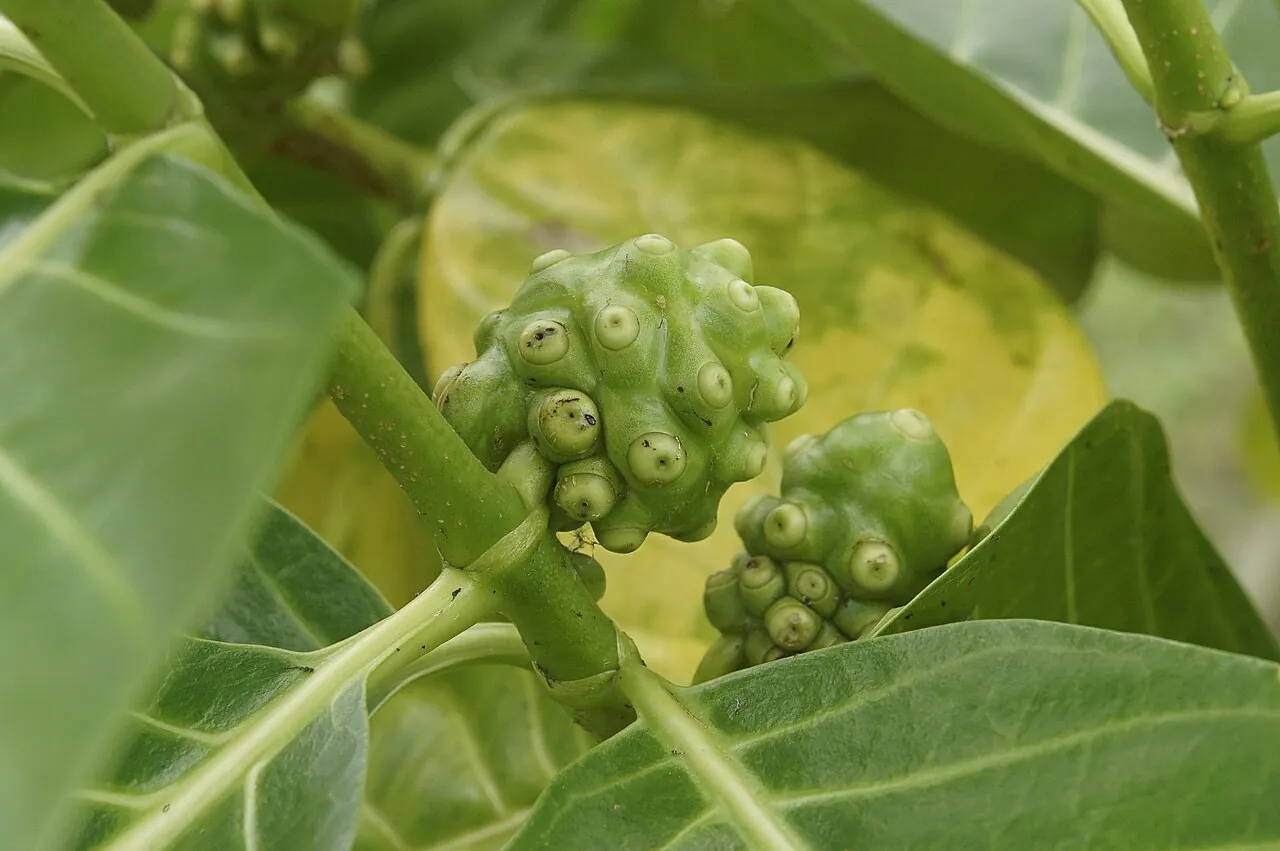
Noni is a small evergreen tree or shrub that can take root in harsh places, including coral atolls and lava flows. Under good growing conditions it can start bearing nine months to a year after planting. Pickers take individual fruits from the branches by hand; the first crops are small. It grows in full sun and deep shade, so it can live beneath taller trees as well as in open plantings along sunny roadsides.
When and where you'll find it
In Hawaiʻi, noni is usually harvested throughout the year, with somewhat less fruit in winter, and a field is usually picked two or three times a month. The ripe fruit is pressed or left to drip into juice, which is filtered and bottled. The pulp can also be chopped, dried and ground into powder.
Get it near Detroit
What it tastes like
As mild as a peach, softer than a pear≈
More about the taste
Ripe noni has a strong odor, often compared to overripe cheese. That's simply its aroma — it doesn't indicate spoilage or any health effect.
Ripe noni has a strong odor, often compared to overripe cheese. That's simply its aroma — it doesn't indicate spoilage or any health effect.
Choose, eat
1ChooseNoni is often harvested hard and white for processing, later softening to a translucent stage
Noni is often harvested hard and white for processing, later softening to a translucent stage. Neither stage is inherently the best-tasting — choose the fruit form your recipe or supplier calls for.
2EatRipe fruit
Eat
Ripe fruitRipe fruit is eaten raw or prepared. Commercial supplements, extracts and home-fermented juices aren't necessarily equivalent in composition or safety.
Detroit, Michigan
When it’s good hereUsual monthsJust arrivedAt their bestLast chanceAll yearWhere it is in its usual monthsToday, Oct 22Grown hereIn season in your stateShips fromIn season where it growsOrderableListed by a seller we checkedThe day a seller was checked
1 growing area, 1 countryUsual monthsToday, Oct 22

- Hawaii
- You
1 of 1 areas · October
Noni juice fermentation involves shifting fungal and bacterial populations, which is why pasteurization matters for safety. This isn't a home fermentation recipe.
41 names in 19 languages
- 檄樹Chinese
Cook it
Strange but trueScienceNatureWhere the name came fromCustoms and cultureFood and drink
If you like Noni
Tastes alike
Same plant family
Sources
Sources
Noni · Fruitopia · checked Sep 22, 2026