Brush lilly pilly
Also called Scrub cherry · Creek lilly pilly · Creek satinashSyzygium australe · Myrtaceae family
A pink-red Australian rainforest fruit with a tart role in fresh eating and preserves.
Find it near DetroitGet to know it
Brush lilly pilly is a pink-red Australian fruit with a crisp, apple-like bite and a tangy edge. A small seed sits inside each berry; the flesh can be eaten fresh or cooked into jam, including a spiced version with star anise and cloves.
What it is
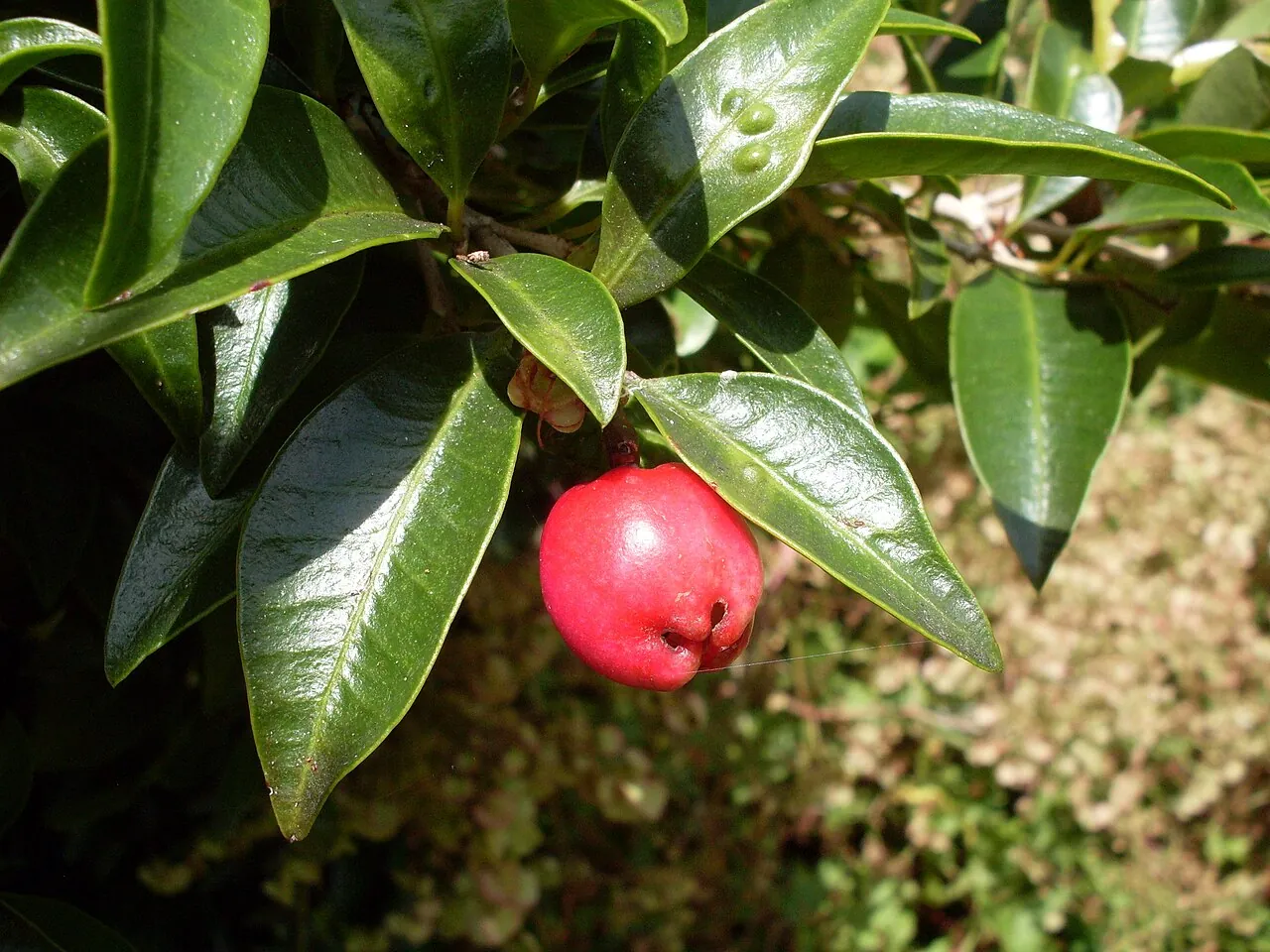
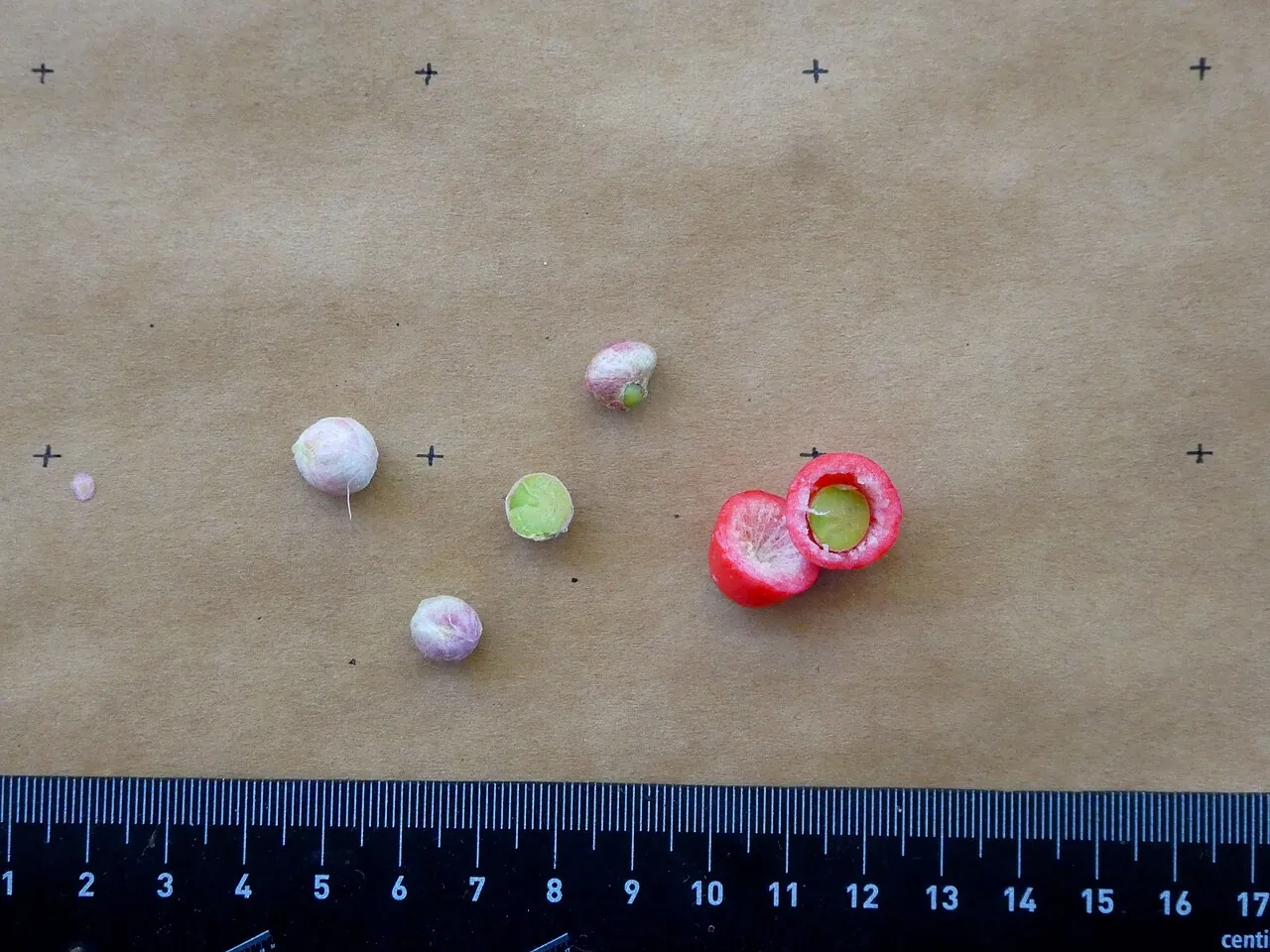
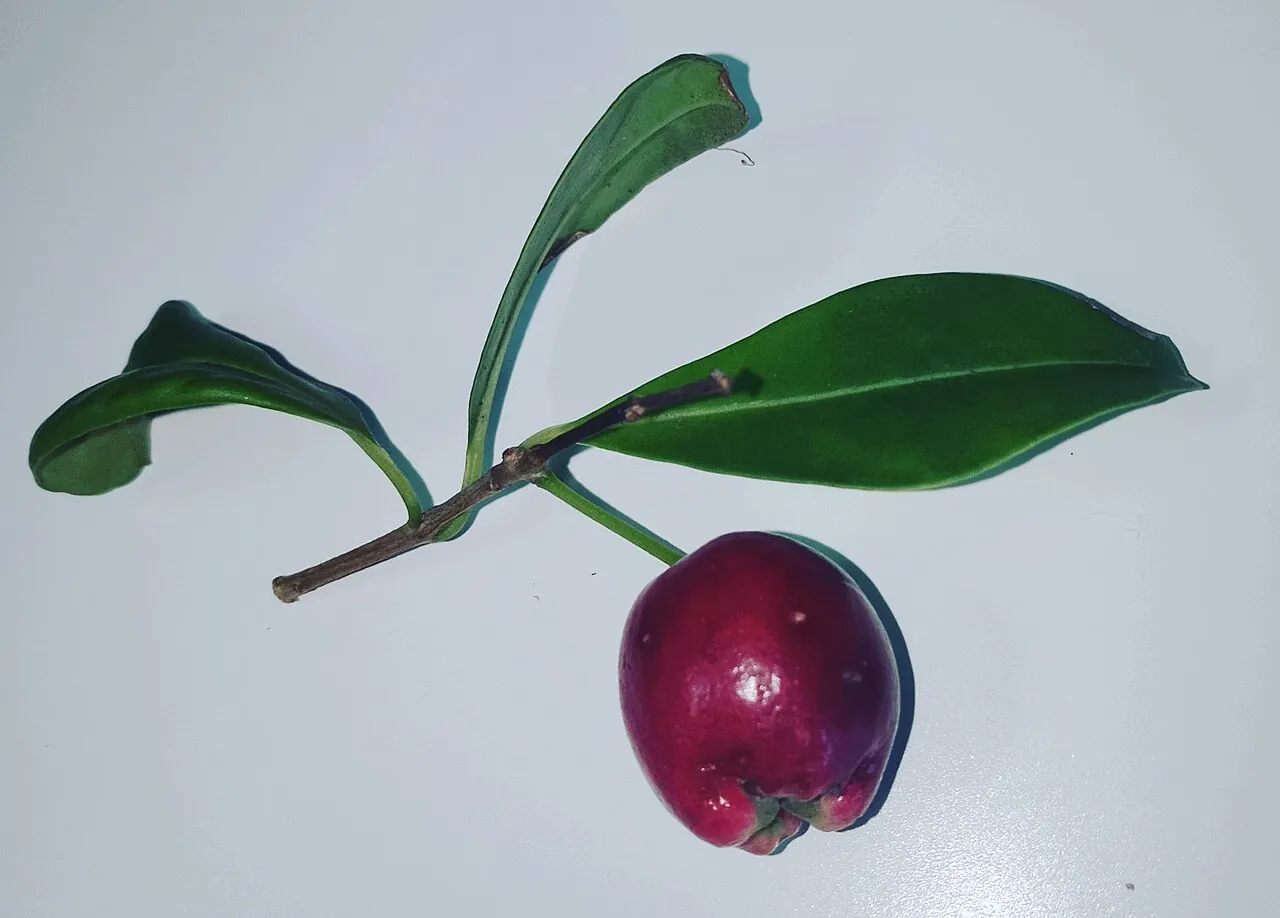
Brush lilly pilly is Syzygium australe, in the myrtle family. The fruit is pink-red to red, longer than it is wide and sometimes pear-shaped. It reaches about 2.5 cm (1 in) long and 1.5 cm (0.6 in) wide. A small round seed sits inside the crisp flesh, which combines mild sweetness with a sour edge.
Where it comes from
Its home is the coast of eastern Australia, from north of Batemans Bay in New South Wales up through Queensland to around Cairns. It grows in warm rainforest, often beside streams. It has long been grown in Australian gardens, where dense foliage makes it useful as a hedge as well as a fruit plant.
How it's eaten where it grows
Indigenous Australians ate the ripe fruit raw. European settlers later made lilly pillies into jam, jelly, sauces, preserves and wine.
At High Valley Dawn in Lammermoor, Queensland, a lilly pilly jam recipe starts with deseeded fruit, sugar, star anise, cloves and chia seeds. The berries simmer in water until thick, then are mashed and finished with lemon juice. The spiced jam goes on morning toast.
How it's grown
This is a tree that tolerates regular, heavy pruning into a dense hedge. It grows in full sun or partial shade and likes enriched soil that drains well. Growers raise it from seed or softwood cuttings, taken from young shoots. New leaves open reddish-pink, then become glossy green, and the pink new growth keeps the plant attractive for much of the year.
When and where you'll find it
In Australia, flowering usually runs from November to February, in late spring and early summer, and the berries follow in autumn. They are ready to pick when they turn pink or dark red.
Beyond the rainforest, the tree is a popular garden hedge, and it grows in bush-food gardens such as the food forest at High Valley Dawn in Lammermoor, Queensland.
Get it near Detroit
Sell fruit online? Add your business
What it tastes like
As mild as a peach, softer than a pear≈
More about the taste
The ripe fruit is succulent, tangy and acidic.
The ripe fruit is succulent, tangy and acidic.
Choose, eat
1ChoosePink to dark red
Look for
- Pink to dark red
Look for fruit that has turned pink to dark red. The flesh is crisp and apple-like, with mild sweetness and some sourness.
2EatRipe fruit
Eat
Ripe fruitRipe fruit is eaten raw. Learn bush-food preparation from Indigenous or experienced foragers before trying other lilly pilly species.
Detroit, Michigan
When it’s good here
Season not documented for Michigan.
Cook it
If you like Brush lilly pilly
Tastes alike
Close relatives
Used the same way
Sources
Photos · 3
Sources
Brush lilly pilly · Fruitopia · checked Sep 22, 2026
- commons.wikimedia.org /wiki/File:Syzygium-australe-SF24344-04.jpg
- highvalleydawn.com.au /plant-identification-hub/bush-tucker/creek-lilly-pilly
- leederville.net /gb/bushtucker/recipes.html
- resources.austplants.com.au /plant/syzygium-australe/
- sercul.org.au /wp-content/uploads/2017/11/BushTuckerFactSheet_LillyPilly.pdf